From Zero to Influence: What It Actually Takes to Build a KOL Career From Scratch
Somewhere between “it’s just posting pretty pictures” and “I could never do that” lives the truth about the creator economy: it’s a real career, built by real people, using skills you can learn.
And yet, the question we hear most is also the simplest: “Where do I even start?”
If you’ve been quietly wondering how to become an influencer — or a KOL (Key Opinion Leader, the term widely used across Asia and increasingly worldwide for creators whose recommendations carry weight) — this roadmap is for you. We’ll cover choosing your niche, building an audience, creating content, earning income, and avoiding the traps that burn creators out.
Quick honesty check: there are no guarantees, and growth takes time. But there is a clear path, and you can start today.
Influencer vs. KOL: What’s the Difference?
The terms overlap, but there’s a useful distinction:
- Influencer: someone who builds an audience on social platforms and influences their followers’ choices, often across lifestyle, fashion, beauty, or entertainment
- KOL (Key Opinion Leader): an expert or trusted voice whose opinion carries authority in a specific field — think a nutrition specialist, a finance educator, or a skincare enthusiast with deep knowledge
In practice, many creators are both. What matters most is trust. The creators who last are those whose audience believes their recommendations.

Is Becoming an Influencer Realistic?
Yes — with clear eyes. Here’s what the creator path actually involves:
- It’s a business, not just a hobby. You’ll create, market, negotiate, and manage money.
- Results take time. Many creators post for months before they see traction.
- Income is varied. It can come from brand deals, affiliate links, ads, digital products, services, and more, and it can be unpredictable at first.
- Follower count isn’t everything. Engagement and trust often matter more, especially to brands.
If you enjoy creating, connecting, and learning, the creator path can be rewarding. If you’re only chasing fame, it may feel frustrating. Passion for your topic sustains you through the slow stretches.
Step 1: Choose Your Niche
A clear niche helps people understand who you are and why they should follow you. To find yours, look at the intersection of three circles:
- What you love (you’ll be talking about it for years)
- What you know or are learning (credibility)
- What an audience wants (demand)
Popular niche areas include beauty, fashion, fitness and wellness, food, travel, parenting, personal finance, tech, education, and business. Niches within niches can be even more powerful — “budget-friendly skincare for sensitive skin” is far more memorable than “beauty.”
Test it: Can you brainstorm 30 content ideas in your niche in ten minutes? If yes, you’ve got enough to sustain it.
Step 2: Define Your Audience and Your Unique Angle
Who are you speaking to? Describe them in detail: their age, challenges, goals, and what they’re searching for. Then ask: what makes my take different?
Your angle might come from:
- Your personal story or background
- Your professional expertise
- Your style, humor, or aesthetic
- Your approach (budget-friendly, science-backed, minimalist, luxe-on-a-budget)
You’re not competing with every creator — you’re becoming the right creator for a specific group of people.

Step 3: Pick Your Platforms
You don’t need to be everywhere. Start with one or two main platforms based on your content style and audience:
- Instagram: visuals, Reels, community and brand partnerships
- TikTok: short-form video, discovery, and trends
- YouTube: long-form content, tutorials, and durable search traffic
- Facebook and Threads: community and conversation
- Blogs and newsletters: owned platforms that build deeper trust
- Regional platforms: depending on your market, platforms popular locally may be essential
Choose where your audience already spends time, and where you enjoy creating.
Step 4: Set Up a Professional Profile
First impressions count. Make sure each profile has:
- A clear, friendly profile photo
- A bio that states who you help or what you share
- A consistent name or handle across platforms
- A link to your email list, website, or a link-in-bio page
- A cohesive look: consistent colors, fonts, and styles
If a stranger lands on your page, they should understand within five seconds what you post about and why they should follow.
Step 5: Create Content Consistently
Content is the engine of your growth. A simple plan keeps you moving:
Build Content Pillars
Choose three to five themes you’ll return to repeatedly. For a wellness creator, that might be: morning routines, healthy recipes, mindset, and product reviews.
Use Proven Content Formats
- How-tos and tutorials
- Day-in-the-life and behind-the-scenes
- Honest reviews and comparisons
- Stories and lessons learned
- Lists and tips (“5 things I wish I knew…”)
Batch and Schedule
Film or write several pieces in one sitting, then schedule them. It reduces daily stress and helps you stay consistent.
Learn the Basics of Quality
You don’t need expensive gear. Good natural light, clear audio, and a steady camera go a long way. Phones today are powerful enough to start.
Remember: your first posts won’t be your best. Publish anyway — improvement happens through repetition.

Step 6: Grow Your Audience Authentically
Growth is a combination of great content, consistent presence, and genuine connection.
- Study what resonates. Check which posts earn saves, shares, and comments, then make more like them.
- Use search-friendly captions and keywords. Many platforms now work partly like search engines.
- Engage daily. Reply to comments, join conversations, and support fellow creators.
- Collaborate. Partnerships expose you to new audiences.
- Be consistent. Algorithms and audiences both reward reliability.
A warning: skip shortcuts like buying followers or engagement. Brands can spot fake numbers, and trust, once lost, is hard to rebuild.
Step 7: Understand How Influencers Make Money
Income streams vary, and most successful creators combine several:
- Brand partnerships and sponsored content: brands pay you to feature their products or services
- Affiliate marketing: you earn a commission when followers purchase through your link
- Platform monetization: ad revenue, subscriptions, and creator funds where available
- Digital products: ebooks, templates, courses, presets
- Services: coaching, consulting, freelance work, speaking
- Physical products or merchandise
Beginner tip: don’t wait for brand deals to arrive. Diversify early, especially with affiliate links and your own digital products, so your income isn’t dependent on one source.

Step 8: Land Your First Brand Collaborations
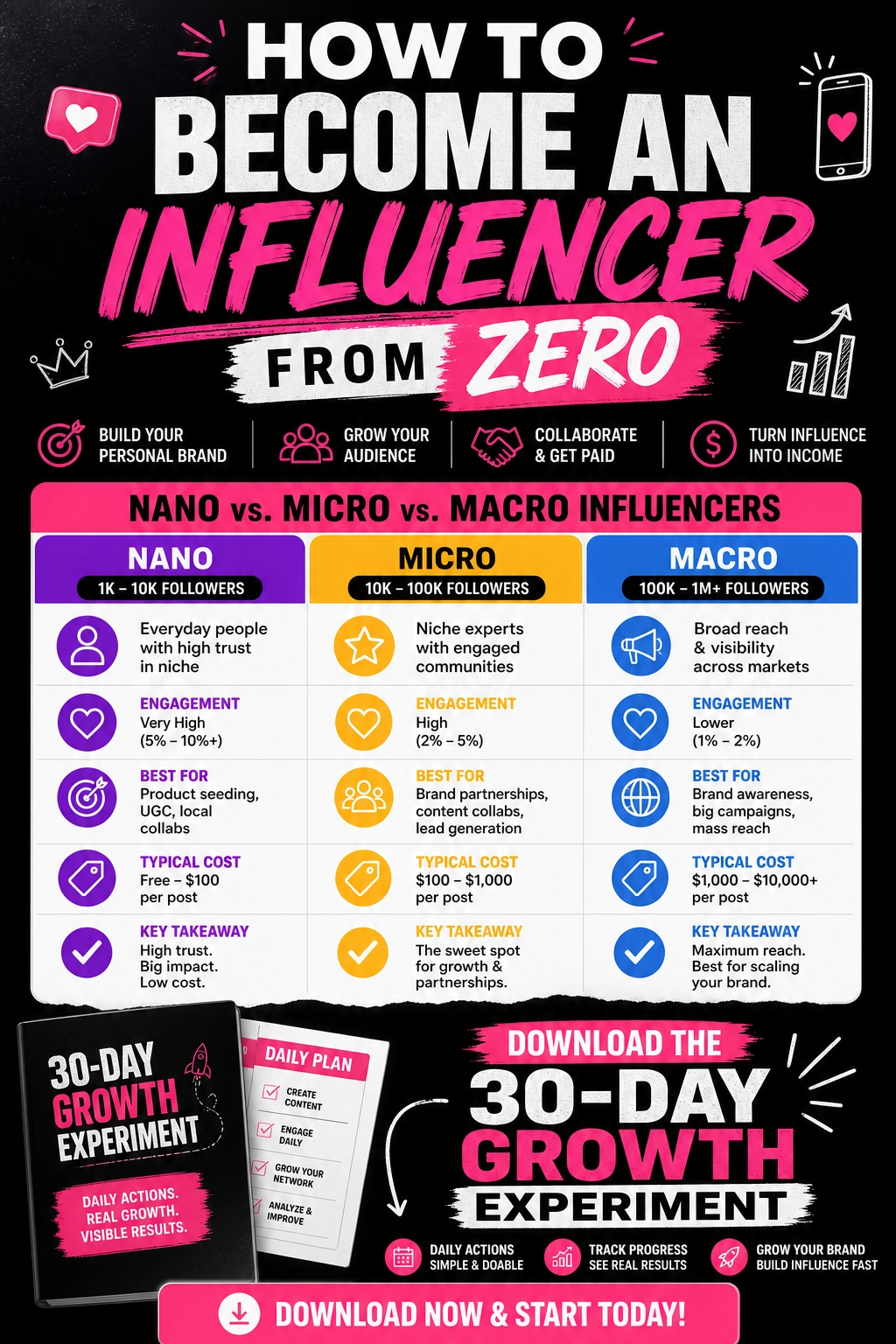
Brands care about audience fit, engagement, content quality, and trust, not just follower counts. Micro-influencers (smaller, highly engaged audiences) are often in demand.
How to get started:
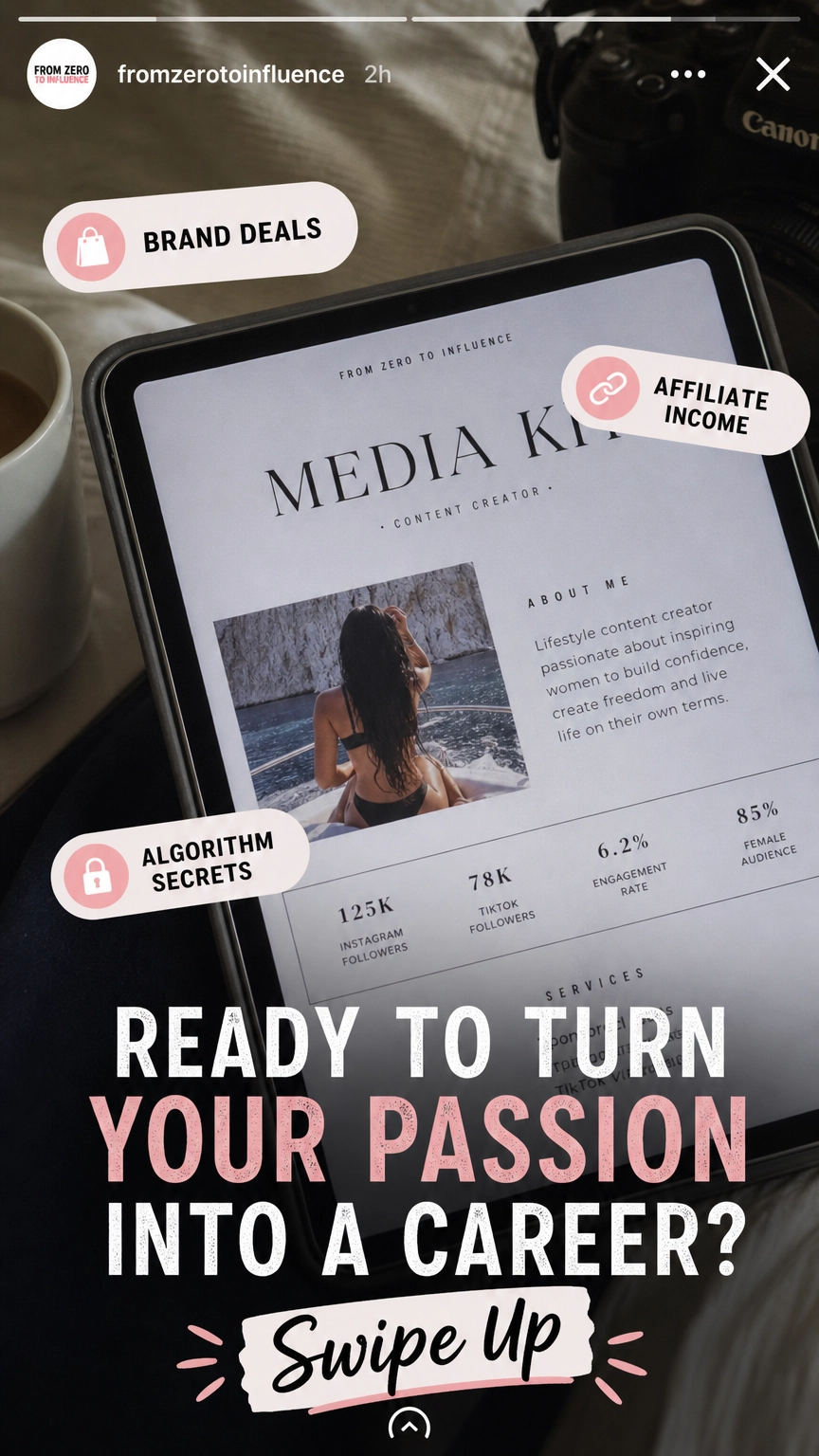
- Create a simple media kit: a one- or two-page document with your bio, audience info, engagement stats, content examples, and services.
- Start by using and sharing products you genuinely love. Tag brands authentically.
- Pitch brands that align with your values with a short, specific email explaining what you’d create and how it benefits them.
- Know your worth. Learn about typical pricing for your niche and platform, and don’t undervalue your work.
- Always disclose sponsorships according to the rules in your region. Transparency protects your credibility and is often legally required.
Only promote what you’d genuinely recommend. Your credibility is your most valuable asset.

Want a Complete Guide to the KOL Path?
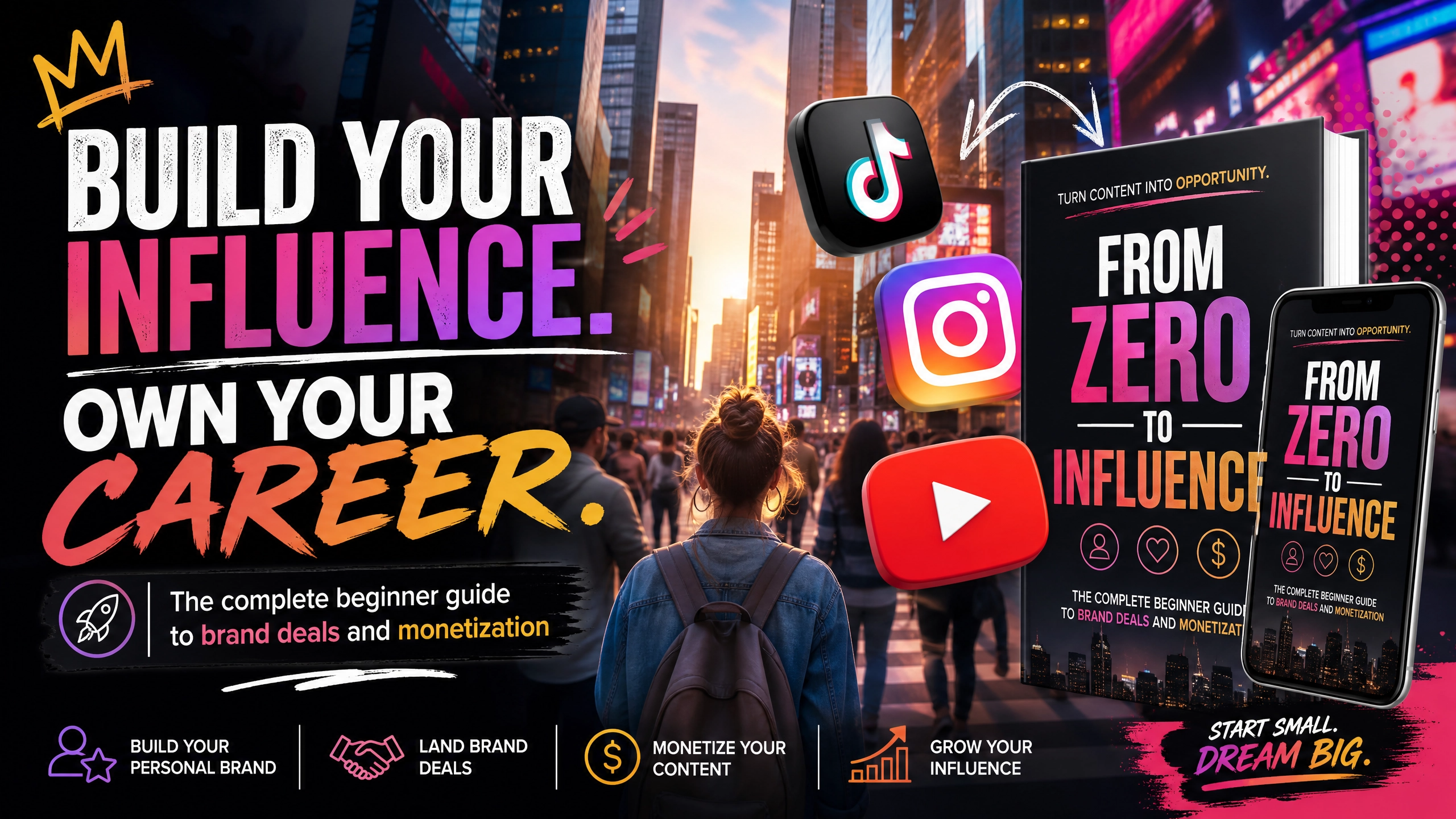
If you’d like all of this laid out in one practical, beginner-friendly resource — from mindset and niche selection to content, growth, and monetization — The Complete Beginner’s Guide to Building a KOL Influencer Career is designed to walk you through each stage.
→ Shop it: The Complete Beginner’s Guide to Building a KOL Influencer Career
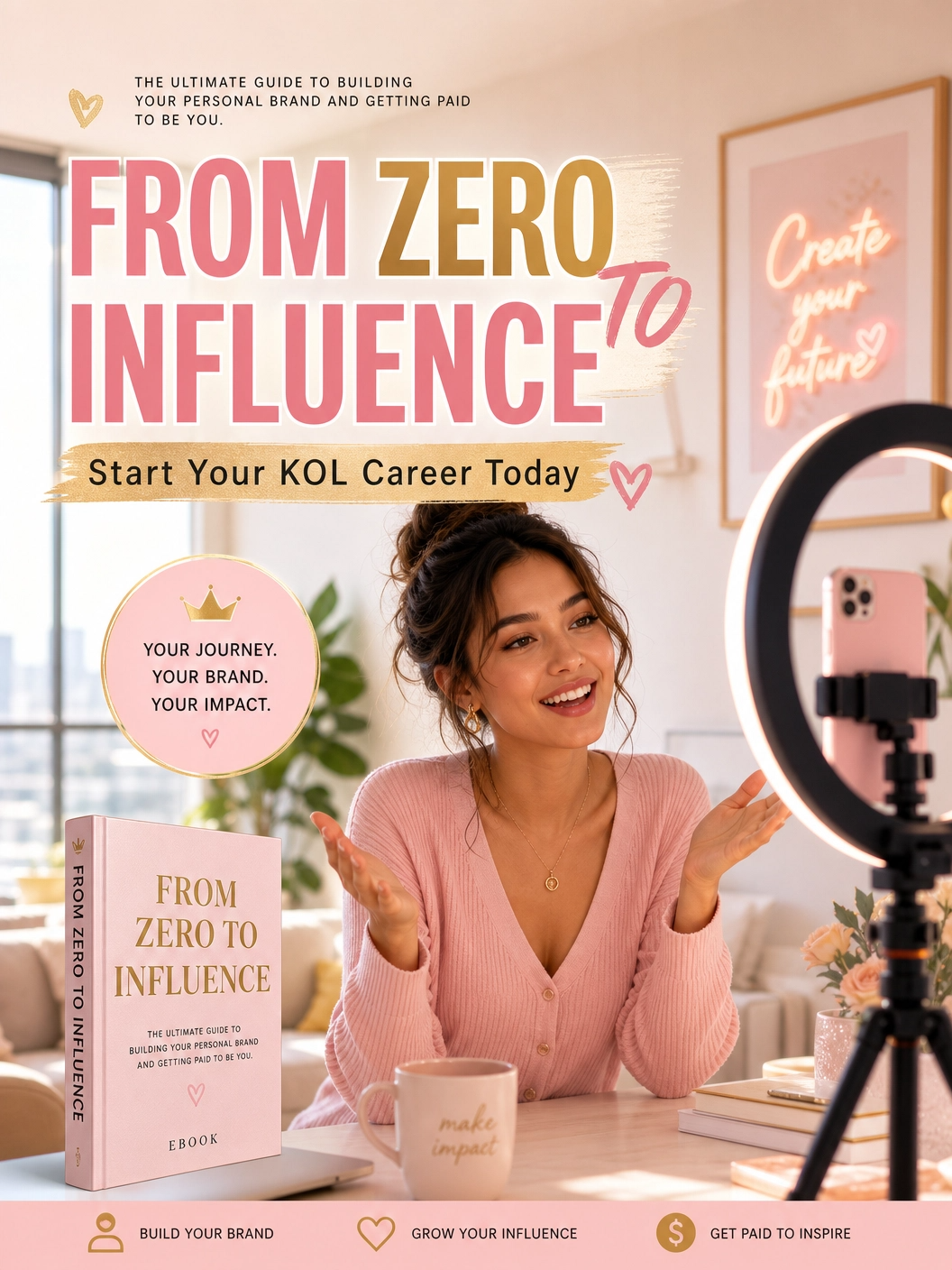
For the brand-building side, our post on how to build a personal brand pairs perfectly with The Personal Brand Blueprint.
Mistakes That Hold New Creators Back
- Quitting too early. Most creators plateau before they break through.
- Trying to be everywhere. Master one platform first.
- Copying trends without a point of view. Trends are fuel; your perspective is the engine.
- Ignoring owned channels. Platforms change; your email list doesn’t.
- Neglecting mental health. Comparison and constant availability take a toll. Set boundaries and take breaks.
- Overpromising to followers. Honesty builds long-term loyalty.
Staying Sane in the Creator World
A creator career can be exciting and exhausting. Protect yourself:
- Set posting rhythms that you can sustain
- Limit comparison scrolling
- Celebrate small wins, like your first comment from a stranger who says “this helped me”
- Build a support system of other creators
- Keep a life offline with hobbies, friendships, and rest
Your wellbeing is the foundation of a long career.
FAQ: How to Become an Influencer
How many followers do I need to start earning? There’s no magic number. Some creators earn with small, engaged audiences, especially in niche markets.
Do I need to show my face? Not necessarily. Many creators succeed with voiceovers, text-based posts, or product-focused content, though showing up personally can build trust faster.
How long does it take? It varies widely. Plan on months of consistent posting before seeing meaningful traction.
Do I need expensive equipment? No. A smartphone, natural light, and a clear message are enough to start.
Your First Post Is the Hardest
Every creator you admire once had zero followers and a nervous finger hovering over the “publish” button. The difference between them and everyone who only thought about it? They posted.
Choose your niche, pick your platform, and share your first piece of content this week. Then another. Then another. Momentum, trust, and opportunity will follow.
Save this roadmap, share it with a friend who’s been quietly dreaming of building her platform, and start your story today.
About the Author