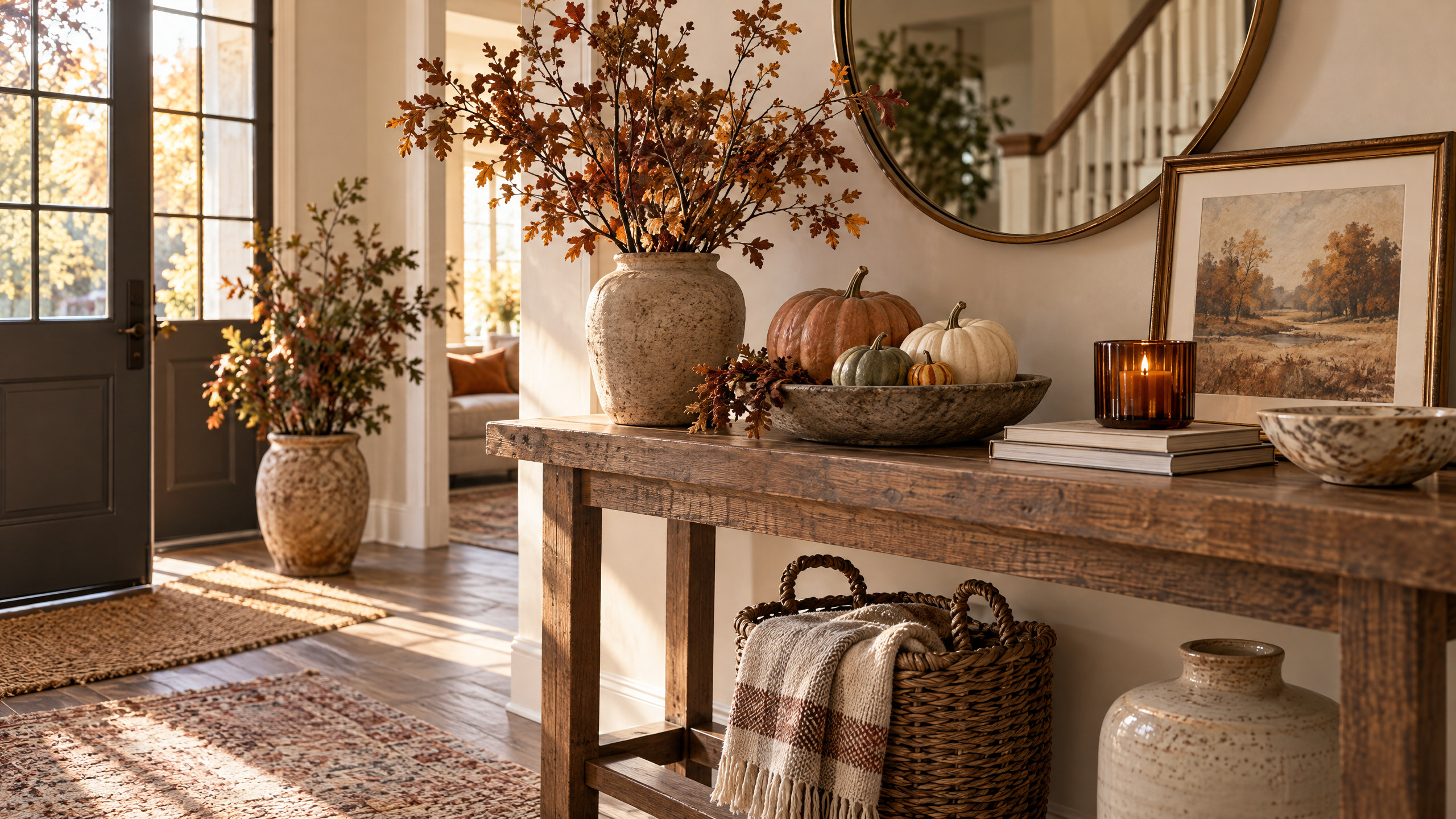
Fall Entryway Storage That Still Feels Like Autumn
When rain and leaves start to show up at the door, the entryway becomes less of a welcome mat and more of a command center. Coats, muddy boots, umbrellas, backpacks and the day’s detritus all arrive at once. Your fall entryway storage doesn’t need to be a styling sacrifice to be useful — it just needs a plan: durable, washable layers where water and dirt meet the home, clear traffic flow so people don’t block each other, smart vertical solutions to reclaim floor space, and one small seasonal accent that says autumn without getting soggy.
Below are practical, practical ideas for creating a wet-weather drop zone that handles real family life and still reads warm and autumnal.
Start with traffic flow: define the drop zones
Think of your entryway as three adjacent mini-zones: the wet zone, the transition zone, and the launch zone.
- Wet zone (closest to the door): for soaked boots, umbrellas, dog leashes, wet outer layers. This area should have easily cleaned surfaces and containment like a boot tray or waterproof mat.
- Transition zone (middle): a bench, seat or landing where people can take shoes off, add layers, or set a bag while fumbling with keys.
- Launch zone (farthest from door): for keys, wallets, mail and grab-and-go items—this is the tidy, non-wet side of the entry.
Measure the width between walls and note where doors swing. Keep the route from the exterior door into the home as clear as your household needs, especially if anyone uses a mobility aid or carries bulky items. Follow applicable accessibility guidance where relevant. Place the wet zone on the side that gets the most exposure to rain or runoff.

Choose washable, durable surface layers
A key principle: anything that will meet wet boots or mittens should be washable or wipeable.
- Floor coverings: use low-pile, washable rugs or outdoor-grade mats. Look for rugs labelled machine-washable, or shop indoor/outdoor options that handle moisture and can be hosed down.
- Boot containment: a rigid, easy-rinse boot tray with drainage channels or raised ridges protects flooring and speeds drying. For a softer look, line a shallow tray with a removable, washable mat.
- Seat surfaces: benches should have wipeable tops or removable cushion covers in durable, washable fabrics like canvas or performance cotton. Keep an extra folded towel or quick-dry fabric on the bench for surprise downpours.
- Wall finishes and paint: scuffs and wet globules happen. High-usage entryways benefit from semi-gloss paint at lower heights for easier wiping.
Tradeoff note: heavy rubber mats win at functionality but can feel utilitarian. Layer with a small decorative runner in the launch zone to preserve warmth without risking it in the wet zone.
Build up, not out: vertical storage strategies
Floor space fills fast; the wall doesn’t. Vertical storage preserves flow.
- Tiered hooks: install hooks at multiple heights—lower hooks for children and pets’ gear, mid-level for everyday coats and bags, and higher pegs for out-of-season items. A tight row of staggered hooks gives flexibility without crowding.
- Wall-mounted cubbies and baskets: wrought-iron wire baskets or woven bins mounted on a board keep gloves, hats and masks contained and easy to grab. Label baskets for each family member to speed morning launches.
- Narrow shelving above hooks: a shallow top shelf collects seldom-used items like spare scarves or seasonal gloves. Keep only what you can reach safely; don’t overload with heavy items.
- Peg rails or magnetic rails: these allow the quick rearrangement of hooks, baskets and small shelves as needs change with the season.
Pro tip: place a small mirror near eye-level to catch last-minute checks, which keeps people from wandering back into the living room with wet sleeves.
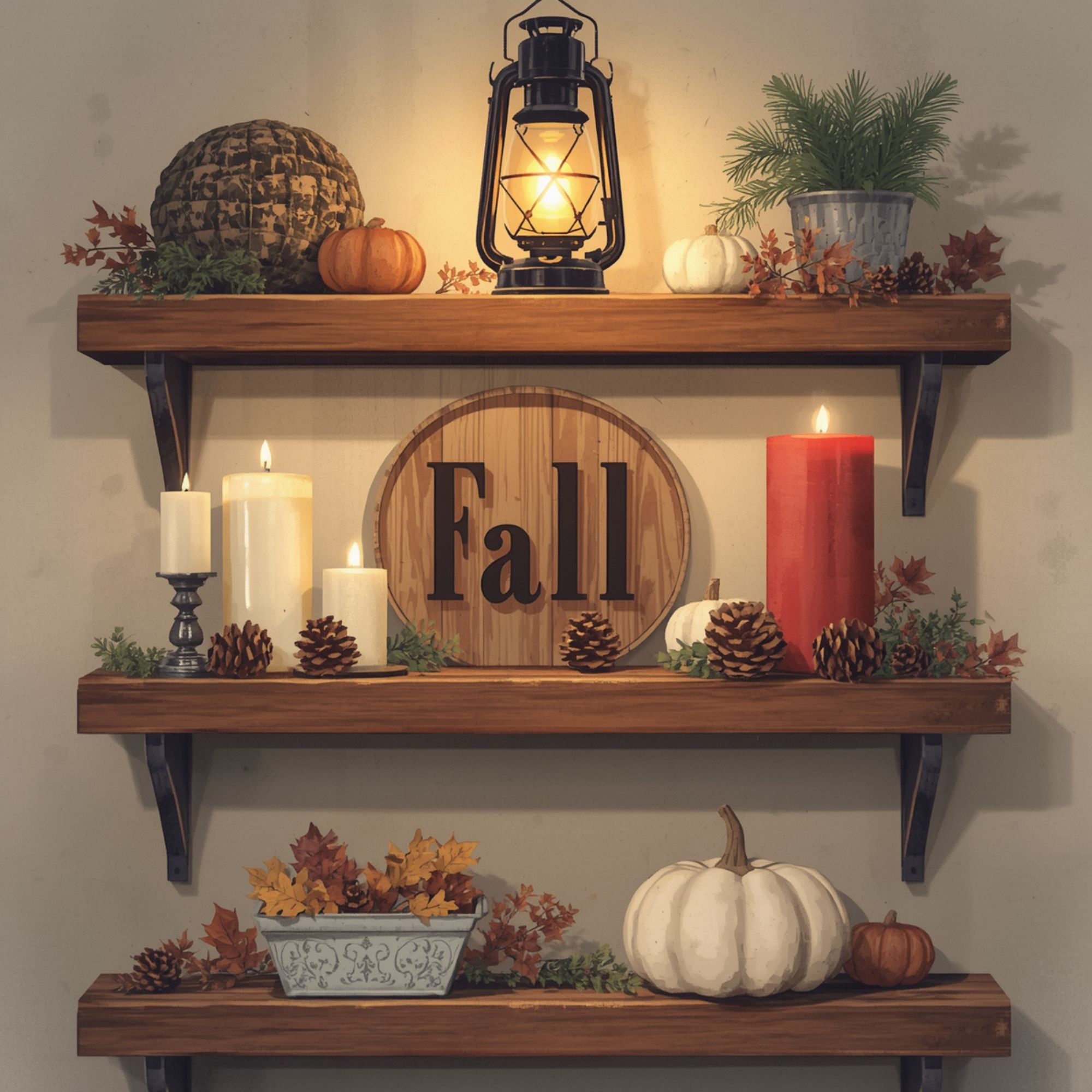
Boot care that keeps order and prevents odor
Boots are the mess-makers of fall. Treat them as an asset you’re protecting the home from, not a problem to hide.
- Drying strategy: after a wet day, remove insoles where possible and stuff boots with crumpled newspaper or reusable boot trees made of moisture-wicking fabric. Avoid leaving wet boots in enclosed cabinets for long stretches.
- Storage solutions: slatted shoe racks allow air circulation; shallow tilted shelves show pairs clearly. For small spaces, vertical stackable boot trays keep pairs separated and easy to remove.
- Odor control: a sachet of baking soda or activated charcoal in the boot tray can help between launderings. Replace or recharge per product instructions.
- Tradeoffs: enclosed shoe cabinets hide mess but can trap dampness. If you use a cabinet, install a small removable tray inside that you can extract and dry.
Bags, hooks and the everyday launch pad
A predictable place for keys, bags and mail saves time and keeps the entry from becoming cluttered.
- Dedicated hooks for daily bags: have one hook per person at eye level; add a low-valued ‘guest’ hook for deliveries or returns.
- Mail and paper control: a slim wall pocket or basket keeps incoming paper off furniture; sort immediately into a “today” tray and a “to file” bin to prevent overflow.
- Key and tech station: a small bowl or narrow wall shelf with a magnetic strip for keys and a cord clip for phone charging prevents last-minute panics.
- Quick-grab caddy: for dog owners or parents, a tote near the door filled with stroller snacks, poop bags, and a compact umbrella makes exits smoother.
Hook placement matters. Keep bag hooks out of the wet zone if bags are fabric: moisture plus a heavy load equals damp interior linings. If you must put a hook in the wet zone, use metal or sealed wood hooks that won’t rot.
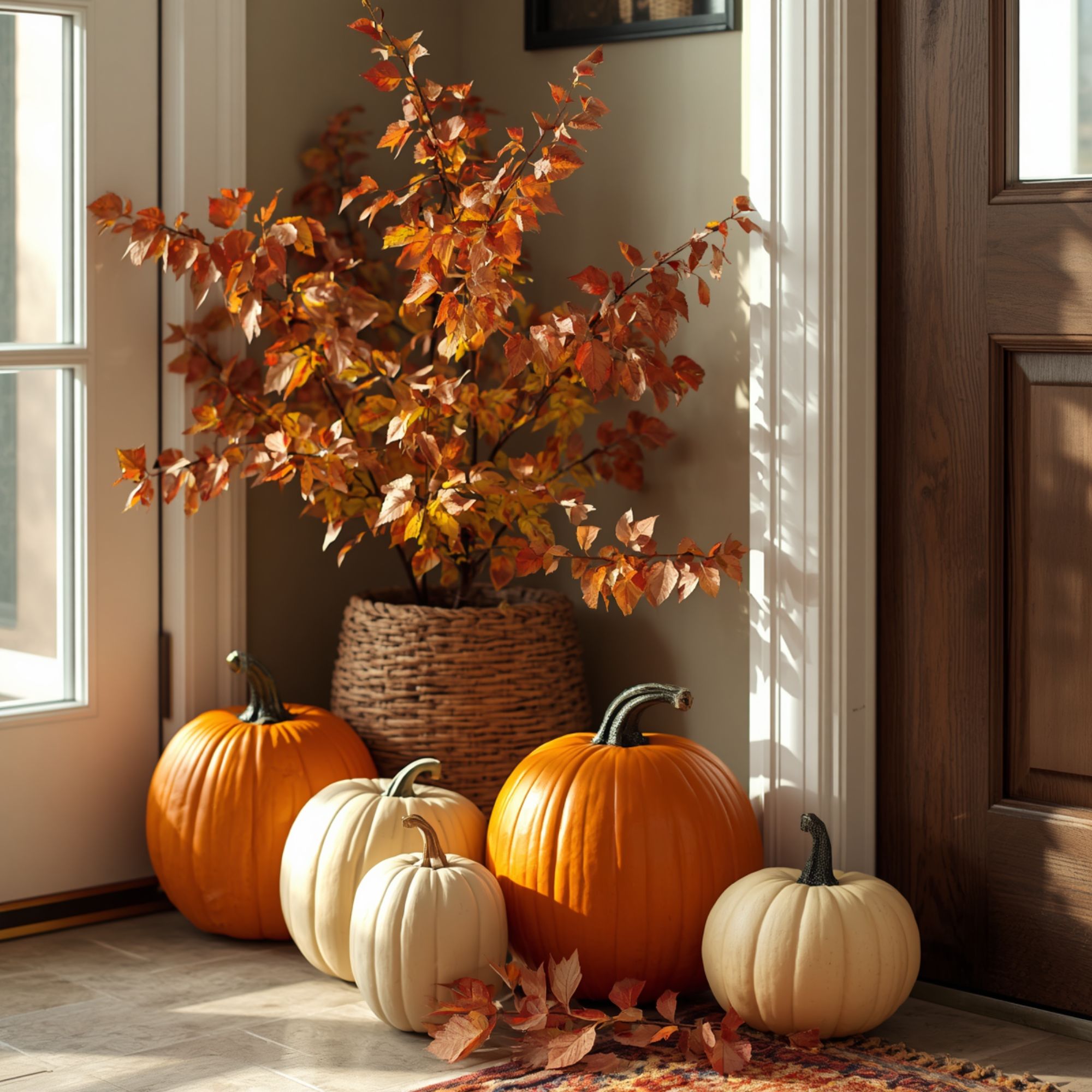
A small seasonal accent that reads autumn, not clutter
You don’t need a seasonal overhaul to feel fall. Choose one modest, weather-resistant accent that nods to the season.
One practical way: print a small framed art piece or a clipboard display using a digital design. For example, Autumn Leaf Swirls Watercolor Digital Paper can be printed at home, slipped into a simple frame and hung above the bench or propped on a shelf for a subtle seasonal touch. The design is a digital asset — high-resolution PNGs work well for small prints or laminated quick-change cards — so verify the seller’s use rights before printing or repurposing it for commercial display. If you like, rotate the card seasonally; keep the frame small so it doesn’t collect leaves or debris.

Another quiet option is a single bowl of dried acorns, a small spray of preserved eucalyptus, or a textile swap: a washable throw in rusty tones folded on the bench on rainy days. The idea is restraint—one choice that whispers autumn instead of shouting it.
Maintenance habits and a simple laundry workflow
Design for cleaning, then schedule it into family life.
- Daily five-minute tidy: sweep boot trays, shake out rugs, and empty a floor catch-all each evening. Little habits stop the pile-up.
- Weekly clean: launder washable rug runners and cushion covers on a weekly rhythm during wet months. Empty and rinse any boot trays.
- Seasonal reset: before heavy leaf season hits, clear out the bench storage and inspect for wear. Replace absorbent liners and refresh sachets.
- Laundry system: keep a dedicated laundry basket for washable outerwear—hats, liners, scarves—so wet items don’t migrate through the house. Label it and keep it near the transition zone.
If you have pets, add a pet towel or dedicated mat for paws and consider keeping grooming wipes near the door for quick cleanups. Always follow care instructions for textiles and check the product guidance for any cleaners or deodorizers you use.
Utility-first planning vs. decorative styling: a short comparison
Utility-first planning starts with function as the priority: containment, drying, circulation, and easy cleaning. Decorative styling starts with look and mood, and layers function to support that aesthetic. Both approaches can coexist, but if you only have to choose one (or if you’re working with a small space or a busy household), plan for utility first. A functional system reduces daily friction, which creates the calm backdrop that lets a small, well-chosen decorative accent actually stand out. In short: make it useful, then make it lovely.
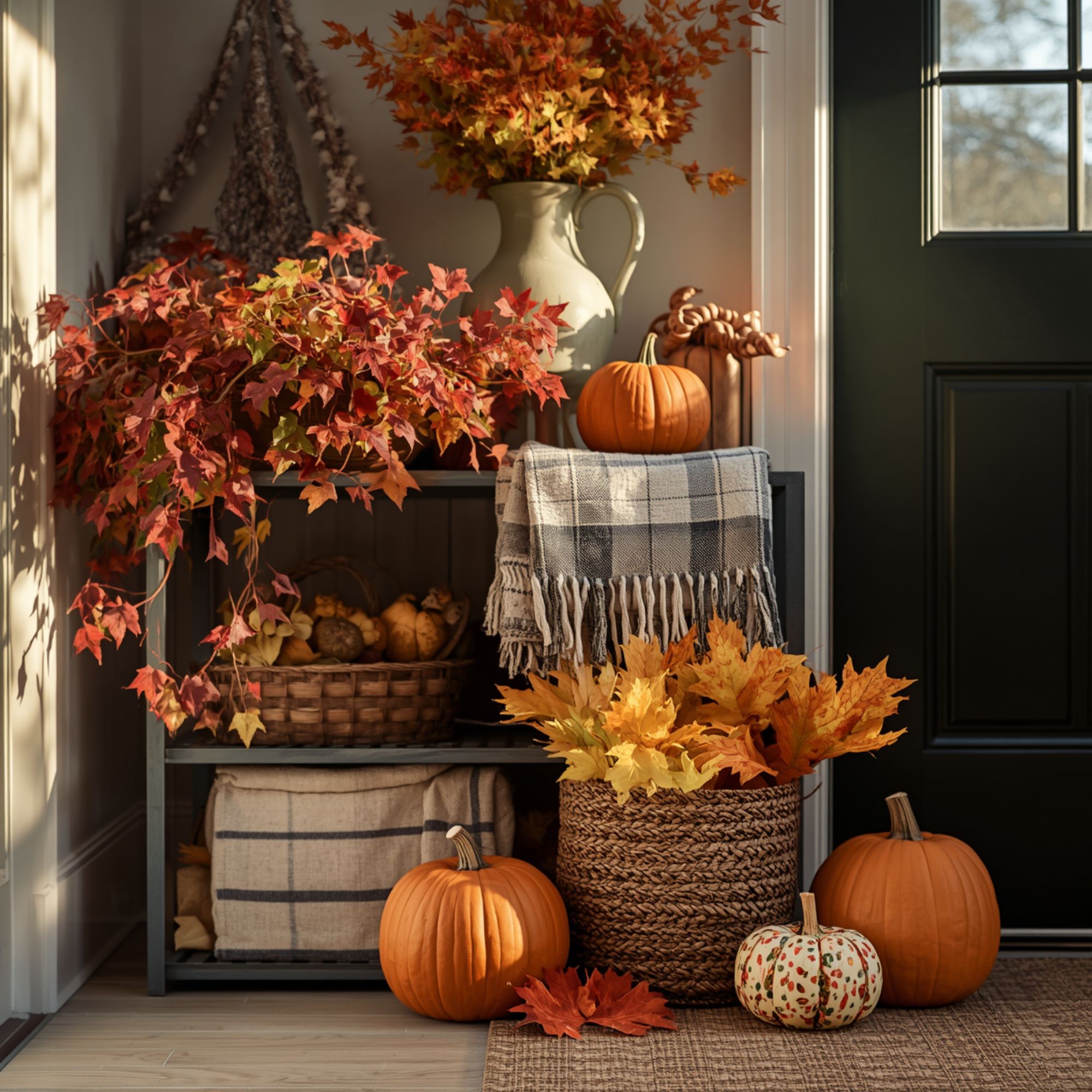
Quick styling checklist for a cozy, functional fall entryway
- Install a boot tray or removable rubber mat directly inside the door.
- Add a bench with a removable cushion cover and a low shelf for shoes.
- Mount a row of hooks at two heights for bags and coats.
- Use an overhead shelf or small wall cubbies for seasonal extras.
- Keep a shallow “today” basket for mail and small items.
- Choose one seasonal accent—print, wreath, or textile—and keep it small.
- Label baskets for each family member to speed morning routines.
End with a simple rule: if it hits the floor and stays, put it in a designated place. The fewer things left to decide, the smoother every morning will be.
Small changes — a washable runner, a boot tray that finally contains the mess, a row of tidy hooks — add up to a much calmer arrival. Set up your fall entryway to meet the worst of the weather, then add one little seasonal touch that makes coming home feel like an autumnal sigh. You’ll spend less time battling dampness and more time appreciating that golden light through the front window.
Frequently Asked Questions
What’s the best floor protection for a wet entryway?
A combination works best: a rigid or rubber boot tray directly inside the door to capture the worst moisture, plus a low-pile, washable runner a step inside the launch zone. Choose materials that can be rinsed or machine-washed and keep a spare rug to rotate when the first is wet.
How can I keep my entryway from smelling during wet weather?
Air boots and liners when possible, remove insoles to dry, and empty boot trays daily. Use breathable storage (slatted racks, open baskets), and add a small absorbed odor-control sachet or activated charcoal pouch that you can replace per the product’s instructions.
Can I use digital watercolor paper for a small autumn print in my entryway?
Yes — digital watercolor files are great for small framed prints or laminated cards. The asset is a high-resolution PNG suitable for print and digital projects; make sure to verify the seller’s licensing terms before printing or reusing the image for any purpose beyond personal display.
About the Author





