Dorm Desk Decor Ideas: Build a Functional Study Zone in a Shared Room
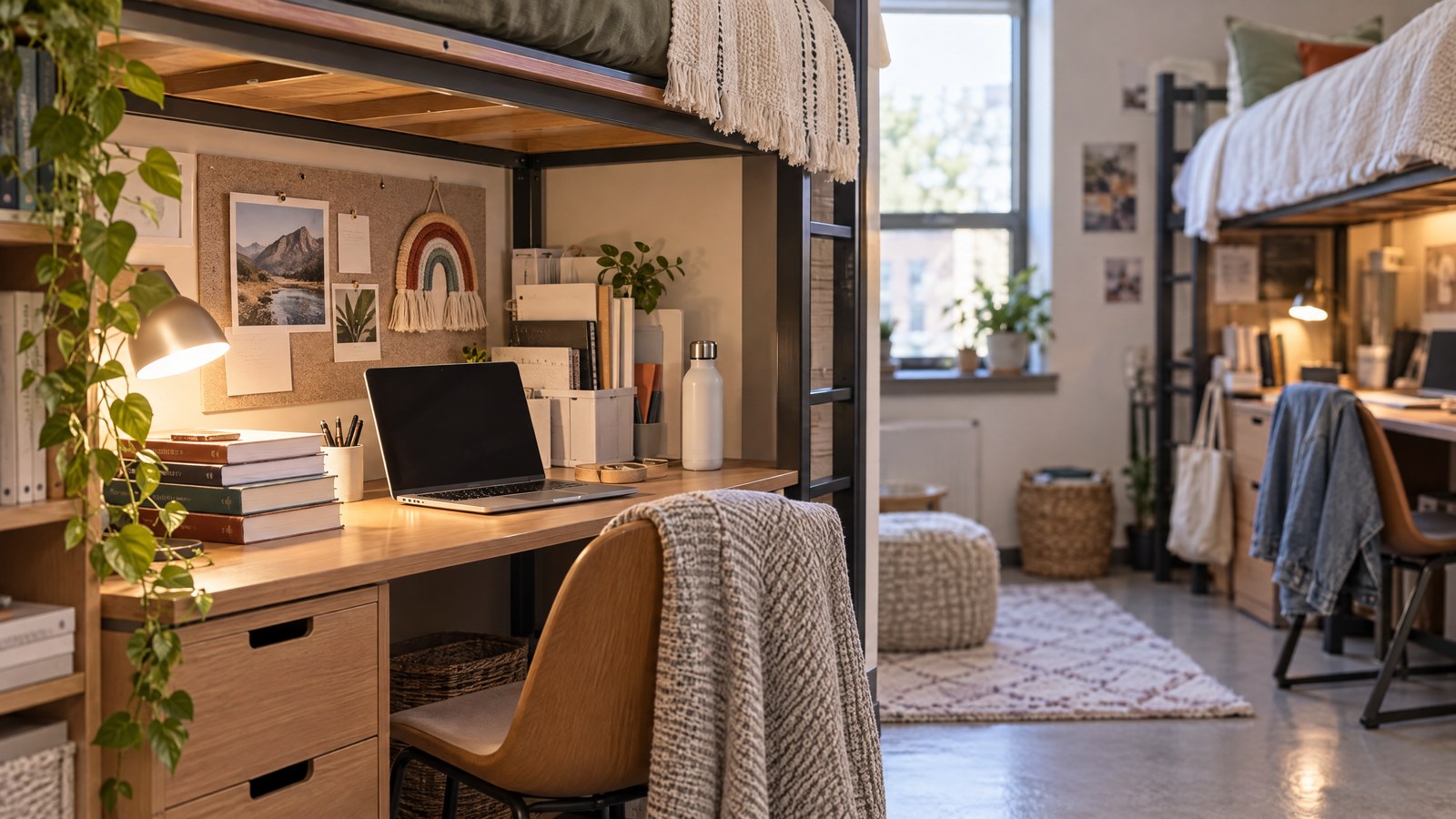
Living and studying in a shared dorm room calls for desk decor that’s both personal and considerate. You need a focused workspace on a tiny surface that respects your roommate’s routines and can adapt for quiet hours, guests, or move-out day. These dorm desk decor ideas are built around three priorities: maximize vertical and reversible storage, keep supplies organized and accessible, and maintain shared-room etiquette—so your setup is functional, neat, and easy to revert when the semester ends.
Below are practical, style-forward tactics that work whether you share a room with one roommate or several. Expect actionable layouts, product-aware suggestions, and ready-to-execute styling tips that don’t require permanent changes to campus property.
Start with a roommate-friendly layout plan
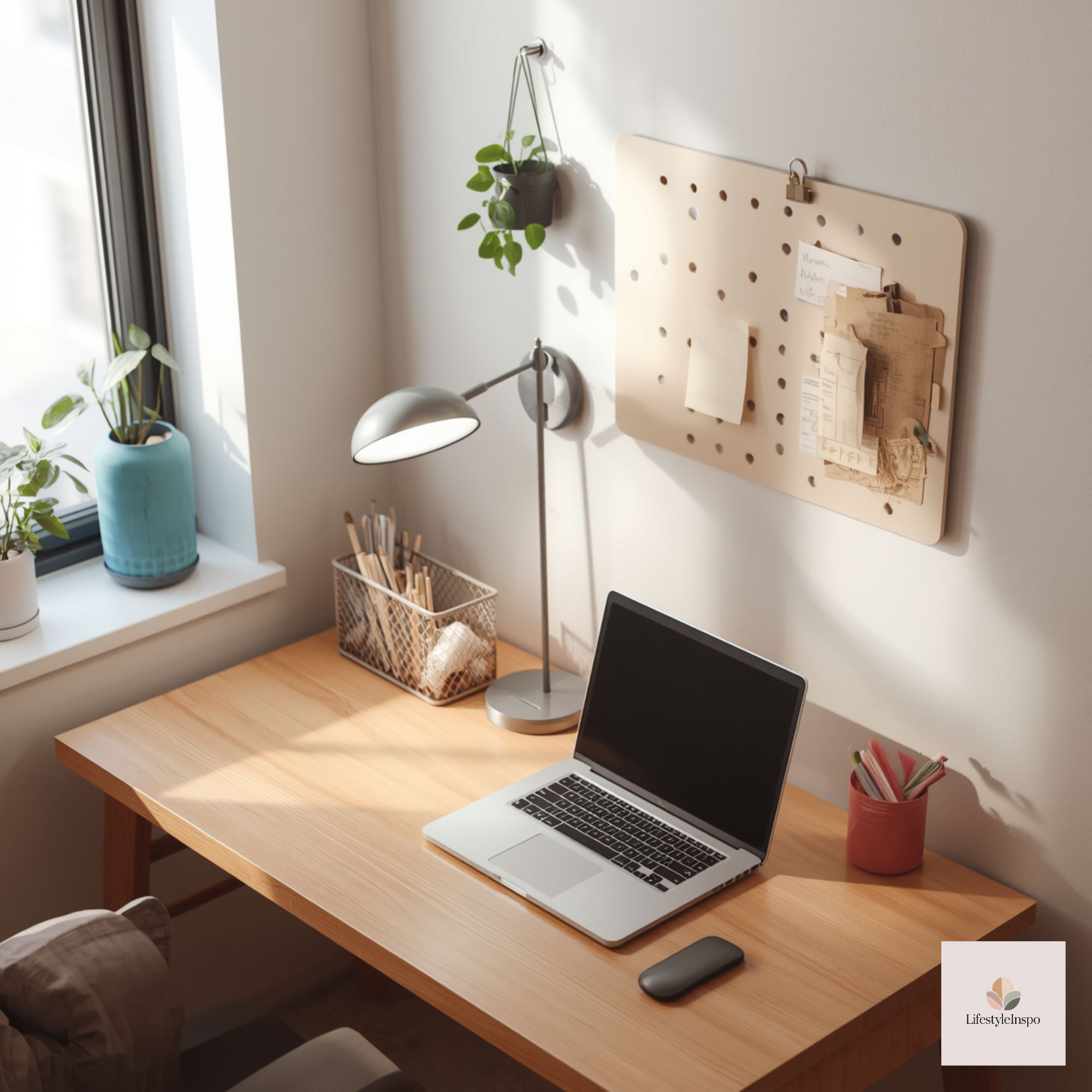
A small win for harmony and utility is planning before you buy. Sketch or measure your desk surface and nearby wall space. Decide together who needs priority hours (e.g., late-night study vs. early-morning classes) and allocate desktop space accordingly: one side for the primary workstation, the other for shared items like chargers, a small lamp, or a communal paper bin.
- Place the monitor or laptop near the middle-back of the desk and leave a 6–12″ clear zone in front for writing.
- If two people occasionally use the same desk, create clearly marked zones with a simple divider (a narrow fabric runner or lean-on shelf) to keep cords and supplies from drifting.
- Agree on quiet-hour items (headphones, dimmable light) so both roommates can quickly toggle into their preferred study mode.
Use vertical storage that hugs the wall, not the roommate’s space
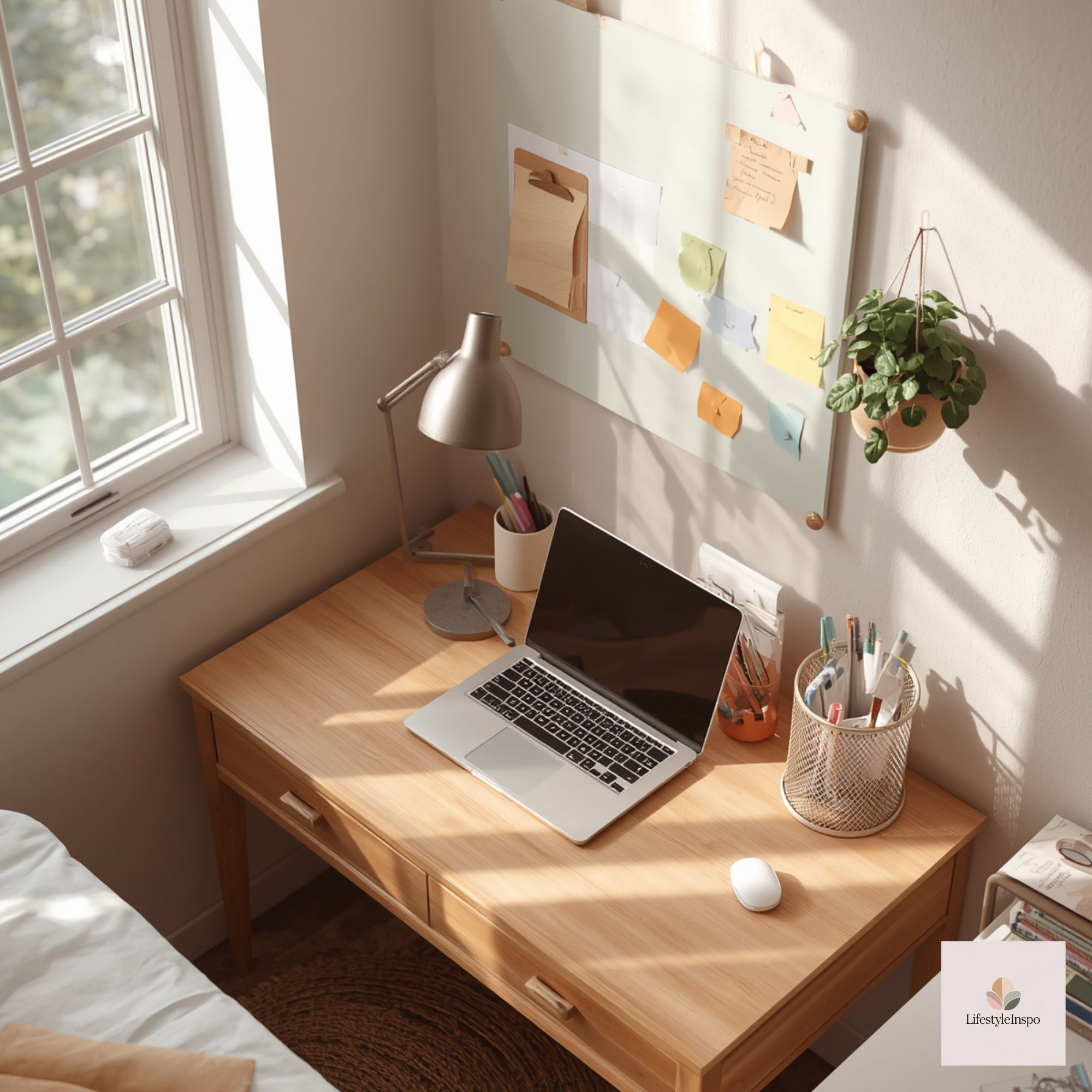
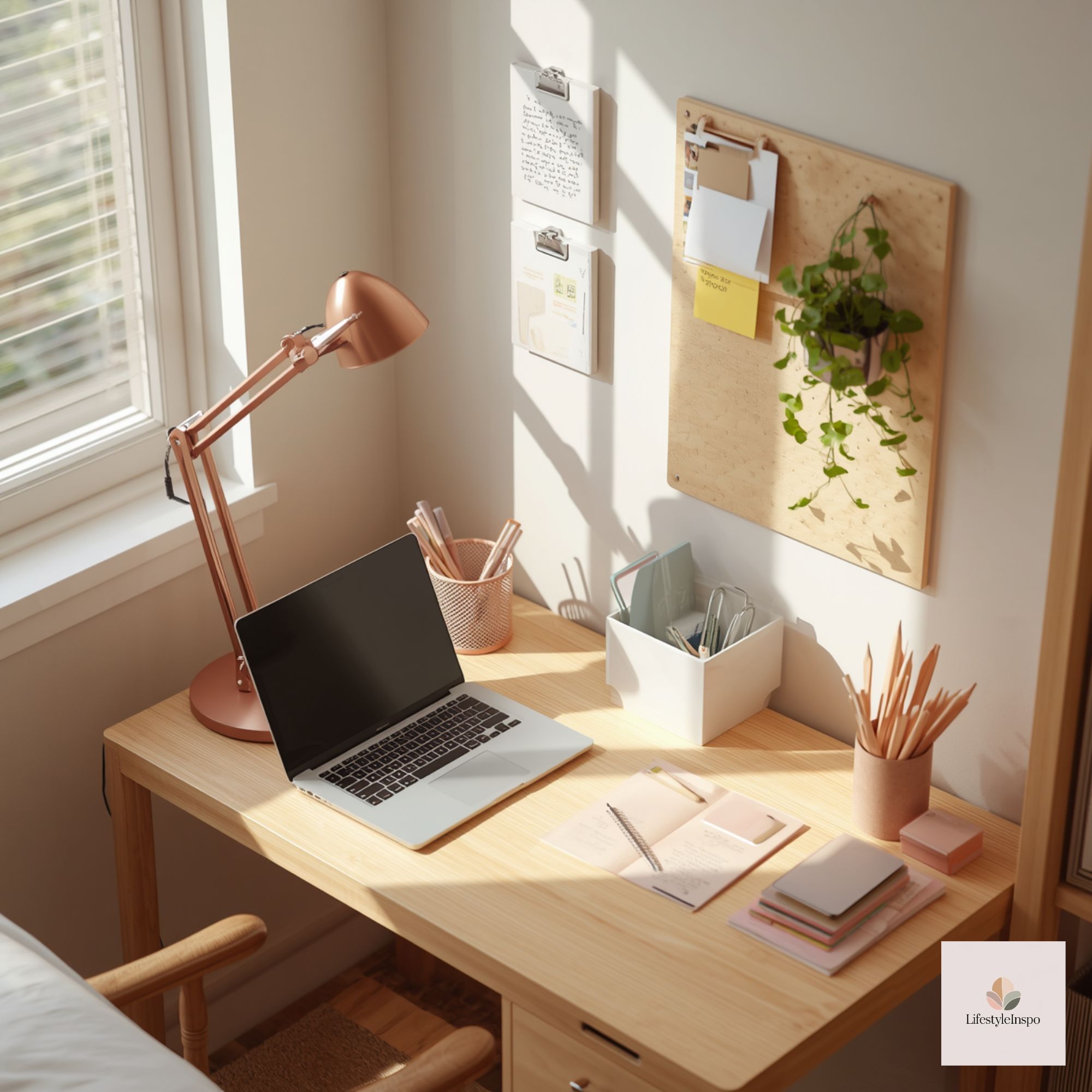
On a tiny surface, vertical is your best friend. Install non-damaging wall anchors, over-the-desk pegboards, or removable shelves to move bulk off the desktop.
- Open wall shelves: Keep frequently used binders, a small plant, and a pencil cup on eye-level shelves. Limit shelf depth to 6–8″ so nothing juts into shared walkways.
- Pegboards and wall grids: These hold clips for notes, a small magazine file for loose papers, and hooks for headphones or a tote. A pegboard is highly configurable—swap baskets and hooks as your semester schedule changes.
- Tiered desk organizers: A 2–3 tier acrylic or metal organizer elevates monitors or laptops while offering drawers for sticky notes, flashcards, and chargers.

If you want a quick style lift without printing or framing, consider using digital clip art backgrounds on a tablet or cheap digital photo frame as a rotating backdrop—the content is customizable and reversible. For digital-inspired color palettes, the Boho Rainbow Watercolor Backgrounds – Digital Paper Clip Art can provide soft, layered hues to replicate on screens or removable printouts (remind yourself to review usage terms before printing). Similarly, Blue Green Watercolor Backgrounds | Digital Paper Clip Art for Teachers & Students offers calm tones that can inspire your folder or binder color-coding systems—again, check the seller’s usage terms if you plan to reproduce files.
Boho Rainbow Watercolor Backgrounds – Digital Paper Clip Art
Keep the desktop intentionally minimal and task-focused
A tiny desk demands ruthless editing. Keep only current tasks on the desktop and stow the rest.
- Essentials-only tray: Use a small tray for pens, sticky notes, and a highlighter—everything else goes in a drawer or on the shelf.
- Portable caddies: A handle caddy can be carried to classes or tucked away when guests arrive.
- Multi-use tech: Swap out single-use gadgets for multipurpose tools (a lamp with a USB port; a slim power strip with surge protection). Choose a lamp with directional light so it can be aimed at your work without disturbing a sleeping roommate.
Design a quiet-hour-ready setup
Shared rooms require quick transitions between focused study and quiet hours. Design your desk to be instantly quiet-hour ready:
- Soft-close storage: Use lidded boxes or drawer organizers to muffle the sound of materials being put away. Fabric bins are quieter than metal tins.
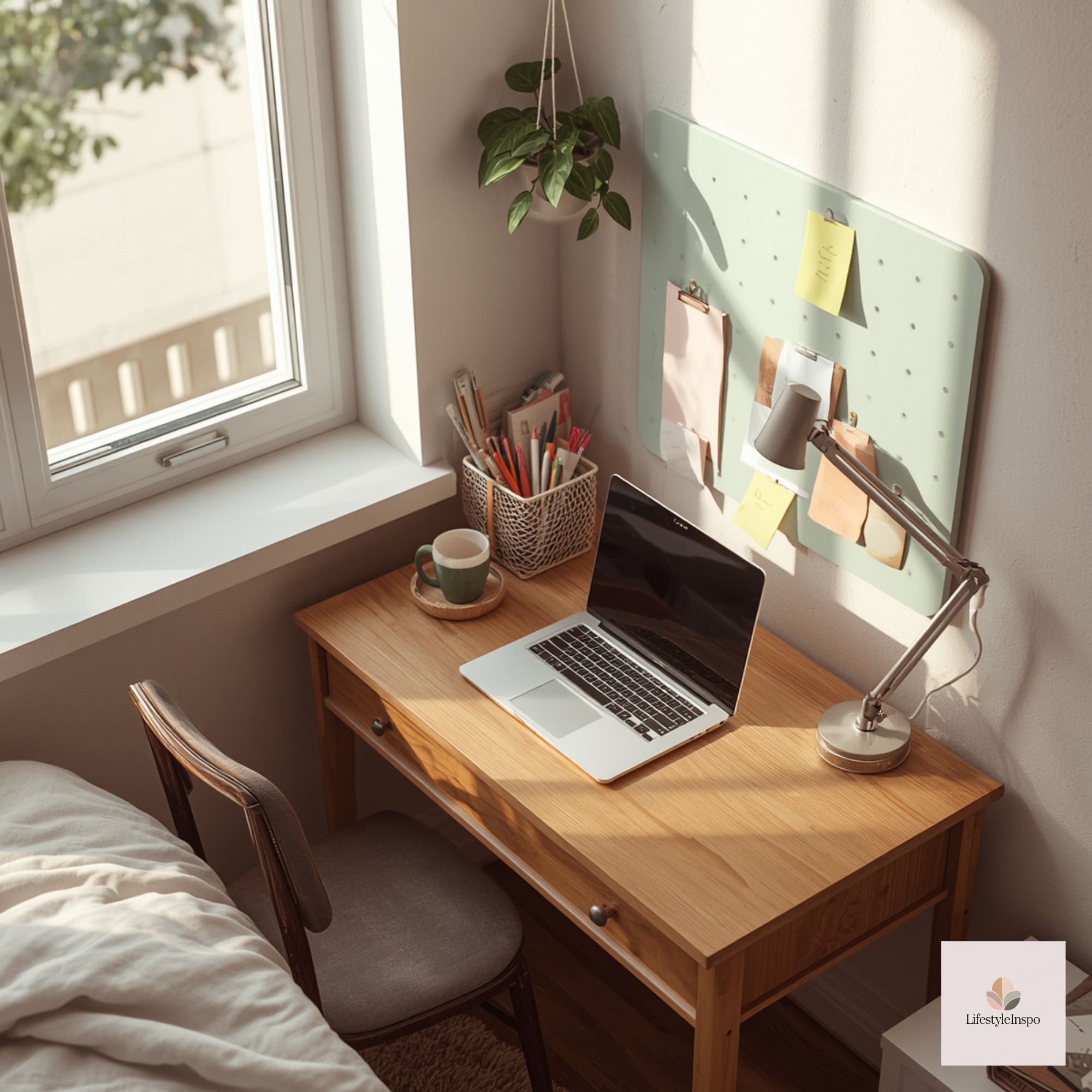
- Light zoning: Employ a clip-on lamp or small task lamp with dimming that you can point only at your work. A bar-style lamp that clamps to a shelf will illuminate your notes while keeping the rest of the room dim.
- Headphone hub: Keep noise-canceling or over-ear headphones on a dedicated hook. When quiet hours start, pop them on and switch to study playlists or focus ambient sound without asking for permission.
Make decor reversible and roommate-proof
Reversible decor respects roommate boundaries and simplifies move-out. Use removable hanging systems, command strips, and desktop accents that can be taken down in minutes.
- Reversible desk mats: Choose a double-sided desk mat with different prints on each side—switch to a plainer side during shared events or to show neutrality for roommate photo ops.
- Removable prints and clip art: If you want artwork, use lightweight clipboard frames or removable strips to hang printed pages that can be swapped quickly. Again, digital paper clip art like these Boho Rainbow Watercolor Backgrounds – Digital Paper Clip Art or Blue Green Watercolor Backgrounds | Digital Paper Clip Art for Teachers & Students provide color inspiration for temporary prints—always check the seller’s usage terms before printing or reproducing files.

- Neutral base + personal accents: Keep a neutral base (white or natural wood accessories) and layer small personal items—pins, a postcard, a single framed photo—on top. Those are easy to box up or remove if needed.
Blue Green Watercolor Backgrounds | Digital Paper Clip Art for Teachers & Students (PNG)
Organize school supplies by frequency and function
Sort supplies into “daily,” “weekly,” and “rarely” bins. That way, the items you actually use sit within arm’s reach, and everything else is neatly stored.
- Daily: Sticky notes, favorite pens, a small stapler, index cards. Keep them in a compact pen cup on the desk or in a top drawer organizer.
- Weekly: Charged notepads, extra notebooks, or specialty markers can live on a vertical shelf or in a labeled magazine file.
- Rarely: Spare cables, spare power bricks, old syllabi—store these under the bed or in a closet in clear, labeled containers.
Labeling promotes clarity when a roommate borrows something. A simple color-coded sticker system keeps shared items visible and returns more likely.
Build a study vibe without stealing space
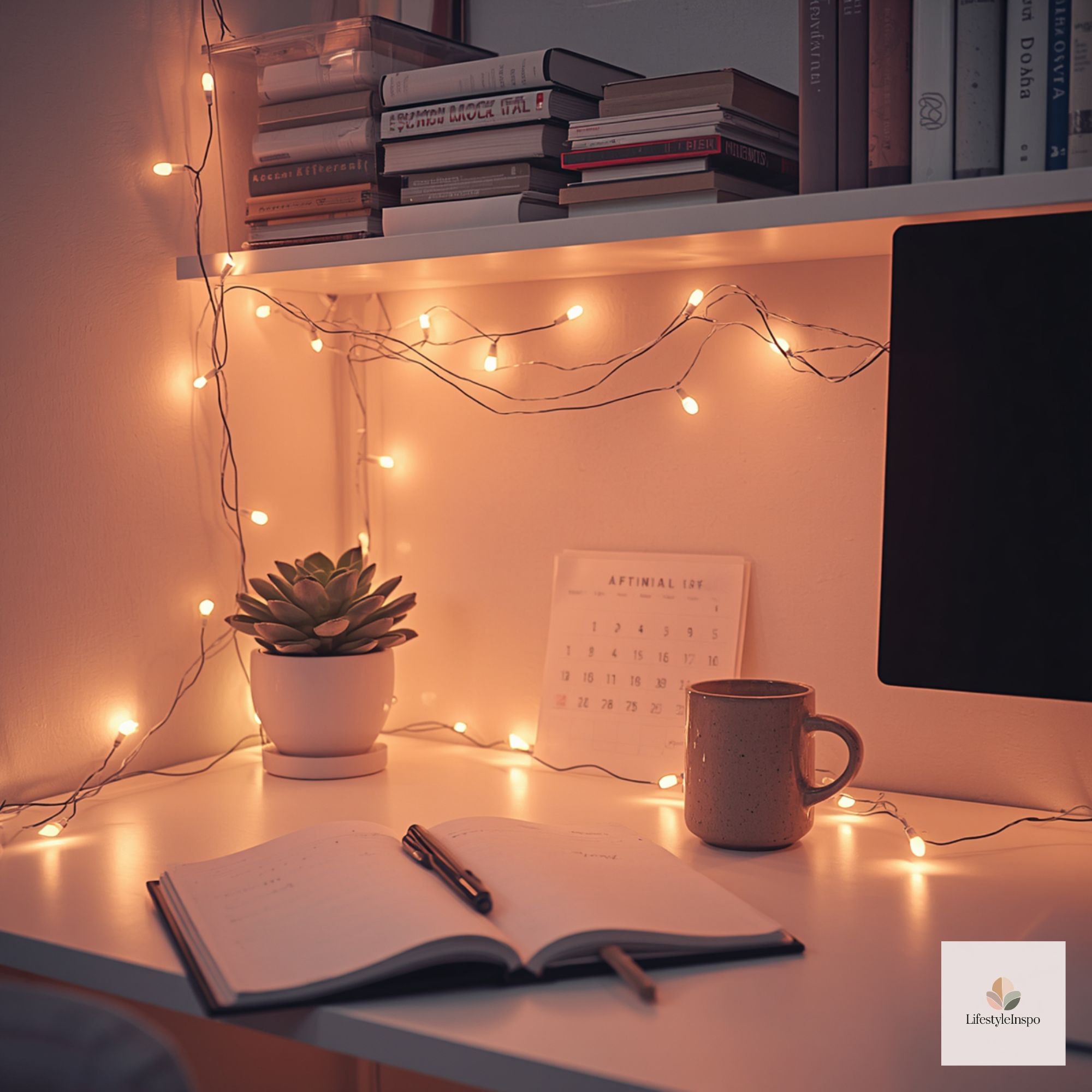
You don’t need bulky decor to create a workspace that feels like yours.
- Textures and textiles: A slim fabric desk runner, a felt pinboard, or a cork strip adds texture without taking space.
- Greenery: Go for a single, low-profile plant (succulent or pothos) on a wall shelf or a hanging planter. Plants add life without eating desk real estate.
- Acoustic panels: If noise is an issue, adhesive acoustic tiles double as pinboards and dampen sound. They’re reversible and add a tactile backdrop to your desk.

Light, color, and focus—use them intentionally
Color and lighting subtly influence how a desk feels. Use them sparingly and in a roommate-friendly way.
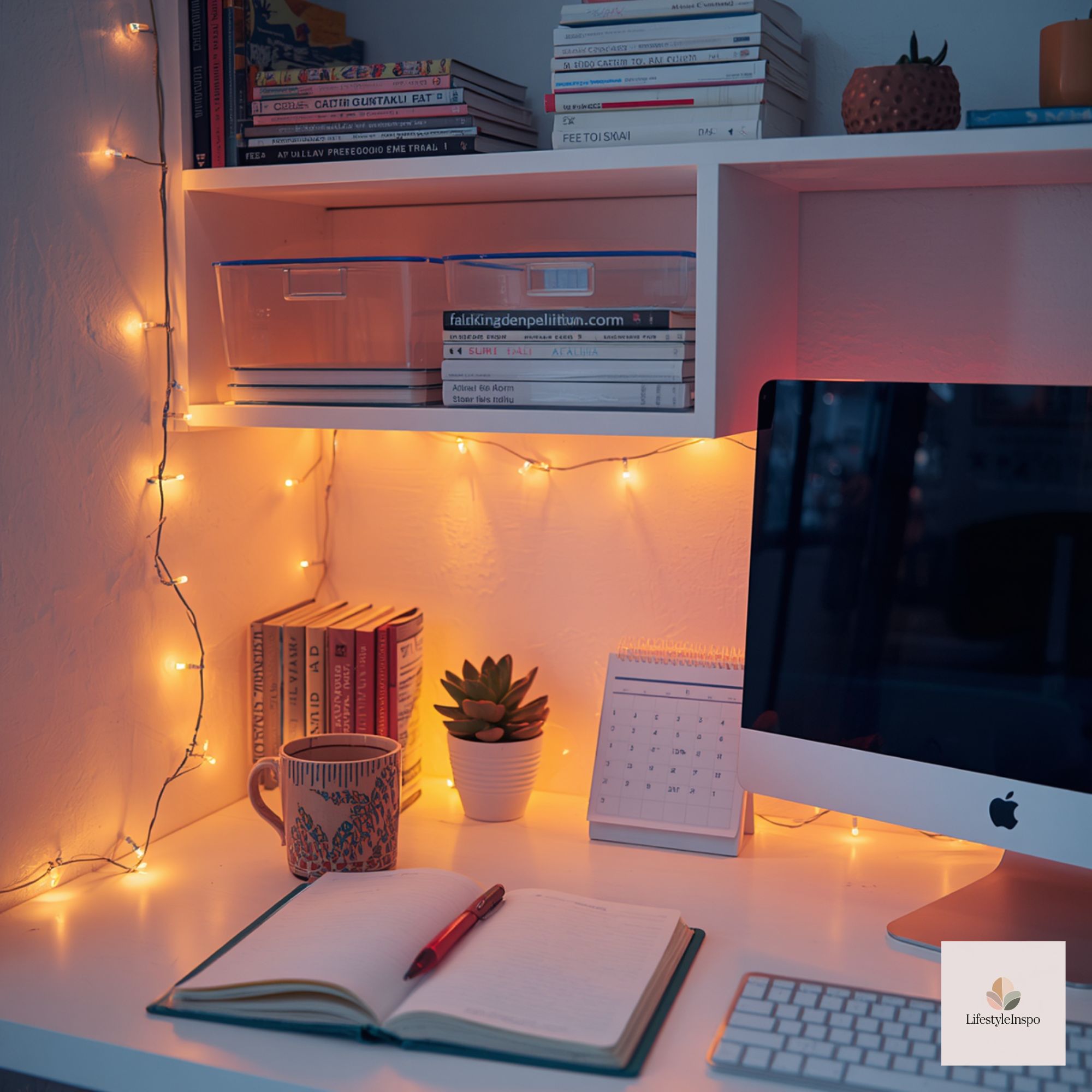
- Task-first lighting: A focused task lamp reduces spillover light. For late-night studying, warm LEDs under a shelf create a cozy glow without startling your roommate.
- Palette pockets: Limit color to two accents—your desk mat and one accessory—so the setup feels cohesive. You can draw palette inspiration from digital washes like the Blue Green Watercolor Backgrounds | Digital Paper Clip Art for Teachers & Students for calm, study-friendly tones. If you print any clip art for temporary display, always check usage terms first.
- Contrast for organization: Use a contrasting color for your to-do tab or calendar printout so it’s easy to find at a glance.
Quick setups for guests, presentations, and move-out
Shared rooms change—guests, presentations, RA inspections, move-out. Plan for rapid resets.
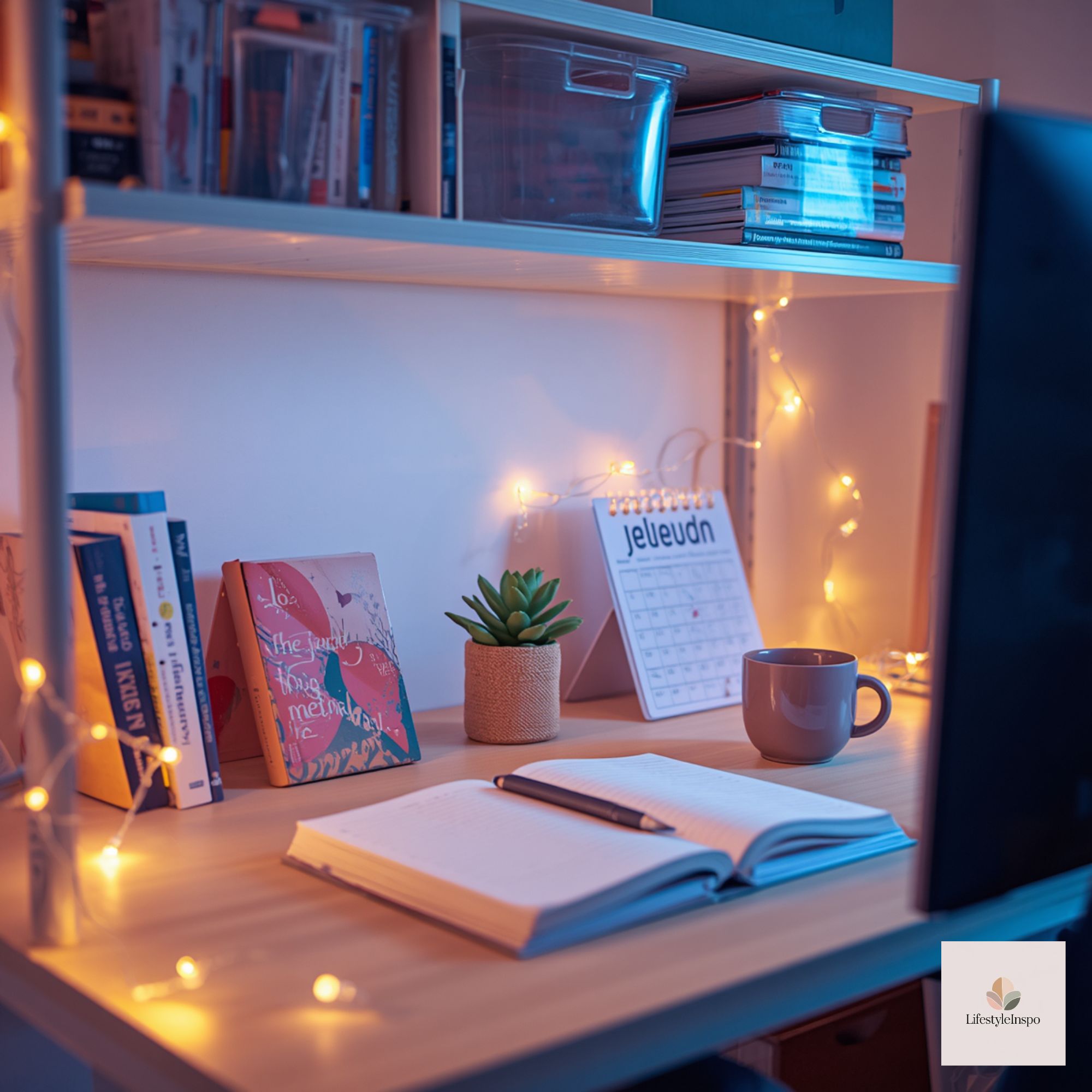
- Stackable containers: Keep a few lightweight boxes under the bed. In two minutes you can clear the desk and stack the boxes, leaving a neutral surface.
- Fold-away items: A compact lap desk, foldable monitor stand, and a roll-up keyboard can free surface area immediately.
- Digital-first portfolios: Keep important artwork or papers scanned to a cloud folder so you don’t need to display physical copies. If you want a temporary printed piece for a presentation, use digital clip art as inspiration and verify the file’s usage terms before printing.
Conclusion
In a shared dorm, desk decor needs to be flexible, considerate, and clever. Prioritize vertical solutions, keep the desktop task-focused, and use reversible accents that can be removed in minutes. Small choices—like a mute-friendly storage system, a dimmable task lamp, and a color-inspired digital printout—add personality without creating friction between roommates. With a bit of planning and roommate buy-in, you can build a functional study zone that supports both concentration and coexistence.
About the Author





