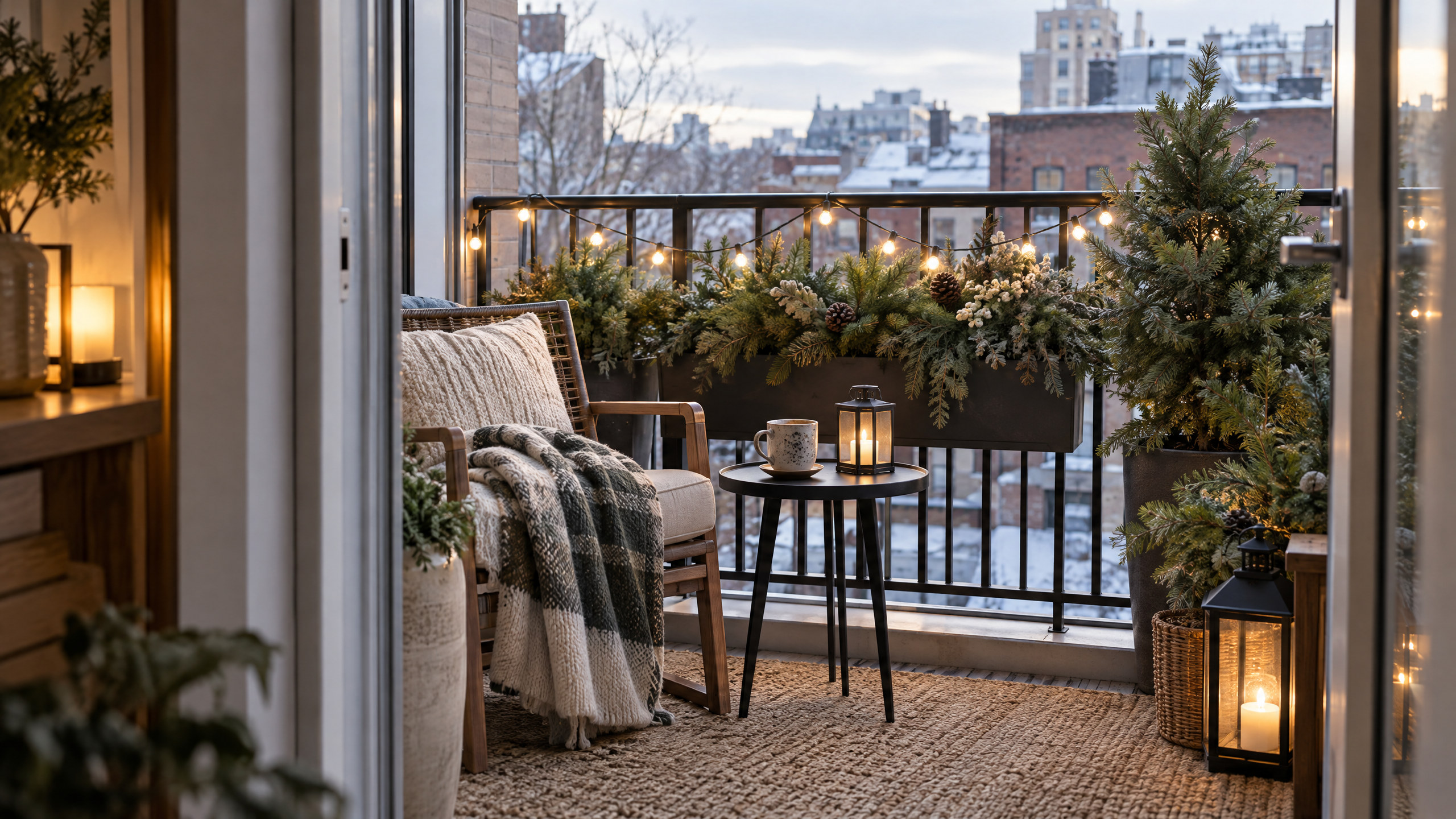
Winter Balcony Decorating for Cold Weather: Containers, Lighting, and Cozy Details
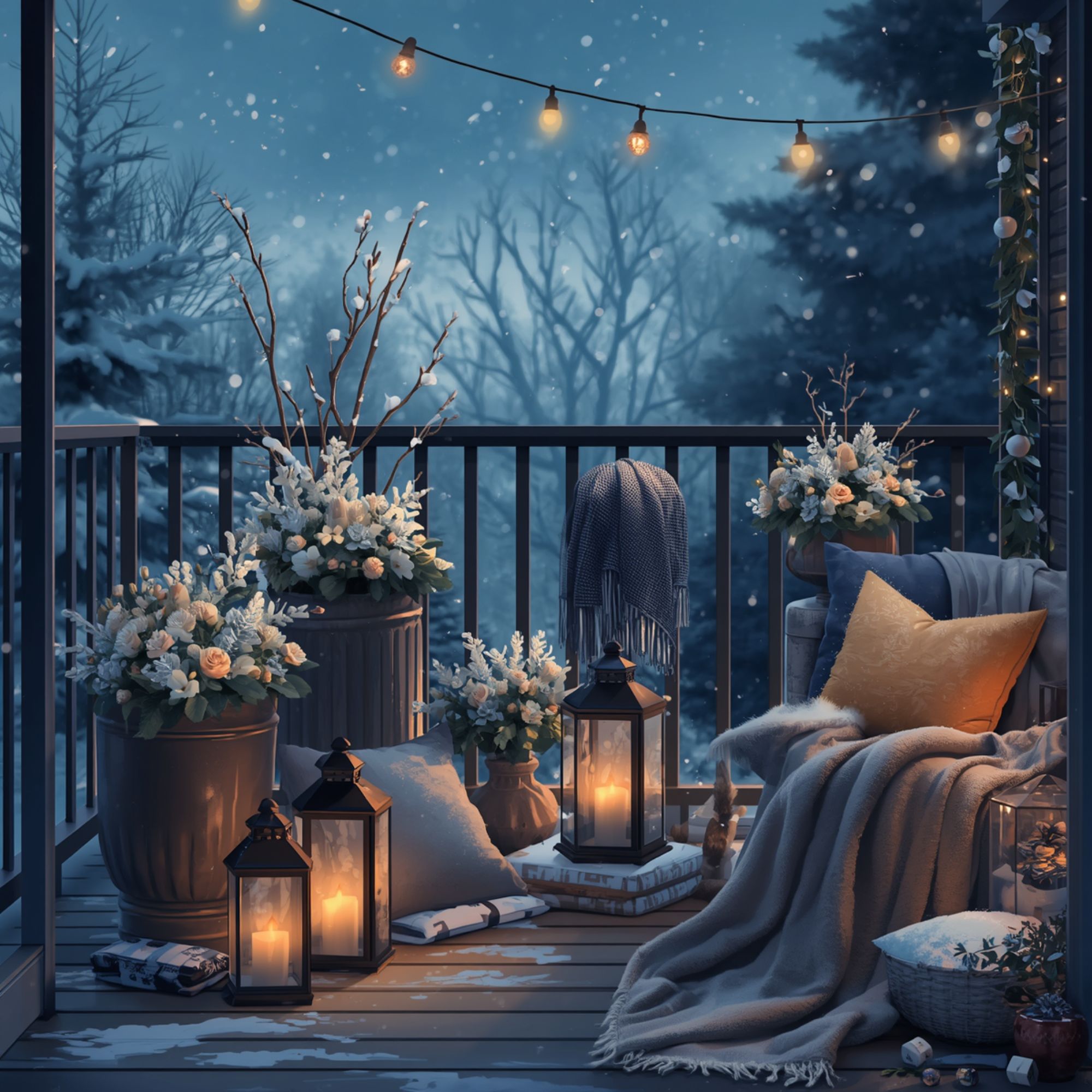
There’s a unique kind of calm that comes with a snow-tipped railing and a balcony that’s quiet but not barren. If your outdoor space is small, exposed, or rented, winter styling needs to be realistic: durable choices, fewer delicate pieces, and systems that survive wind, frost, and the occasional frantic sweep of salt or sleet. This guide gives small‑balcony winter decor ideas that prioritize container strength, plant-selection principles (without hardiness promises), wind‑aware textiles, renter‑safe lighting, and a clear plan for what should stay out and what should come inside.
Start with a quick climate and exposure check
Before shopping, map your balcony’s realities. Is it north-facing and shady, or a suntrap that reflects heat off nearby glass? How often does wind funnel through? Do you get driving rain, or is snowfall the main concern? Small balconies often have microclimates—heat from exterior walls, protection from neighboring structures, or channels that amplify wind. Note any outlets or shared building rules about lights, open flames, and mounted hooks.
This step is about expectations, not limitations. If you live where temperatures dip below freezing, assume delicate linens and thin ceramics won’t enjoy winter outside. For plant protection, ask a local nursery about options for your climate and balcony exposure; avoid adding materials or structures that conflict with building rules or obstruct drainage.
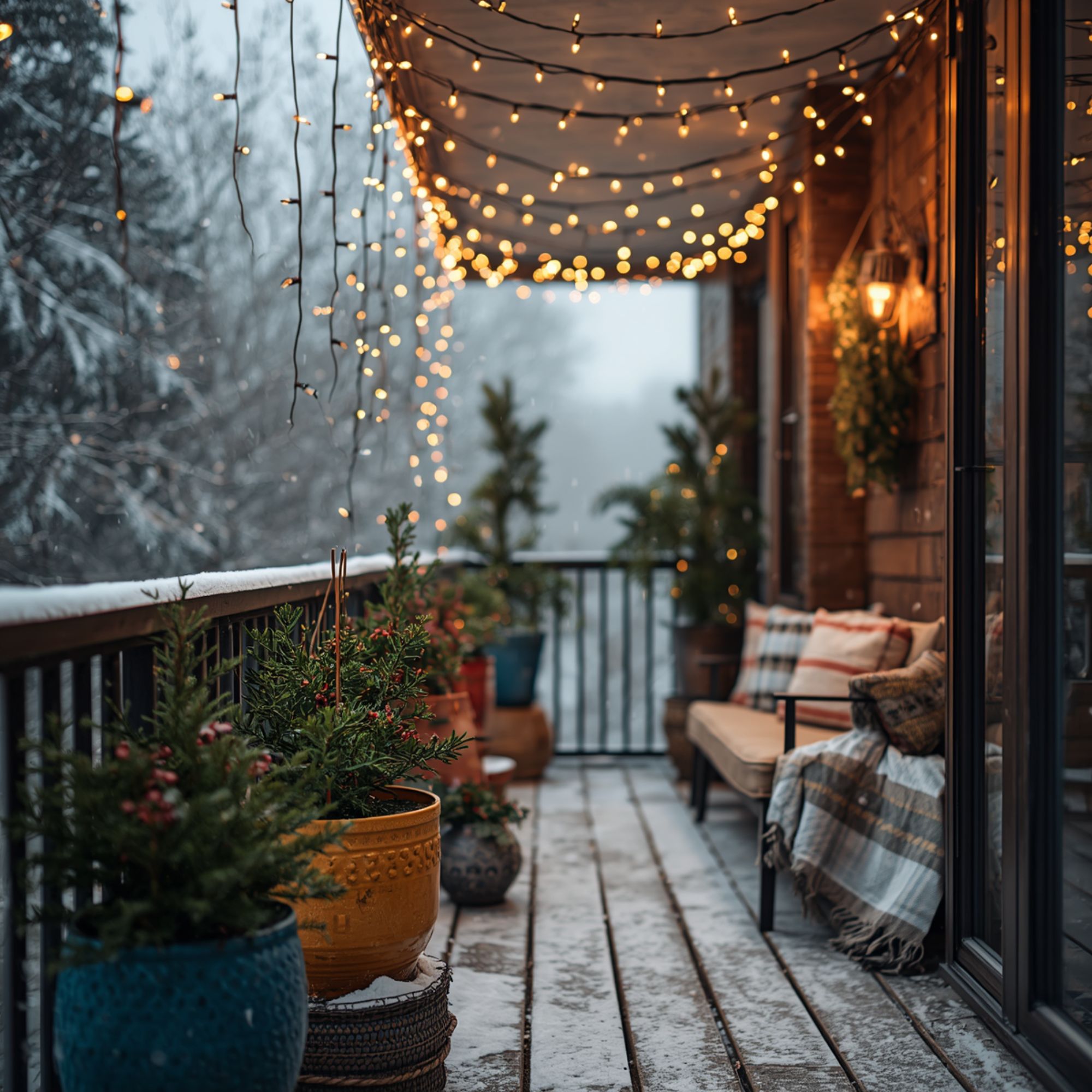
Choose sturdy, smart containers
Containers are the backbone of winter balcony decor. Look for options that balance weight, drainage, and resilience.
- Materials to consider: thick-walled resin and rotomolded plastic are lightweight and crack-resistant; high-fired ceramic feels substantial but can fracture if water inside freezes—so pair it with a plastic liner or lift it off the floor. Metal containers read modern but can chill roots rapidly; adding an insulating liner helps.
- Design details: raised feet or pot feet lift containers off cold concrete and improve drainage. Double-potting—placing a functional, frost-susceptible pot inside a sturdier outer shell—lets you swap plants indoors without replanting.
- Placement: anchor heavier, taller containers near the building side for wind protection and to keep them from becoming projectiles. Do not hang or fasten heavy planters to a railing unless the building and planter manufacturers explicitly permit that exact installation. Respect posted balcony load limits, keep objects secure against wind, and follow building/rental rules.
Practical tradeoff: heavy stone or concrete pots resist tipping but are hard to move for snow clearing. Lightweight plastic can blow in a gale unless tied down. Pick the compromise that matches your maintenance willingness.
Plant selection principles for winter balconies
This is about strategy rather than a list of guaranteed survivors. Instead of promising specific species by hardiness zone, use principles that fit small, windy, or shallow-soil balconies.
- Prioritize structure: evergreen shrubs, conifer shapes, or sculptural stems give winter interest long after flowers fade. Think form and texture—needled greens, compact mounds, and upright architectural elements.
- Favor low‑maintenance root systems: choose plants suited to container life—those with smaller, denser rootballs that tolerate limited soil volumes and intermittent watering.
- Seasonal layering: combine a backbone of durable, slow‑changing plants with changeable pops—winter pansies, heathers, or forced bulbs. These interchangeable pieces are the ones you’ll protect or replace seasonally.
- Wind and salt tolerance: use thicker, tougher leaves and flexible stems that shed snow; avoid flimsy, papery foliage that will shred. In coastal or high-salt areas, prioritize salt-tolerant choices or physically shield planters.
- Watering principle: containers dry out faster in winter than beds. Check moisture but reduce frequency—overwatering in cold weather is a common pitfall.
Always cross‑check plant choices against local conditions and nursery advice. Nurseries can recommend varieties that tend to perform well in containers in your region.
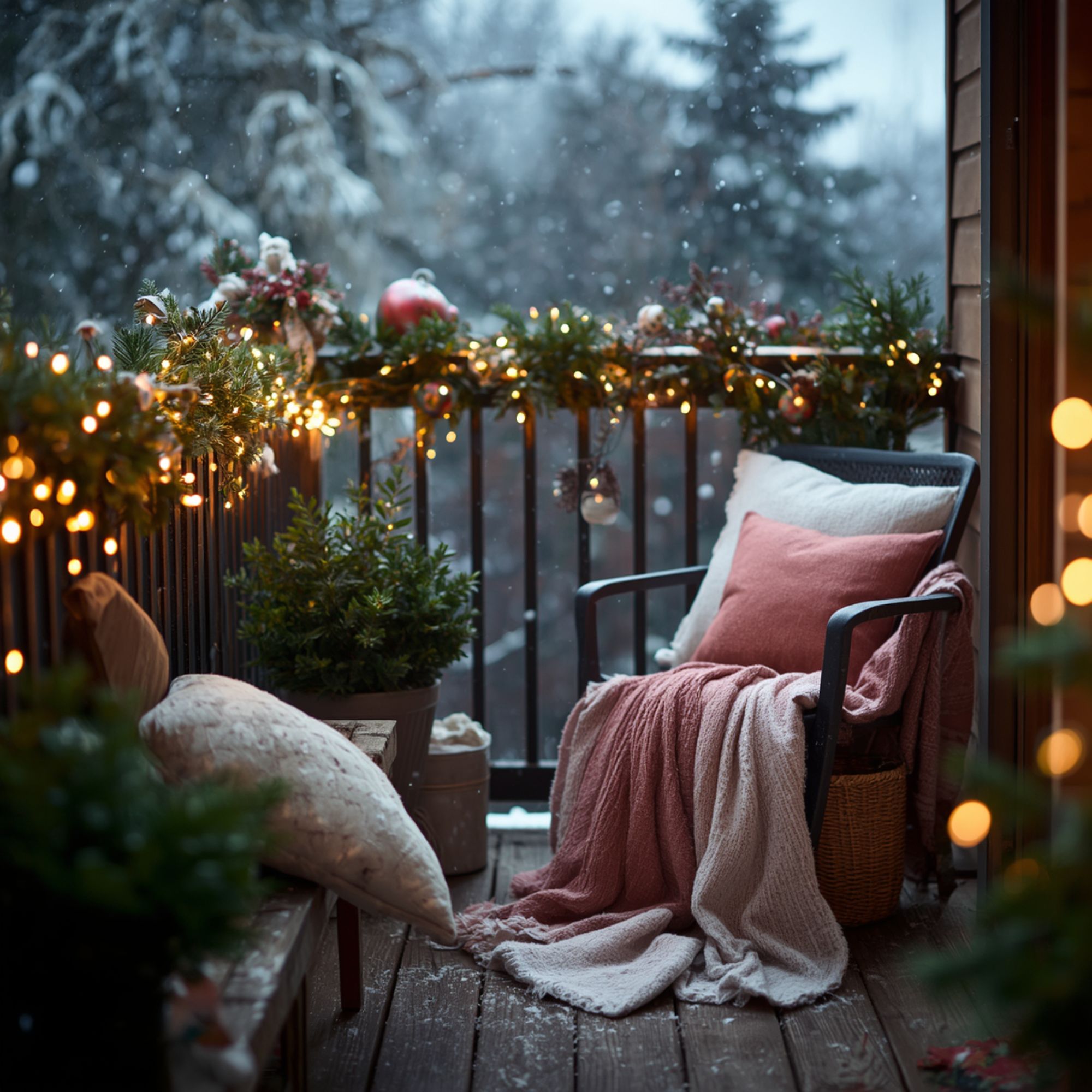
Wind‑aware textiles and cozy details
Textiles bring warmth and softness, but wind changes the rules. Choose fabrics and placement with gusts in mind.
- Material and construction: pick outdoor-rated fabrics when possible—tightly woven acrylics or coated weaves shed moisture and resist pilling. If you can’t install outdoor-grade items, keep indoor throws on hand and only use them briefly outdoors.
- Fastening and weight: lightweight cushions can become airborne. Use cushions with ties that loop around the railing, or place them inside heavy planters when unattended. Weighted edges and non-slip rug pads keep small outdoor rugs from flipping.
- Layering strategy: think of textiles like temporary clothing—an outdoor rug for underfoot, a waterproof mat near the door, and a small stack of throws stored inside that you bring out for short stints. Avoid leaving foam‑filled cushions exposed overnight.
- Visual texture: weave in natural elements—twigs, evergreen clippings, or a sculptural basket—to add warmth without relying solely on fabric.
Tradeoff note: outdoor fabrics last longer but cost more. For renters or tight budgets, rotate indoor textiles briefly for use on clear, calm days, and always bring them inside after sunset or if rain is forecast.
Renter‑safe lighting and power‑free ambiance
Lighting transforms a small balcony after dark, but in winter you want solutions that are safe, code-friendly, and easy to remove.
- Battery and solar LED options: battery-powered LED string lights and lanterns are the simplest renter-safe choices—no wiring, no drilling, and no permanent fixtures. Choose warm white LEDs for a cozy glow.
- Clip-on and rail-mounted fixtures: use clamp lanterns or hookless rails designed for balcony edges. Command-style outdoor hooks can work on smooth surfaces if rated for exterior use—verify weight limits and remove them carefully when leaving.
- Plug-in options: if you have an outdoor outlet, consider low-voltage plug-in LED lights with properly rated cords. If a plug-in setup is used, have it comply with local electrical requirements and use only outdoor-rated equipment and a properly protected outlet; keep connections dry and follow product instructions. Ask a qualified electrician if uncertain.
- Flameless alternatives: flameless candles and LED lanterns offer candlelike ambiance without open flame risks. Avoid open flames on balconies unless the building rules and local requirements explicitly allow them; flameless lighting is the simpler seasonal choice.
A good rule: make lighting that can be taken down in five minutes. Unplug, collect, and stow lights inside during heavy storms or when you leave town.
Weather exposure, protecting delicate items, and quick‑grab moves
No matter how careful you are, winter weather changes fast. Create a routine for what stays and what goes.
- Keep delicate items indoors: paper art, thin ceramics, natural-fiber pillows, and most electronics should come in at night and during precipitation. Consider hanging a decorative print on the inside of your balcony door where you can see it from outside instead of exposing it to the elements.
- A staging area near your door: keep a small bin with ties, clips, extra twine, and a weatherproof tarp. When a storm warning hits, you’ll be able to secure planters and stow cushions in minutes.
- Snow care: don’t use salt directly in planters—it can damage roots and soil. Sweep snow rather than shoveling it into containers; gently lift heavy accumulation off branches to avoid breaking stems.
- Quick protection tricks: burlap wraps, bubble wrap liners, and temporary cloches can protect roots and sensitive foliage for short periods. Use breathable materials when possible—plants need air.
If you use any protective covers or lighting with manufacturer instructions, keep those on hand and follow them. When pets or children are in the household, prioritize items that can’t be ingested or knocked over.
A simple plan and shopping checklist
Make winter balcony work feel manageable with a plan and a concise shopping list. Here’s a starter layout and what to buy.
- Baseline plan: one sturdy planter with an evergreen backbone (center or near the wall), two smaller containers for seasonal swaps, three battery lanterns or a string of LED lights, one outdoor‑rated rug or runner, and a small storage crate inside the door for textiles and clips.
- Shopping checklist:
- Two to three durable containers (one heavy or secured for wind)
- Potting mix designed for containers and slow-release fertilizer
- A few structural plants plus interchangeable seasonal pots
- Battery or solar LED lights and flameless candles
- Outdoor fabric cushion or indoor throws kept for short outings
- Quick-attach ties, a tarp, and a storage bin
Keep expectations modest: the goal is a welcoming, usable balcony—not a weatherproofed room. Rotate delicate decor seasonally and let the balcony’s real purpose—fresh air and a winter moment—guide choices.
Viewing indoor digital art through your balcony door
If you crave seasonal imagery, consider digital art displayed inside where it’s safe. Digital Christmas background PNGs can add a festive scene to your window or glass door—viewable from the balcony but protected from weather. This is a digital product intended for creative digital or print use; verify any licensing before printing or reusing the file. One such resource is available here: Christmas Background Scenes.

Use a tablet or a framed print on the inside of the glass to create a warm visual without exposing paper or electronics to damp winter air. This keeps the balcony feeling curated but avoids potential winter damage.
Final thought: winter doesn’t mean a barren balcony. With sturdy containers, a few reliable plant principles, wind-aware textiles, renter-safe lighting, and a small plan for removing delicate items, your tiny outdoor space can be a restful winter room without becoming a maintenance headache. Treat the balcony like a seasonal vignette—bold structural pieces outside, changeable accents and art inside—and you’ll enjoy snaps of fresh air all winter.
Frequently Asked Questions
Can I keep potted plants outside all winter?
Some containers and plants tolerate winter conditions better than others, but it depends on your balcony’s microclimate and the species. Use sturdy containers, ensure good drainage, and check moisture occasionally. Move sensitive plants indoors before severe freezes and follow nursery guidance for overwintering.
What lighting is safest for a rented balcony?
Battery-operated LEDs and solar string lights are the most renter-friendly—no drilling or permanent wiring. If you use hooks or clips, choose removable, rated products and verify weight limits. For plug-in lights, use outdoor-rated cords and protect connections from snow or puddles.
How do I prevent wind from wrecking cushions and small decor?
Secure cushions with ties or bungee cords, use heavier textiles or weighted edges, and store lightweight items indoors when not in use. Anchor planters and avoid leaving small, loose items unattended during windy forecasts.
About the Author





