Why Adult Coloring Is Having a Major Comeback (and How to Turn It Into Decor)
A few years ago, adult coloring books were everywhere — bookstore front tables stacked with intricate mandalas, everyone’s aunt getting one for Christmas, a brief but genuine cultural moment. Then it quietly faded, the way most “everyone’s doing it” trends eventually do.
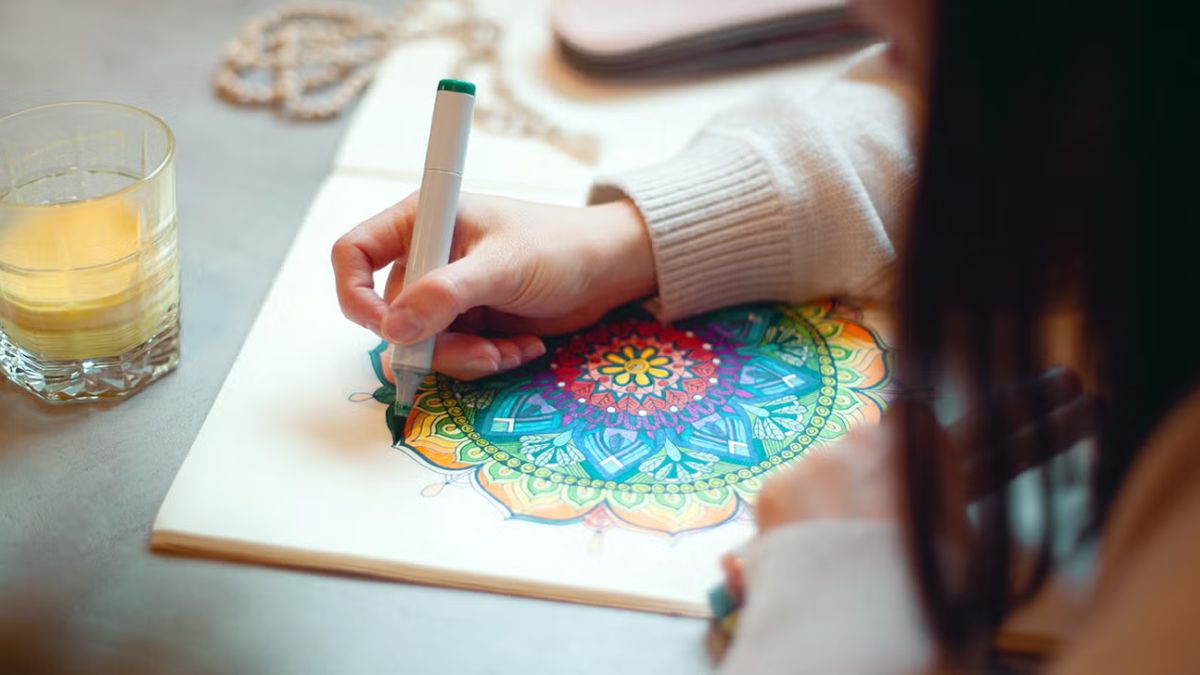
Except it never actually went away for the people who kept doing it. And now it’s back, quieter this time, less “gimmick” and more genuine ritual — the kind of hobby people reach for specifically because it doesn’t involve a screen, doesn’t require a skill level, and gives their hands something to do while their mind gets a break it didn’t know it needed.
Here’s why it’s resonating again, and — because a finished page is honestly too pretty to shove in a drawer — how to actually turn your coloring practice into decor worth displaying.
Why This Hobby Keeps Coming Back
The appeal of adult coloring isn’t complicated, but it is easy to underestimate. Repetitive, low-stakes creative tasks — the kind where there’s no “wrong” answer and no real risk of failure — have a genuinely calming effect on an overstimulated nervous system. You’re not trying to create a masterpiece. You’re just filling in a shape with a color you like, and then another one, and another.
It’s also one of the few screen-free activities that still feels current rather than old-fashioned, which matters more than people admit. Journaling can feel like homework. Meditation apps can feel like one more notification. Coloring asks almost nothing of you except fifteen quiet minutes and a pencil.
It Works Especially Well for Intricate, Pattern-Based Designs
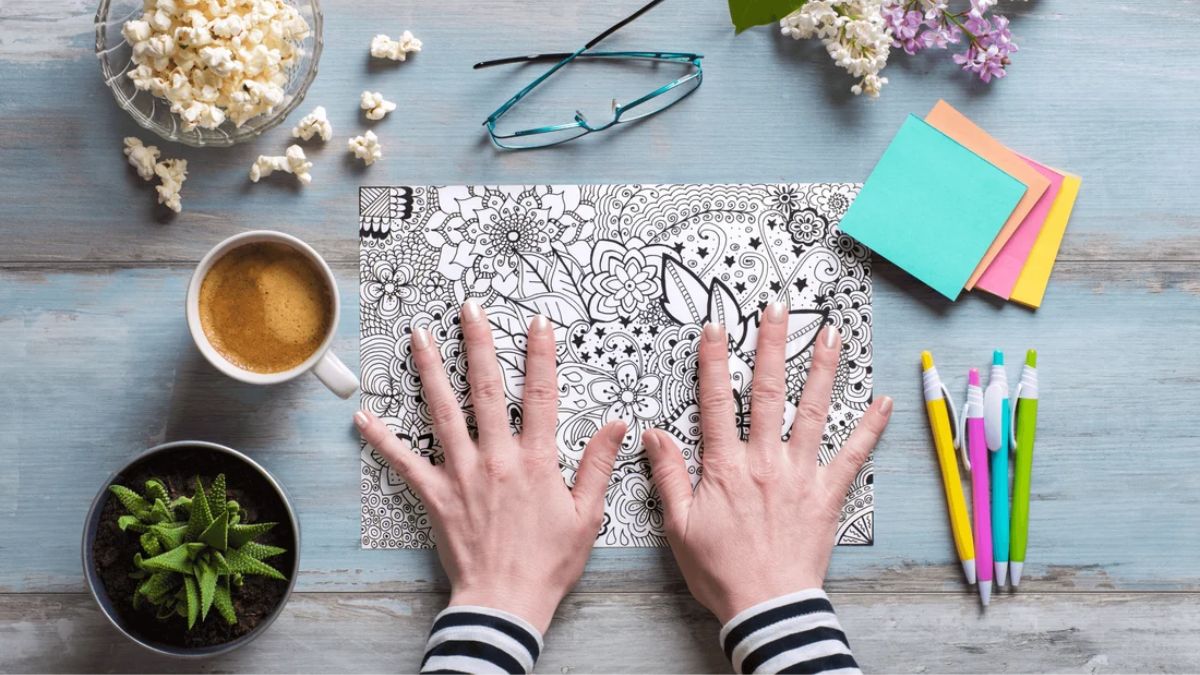
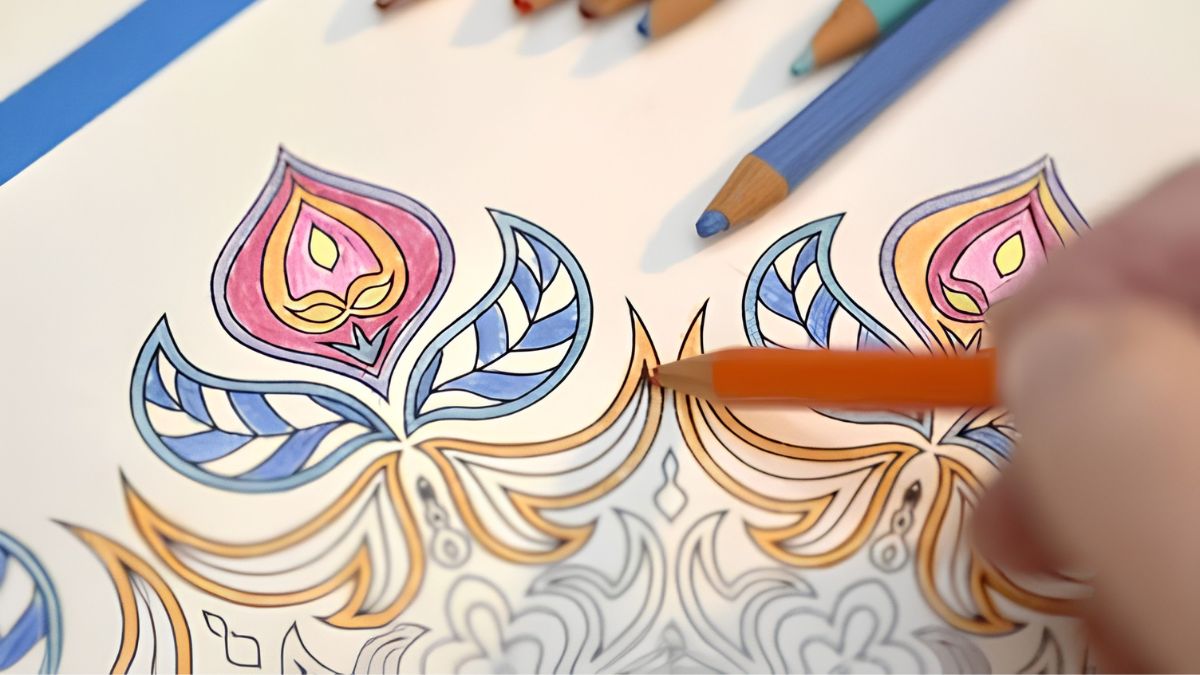
Not all coloring pages hit the same meditative note. The ones that tend to become an actual practice — something people return to again and again — usually involve intricate, repetitive patterns rather than big simple shapes. The repetition is the point; it’s what lets your mind settle into something closer to a moving meditation.
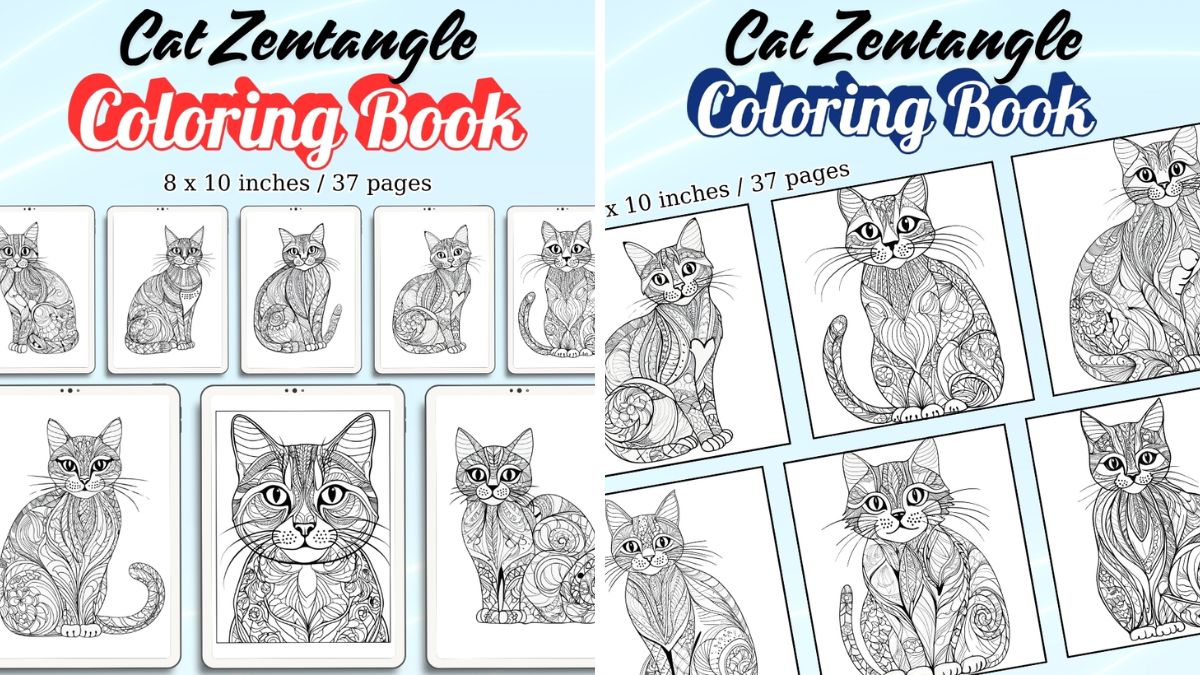
The Cat Zentangle Coloring Pages set is a great example of this style done well — feline silhouettes layered with intricate mandala and tribal-inspired patterns that give you plenty of small, satisfying sections to work through slowly, one color at a time.
Choose Pages With a Softer, More Romantic Subject for Longer Sessions
If your goal is genuinely relaxing over a full evening rather than a quick fifteen-minute break, look for pages with a bit more emotional warmth to them — something that feels nice to sit with for a while, not just visually busy.
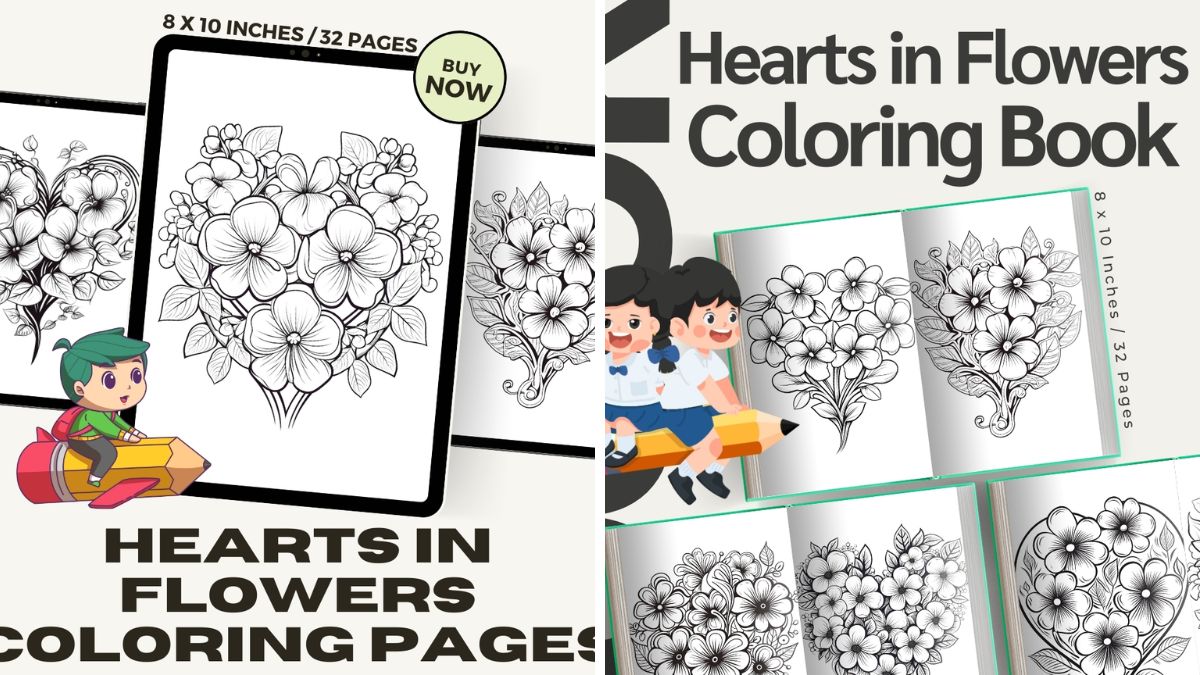
The Hearts in Flowers Coloring Pages collection is a lovely choice here, blending delicate florals with soft heart motifs — the kind of page that rewards a slower, more attentive coloring session with colored pencils rather than a quick pass with markers.
Why It’s Becoming Decor, Not Just a Hobby
Here’s the shift that’s actually new this time around: people aren’t just filing their finished pages away in a binder. They’re framing them. A well-colored page — especially one with an intricate, pattern-heavy design — genuinely holds up as wall art, and it comes with a story most store-bought prints can’t match: I made this, slowly, on purpose, during a season when I needed something to do with my hands.
How to Actually Display Your Finished Pages
A finished coloring page deserves a little more consideration than a magnet on the fridge if you’re planning to keep it long-term. A simple frame with a mat around the edges instantly elevates it from “craft project” to “intentional art piece” — the mat gives your eye a resting place before it hits the color, which is exactly what makes gallery-quality prints feel finished.
If you’re building a small collection over time, consider a uniform frame style across all of them, even if the subjects vary. It turns a scattered set of individual pages into a cohesive little gallery of your own work.
Make It a Low-Pressure Ritual, Not a Project
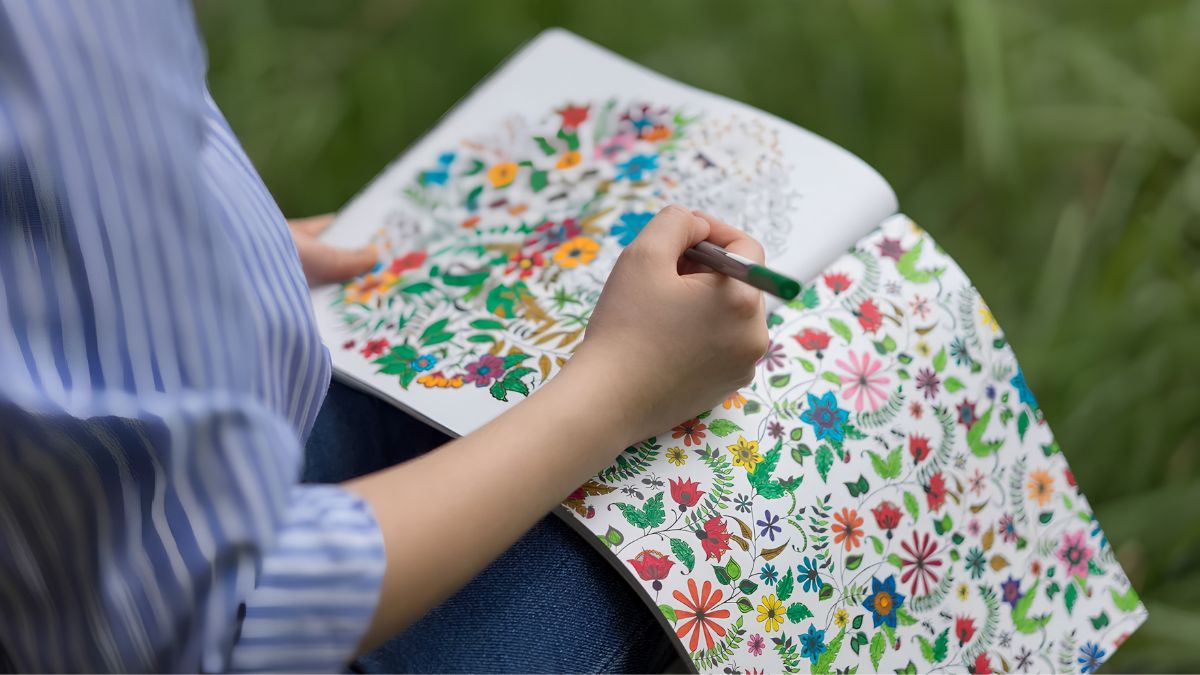
The moment coloring starts to feel like something you should finish, it stops doing the thing that made it appealing in the first place. Keep a page or two in progress at all times, somewhere visible and easy to pick up — a coffee table, a nightstand — and let yourself color for five minutes or fifty, depending entirely on the day. There’s no deadline, and there doesn’t need to be one.
Pair It With Something You’re Already Doing
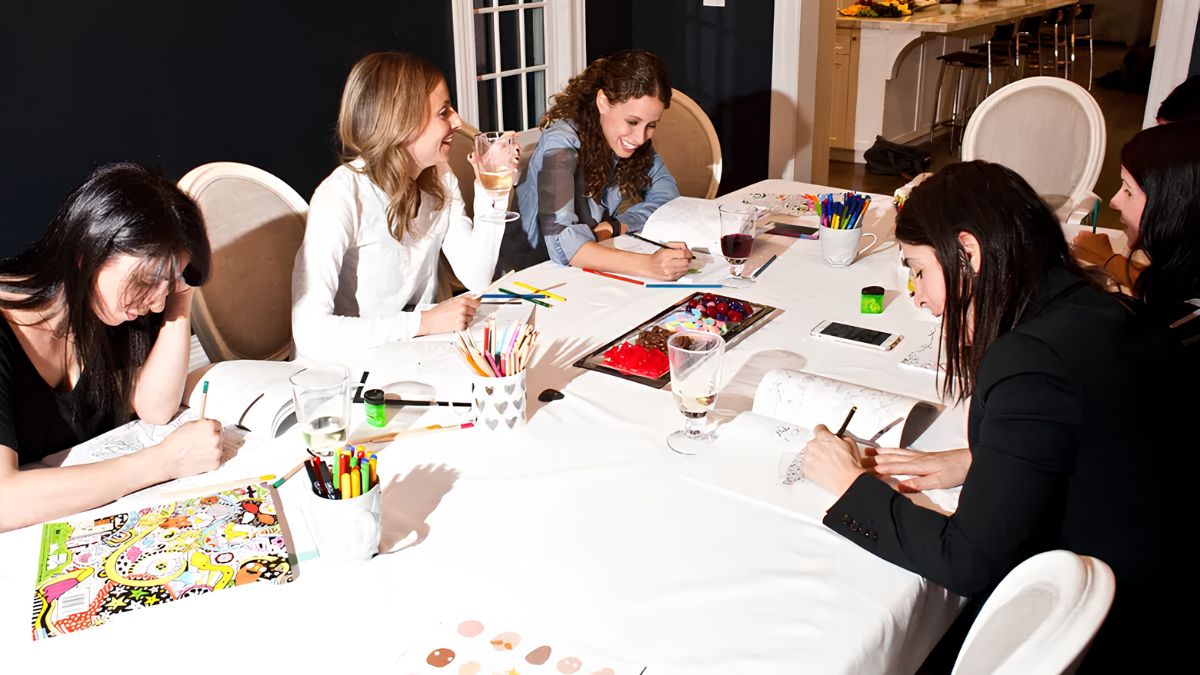
One of the easiest ways to build coloring into an actual routine is to attach it to something you already do regularly — coloring during a favorite podcast, during a phone call with a parent, during the last twenty minutes before bed instead of scrolling. It stops being “one more thing to fit in” and starts being a small, built-in pocket of calm inside a day you’re already living.
The Takeaway
Adult coloring’s comeback isn’t nostalgia — it’s a genuine response to how screen-heavy and high-stakes most of our downtime has quietly become. A few intricate pages, a simple frame for the ones you’re proud of, and a low-pressure attitude about the whole thing are all it takes to turn fifteen quiet minutes into both a real ritual and a piece of art worth hanging.
About the Author