Some weeks, you feel like yourself. Energy is steady, mood is even, sleep comes easily. Other weeks, it’s as if someone changed the settings overnight — you’re exhausted, snappy, craving everything, and wondering what’s going on.
If that sounds familiar, you’re far from alone. Conversations about hormone balance for women are everywhere right now, and for good reason: hormones influence energy, mood, sleep, appetite, skin, and so much more. Yet most of us were never taught how they work.
This guide offers a calm, practical starting point — eight everyday habits that support your body’s natural rhythms. A quick but important note first: this is general wellness information, not medical advice. If something feels off, a healthcare professional is always your best partner.
What Are Hormones, Really?
Hormones are chemical messengers made by your endocrine system. They travel through your bloodstream and tell your organs and tissues what to do — regulating things like metabolism, sleep, stress response, reproductive function, and mood.
Key players you’ll often hear about include:
- Estrogen and progesterone: involved in the menstrual cycle and reproductive health
- Cortisol: the body’s primary stress hormone
- Insulin: helps manage blood sugar
- Thyroid hormones: influence metabolism and energy
- Melatonin: supports your sleep-wake cycle
These messengers work as a network, not in isolation. When one is affected — by stress, sleep, nutrition, or life stage — others often respond. That’s why small lifestyle shifts can feel surprisingly powerful.
Signs You Might Want to Pay Closer Attention
Many things can cause the following experiences, and they don’t automatically mean a hormonal issue. But if they’re persistent or disruptive, they’re worth discussing with a doctor:
- Irregular, very painful, or heavy periods
- Ongoing fatigue that rest doesn’t fix
- Sleep difficulties
- Mood swings, anxiety, or low mood
- Changes in skin, hair, or weight that feel unexplained
- Difficulty concentrating (“brain fog”)
Tracking symptoms for a few weeks gives you — and your provider — much better information.

1. Prioritize Sleep Like Your Hormones Depend on It
Because they partly do. Sleep is when your body does a lot of its regulation and repair, and chronic short sleep can affect appetite, stress response, and mood.
Try this:
- Keep a consistent sleep and wake schedule
- Get natural light in the morning
- Dim lights and screens in the evening
- Keep your bedroom cool, dark, and quiet
- Limit caffeine in the afternoon
You don’t need a perfect routine — a more consistent one is a great place to start.
2. Eat for Steady Energy
Blood sugar swings can leave you tired, irritable, and craving sweets. Building balanced meals helps smooth things out.
A simple plate formula:
- Protein (eggs, fish, beans, tofu, chicken, Greek yogurt)
- Fiber-rich carbs (vegetables, fruit, oats, legumes, whole grains)
- Healthy fats (olive oil, avocado, nuts, seeds)
Eating regularly, and not skipping meals when you’re stressed, can help keep energy more even. And please skip the extreme diets — chronic under-eating is hard on your body and your mood. If you have specific health conditions or dietary needs, work with a registered dietitian or doctor.

3. Make Peace With Stress (As Much as You Can)
Stress isn’t just a feeling; it’s a physical response. When it’s constant, your body stays in “alert mode,” which can affect sleep, digestion, and mood.
You can’t eliminate stress, but you can build in release valves:
- Breathwork: try slow breathing for a few minutes
- Walks outside: gentle movement and fresh air
- Journaling: getting thoughts out of your head and onto paper
- Boundaries: protecting your time is a wellness practice
- Connection: talking with friends who make you feel safe
Think of these as daily deposits into your calm account.
4. Move in Ways That Feel Supportive
Exercise supports mood, sleep, and overall health — but more isn’t always better. Overly intense workouts combined with little rest can leave some women feeling drained.
Aim for a mix:
- Strength training for muscle and bone support
- Walking or light cardio for circulation and mood
- Yoga or stretching for relaxation and flexibility
- Rest days — truly, they’re part of the plan
Listen to your body. Some days call for a hard workout; other days call for a slow stroll.
5. Get to Know Your Cycle
If you menstruate, your cycle offers helpful information. Many women notice shifts in energy, mood, and appetite across different phases. Some find it useful to loosely adapt routines — for example, scheduling demanding projects when they feel more energetic and gentler tasks when they feel more tired.
This is sometimes called cycle awareness or cycle syncing. While experiences vary widely and research is still developing, simply tracking your patterns can build self-understanding. Use a notebook or app to note:
- Cycle length and flow
- Energy and mood
- Sleep quality
- Cravings or symptoms
Persistent irregularities deserve a conversation with your healthcare provider.
6. Be Mindful of Your Environment
Everyday products — from plastics to personal care items — contain a range of chemicals, and researchers continue to study how some may affect health. You don’t have to panic or throw everything out. Small, realistic swaps are enough:
- Choose glass or stainless steel containers when possible
- Avoid heating food in plastic
- Look for simpler ingredient lists in products you use daily
- Ventilate your home and keep it clean
Progress, not perfection.
7. Support Your Gut and Your Mood
Your gut and your brain communicate constantly, and what you eat can influence how you feel. Fiber-rich foods, fermented foods like yogurt or kimchi (if you tolerate them), and a variety of plants all support digestive health.
Hydration matters too. Many women find simply drinking more water improves energy and focus.

8. Build a Daily Rhythm You Can Stick With
Your body loves predictability. Regular meal times, consistent sleep, daily movement, and small moments of calm create a rhythm that supports your whole system.
Rather than overhauling everything, try the “one habit per week” method:
- Week 1: consistent bedtime
- Week 2: protein at breakfast
- Week 3: a daily ten-minute walk
- Week 4: an evening wind-down ritual
By the end of the month, you’ve built four habits — without burning out.
A Gentle Guide to Go Deeper
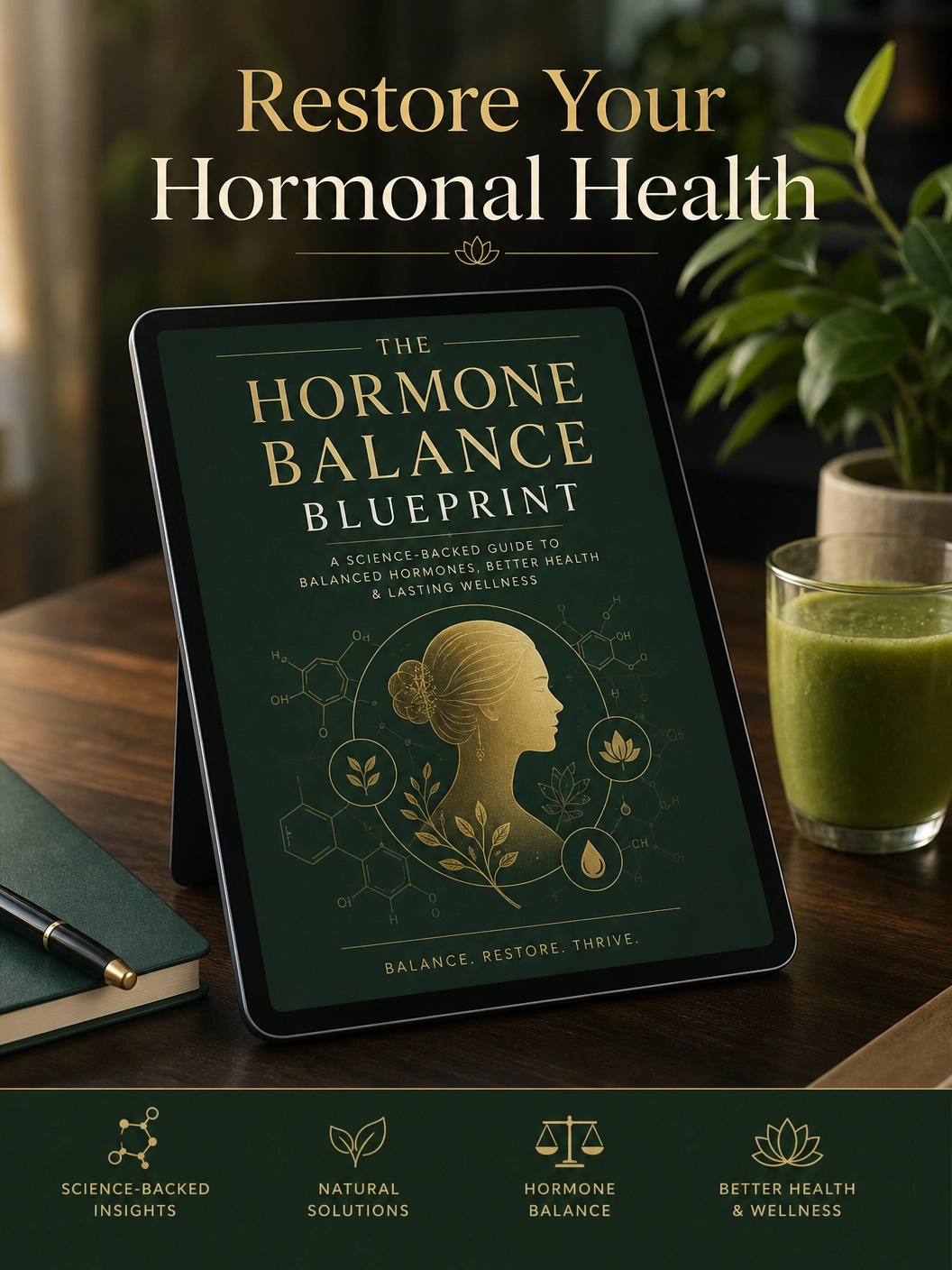
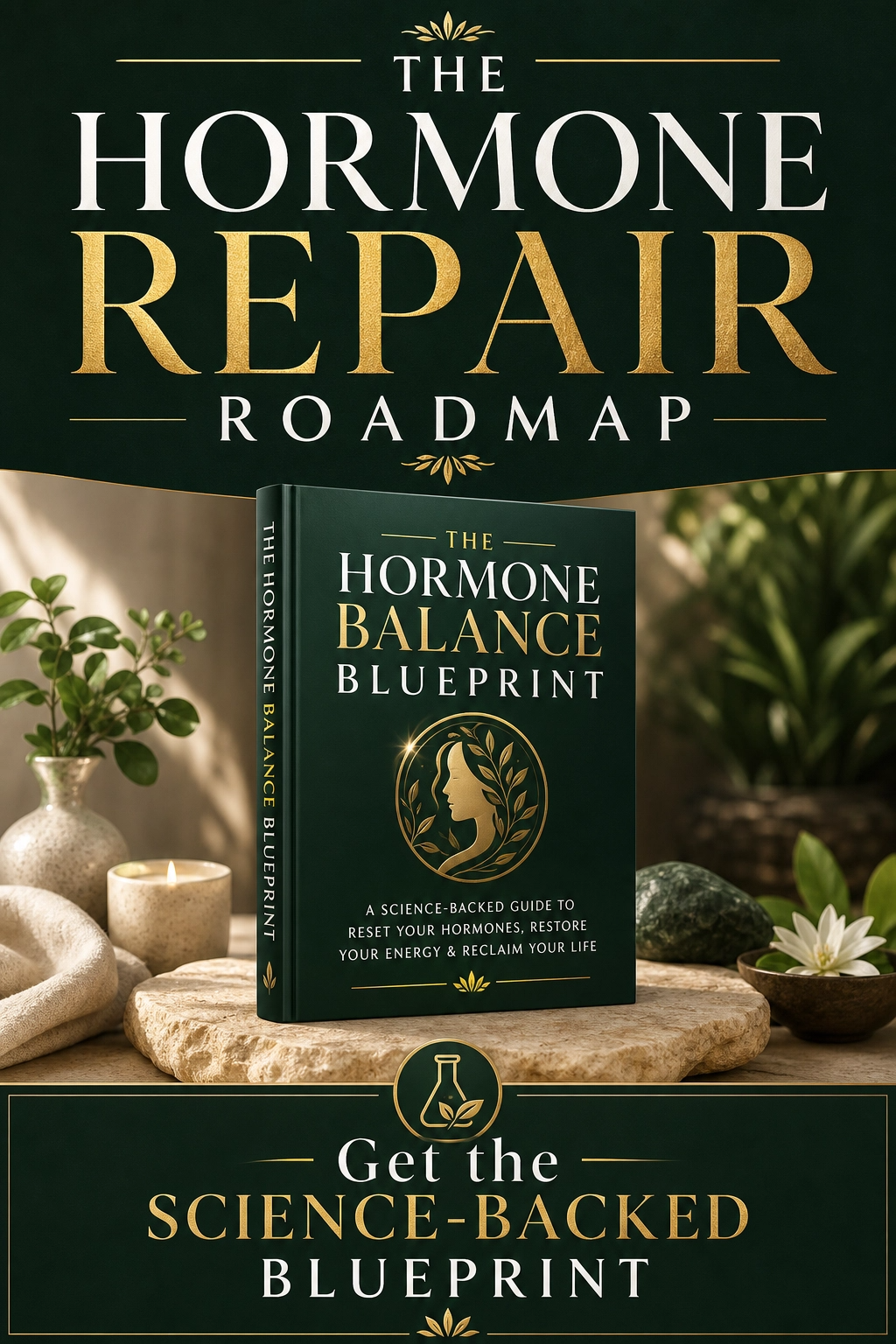
If you want to learn more about how your body works and how everyday choices can support it, The Hormone Balance Blueprint offers a clear, approachable starting point written for busy women who want practical steps, not jargon. It’s educational and is not a substitute for personalized medical care.
→ Shop it: The Hormone Balance Blueprint
When to See a Doctor
Lifestyle habits can support wellbeing, but they can’t diagnose or treat medical conditions. Please reach out to a healthcare provider if you experience:
- Very heavy, painful, or missing periods
- Sudden or significant changes in weight, hair, or skin
- Persistent fatigue, low mood, or anxiety
- Symptoms that interfere with daily life
- Any symptoms that worry you
Advocate for yourself. Bring your symptom notes, ask questions, and seek a second opinion if you feel unheard. You know your body best.
Myths to Let Go Of
“Hormone balance is a quick fix.” There’s no overnight reset; wellness is built through consistency.
“Detoxes and extreme cleanses will fix everything.” Your body already has systems for detoxification, and extreme regimens can do more harm than good.
“If I do everything right, I’ll never feel off.” Hormones naturally fluctuate, especially around cycles, pregnancy, and life stages. Feeling imperfect doesn’t mean you’re failing.
“Supplements are the answer.” Talk to a healthcare professional before starting any supplement, as they can interact with medications or conditions.
A Sample “Supportive Day” (Not a Rulebook)
Wondering how these habits fit together? Here’s one gentle example. Take what helps and leave the rest.
- Wake up: open the blinds, drink some water, and get a few minutes of daylight
- Breakfast: pair protein with fiber, like eggs with veggies, or yogurt with fruit and seeds
- Mid-morning: a short walk or stretch break
- Lunch: a balanced plate, eaten away from your desk if you can
- Afternoon: switch to herbal tea or water if caffeine tends to disrupt your sleep
- Evening: an unhurried dinner, light movement, and a screen-free wind-down
- Bedtime: the same time most nights, in a cool, dark room
Some days won’t look anything like this — travel, deadlines, sick kids, and plain old exhaustion happen. A single messy day doesn’t undo anything. What matters is the general direction over weeks and months.
FAQ: Hormone Balance for Women
Can lifestyle changes really support hormones? Sleep, nutrition, movement, and stress management are foundational for overall health, which supports hormone function. They aren’t a replacement for medical care when needed.
How long does it take to feel a difference? It varies. Some people notice small improvements in energy or sleep within weeks, while others need more time.
Should I take supplements? Only after talking with a qualified professional who knows your health history.
Is it normal for hormones to change over time? Yes. Puberty, pregnancy, postpartum, perimenopause, and menopause all bring natural shifts.

Be Patient With Your Body
Your body isn’t broken. It’s responsive — and it’s constantly trying to communicate with you. Start with one small habit, observe how you feel, and build slowly.
Save this guide for the next time you feel off, share it with a friend who’s navigating the same questions, and remember: caring for your body is never selfish. It’s the foundation of everything else you do.
About the Author