There’s a specific kind of exhaustion that sleep doesn’t fix. You wake up tired. You’re wired at night when you should be winding down. Your weight shifts even though nothing about your diet changed. And every time you bring it up, someone tells you it’s “just stress” — which is both dismissive and, more often than not, incomplete.
It might genuinely be your hormones. And the good news is, that’s a lot more fixable than it sounds.
Hormones Aren’t Just About Periods
When most people hear “hormone balance,” they think reproductive health. But hormones regulate far more than that — cortisol governs your stress response, thyroid hormones control your metabolism and energy, insulin manages your blood sugar, and estrogen and progesterone affect everything from mood to sleep to skin. When one of these systems is off, it tends to pull the others off balance too, which is why hormonal issues rarely show up as one clean symptom.
The Gut-Hormone Connection Nobody Explains Well
Here’s the piece that gets left out of most surface-level advice: your gut microbiome plays a direct role in hormone regulation, particularly estrogen metabolism. Chronic gut inflammation or imbalance can quietly disrupt hormonal health in ways that no amount of “just reduce stress” advice will fix. This is why some women do everything “right” for their mental health and still don’t feel better — the root cause was digestive, not emotional.
What Actually Helps (Beyond “Eat Clean”)
Real hormonal support tends to combine a few specific things: targeted nutrition (not generic “clean eating,” but foods that support the specific hormone pathways involved), stress and cortisol management that goes beyond bubble baths, sleep protocols built around your body’s actual rhythm, and gut health support, since the two systems are so intertwined. Vague wellness advice rarely addresses all four at once — which is usually why it doesn’t work.
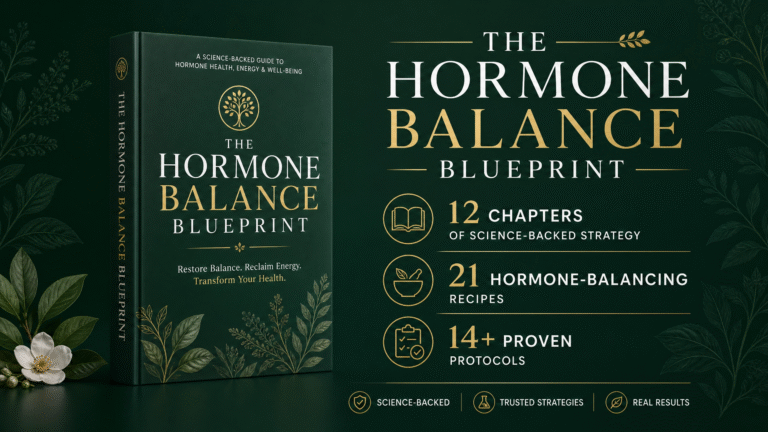
The Hormone Balance Blueprint takes this whole-system approach seriously: a 12-month protocol covering cortisol, thyroid, estrogen, and gut health, with 21 recipes and more than 14 targeted protocols, instead of another generic “eat more greens” checklist.
This Isn’t a Quick Fix, and That’s the Point
Hormonal healing happens on a hormone’s timeline, not a 7-day-challenge timeline. That’s frustrating to hear, but it’s also why so many quick fixes fail — the body simply needs longer to recalibrate, and rushing it usually just leads back to square one.
If you’re ready for a real, structured approach instead of another supplement gamble, The Hormone Balance Blueprint offers the full 12-month protocol to work through at your own pace.
About the Author