10 Thoughtful Hosting Ideas That Help Guests Feel Instantly at Home
A welcoming home is not necessarily spotless or spacious. It is a place where a guest can find the bathroom, pour water, and take a quiet moment without feeling watched. The most memorable hosting comes from small acts of foresight.
When I think about the homes I have felt most comfortable in, I remember the host who left a phone charger beside the bed, the friend who explained the house rhythm without making it sound like a rulebook, and the person who said, “Make yourself comfortable,” then made that genuinely possible. Good hosting is less about performing generosity and more about reducing friction.
These thoughtful hosting ideas at home work for overnight guests, a casual dinner, a visiting relative, or a friend dropping by after a long day.
Send a tiny arrival note before guests come
A short message can make arrival feel easy. Share the address, parking or transit information, the best entrance, and anything they should know about timing. Explain any buzzer, gate, or key box plainly.
Keep the message useful, not overwhelming
Avoid sending a full itinerary unless your guest has asked for one. A practical note might say: “The front door sticks a little, so pull firmly. Come in whenever you arrive; I’ll be home after six. There’s street parking on the next block, and comfortable clothes are perfect.” That last detail tells a guest they do not need to arrive perfectly dressed or perfectly on schedule.
Give them one obvious place to put their things
Guests should not have to guess where coats, bags, shoes, or wet umbrellas belong. Clear one chair, hook, shelf, or section of the entryway. If space is limited, use a basket or folding luggage stand.
Make the first five minutes feel orderly
A small landing zone can include a coat hook, a surface for keys, and a visible place for shoes. If your guest is staying overnight, show them where luggage can go so it does not block a doorway.
Set up a self-serve comfort station
A comfort station answers questions guests may hesitate to ask: Where is the water? Can I have tea? Is it all right to take another snack?
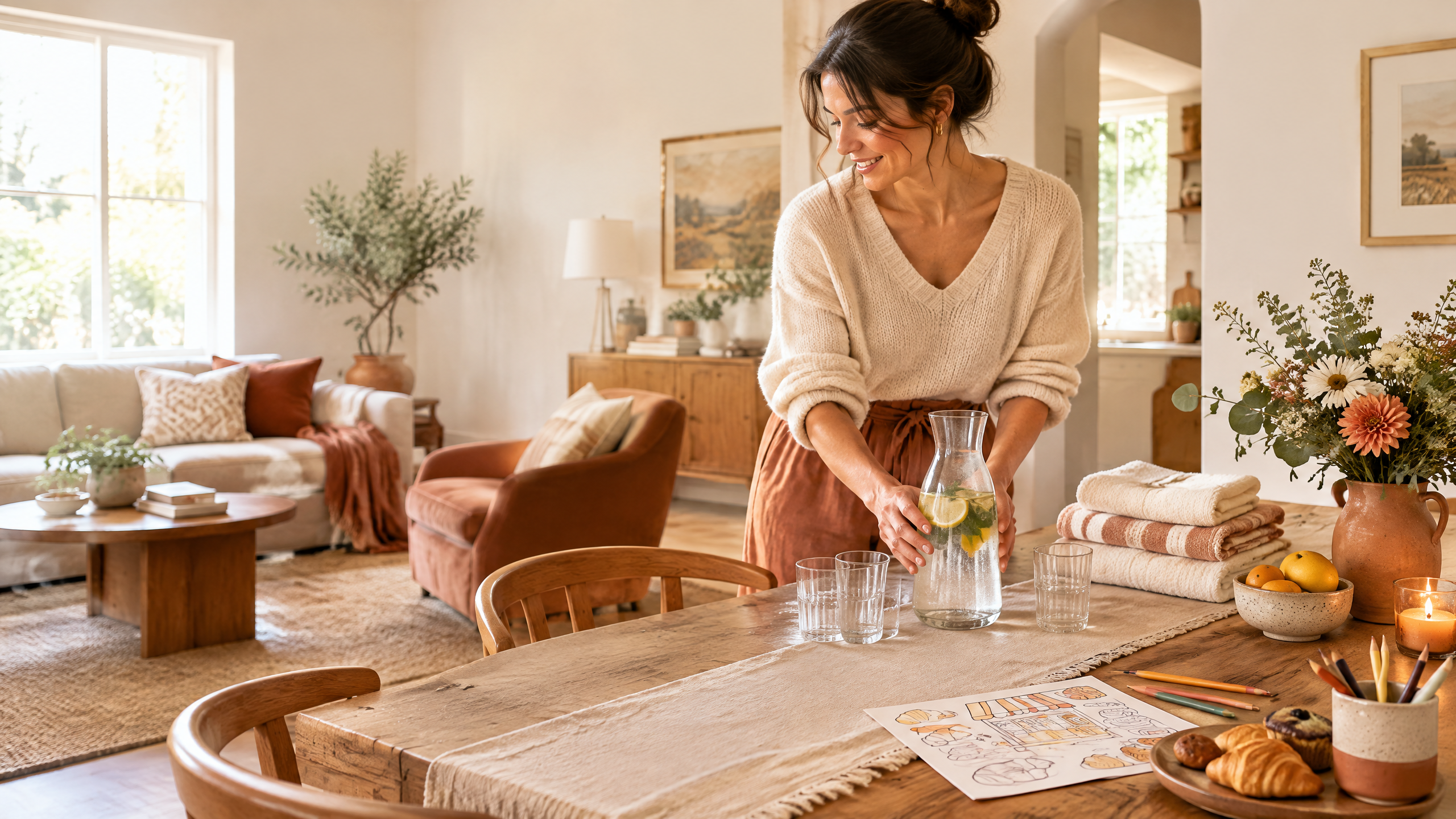
Place a carafe or bottles of water where guests can see them. Add glasses, a few familiar drinks, and an easy snack that does not require preparation. For an overnight guest, a small tray in the bedroom or kitchen can hold water, tea, and a couple of shelf-stable options.
Ask about preferences without turning them into a questionnaire
Before a longer visit, ask one open-ended question: “Is there anything you like to have around for breakfast or in the evening?” This gives your guest room to mention allergies, dietary needs, caffeine preferences, or foods they simply do not enjoy. One thoughtful option is better than a performative spread that goes untouched.

Offer a small, flexible food plan
Food communicates care, but hosting does not require a complicated menu. Think in layers: something ready when the guest arrives, one shared meal, and a low-effort option for later.
For a casual evening, that might be olives, fruit, and warm bread followed by a simple pasta. For a weekend guest, it could be yogurt, eggs, toast, and fruit in the morning, with leftovers clearly offered for lunch. The point is to prevent dependence on your schedule.
Build in permission to say no
Instead of asking “What do you want to eat?” when someone is tired, offer two realistic choices: “Would soup or a sandwich feel better?” If you are planning a dinner, tell guests what kind of meal to expect and invite them to flag anything important.
Do not treat dietary information as an inconvenience. A calm adjustment is more welcoming than a dramatic announcement about how difficult it is. If a request cannot be accommodated, say so before the visit and suggest an alternative.
Make the bathroom quietly generous
A clean bathroom is foundational, but a few visible details can make it much easier to use. Put out a fresh hand towel, check that the toilet paper is easy to find, and make sure the soap dispenser works. If the shower is available, leave a clean towel where a guest will see it.
Include the things people hate asking for
A discreet basket can hold unopened basics such as tissues, cotton swabs, or a spare toothbrush. Point out where extra towels are kept, too. If your bathroom has a tricky shower, explain the controls before your guest needs to use them.
Give overnight guests a simple house map
“Make yourself at home” is lovely, but it becomes more useful when paired with information. Explain the Wi-Fi name and password, how to lock the door, where the lights are, and whether there is a preferred quiet time. Mention any pets, alarms, or quirks that could surprise someone at night.
Put the essentials in one place
A handwritten card or phone note can cover the basics without making the stay feel institutional. Include the bathroom location, kitchen instructions, Wi-Fi, your phone number, and what to do if they need something while you are asleep. Frame household preferences as context rather than commands.
Create one low-pressure activity for shared time
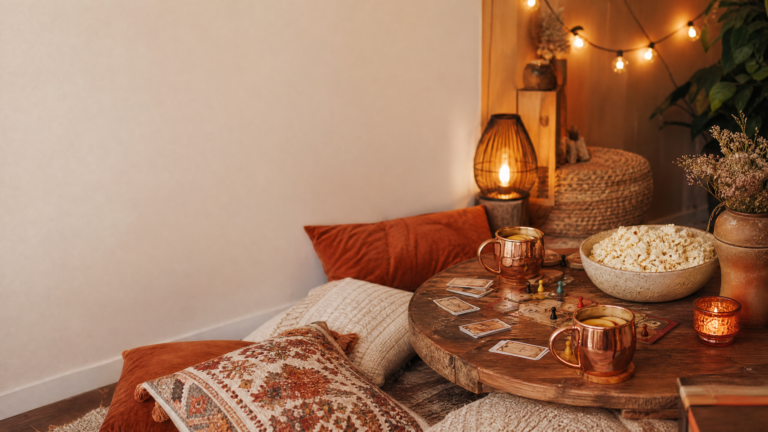
Conversation is not the only way to connect, and it should not be the only entertainment available. Keep one simple activity within reach: a small puzzle, a deck of cards, a favorite cookbook, a playlist, or a coloring activity. The activity should be optional and easy to start or stop.

A bakery-themed coloring session can be particularly natural after coffee or dessert. The Adorable Bakery Shop Coloring Pages / Sheets of Adorable Bakery Shop Clipart {Coloring Book} is described on its listing as a coloring-pages product with bakery illustrations, including cupcakes, cookies, pastries, and charming bakery interiors. The listing says it is intended for kids and adults, so it can offer a simple shared table activity when guests want to chat with their hands busy.

This is a product suggestion, not a promise of a particular result. Some people find coloring relaxing, but individual experiences vary, and it should not be presented as medical treatment or guaranteed stress relief. Check the linked listing for the product’s current details before purchasing.
Keep the invitation casual
Set out the supplies and say, “I thought this might be fun if we feel like doing something low-key.” That wording protects the activity from becoming another obligation. A guest can join for ten minutes, choose one page, or simply watch.
Match the lighting and sound to the kind of visit
Lighting changes how a home feels. Use a lamp rather than only overhead lights, and keep brighter lighting where people need to see. For dinner, a warm lamp or candle can settle the room; for daytime, open the curtains.
Sound matters too. A quiet home can be comforting, but complete silence may feel tense during an arrival. Gentle background music can bridge the first few minutes. Keep the volume low enough that no one has to compete with it.
Let guests control the atmosphere
Offer simple choices: “Would you like the window open?” or “Is this music all right?” This is especially considerate when guests have different sensory preferences, allergies, or sleep needs. A beautiful atmosphere is never more important than a person’s comfort.
Notice accessibility and energy without making assumptions
Thoughtful hosting means considering how someone moves through your home. Clear a walkway, avoid placing bags near stairs, and keep a seat available for guests who may not want to stand. If there are steps, offer an alternative route when one exists.
You can ask practical questions ahead of time without demanding personal information: “Is there anything that would make the space easier for you?” For a guest with a baby, that may mean room for a stroller. For someone recovering from a busy week, it may mean an early night and no pressure to sightsee.
Make rest a legitimate plan
Do not interpret a guest’s quietness as disappointment. Build pauses into longer visits. Point out a comfortable chair, offer a private hour, or say, “You’re welcome to take a break whenever you need one.” The message is simple: your guest does not have to earn their place in the home by being entertaining.

End the visit with the same care you used to begin it
A good goodbye is specific. Help your guest find their coat and belongings, offer water for the journey, and confirm the easiest way to leave. If they are driving, mention traffic or parking restrictions. If they are staying overnight, tell them whether they should lock up or leave the key somewhere.
Follow up without demanding a response
A short message later—“I loved having you here; hope you got home comfortably”—extends the welcome without asking your guest to write a review of the visit. If they left something behind, offer to mail it or arrange an easy pickup.
Common hosting mistakes to avoid
The first mistake is over-scheduling. A full program can make a guest feel as if they are attending an event rather than spending time in a home. Leave blank space and let the day change shape.
The second is apologizing constantly. Fix what is genuinely unsafe or uncomfortable, then let the rest be ordinary. The third is making every decision for everyone: offer food, lighting, activities, and plans, but leave room for preferences. Once the essentials are ready, sit down. Your presence is part of the welcome.

FAQ: Thoughtful hosting ideas at home
What is the most important thing to do before guests arrive?
Make the basics obvious. Clear a place for belongings, clean the bathroom, prepare water, and share any arrival instructions. Those steps remove the most common sources of uncertainty and do not require a large budget.
How can I host well if I have a small home?
Focus on circulation and choice rather than extra furniture. Clear one surface, create a landing spot for bags, use lighting to define a comfortable area, and keep food simple. A small home can feel generous when guests know where to sit, place things, and take a pause.
What should I do if a guest has dietary or accessibility needs?
Ask early, listen without judgment, and confirm what you can realistically provide. Offer specific options rather than promising everything. For accessibility, ask what would make the space easier and remove obstacles where possible. Do not assume that one person’s needs represent every guest with a similar identity or condition.
A warmer welcome starts with one useful detail
You do not need a picture-perfect home or an elaborate budget. Choose one detail that anticipates a need: a clear arrival message, visible water, a fresh towel, a quiet corner, or an activity that does not demand conversation.
The goal is not to impress guests with how much you prepared. It is to help them stop thinking about what they should do and start enjoying where they are. That is the heart of thoughtful hosting ideas at home: practical care that feels personal, unforced, and easy to receive.
Ready to welcome someone soon? Pick three ideas from this guide, make a short checklist, and prepare them before you tidy anything decorative. Your future guests will feel the difference.
About the Author