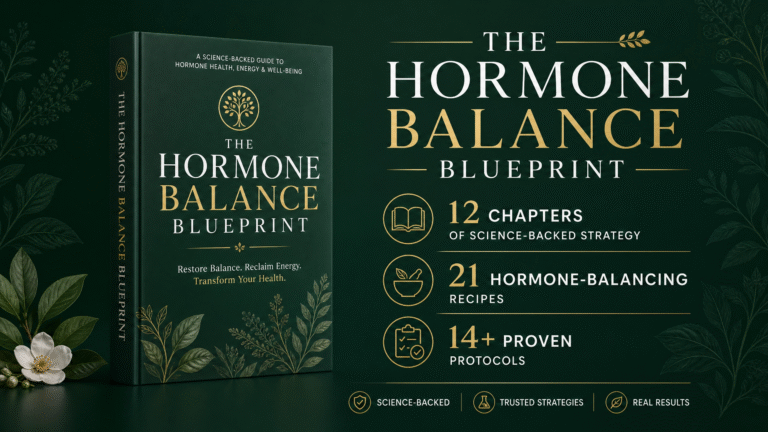
The Hormone Balance Blueprint
There’s a specific kind of tired that coffee doesn’t fix. The kind where your mood swings without warning, your sleep feels shallow even after eight hours, and you catch yourself wondering when exactly you stopped feeling like you. If that’s where you’re at, you’re not imagining it — and you’re definitely not alone.
Hormone balance isn’t about chasing a trend or overhauling your entire life overnight. It’s about learning what your body actually needs and building a handful of sustainable habits around that. Consider this your blueprint — not a strict protocol, but a starting point you can shape around your own body and life.
A quick note: this guide is about everyday lifestyle habits, not a substitute for medical care. If something feels persistently off, a conversation with your doctor is always the right first step.
1. Start By Getting to Know Your Own Patterns
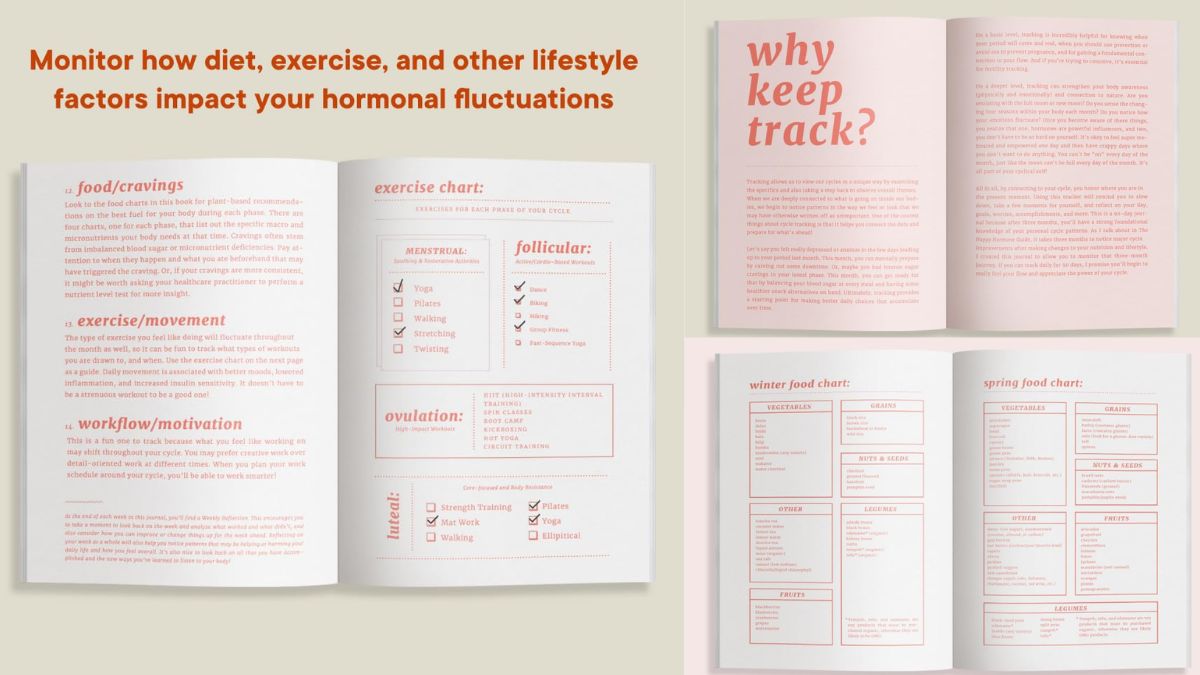
You can’t support what you don’t understand. Before you change a single habit, spend a full cycle simply noticing — energy dips, mood shifts, sleep quality, cravings. Patterns you’ve dismissed as “just how I am” often turn out to be your body communicating pretty clearly.
What to track for a few weeks:
- Energy levels morning, afternoon, and evening
- Sleep quality (not just hours — how rested you actually feel)
- Mood shifts and when they show up in your cycle
- Cravings, bloating, or skin changes
→ Shop it: The Happy Hormone Tracker — 90-Day Wellness Journal for Cycle Tracking
2. Protect Your Mornings From Cortisol Chaos
Rushing straight into email and bright screens the second you wake up sends your stress hormones into overdrive before your feet even hit the floor. A calmer morning isn’t just pleasant — it sets the tone for everything downstream.

Try trading your usual scroll-and-panic routine for:
- Natural light within the first 30 minutes of waking
- Protein at breakfast instead of just carbs and caffeine
- A five-minute buffer between waking up and looking at your phone
Pro tip: If mornings still feel chaotic no matter what you try, the issue might be less about willpower and more about the routine itself — worth revisiting rather than pushing through.
3. Rethink Your Relationship With Sleep
Sleep is when a huge amount of hormonal repair work happens — which is exactly why “I’ll catch up this weekend” doesn’t really work the way we wish it did.
Small shifts that make a real difference:
- A consistent wind-down time, even on weekends
- Dimming lights an hour before bed to support natural melatonin
- Keeping your bedroom cool, dark, and phone-free
- Magnesium-rich foods (or a supplement, with your doctor’s input) if evening restlessness is a pattern
Many women find a high-absorption magnesium glycinate a gentle addition to an evening routine — just something to discuss with your doctor rather than something to self-prescribe.
→ Shop it: Doctor’s Best High Absorption Magnesium Glycinate Lysinate

4. Nourish Instead of Restrict
If your relationship with food has been about cutting things out, this is your permission slip to flip the script. Hormones thrive on consistency and actual fuel — not deprivation.

- Don’t skip meals, especially breakfast
- Pair carbs with protein or fat to keep blood sugar steady
- Add cruciferous veggies (broccoli, cauliflower) a few times a week
- Stay genuinely hydrated, not just “had one coffee” hydrated
This is exactly the kind of habit that feels small on any single day but adds up to a completely different baseline over a few months.
5. Build a Stress Response That Doesn’t Run on Empty
Chronic stress and hormone balance are deeply connected — your body can’t tell the difference between a work deadline and an actual emergency, and it responds accordingly either way.
Ways to actually down-regulate, not just distract:
- A daily 10-minute walk with no podcast, no phone
- Breathwork or a few minutes of stillness before bed
- Saying no to one thing this week that would’ve stretched you too thin
- Journaling through what’s actually causing the tension, not just the surface symptom
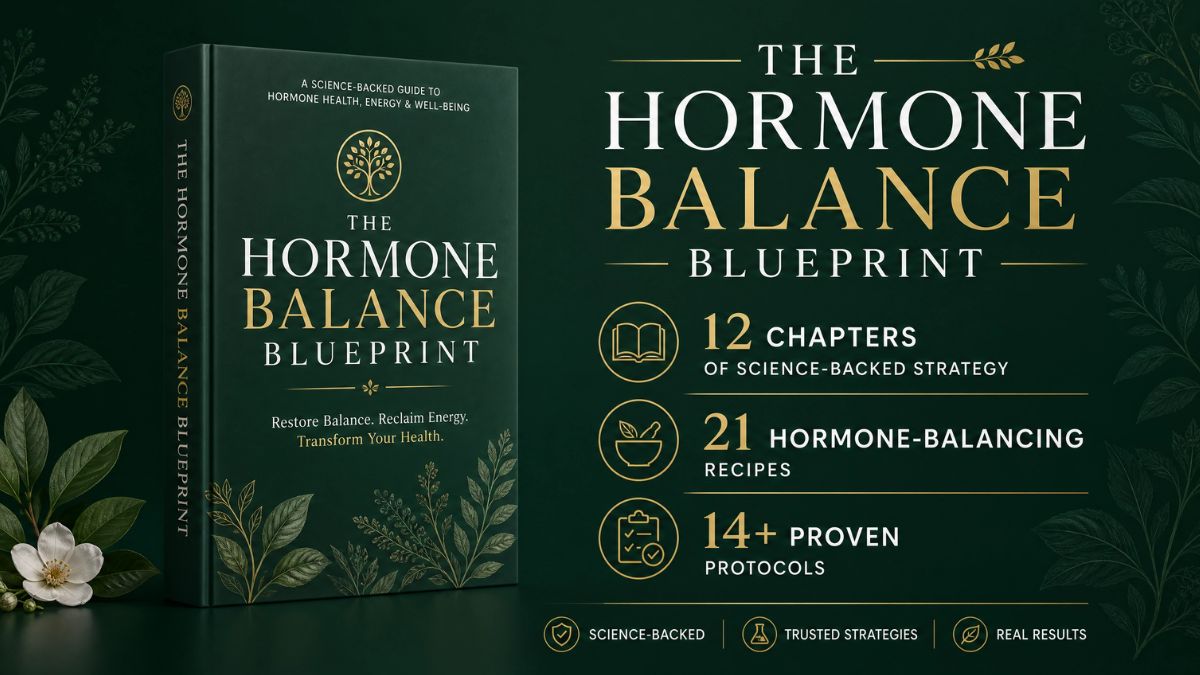
If you want a structured way to work through this — the exact habits, tracking tools, and mindset shifts that support hormonal health day to day — the Hormone Balance Blueprint ebook breaks the whole process down step by step so you’re not guessing your way through it.
BUY EBOOK!
6. Know When to Loop In a Professional
This blueprint is about lifestyle habits that support your body — it’s not a replacement for medical care. If you’re dealing with persistent symptoms like severe mood changes, missed periods, unexplained weight changes, or extreme fatigue, please bring that to a doctor. Tracking your patterns (see #1) actually makes that conversation so much more productive, because you’ll walk in with real data instead of “I just feel off.”
Hormone balance isn’t a single fix — it’s the accumulation of small, consistent choices that tell your body it’s safe to function well. Start with tracking your patterns, protect your mornings and your sleep, and build in real stress recovery. Give it a full cycle before judging the results; your body needs the repetition more than it needs perfection.
If you want the complete, step-by-step system instead of piecing it together on your own, the Hormone Balance Blueprint ebook is built exactly for this.
You May Also Like:
- How to Glow Up Your Life: A Real Guide to Becoming Your Best Self
- 7 Summer Wellness Habits That Actually Make You Feel Good
- 7 Daily Wellness Habits That Improve Your Mind and Body Naturally
About the Author