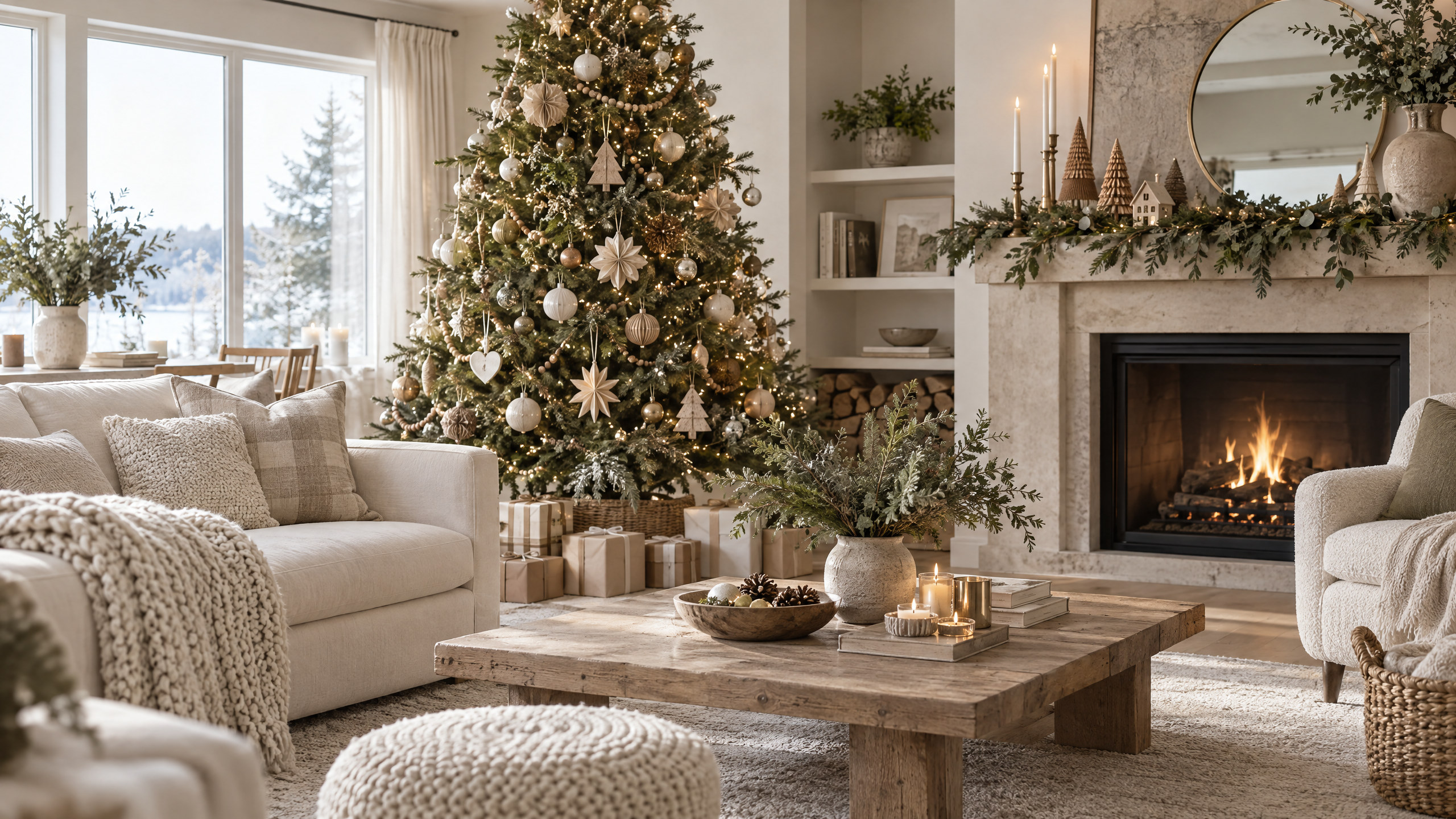
A Pet-Conscious Christmas Tree: Stylish Ways to Reduce Tempting Hazards
The holiday tree is the heart of a living room — a comforting glow, a place for memories and ornaments that tell stories. For households with pets, though, that same focal point can become a magnet for curious noses, paws and enthusiastic tails. This guide is a careful, design-forward approach to pet friendly Christmas tree decorating: practical techniques that make your tree less inviting to mischief while keeping things beautiful and intentional.
Think of this as a design plan, not a guarantee. These steps lower temptation and risk, but no setup is pet-proof. Read them, adapt them to your space, and pick the ones that match your pet’s personality, age and energy level.
Begin with placement and anchoring: the foundation of pet-conscious decorating
Where you put the tree determines most of the problem-solving you’ll need to do. If a tree can be nudged, climbed or toppled, other fixes won’t matter.
- Choose a low-traffic corner. Place the tree where pets don’t routinely run past, and away from doors they bolt through. Corners give two walls for support and reduce the angles a dog or cat might use to leap.
- Keep it off main paths. If your living room is a thoroughfare, consider a shorter tree on a side table or a slim pencil tree that fits snugly against a wall.
- Anchor the base. Use a heavy-duty stand rated for your tree’s size, then secure it. If extra restraint is needed, use a purpose-made tree anchor appropriate to the tree and wall, installed according to its manufacturer’s instructions and secured to a suitable structural point. Do not treat an adhesive hook as a substitute for a rated anchor. If installation is not permitted or practical, choose a smaller, stable tree in a low-traffic location and supervise access.
- Add a subtle barrier. A low decorative fence, a narrow console table backed against the tree, or a large indoor planter filled with seasonal greenery can deter casual approaches without shouting “no.” Match materials to your decor so the barrier looks deliberate, not defensive.
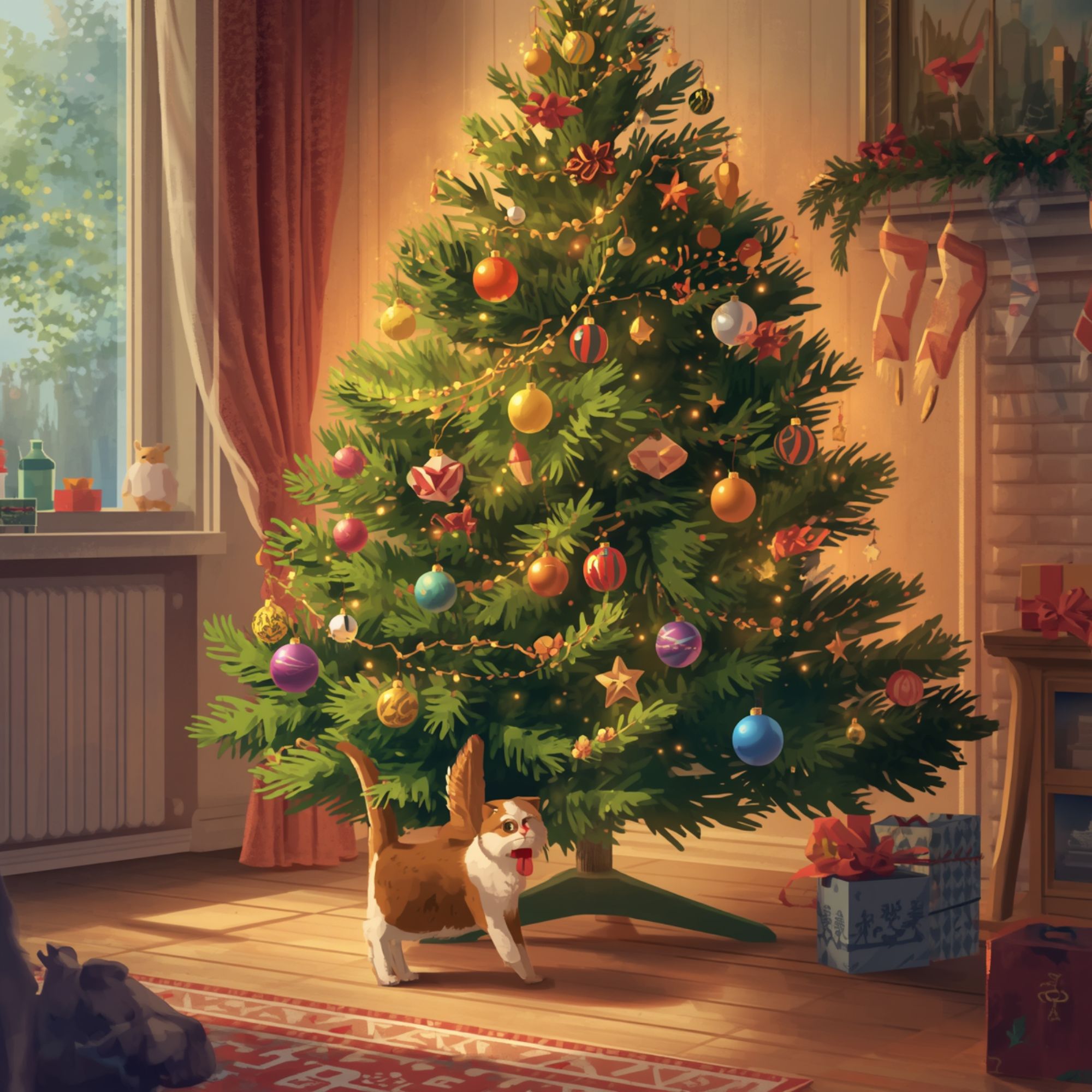
Choose ornaments with pets in mind — and place them thoughtfully
Ornament choice matters more than many people expect. Think tactile: what will survive a pawing, and what will invite more trouble?
- Favor shatterproof or soft ornaments. Plastic, wood, felt and fabric ornaments reduce risk. If you love vintage glass, reserve them for the top quarter of the tree, beyond a cat’s reach, or keep them off entirely.
- Skip tinsel and ribbon tails. Both are irresistible to cats and can be dangerous if ingested. Opt for solid, tactile shapes that don’t fray.
- Avoid edible decorations. Popcorn strings, candy canes or any food-like decor is an instant invitation. If you want a nostalgic look, choose faux candy or embroidered sweets.
- Weight and balance: Place heavier ornaments lower and smaller, lighter decorations higher. This helps stabilize branches and keeps the lower layers interesting without big breakables.
- Hang ornaments on the inner branches, not just the tips. Deep placement makes batting less likely to send them flying.
- Consider texture zoning. Create a “pet-safe band” — the bottom 18–24 inches decorated with soft ornaments and ribboned pinecones — while keeping delicate pieces higher.
Tame the lights and wires with aesthetic control
Lights bring the magic, but trailing cords and low plugs are prime hazards.
- Conceal and anchor cords. Run extension cables behind furniture, along baseboards, and secure them with flat cable clips or cordless channels. Use heavy-duty tape or zip ties in places pets can’t access. Avoid running cords across the floor.
- Use surge-protected, grounded power strips with a single switch. This reduces multiple plugs poking out at floor level. If cords must cross a path, cover them with a slim, slip-resistant cable protector.
- Elevate the plug. If possible, plug lights into a higher outlet and tuck the surge protector on a shelf behind decor.
- Choose low-heat LED lights. They’re cooler to the touch and more energy-efficient, though remember that “cooler” isn’t “safe to chew.” Don’t rely on bulbs as a deterrent.
- Turn off unattended lights. If you’re leaving the house, make it a habit to switch off tree lights and unplug them when you can’t monitor pet interaction.
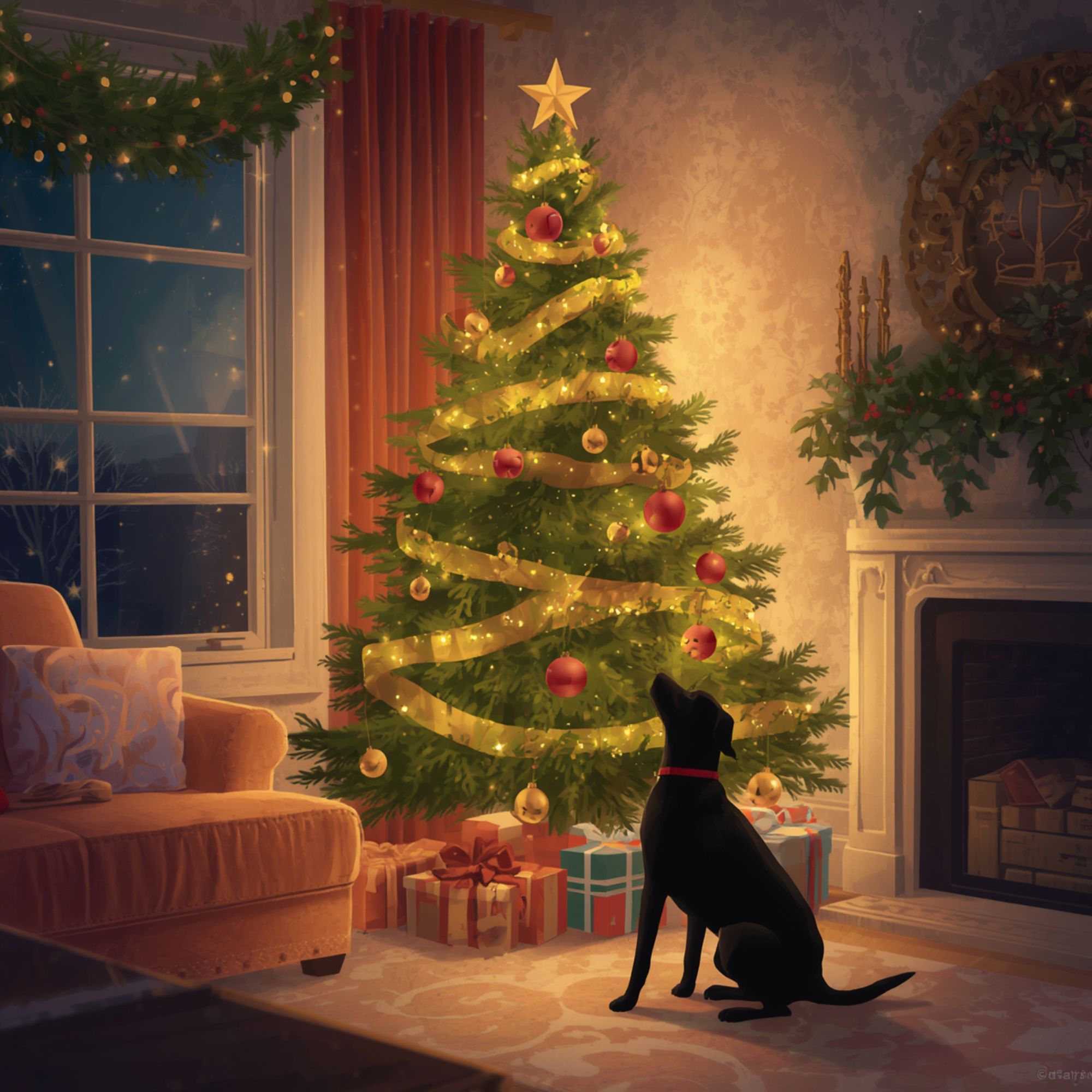
Guard the water and base — less appealing, less access
A fresh-cut tree needs water, but an exposed water bowl is an open invitation for sips and splashes.
- Cover the reservoir. Use a tree skirt and a decorative basket that conceals the stand without restricting access for top-ups. If needed, use a tree-stand cover designed for that purpose while keeping the stand accessible for watering and inspection; do not improvise a cover that could snag or block maintenance.
- Skip tempting additives. Don’t add sugar, alcohol, essential oils or other materials to the tree water. Keep the water clean and topped up per the stand manufacturer’s directions and check any product labels.
- Use scents judiciously. Strong cinnamon or clove sachets near the tree might attract a curious snout. Skip fragrance around the tree; keep the area simple and follow your veterinarian’s advice about household scents if you have questions.
Supervision, enrichment and gentle deterrents
Design changes reduce temptation but don’t replace attentive supervision and environmental enrichment.
- Rotate attention. When you’re home, spend a few minutes each day near the tree with treats and toys for your pet. Reward calm behavior and redirect curiosity to a pet-friendly activity.
- Offer alternatives. Offer appropriate enrichment away from the tree, such as a familiar scratching post or toys, and supervise. If you need behavior advice, consult your veterinarian or a qualified trainer.
- Train basic boundaries. Teach “leave it” and “off” commands in short, repeatable sessions. It’s a design strategy with behavioral support; progress varies with each animal.
When to skip an item: practical decisions for real homes
Some traditional decorations are elegant but not worth the risk in a pet household. Here are common items to omit entirely or replace.
- Tinsel and angel hair: skip. They’re attractive to cats and can cause internal injury if swallowed.
- Real candles: replace with battery-operated LED candles. Open flames are risky around fur, ornaments and curious noses.
- Edible ornaments and open edible displays: relocate them to rooms pets can’t access.
- Delicate glass or sentimental heirlooms: put them in a shadow box, display cabinet, or higher branches out of reach.
- Small, detachable ornamentings like beads or tiny bells: avoid if they could be swallowed.
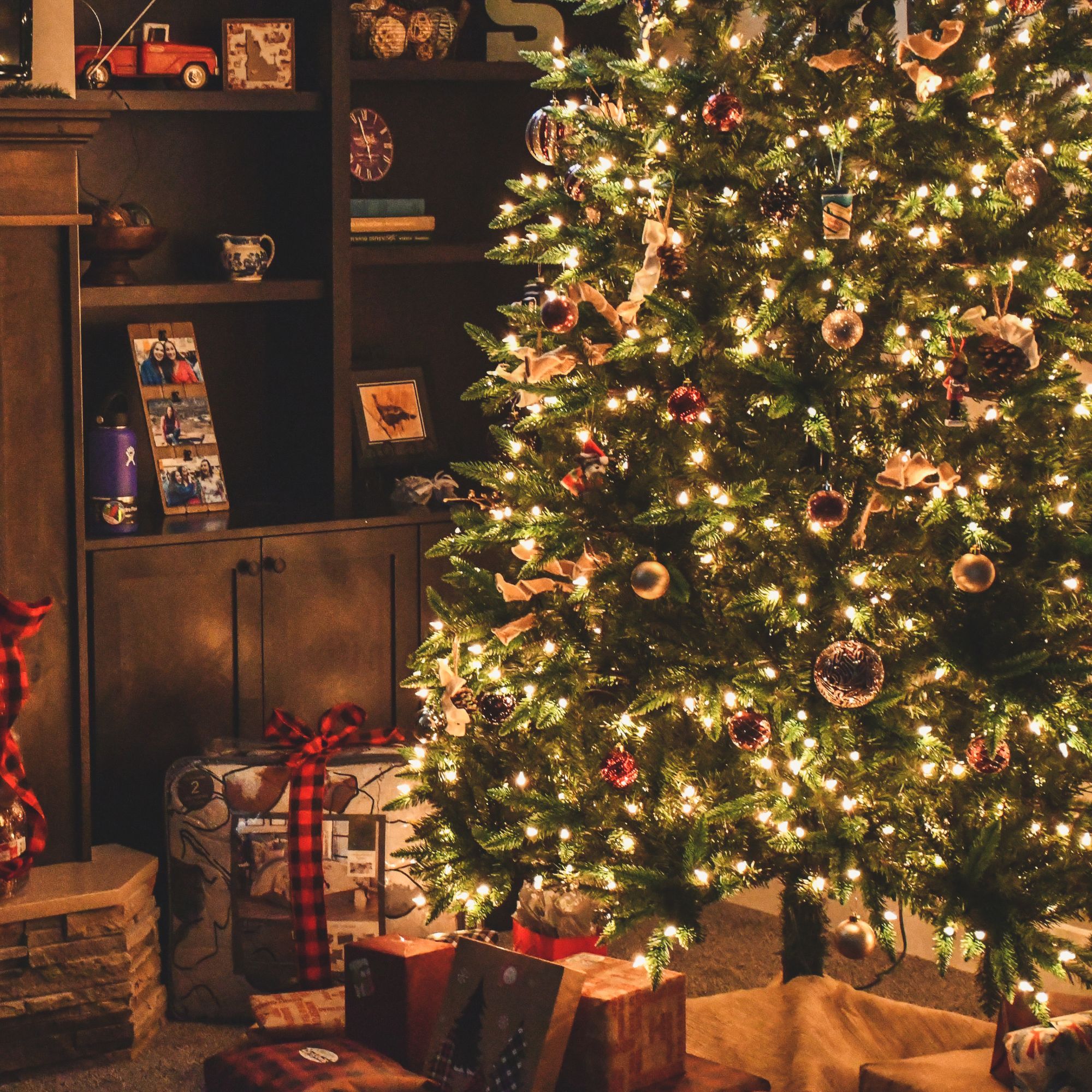
Practical setup checklist (a two-hour plan)
Quick morning project to pet-proof your tree
- Hour 1: Placement and anchor
- Move tree into a corner away from doors and heat sources.
- Secure stand and add an anchor line to the wall or baseboard.
- Hour 2: Decor and cord control
- Wrap lights and secure cords using clips and a raised power strip.
- Place heavy and tactile ornaments low; delicate items high.
- Cover the water reservoir and add a neat skirt or basket.
Mini shopping list
- Heavy-duty tree stand and/or wall anchor kit
- Cable clips, flat cord covers, and a small surge protector
- Shatterproof or fabric ornaments, wide ribbon, and decorative basket
- Low-heat LED lights and battery-operated candles
- Decorative low fencing or large indoor planter
A few design-minded tradeoffs
You don’t need to choose between style and safety, but you may make compromises. A full glass ornament aesthetic can be preserved in one corner display box, while the main tree wears a softer, tactile look. If your pet is especially adventurous, a smaller, elevated tree can become the chic compromise: you keep a beautiful focal point and remove most temptation.
Using digital and DIY elements responsibly

If you make your own ornaments, tags or holiday art for the tree, digital clip art sets can be a helpful starting point. For example, Christmas Clip Art – Vol.1 offers 30 transparent PNG images of trees, stockings and seasonal motifs that you might print onto tags or create paper ornaments from. Remember: this is a digital product—confirm license terms before printing, gifting, or reusing images for anything beyond personal projects.
A calm, beautiful ending
Creating a pet-conscious Christmas tree is an exercise in thoughtful design: plan for placement, anchor well, choose materials with texture and safety in mind, tame wires and protect the base. With a few intentional swaps and a little supervision, you can keep the holidays elegant and lower the temptation for curious pets. The result is a tree that feels like part of a family home—a place of beauty, warmth and fewer surprises when fur meets festive.

Frequently Asked Questions
Can I use tinsel if my pet is supervised?
Even with supervision, tinsel is high-risk because it can be swallowed quickly during a single unsupervised moment. If you love the sparkle, opt for metallic-look ribbons or garlands made of fabric that won’t fray into ingestible strands.
Are LED lights safe if my cat chews them?
LED lights run cooler than older bulbs, but no light string is safe to chew. Secure all cords out of reach or covered. If chewing is a persistent issue, address the behavior with diversion and professional training rather than relying on light type.
How do I keep tree water from attracting my dog?
Conceal the reservoir with a decorative skirt and consider placing a mesh cover over the water bowl under the skirt so you can still add water without easy access. Avoid adding scents or sweeteners to the water, and monitor your pet rather than assuming a cover is fully deterrent.
About the Author





