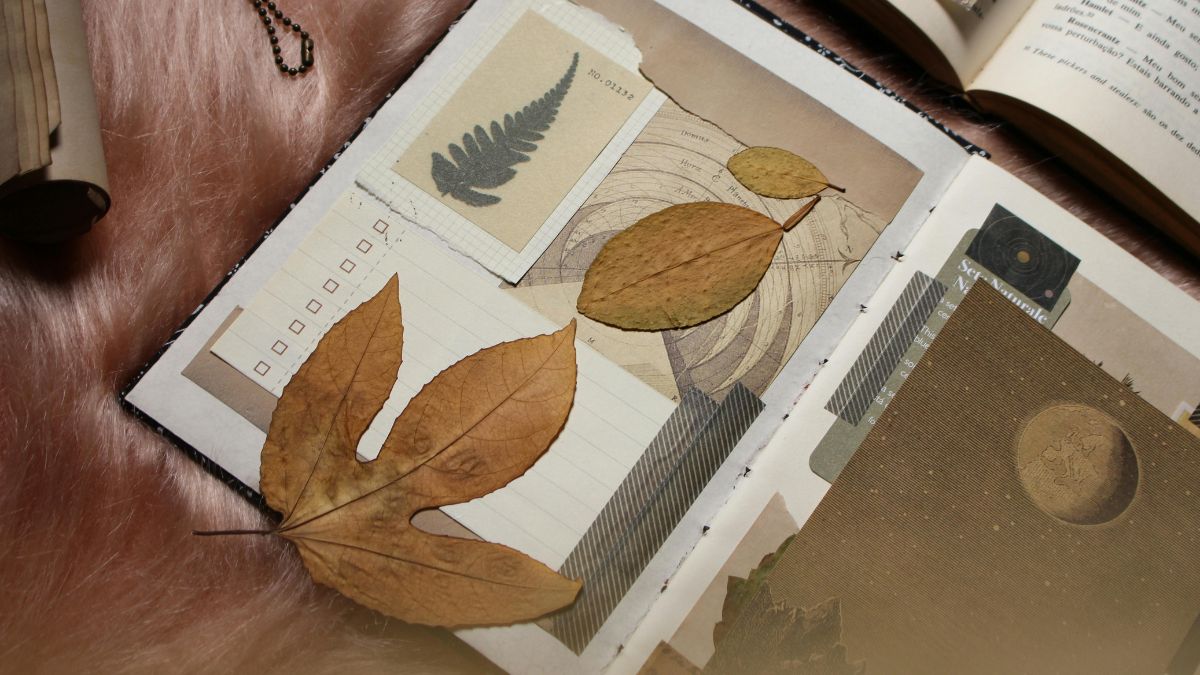
Junk Journaling 101: Everything You Need to Start This Cozy Hobby
If your algorithm has been showing you soft hands flipping through pages covered in ribbon scraps, pressed flowers, and vintage-looking stamps lately, you’ve already met junk journaling — even if you didn’t know what to call it. It’s part scrapbooking, part collage, part quiet meditation with scissors and glue, and it has become one of the most quietly popular hobbies for anyone craving something tactile and screen-free.
Here’s the appeal in one sentence: there are no rules, there’s no “wrong” way to do it, and it turns scraps of paper you’d normally throw away into something that feels like a keepsake. If that sounds like exactly the kind of low-pressure creative outlet you’ve been missing, here’s everything you need to actually start.
What Junk Journaling Actually Is
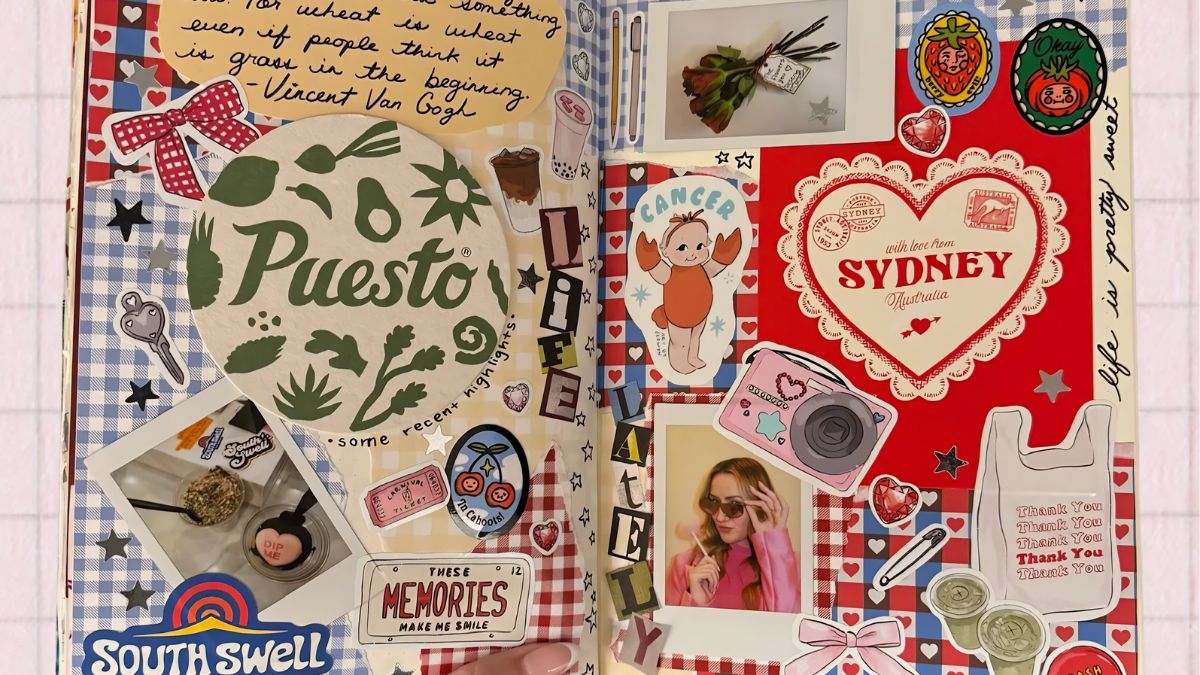
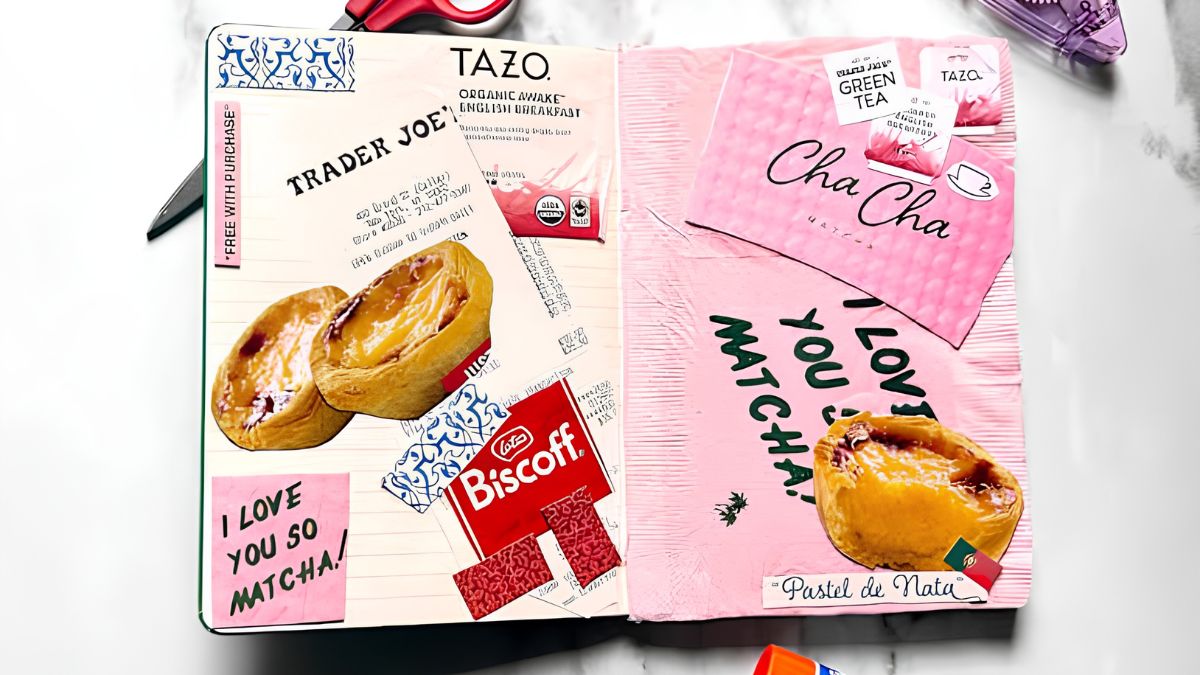
At its core, a junk journal is a handmade book filled with layered ephemera — old receipts, ticket stubs, pretty scraps of paper, printed images, ribbon, washi tape, stamps, pressed flowers, handwritten notes. Unlike traditional scrapbooking, it’s less about documenting specific events in order and more about texture, mood, and the pure joy of layering pretty things together.
There’s no “finishing” a junk journal in the traditional sense. Some pages are dense and collaged edge to edge; others are almost empty except for one small pressed flower and a line of handwriting. Both are correct.
What You Actually Need to Start
The beautiful thing about junk journaling is how low the barrier to entry is. You do not need a craft room, an expensive planner setup, or a trip to a specialty store. The core supply list is genuinely this simple:
- A notebook or blank journal (or handmade pages bound together — very on-brand for the hobby)
- Glue stick or double-sided tape
- Scissors
- Scrap paper, old book pages, or printed ephemera
- Washi tape or ribbon, if you have it
- A pen for handwritten notes
That’s it. Everything else — stamps, stickers, pressed botanicals — is a “nice to have,” not a requirement.
Printable Ephemera Is a Genuine Shortcut
Traditional junk journaling relies on collecting ephemera over time — old receipts, vintage postcards, magazine clippings — which is part of the charm, but it also means beginners often stall out before they even start because they feel like they “don’t have enough stuff yet.”
Printable clip art solves this instantly. Instead of waiting to accumulate scraps naturally, you can print a whole themed sheet of ready-made ephemera in one sitting and start layering immediately.
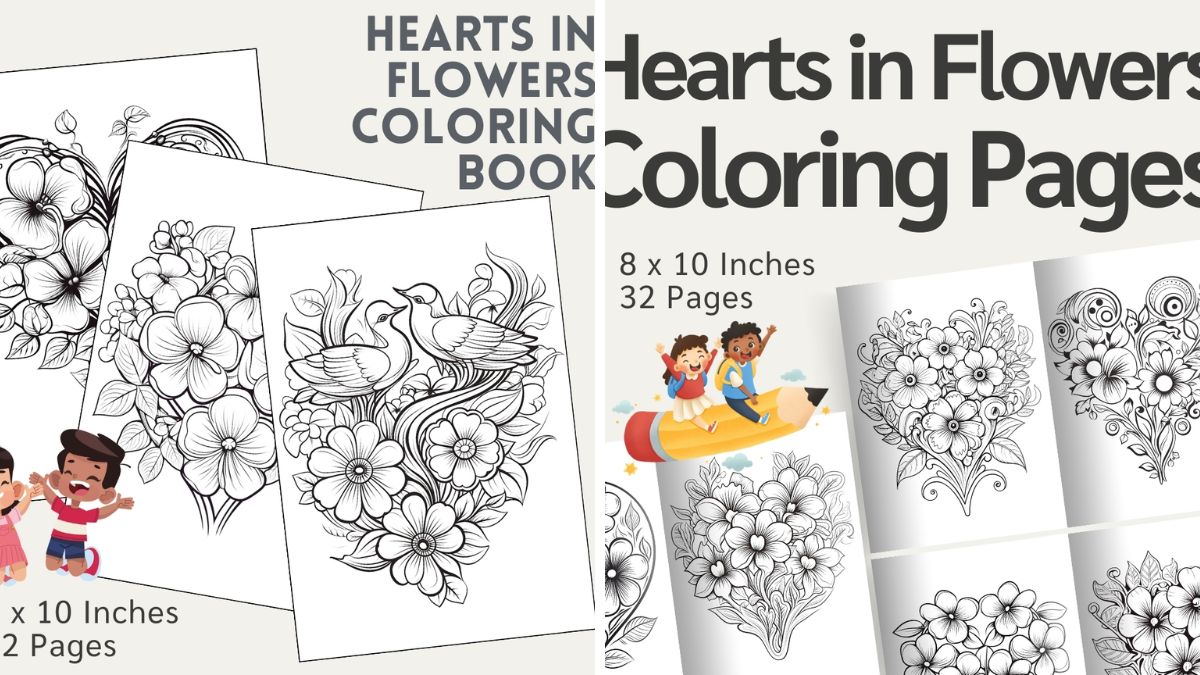
A collection like the Hearts in Flowers set is a lovely first purchase for exactly this reason — delicate, romantic, and easy to cut into small pieces that layer beautifully with handwriting or washi tape without overwhelming a page.
Build a “Mail” Theme Page
One popular junk journal page style recreates the feeling of vintage correspondence — old envelopes, stamps, handwritten notes tucked into little paper pockets. It’s a genuinely satisfying page to build because it mimics the tactile joy of actual mail, which most of us don’t get to experience much anymore.
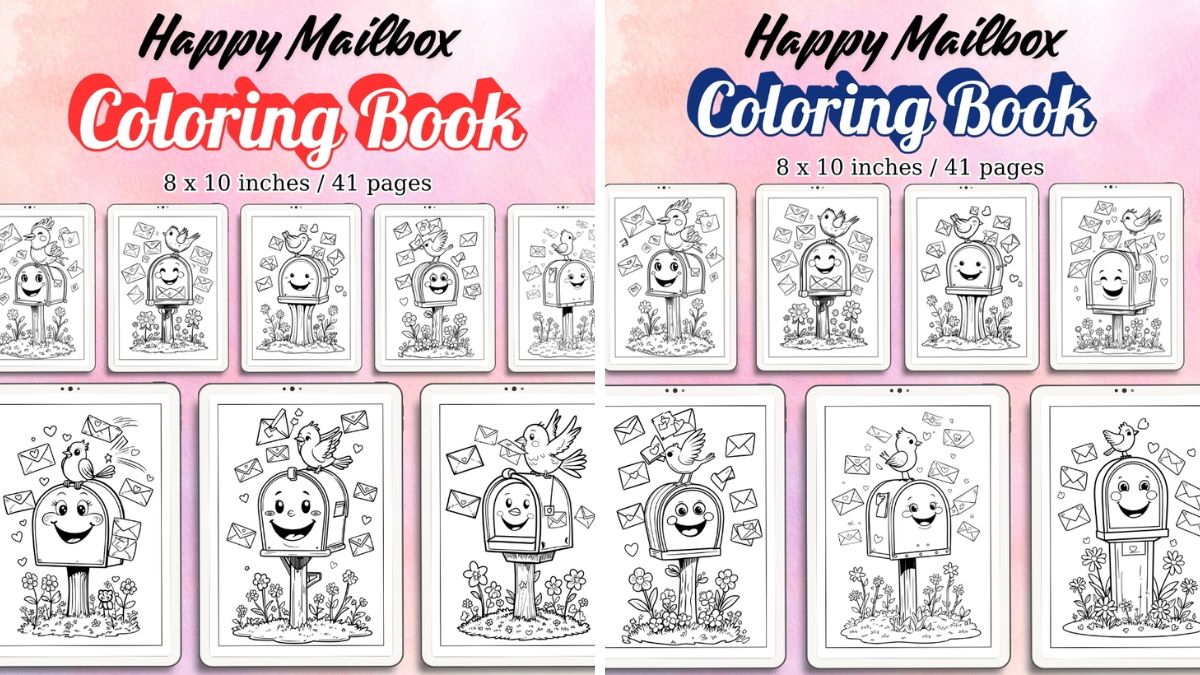
The Happy Mailbox print is a sweet, easy anchor for this kind of spread — cut the mailbox illustration out as a centerpiece, then layer smaller envelope-style ephemera and handwritten notes around it.
Add a Little Whimsy for a “Cozy Snack Night” Page
Not every page needs to be florals and vintage romance — some of the most charming junk journal spreads are the silly ones. A cozy “movie night” or “snack time” themed page adds personality and keeps the whole journal from feeling too precious.
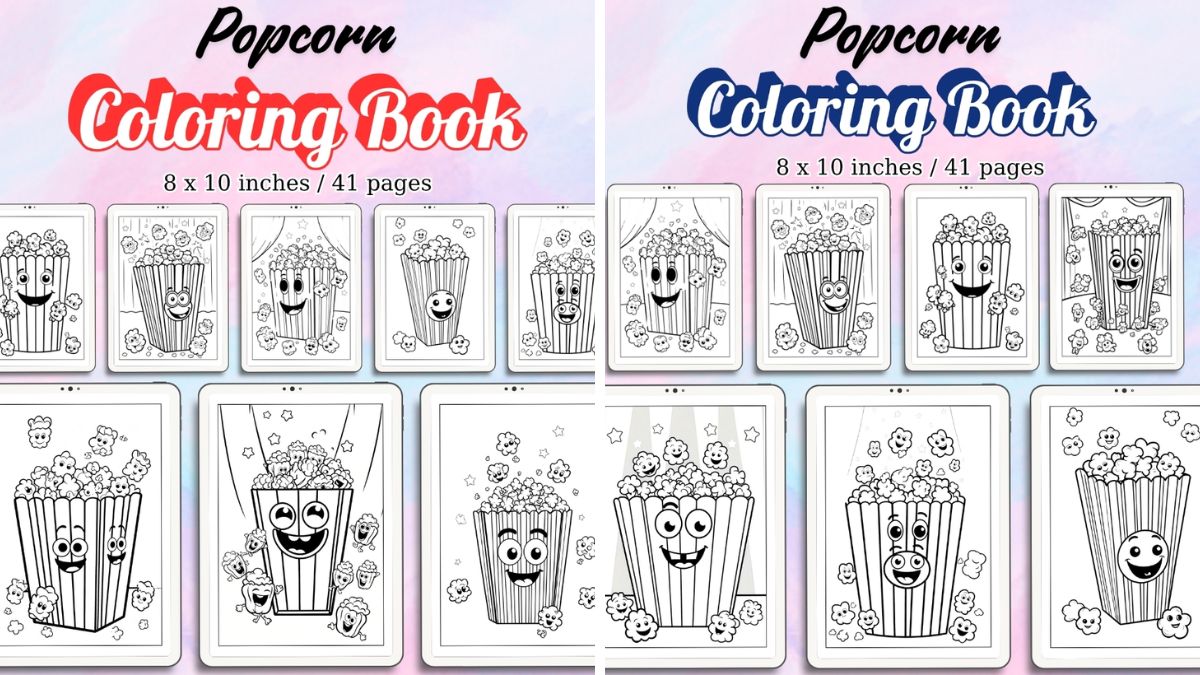
The Popcorn print is a fun, unexpected addition here — cut it small and tuck it into a corner alongside a handwritten note about your favorite comfort movie.
Layer With Intention, Not Perfection
The instinct when starting out is to plan every page carefully before committing glue to paper. Resist it. Junk journaling rewards a bit of looseness — layer a background piece first, add your focal ephemera slightly off-center, then fill gaps with smaller scraps and handwriting as you go. The “imperfect” layering is exactly what gives finished pages their charm.
Make It a No-Pressure Practice
This is genuinely the most important tip: a junk journal is not a project with a deadline. Some weeks you’ll fill three pages. Some months you won’t touch it at all. Both are fine. The entire appeal of this hobby is that it exists outside of productivity — it’s not for anyone else, and it doesn’t need to be “finished” to be worthwhile.
A Few Practical Tips
- Cut more than you think you need. Having a small pile of pre-cut ephemera on hand makes it much easier to sit down and journal spontaneously.
- Print on lighter cardstock, not regular printer paper, if you want your pieces to hold up to layering and gluing without wrinkling.
- Keep a “scrap bowl.” Odd cut pieces from printed sheets are often exactly what a page needs later — don’t throw the trimmings away.
The Takeaway
Junk journaling is one of the rare hobbies that asks nothing of you except a little time and a willingness to make something imperfect. A handful of printable ephemera sheets, a notebook, and a glue stick are genuinely enough to start — everything else is just you, learning what you like to put on a page.
About the Author