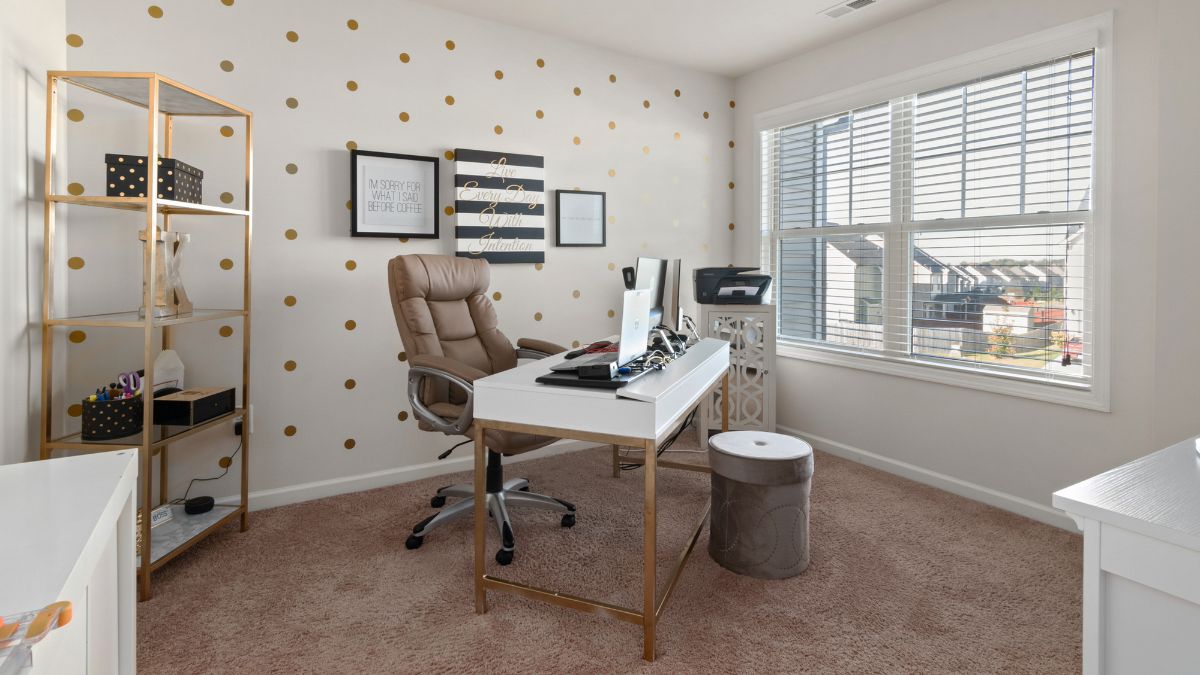
How to Decorate a Home Office Without Losing the "Professional" Vibe
There’s a strange line every remote worker learns to walk eventually: your home office needs to feel like you — because you’re spending real hours of your life in that chair — but it also needs to hold up on camera during a client call without looking like a college dorm room. Too personal, and it feels unserious. Too sterile, and it feels like you’re borrowing someone else’s life.
The good news is that balance isn’t actually hard to hit once you know where to spend your energy. It’s not about buying a matching furniture set — it’s about a few intentional touches that make the space feel considered without trying too hard.
Here’s how to get there.
Start With What’s Visible on Camera
Before you decorate the whole room, decorate the part of it other people actually see. If most of your meetings happen over video, your background is doing more visual work than your entire desk setup combined — so start there.
A single well-framed print behind you, positioned slightly off to the side rather than dead center, reads far more intentional than a bare wall or, worse, a cluttered bookshelf everyone can see too clearly. It doesn’t need to be complicated — one piece, well-placed, does the job.
Bring in a Little Retro Humor
Home offices don’t need to take themselves quite as seriously as a corporate office does, and a small dose of humor near your desk can genuinely make long workdays more bearable. A retro, tongue-in-cheek piece is a fun way to acknowledge the reality of remote work life without derailing the “professional enough for a client call” vibe.
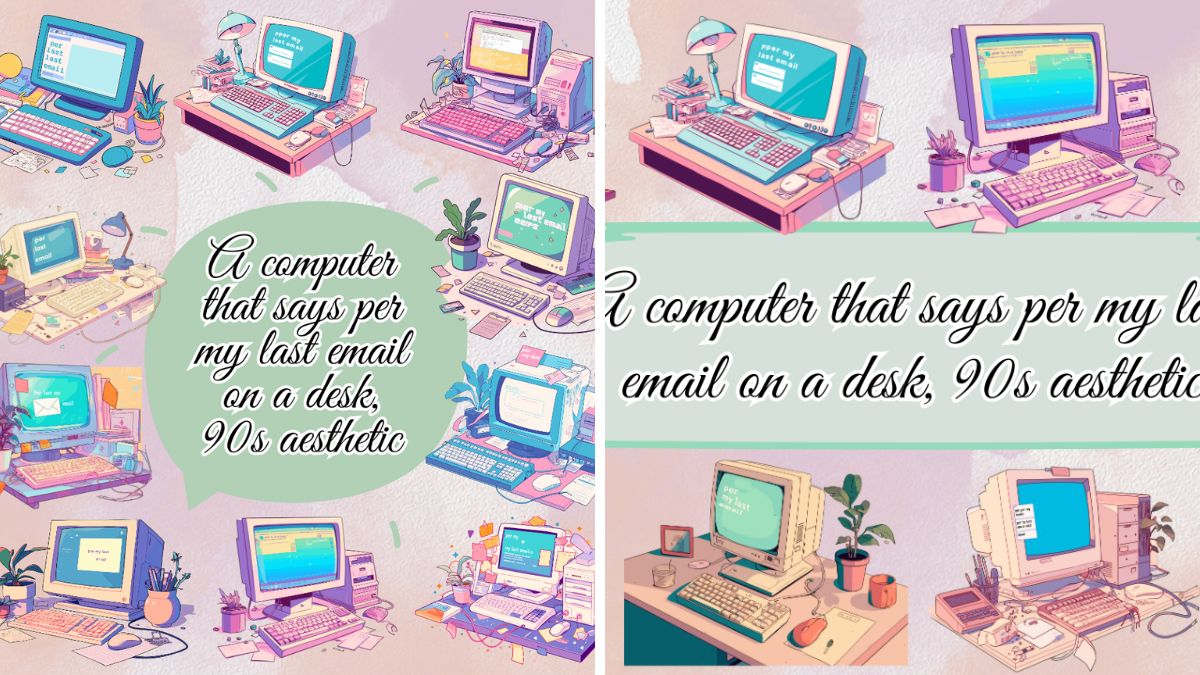
The “Per my last email” clip art — a nostalgic, 90s-style illustration of a bulky desktop computer — is exactly this kind of piece. Frame it small and place it slightly out of camera range, close enough to make you smile between meetings but tucked just outside the video call sightline.
Choose One Cohesive Color Story
The fastest way to make a home office feel unfinished is mismatched color — a blue desk lamp, a green plant, a random red mug, all fighting for attention. Pick two or three colors max and let everything in the space, including any wall art, pull from that same palette.
Soft, muted tones tend to photograph and read as more “professional” on calls than bright, saturated ones — not because bright colors are wrong, but because muted palettes are easier on the eyes during long stretches of screen time.
Add Structure With Geometric Art
If your workspace leans a little too soft or cluttered, geometric prints are an easy way to add visual structure without cluttering the desk itself. Clean lines and shapes read as calm and organized — exactly the energy you want radiating behind you during a presentation.
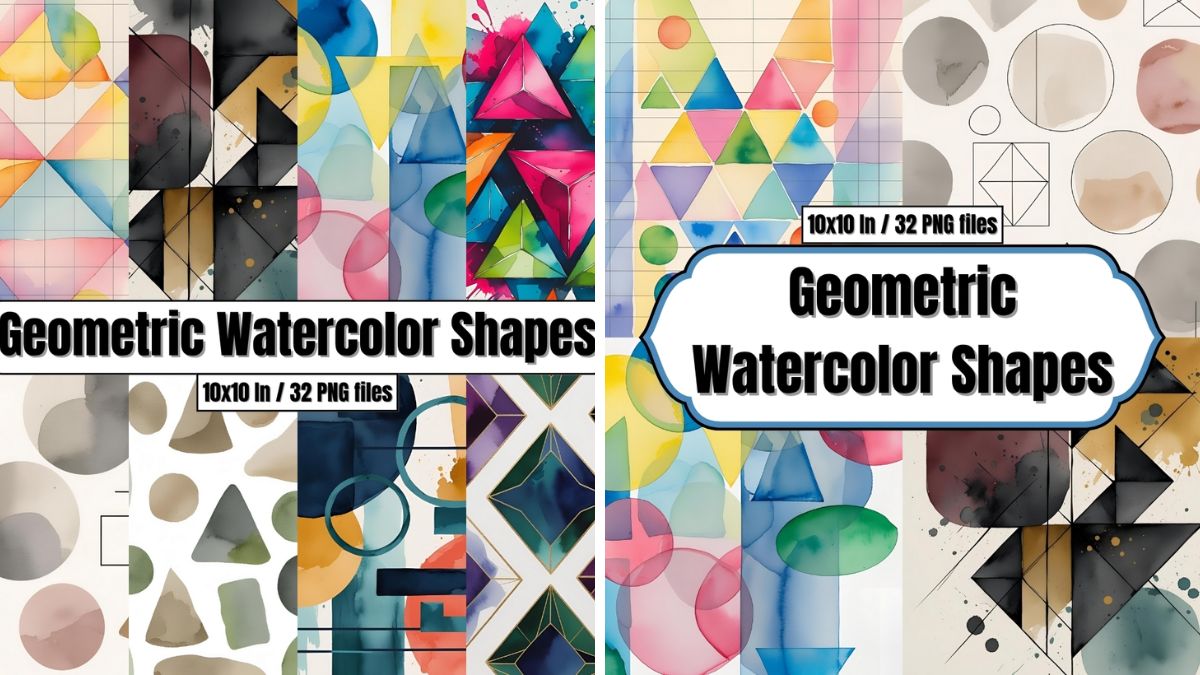
The Geometric Watercolor Shapes set strikes a nice middle ground: structured enough to look intentional, soft enough in color that it never feels cold or corporate.
Keep the Desk Itself Almost Empty
This is the part people resist the most, but it makes the biggest visual difference: the emptier your actual desk surface, the more “put together” the whole room reads, even if the walls have plenty going on. Keep only what you use daily within arm’s reach, and let the personality live on the walls and shelves instead of across your keyboard.
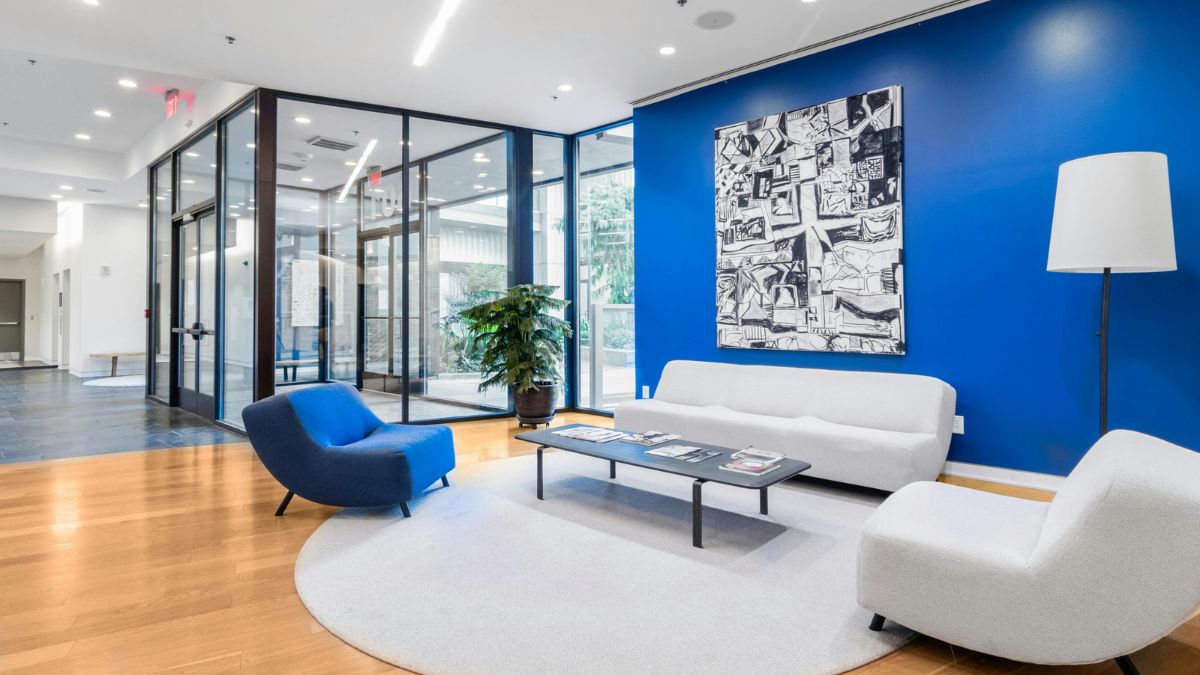
Add One Thing That’s Purely for You
Somewhere in the room — even if it’s not in camera range — include one small piece that has nothing to do with productivity or professionalism. A favorite quote, a small plant, a print that just makes you happy to glance at during a long afternoon. This is the piece that keeps a home office from feeling like it belongs to your job instead of to you.
Lighting Does More Than Decor Ever Will
No amount of art or styling compensates for bad lighting on a video call. A small desk lamp with warm (not cold blue) light, positioned in front of you rather than behind, instantly makes the whole space look more polished — often more than any decor purchase could.
Let the Space Change With the Season
Because printable art is inexpensive to update, your home office doesn’t have to stay static all year. Swap in a slightly different print for a new season or a new project phase — it keeps the space feeling fresh without any real cost or effort, and it gives you a small, low-stakes creative outlet during an otherwise routine workday.
The Takeaway
A home office that works — visually and functionally — isn’t about spending a lot or matching a showroom. It’s a few well-chosen, well-placed pieces that reflect a little bit of your personality while still holding up on a client call. Start with what’s behind you, keep the palette simple, and let one small detail be just for you.
About the Author





