Cottagecore Home Decor: How to Get the Look, Room by Room
There’s a version of home that shows up in daydreams more than in actual real estate listings — one with wildflowers in a chipped pitcher, sunlight coming through gauzy curtains, a kitchen that smells like something baking even when nothing is in the oven. That daydream has a name now: cottagecore home decor, and unlike a lot of aesthetics that live and die on Pinterest, this one has proven surprisingly durable, because it’s tapping into something more emotional than trendy — the desire for a home that feels slow.
Cottagecore gets reduced, sometimes unfairly, to gingham tablecloths and dried lavender. There’s more to it than that. At its core, it’s about softness, imperfection, and a sense that a home was gathered over time rather than purchased all at once from the same catalog. Done well, it doesn’t read as costume — it reads as genuinely lived-in.
Here’s how to bring the cottagecore aesthetic into your space, room by room, without it tipping into theme-party territory.
What Makes a Space Read as Cottagecore
Before shopping for anything, it helps to understand the underlying logic, because cottagecore is easy to overdo. The aesthetic rests on a few consistent principles: natural materials, soft imperfection, and a sense of history.
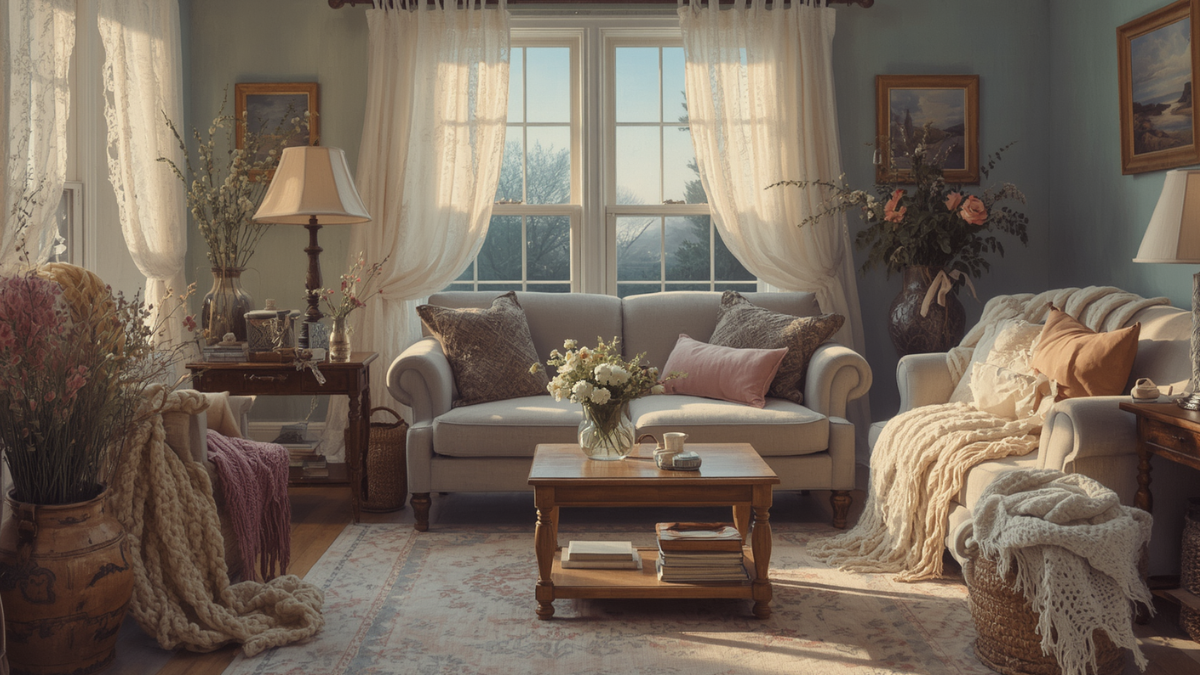
Natural materials means linen, cotton, wicker, and raw or lightly finished wood — almost nothing glossy, plastic, or sharply geometric. Soft imperfection means embracing slightly uneven ceramics, worn wood grain, and hand-finished textures rather than anything that looks machine-perfect. And a sense of history means mixing in at least a few older or vintage-feeling pieces rather than furnishing an entire room from one source at one time.
This last point is the one people skip most often, and it’s the one that makes the biggest difference. A room where every item was bought new, in the same week, from the same store, will never quite read as cottagecore — no matter how many florals are involved — because the whole aesthetic is built on the feeling of accumulation over time.
Start in the Kitchen
If there’s one room where cottagecore decor pays off the most, it’s the kitchen — partly because so much of the aesthetic is rooted in domestic, hands-on rituals like baking and tea-making, and partly because kitchens have more surfaces to layer texture onto than almost any other room.
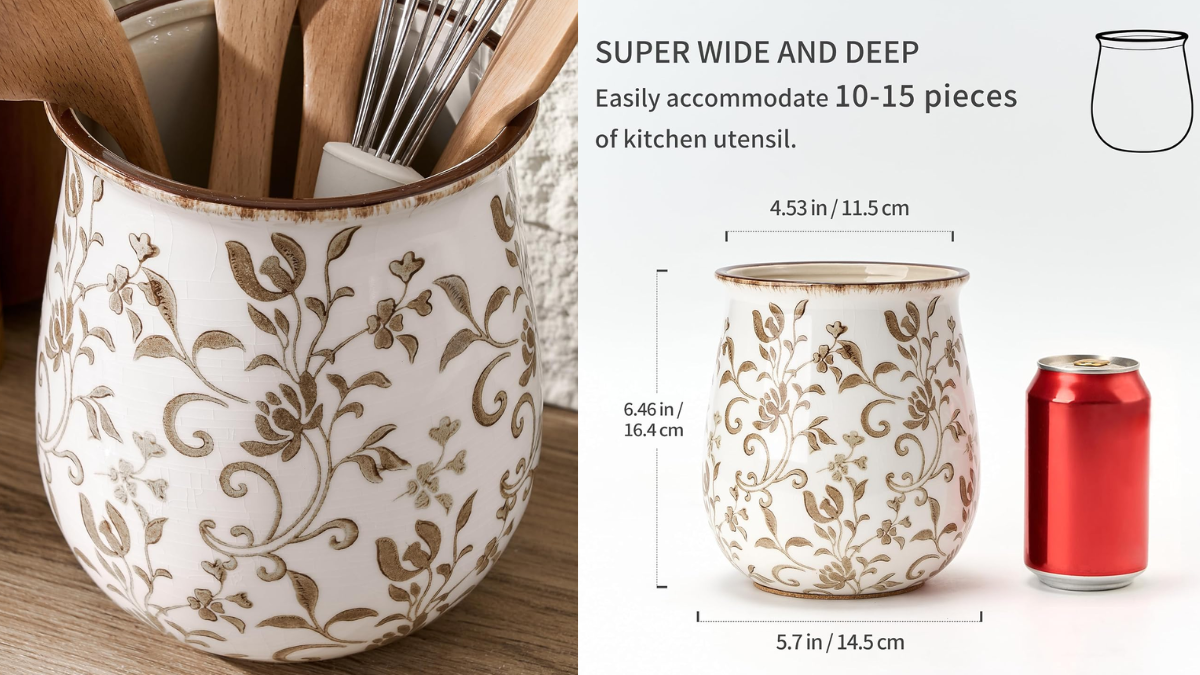
Open shelving does a lot of work here. Swapping even one upper cabinet for open shelves gives you a place to display mismatched ceramics, a few glass jars, and dried herbs — the kind of lived-in clutter that closed cabinetry hides completely. A simple stoneware crock for utensils or a set of hand-painted ceramic mixing bowls does more to set the tone than almost any large purchase.
→ Shop it: Vintage-Style Ceramic Utensil Crock
Bring in Florals — Real, Dried, or Both
No aesthetic on the internet is more associated with flowers than cottagecore, and for good reason: florals are one of the fastest, cheapest ways to soften a room and give it that “gathered from the garden” feeling. But the trick is variety — one perfect bouquet on a table reads as an event, while a few small, imperfect arrangements scattered through a room reads as a lifestyle.
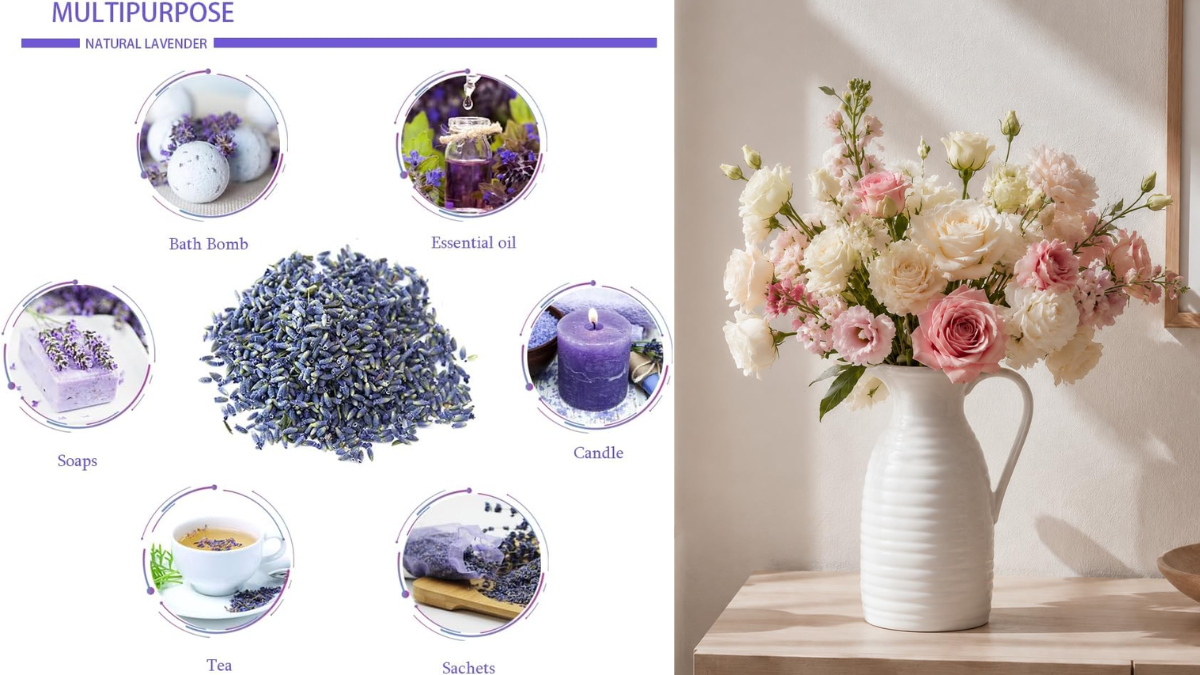
Dried and preserved florals are especially useful here, since they don’t require upkeep and hold their soft, faded color for months. A small bundle of dried lavender or baby’s breath tucked into a pitcher on a windowsill does a surprising amount of aesthetic work for very little cost or effort.
We’re loving right now:
Textiles Are Where the Aesthetic Really Lives
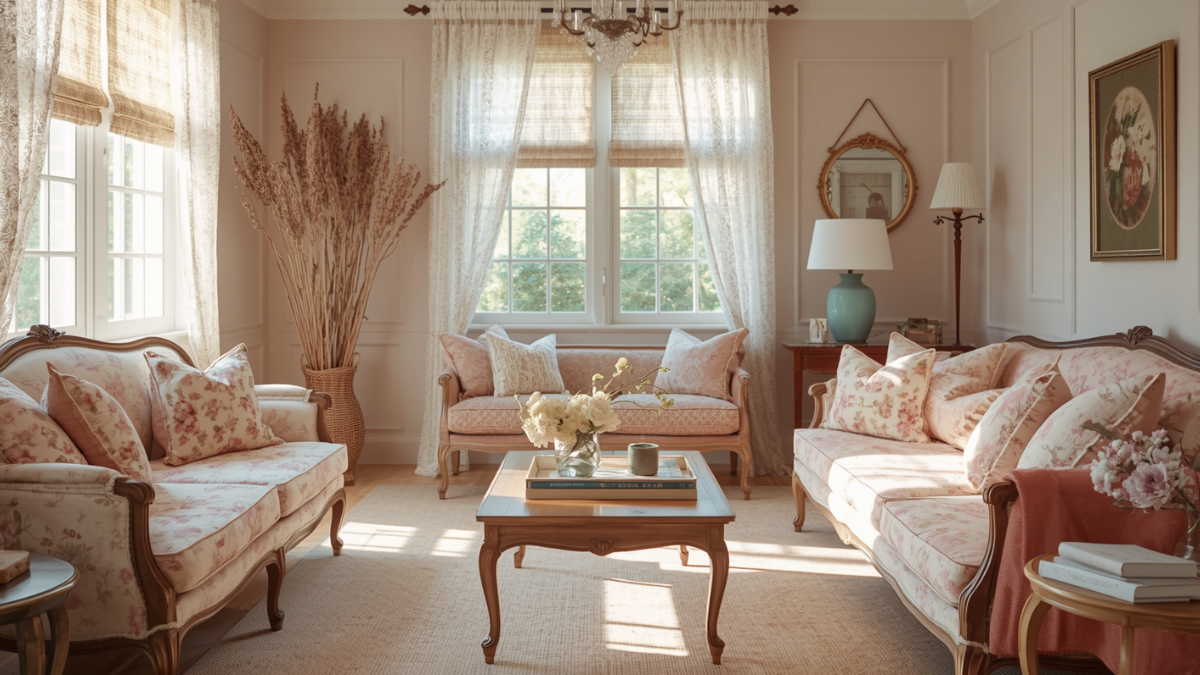
If florals are the fastest way in, textiles are where cottagecore actually settles into a room long-term. Think gingham, floral prints, crocheted or lace-edged linens, and quilted throws — all in soft, slightly muted colors rather than bright, saturated ones. This is what separates cottagecore from a generic “farmhouse” look: farmhouse tends toward neutral and structured, while cottagecore leans romantic and a little rumpled.
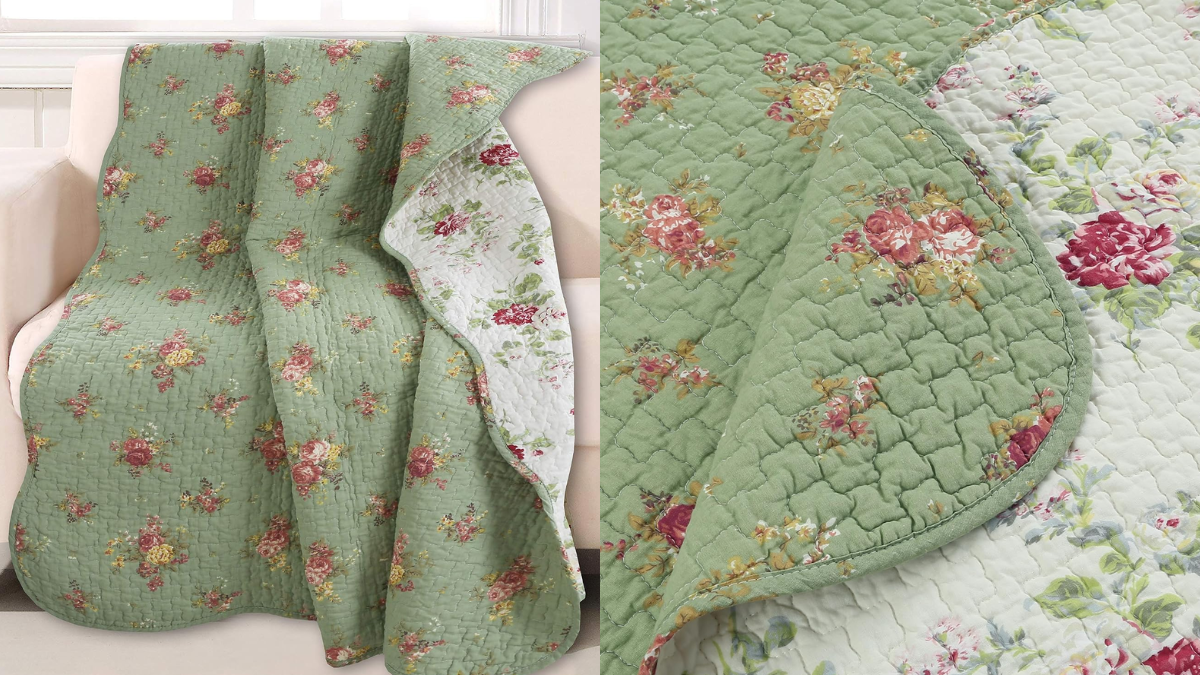
A quilted throw at the end of the bed, a set of lace-trimmed pillowcases, or curtains in a small floral print can transform a fairly plain bedroom without touching furniture at all. Layering matters here just as much as it does with florals — one patterned textile reads as decoration, but two or three layered together, in coordinating but not matching patterns, reads as romantic home decor done properly.
→ Shop it: Quilted Floral Throw Blanket
Choosing Furniture That Feels Gathered, Not Bought
This is the step people rush past, and it’s the one that determines whether a room reads as authentically cottagecore or as a themed rental. New furniture, however pretty, has a certain uniformity to it — sharp edges, uniform finish, no signs of use. Cottagecore furniture should look like it has a past.
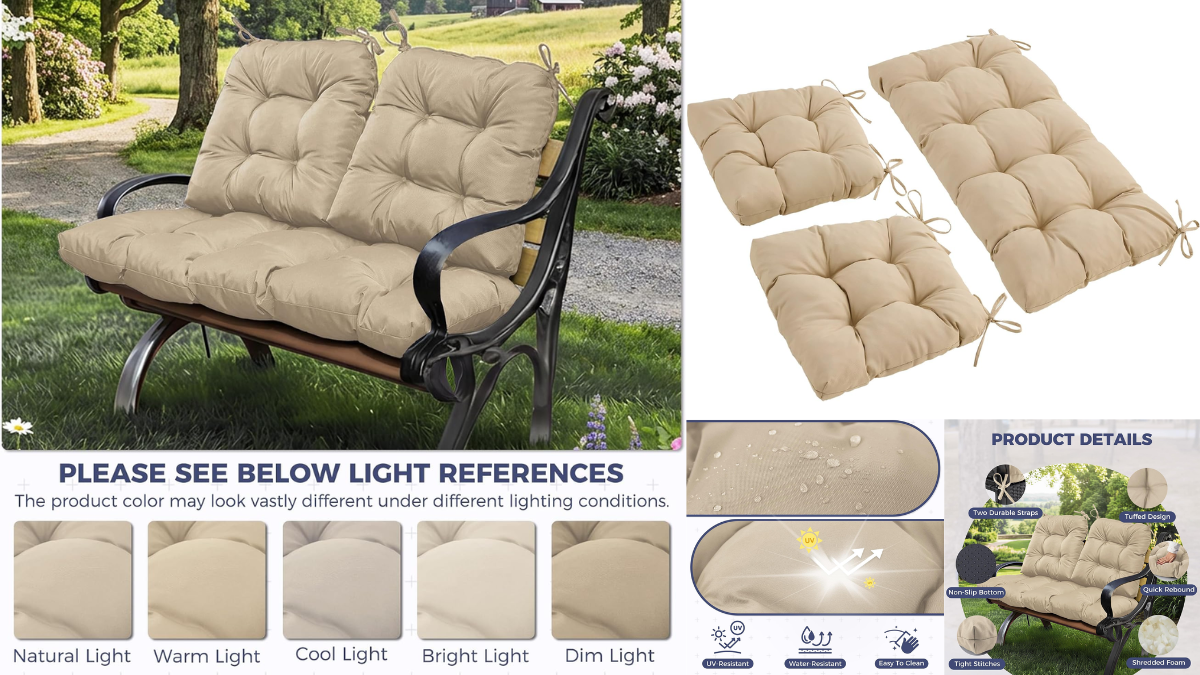
You don’t need to furnish an entire room secondhand to get this effect. One or two pieces — a wooden chair with a worn, slightly uneven finish, a small antique-style side table, a mirror with a distressed frame — mixed in with newer, simpler pieces is usually enough to shift the whole room’s feeling. Secondhand shops, estate sales, and marketplace apps are genuinely the best source for this, both because it’s authentic and because it’s often cheaper than buying new “vintage-inspired” reproductions.
→ Shop it: Rattan Accent Chair with Cushion
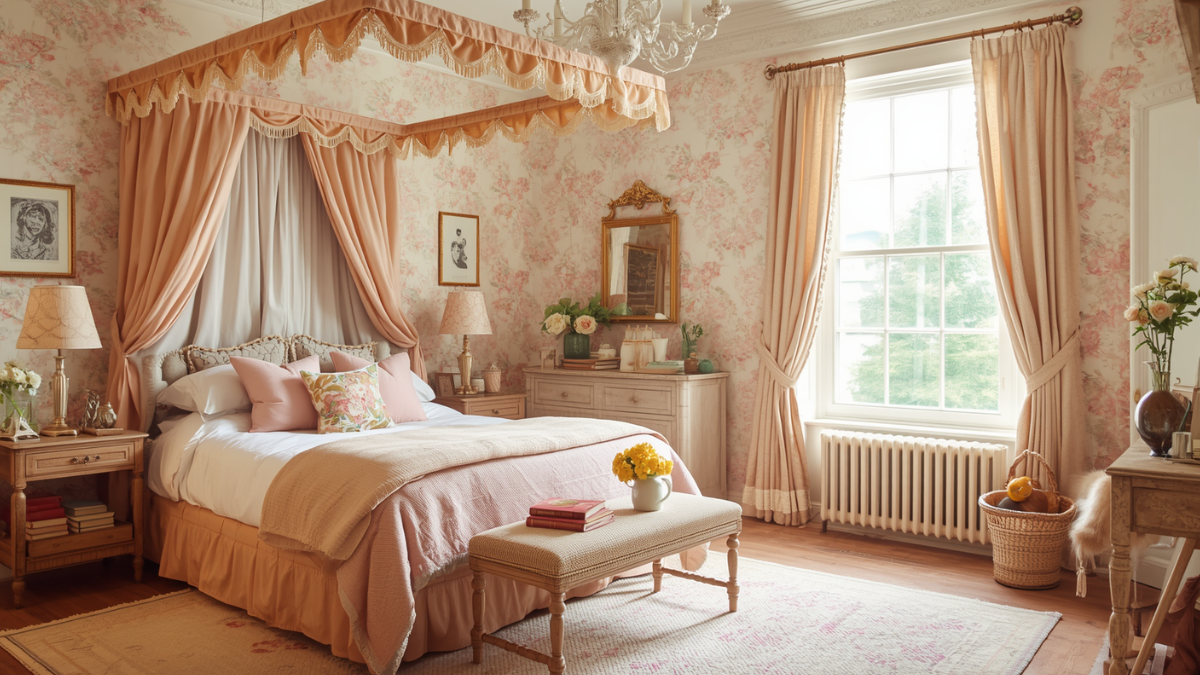
The Bedroom: Soft, Layered, and a Little Undone
The cottagecore bedroom is probably the most Pinterest-famous version of the aesthetic, and it’s also one of the easiest rooms to get right, because bedding does most of the work. A duvet in a small floral or ditsy print, a knitted or crocheted throw at the foot of the bed, and pillowcases with a delicate lace or scalloped edge will carry the whole room even if the furniture itself is fairly plain.
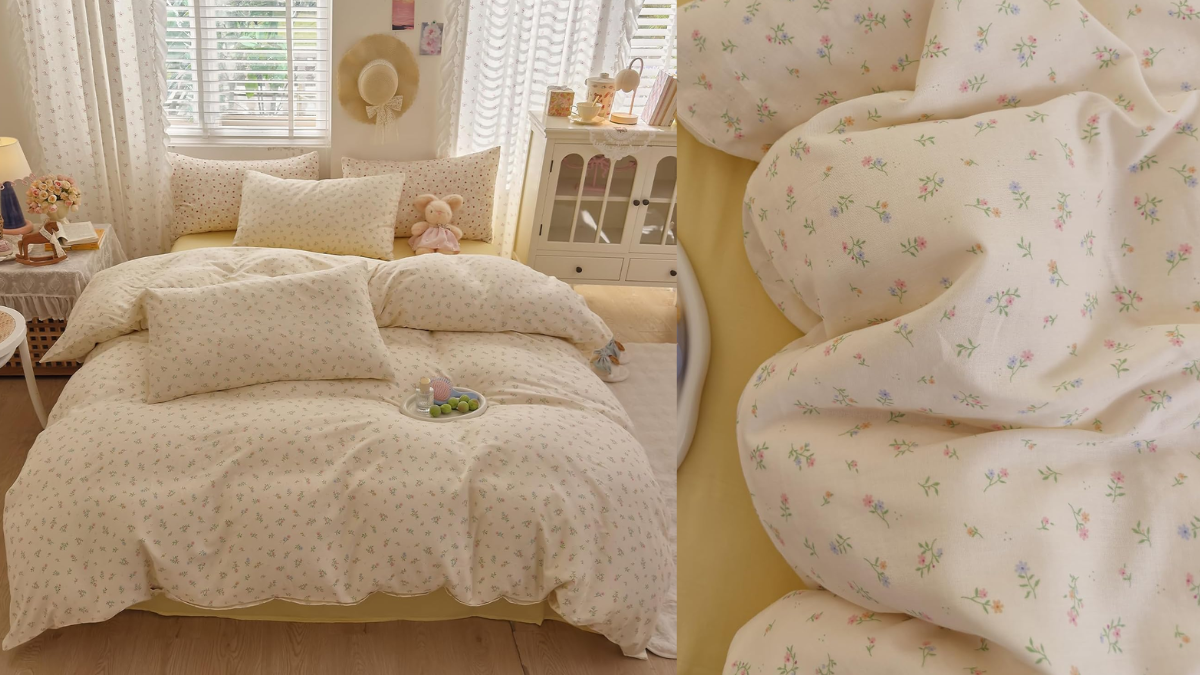
One detail that makes a real difference: skip the perfectly tucked, hotel-corner bed styling. Cottagecore bedding should look slightly rumpled, slightly lived-in — pillows leaned rather than stacked, the throw draped rather than folded. This is one aesthetic where “messy on purpose” is doing exactly what it’s supposed to.
→ Shop it: Ditsy Floral Cotton Duvet Cover Set
Where to Splurge and Where to Save
Splurge on your bedding and kitchen textiles, since these are touched daily and cheap fabric tends to pill or fade fast, undoing the soft, worn-in look you’re going for almost immediately.
Save on decorative florals and small ceramics. Dried flowers, pitchers, and small bowls are widely available at low price points, and the slightly imperfect, budget versions often suit the aesthetic better than a polished, expensive equivalent.
Splurge on at least one vintage or vintage-style furniture piece, since this single item does more to establish the “gathered over time” feeling than several smaller purchases combined.
Save on curtains and rugs, especially in a rental, since these are the easiest and cheapest items to swap out again later if your taste shifts — no need to over-invest in something semi-temporary.
Don’t Forget Lighting — It Sets the Whole Mood
It’s easy to focus entirely on objects and textiles and forget that lighting is doing just as much to create the cottagecore feeling as any pitcher of dried flowers. Cool, bright, overhead lighting works directly against the aesthetic — it flattens texture and gives a room a clinical feeling that no amount of gingham can undo.
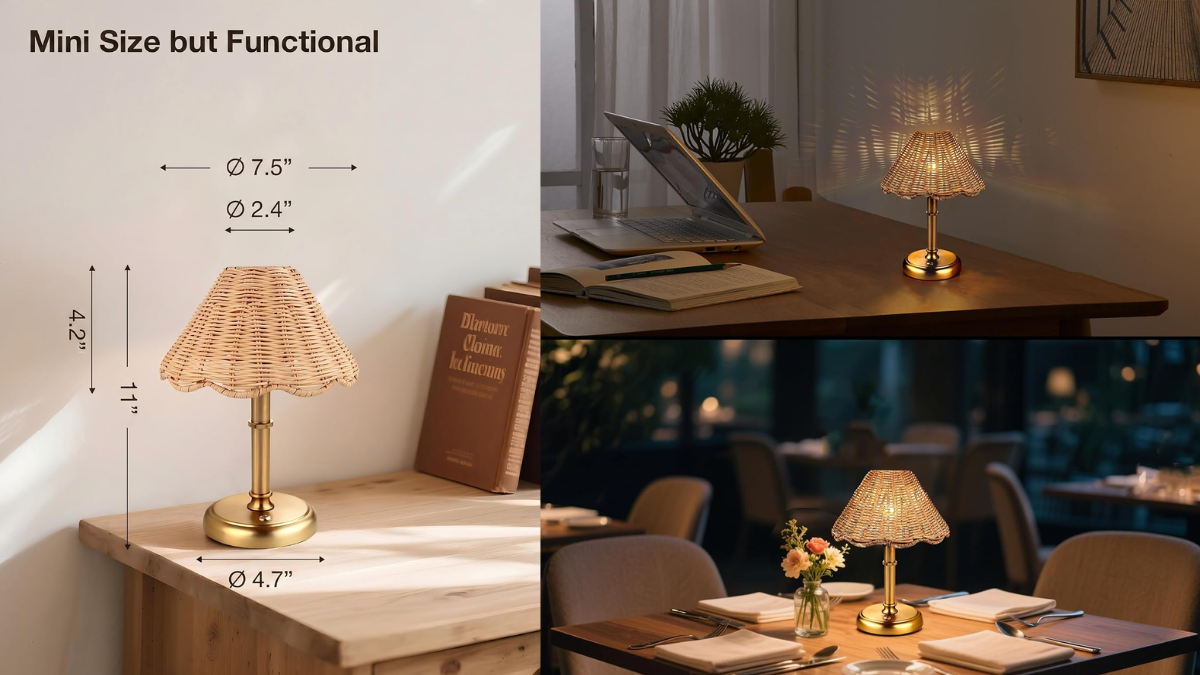
Warm, low-wattage bulbs make an outsized difference here, especially in fixtures with fabric or woven shades rather than bare or metallic ones. A small lamp with a linen or rattan shade on a bedside table or kitchen counter softens the whole room in a way that’s easy to underestimate until you see it side by side with a plain overhead bulb. Candlelight, real or flameless, adds another easy layer — a few taper candles in mismatched holders on a windowsill or dinner table does a lot of aesthetic work for very little money.
If your space allows it, string lights in a warm white tone (never cool white or multicolor) draped along a shelf or window frame add a soft glow that reads as cozy rather than decorative-for-decoration’s-sake. This is one of the cheapest additions on this entire list and consistently one of the most effective.
→ Shop it: Rattan Shade Table Lamp, Warm Light
Small Details That Tie the Whole Room Together
Once the bigger pieces are in place — furniture, bedding, lighting — it’s the small, easy-to-overlook details that push a room from “pretty” to genuinely cottagecore. A stack of well-worn books on a nightstand, a woven basket used for actual storage rather than as pure decoration, a hand-embroidered or crocheted doily under a lamp — none of these are expensive, and none of them require planning ahead. They’re the kind of details that accumulate naturally in a home that’s lived in for years, and they’re worth seeking out deliberately if your space is newer or more recently furnished.
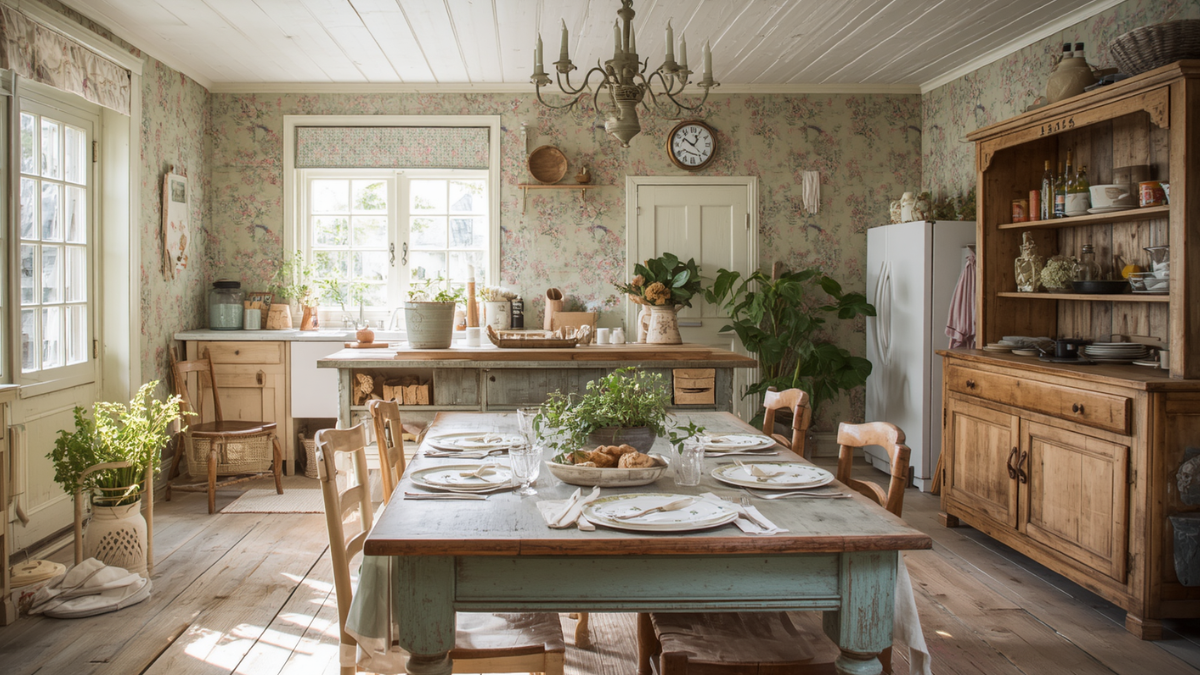
This is also a good place to let a little imperfection show on purpose. A slightly chipped mug used as a pen holder, a mismatched set of dining chairs, a quilt with a visibly hand-stitched patch — these aren’t flaws to hide in a cottagecore room. They’re the details that make the aesthetic feel earned rather than purchased.
Quick Answers: Cottagecore Home Decor FAQ
Is cottagecore the same as farmhouse decor? Not quite. Farmhouse decor tends to be more neutral, structured, and rustic-industrial (think shiplap and black metal accents), while cottagecore leans romantic, floral, and softer in both color and texture. The two aesthetics overlap but aren’t interchangeable.
Can cottagecore work in a modern apartment? Yes — the aesthetic translates through textiles, small furniture pieces, and accessories more than through architecture, so it doesn’t require exposed beams or a literal cottage to pull off convincingly.
What colors are typical in cottagecore home decor? Soft, slightly faded tones: sage green, dusty rose, cream, buttery yellow, and muted florals. Bright, saturated colors tend to work against the aesthetic’s gentle, worn-in feeling.
How do I avoid making the room look like a costume? Mix in restraint and variety — not every surface needs a floral print, and at least a few plain, solid pieces should balance the patterned ones. Vintage or secondhand furniture also helps enormously, since it avoids the uniform, brand-new look that can tip the aesthetic into theme-party territory.
A Home That Feels Gathered, Not Staged
The lasting appeal of cottagecore isn’t really about gingham or wildflowers — it’s about a home that feels like it was built slowly, piece by piece, by someone who actually lives in it. That’s a feeling worth chasing regardless of which aesthetic label it falls under, and it’s also, conveniently, one of the more forgiving trends to build gradually. You don’t need to furnish the whole room this weekend. One dried bouquet, one worn wooden chair, one softly patterned throw — cottagecore rewards patience more than almost any other decor style, which might be exactly the point.
About the Author