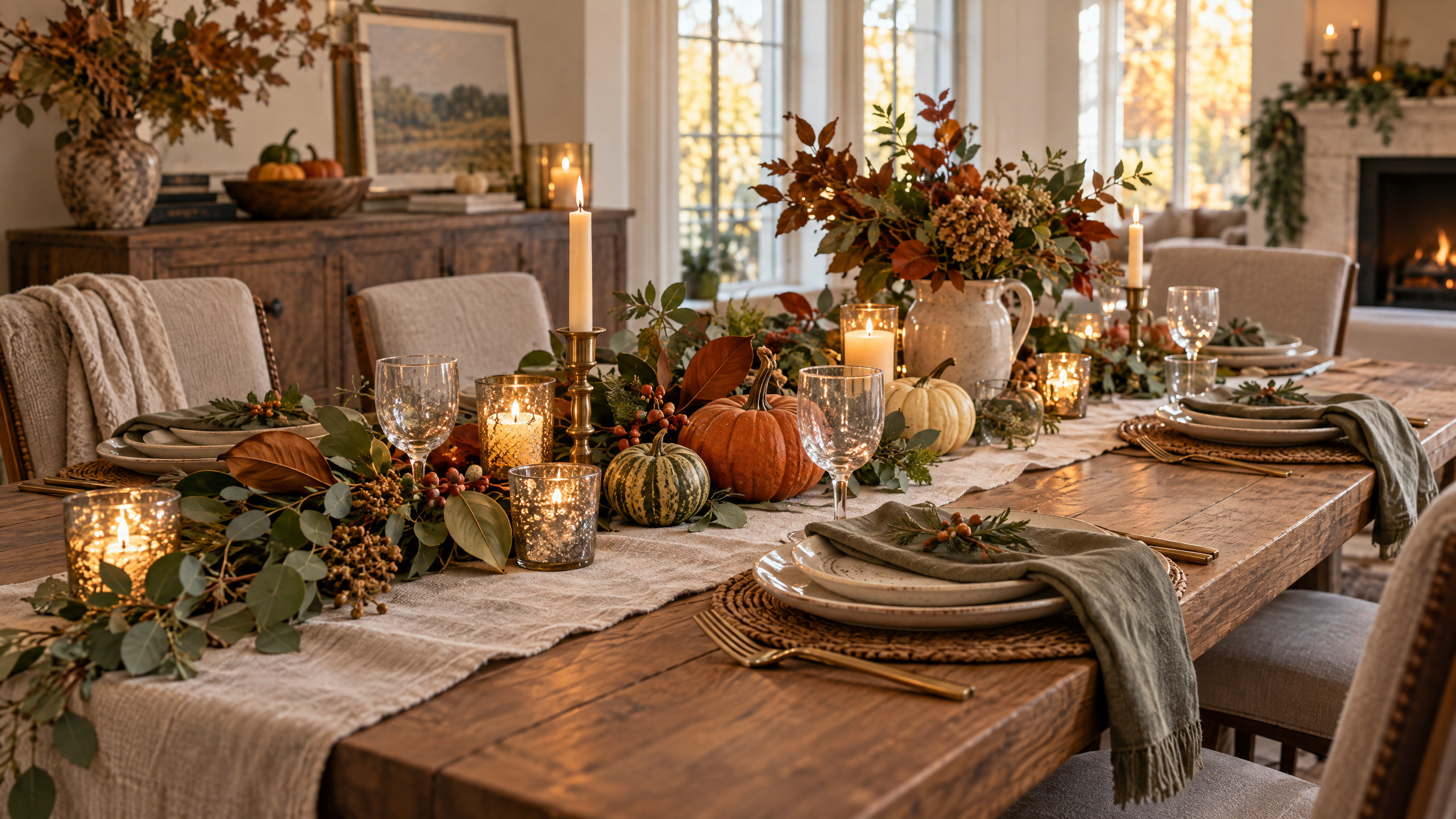
An Inclusive Thanksgiving Table: Comfortable Seating, Clear Serving Space, and Thoughtful Details
Opening your home for Thanksgiving is an act of generosity, but generosity paired with thoughtfulness creates a table everyone can use and enjoy. An inclusive Thanksgiving table setup is less about trends and more about practical choices: seating that supports bodies, clear serving logistics so dishes move easily, place markers people can read and feel, attention to sensory needs, and space for different traditions and diets without assuming everyone celebrates the same way. Below are concrete, friendly strategies you can use now—plus realistic tradeoffs so you can choose what fits your space and family.
Start with flow and access—plan how people will move
A welcoming table begins before anyone sits down. Map entry points to the dining area, routes from kitchen to table, and where people will congregate while food is served. If your table sits in a tight room, consider serving buffet-style along a sideboard or counter to keep the tabletop less crowded and the chairs usable. Ask guests what would make arrival and seating comfortable rather than assuming. Ask guests what would make arrival and seating comfortable rather than assuming. Ask guests what would make arrival and seating comfortable rather than assuming.
Think in zones: arrival/coat drop, drink station, seating, serving line, and a quiet or kids’ corner. Give each zone a clear surface or basket so items don’t migrate into walking paths. If someone uses a mobility aid, ask about their preferred route and allow enough clear space for the device to approach and turn; move low tables and spare chairs out of that route. Follow applicable accessibility guidance.
Tradeoff: moving food off the table reduces intimacy but increases comfort for guests who need room to maneuver. If you prefer a single-table meal, designate a server—someone who will pass platters—so guests aren’t reaching over each other.
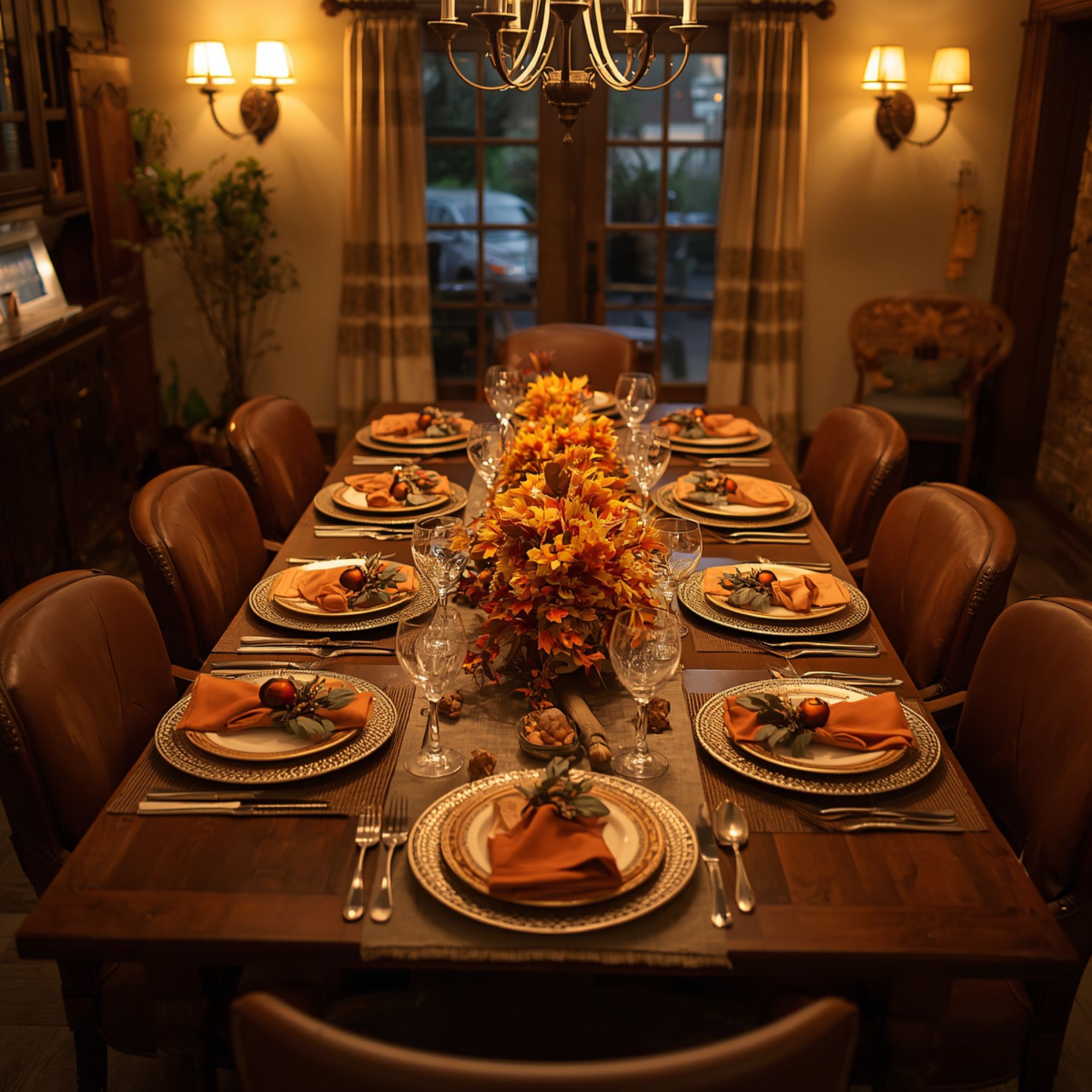
Comfortable seating—support, spacing, and choices
Seating matters more than many hosts expect. Guests who are comfortable linger longer; those who are not may need to stand or move frequently.
- Seat height and support: avoid assuming one chair works for everyone. Offer a mix of stable chairs, including options with supportive backs and arms, and ask guests privately if they need a particular seat or cushion.
- Spacing: give each guest comfortable elbow room and keep the approach to seats unobstructed. If the table is narrow, set serving platters on a separate surface instead of crowding place settings.
- Variety: Provide a mix of chairs when possible—upholstered, wooden with cushions, and at least one armchair. Labeling an “easier sit” option when guests arrive is a small kindness.
- Temporary swaps: If you use folding chairs, swap out thin metal seats with padded covers or add a slip-on cushion. A non-slip pad beneath cushions prevents shifting when people stand.
Tradeoff: Swapping furniture can change your aesthetic. Prioritize comfort over visual uniformity for at least two to three spots so everyone has an accessible option.
Quick seating checklist
- Two chairs with armrests
- Cushions and non-slip pads available
- Comfortable space at every place setting
- Clear access on both sides of the table for servers

Serving logistics – clear space, designated stations, and utensil hygiene
Dinner becomes chaotic when serving and plate traffic aren’t choreographed. Clear serving logistics minimize spills and social friction.
- Clear the center or create a line: Either reserve a clear center area for passing plates or move most platters to a side buffet. Choose the approach that leaves seats, mobility paths, and serving routes usable.
- Staging and heat: Use trivets and hot pads on the buffet rather than the table’s surface; label hot dishes and place hot-sensitive items where they won’t be bumped.
- Serving tools and replacement utensils: Provide a serving utensil with each dish and a labeled spare to prevent cross-contamination (especially important for vegan/vegetarian or allergy-friendly foods). Keep a small tray for used serving tools so they don’t get mixed into clean ones.
- Kid and reach considerations: Place kid-friendly, unbreakable plates and utensils near the end of the buffet or at a lower station so children can serve themselves without reaching across adult dishes.
Tradeoff: Moving to a buffet may feel less formal. If you want the aesthetic of a plated table, set place settings first and stagger serving dishes on the buffet so heat and accessibility are optimized.
Serving station checklist
- Dedicated utensil per dish plus a spare
- Hot pad/trivet for each warm dish
- Allergen labels and a separate utensil tray
- Child-accessible area or smaller plates within reach

Place markers and legibility—names people can read and use
A thoughtful place marker helps guests feel seen and reduces confusion. Make them simple, high-contrast, and accessible.
- Typography and size: For printed place cards, use large, high-contrast type and simple letterforms. Ask guests what is easiest to read, and avoid ornate scripts when legibility matters.
- Tactile cues: For visually impaired guests, add a small tactile identifier—ribbon knots, textured washi tape, or raised stickers—so they can find their seat by touch.
- Neutral phrasing: Instead of assuming familial roles, write full names or preferred names. If someone has a chosen pronoun or title, honor that.
- Digital-turned-physical: Digital watercolor papers or printable templates are handy if you want a seasonal look without bulk. For example, a high-resolution PNG with autumn swirls can be cropped into place cards or tent cards—just remember to verify use rights before printing or distributing. (See a watercolor option here: Autumn Leaf Swirls Watercolor Digital Paper.)

Tradeoff: Customized place cards take prep time. If you’re short on time, a small chalkboard tag or a simple card stock rectangle will still feel intentional and readable.
Sensory comfort—lighting, sound, and scent
Holidays are a sensory buffet. A few adjustments can make the difference between an overwhelming evening and one guests remember fondly.
- Lighting: Choose layered lighting. Soft overhead ambient light with warmer task lighting at the food and brighter spots near the buffet helps people see without harsh glare. If you have dimmers, use them; otherwise, reduce harsh overhead glare and add stable lamps or flameless lights for warmth.
- Sound: Background music at a low level smooths conversation but allow for a quiet area or a “low-sound corner” for guests who need a break. Avoid high-volume playlists or songs with jarring transitions.
- Scent: Many people enjoy seasonal scents, but strong fragrances can be problematic for those with asthma, migraines, or scent sensitivities. Choose unscented lighting; use flameless candles when an open flame would be unwelcome or unsuitable. If you use potpourri or simmering spices, notify guests ahead of time or keep it distant from seating.
- Seating for sensitivity: Offer a quieter chair at the table’s edge or a nearby couch for anyone who needs to step away from the main action.
Tradeoff: Removing all scent and music may feel flat to some. Keep options available and ask a few guests before hand whether they have strong preferences or sensitivities.
Making room for different traditions and dietary needs
Assume diversity: guests may be vegetarian, keep kosher or halal, avoid gluten, or not celebrate Thanksgiving at all. Make space—literally and symbolically.
- Labeling: A simple tent card in front of each dish describing what it is and key ingredients (e.g., “Green Beans—contains dairy; no nuts”) helps people choose confidently. Use icons—v, gf, contains nuts—for a quick visual scan.
- Separate tools and serving bowls: If cross-contact is a concern, use dedicated utensils and bowls for allergen-free dishes and mark them with a colored ribbon or sticker.
- A ritual shelf: Set a small, respectful sideboard for guests to add or keep items meaningful to their tradition—prayer books, a small candle, or photographs. This signals openness and honors difference without making assumptions.
- Non-celebration guests: If someone doesn’t celebrate Thanksgiving, provide neutral conversation starters and the option of joining a casual “shared meal” format rather than ritualized toasts or prayers.
Tradeoff: Providing many labeled dishes requires more prep and dishes. If that isn’t feasible, invite guests to bring a labeled dish they rely on and reserve a small fridge space for their needs.
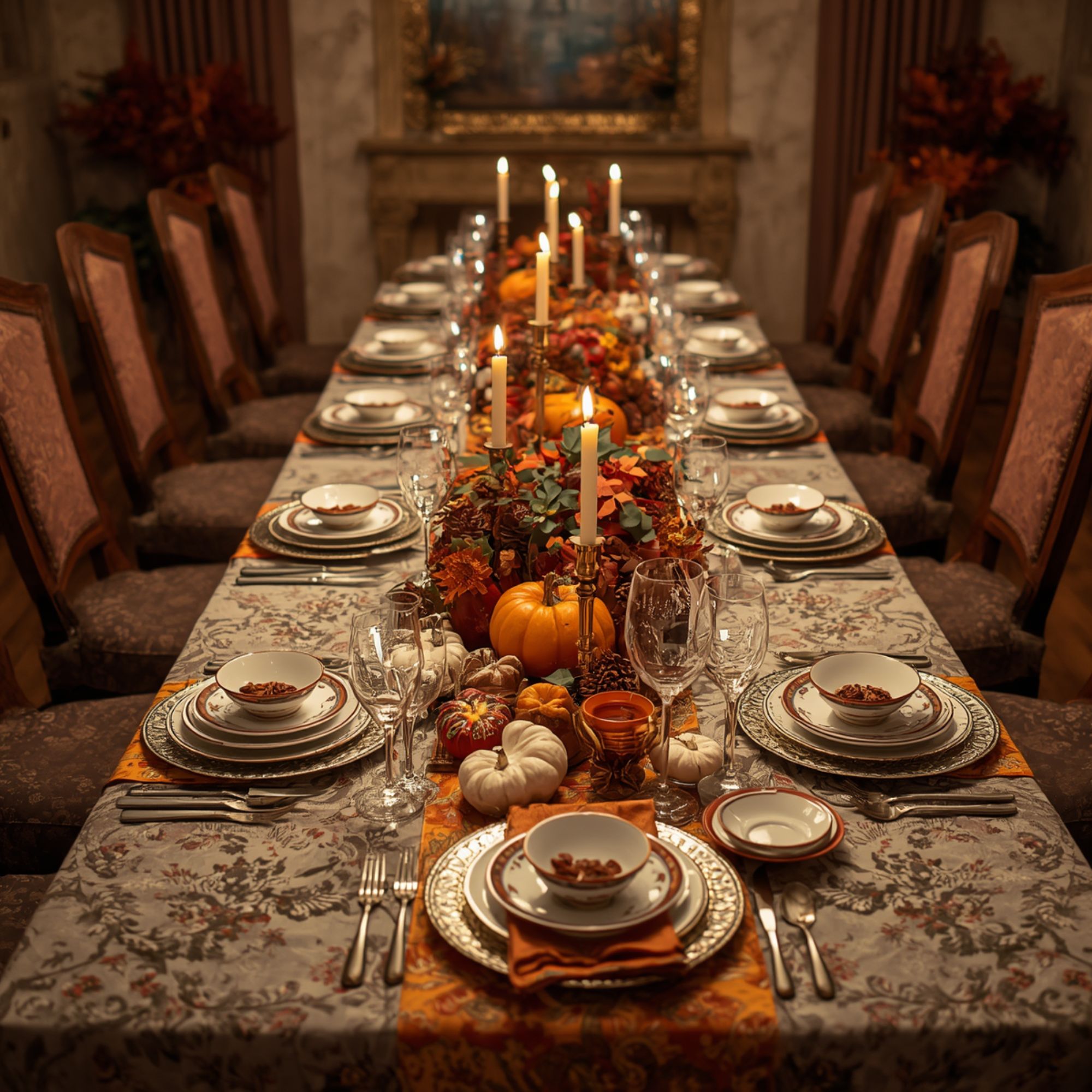
Ending with a practical checklist and a small memory
A great inclusive table is both planned and adaptable. Here’s a compact checklist to print and keep during prep:
- Clear path from entry to table and kitchen
- At least two chairs with arms and cushions on hand
- 24 inches planned per seated guest
- Buffet or 12–16 inch center pass zone established
- Serving utensil per dish + spare, and hot trivet ready
- Place markers with 18–22 pt legible type + tactile cue options
- Labels for ingredients/allergens and separate utensils if needed
- Low-scent candle option and a quiet corner
- Small ritual shelf or side table for varied traditions
- Confirm dietary needs ahead and save fridge/heat space
A memorable Thanksgiving doesn’t require perfection—only preparation and humility. When you set an accessible, comfortable table, you give guests permission to rest and be themselves. Those small decisions—a chair that supports an older back, a clear aisle for a stroller, a labeled dish for someone with allergies—add up. They transform a holiday meal into hospitality that’s truly for everyone.
Frequently Asked Questions
How do I seat someone who uses a wheelchair at the table?
Ask the guest how they prefer to approach and sit. Keep the route and the chosen table edge clear, move the chair only with their agreement, and check that table supports do not obstruct their device. Use applicable accessibility guidance for dimensions.
Can I use printable digital papers for place cards?
Yes—digital watercolor papers and templates are a quick way to create place cards. Verify the seller’s use rights before printing or distributing, and choose high-contrast type and larger font sizes for legibility.
What’s the easiest way to label allergen-free foods?
Use small tent cards or stickers with common icons (e.g., “GF,” “V,” “Contains Nuts”) and a brief ingredient note. Keep dedicated serving utensils and a separate tray for used tools to reduce cross-contact.
About the Author





