SEO, Social, and Everything Else: A No-Overwhelm Guide to Digital Marketing for Small Businesses
If you’ve ever opened five browser tabs trying to figure out whether you should be focusing on SEO, Instagram, email, or paid ads this month, you already know the real problem with digital marketing advice: there’s too much of it, it all sounds urgent, and none of it tells you what to actually do first.
Here’s the reframe that helps: you don’t need to master every channel. You need to understand how they work together, then choose your starting point deliberately.
Every Channel Plays a Different Role
SEO and content marketing build long-term, compounding visibility — slow to start, valuable for years. Social media builds relationship and immediacy — fast feedback, shorter shelf life. Email marketing owns your audience directly, outside of any algorithm’s mood that day. Paid ads buy speed when you need results now. None of these replace the others; they each solve a different problem, which is exactly why “just do social media” or “just do SEO” advice tends to underdeliver.
Where Most Small Businesses Should Actually Start
If you’re building from zero, the highest-leverage starting point is usually the channel that matches your strength and your audience’s habits — not the one that’s trendiest. A visually-driven product does well starting with social and content. A service business with a longer sales cycle often benefits more from SEO and email from day one. Chasing every channel simultaneously with no primary focus is the single most common reason small business marketing efforts stall out.
AI Has Changed the Math — But Not the Fundamentals
AI tools now make content production, keyword research, and even ad copy dramatically faster — which is genuinely useful, but only if the underlying strategy is sound. AI can help you execute a marketing plan faster. It can’t replace having a plan in the first place.
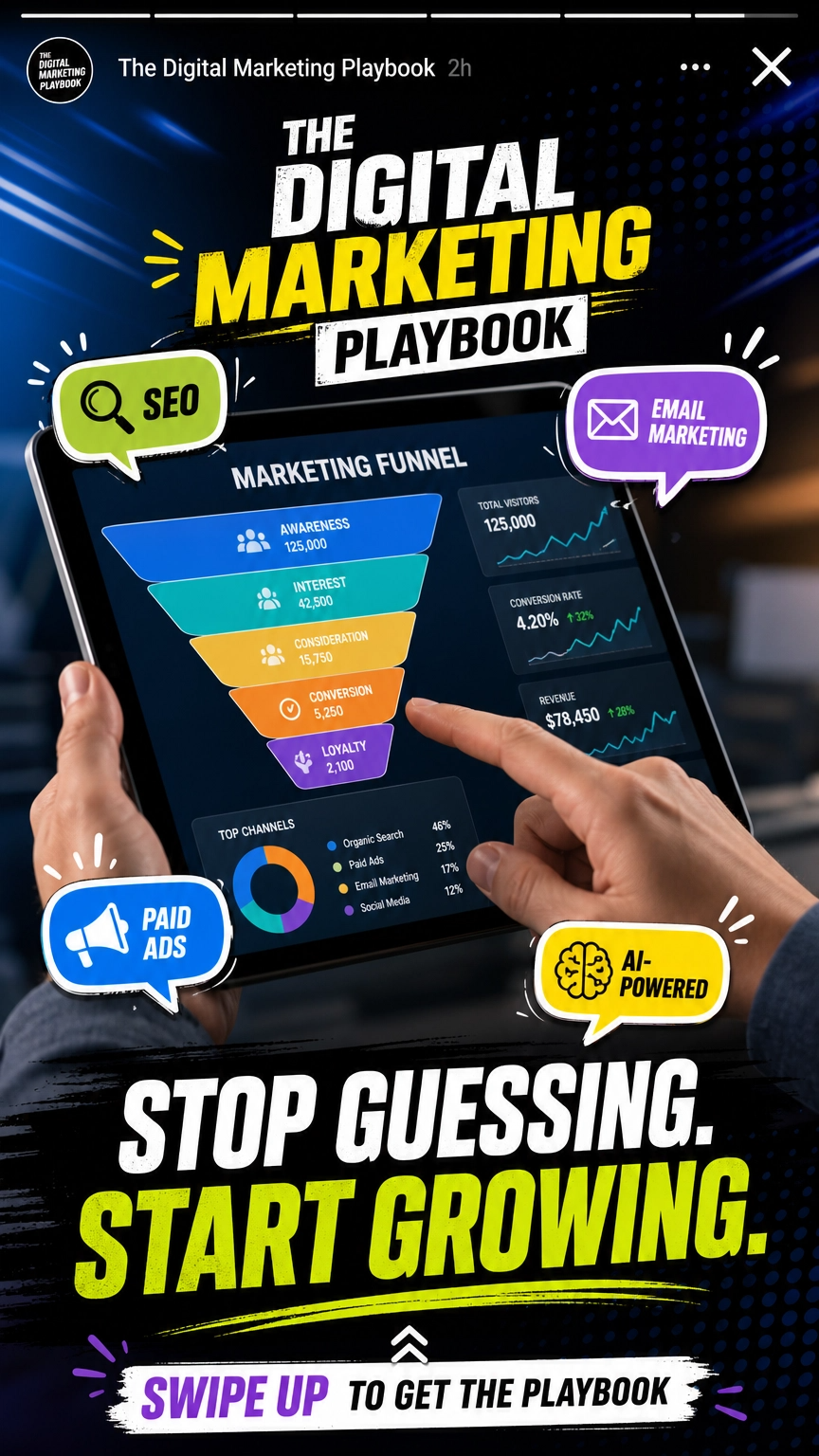
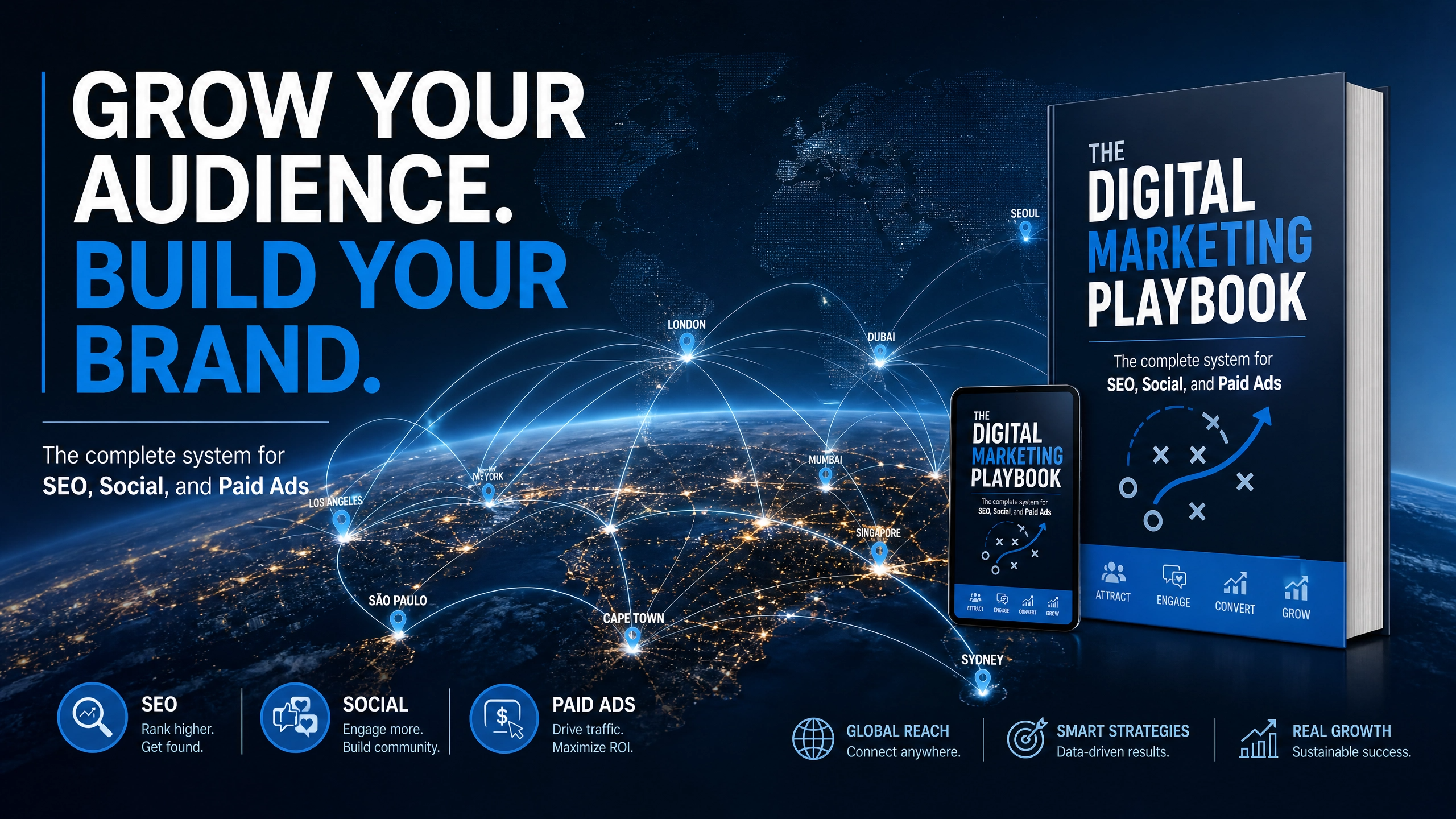
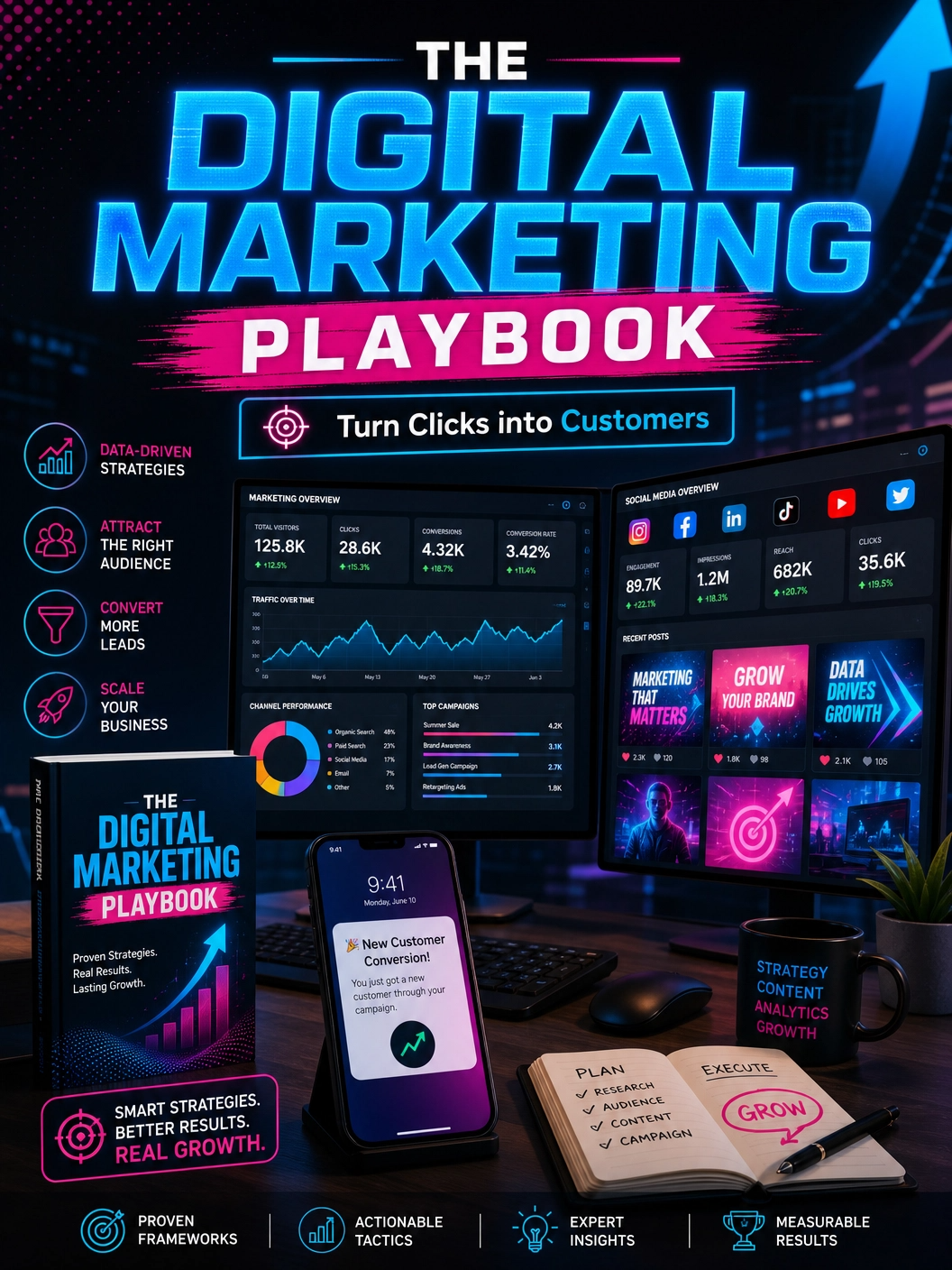
The Digital Marketing Playbook covers all of it in one place — SEO, content, social, email, paid ads, and AI — built to help you grow an audience and turn clicks into customers without needing a separate course for every channel.
Pick One Channel, Get Genuinely Good at It, Then Expand
The businesses that grow steadily are almost never the ones doing eight things at 20% effort. They’re the ones doing one or two things at 90% effort, consistently, long enough to see compounding results — then adding a channel once the first one is working.
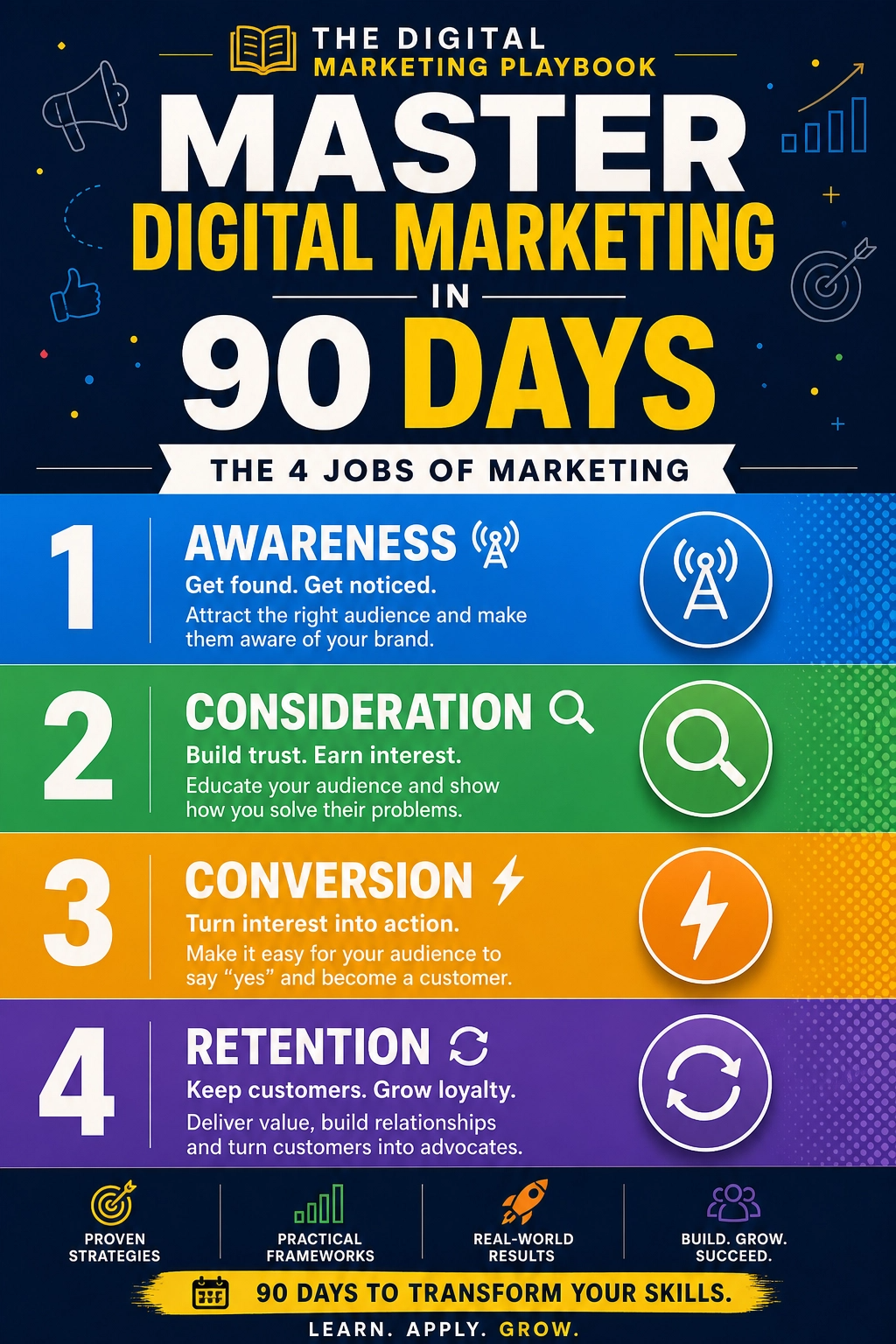
If you’re ready for a clear, complete roadmap instead of forty scattered tabs, The Digital Marketing Playbook covers every channel in one practical guide.
About the Author