
9 Ways to Destress Through Entertainment (That Actually Work)
Here’s the trap so many of us fall into: after a genuinely exhausting day, we reach for our phones “just to relax” — and forty-five minutes later, we’ve somehow absorbed three arguments, two ads, and a stranger’s vacation photos, and we feel more wired than when we started. Scrolling isn’t rest. It just looks like it.
Real entertainment-based stress relief works differently — it actually gives your brain somewhere to land. Below are 9 ways to unwind that go beyond the algorithm, the kind that leave you feeling recharged instead of just distracted.
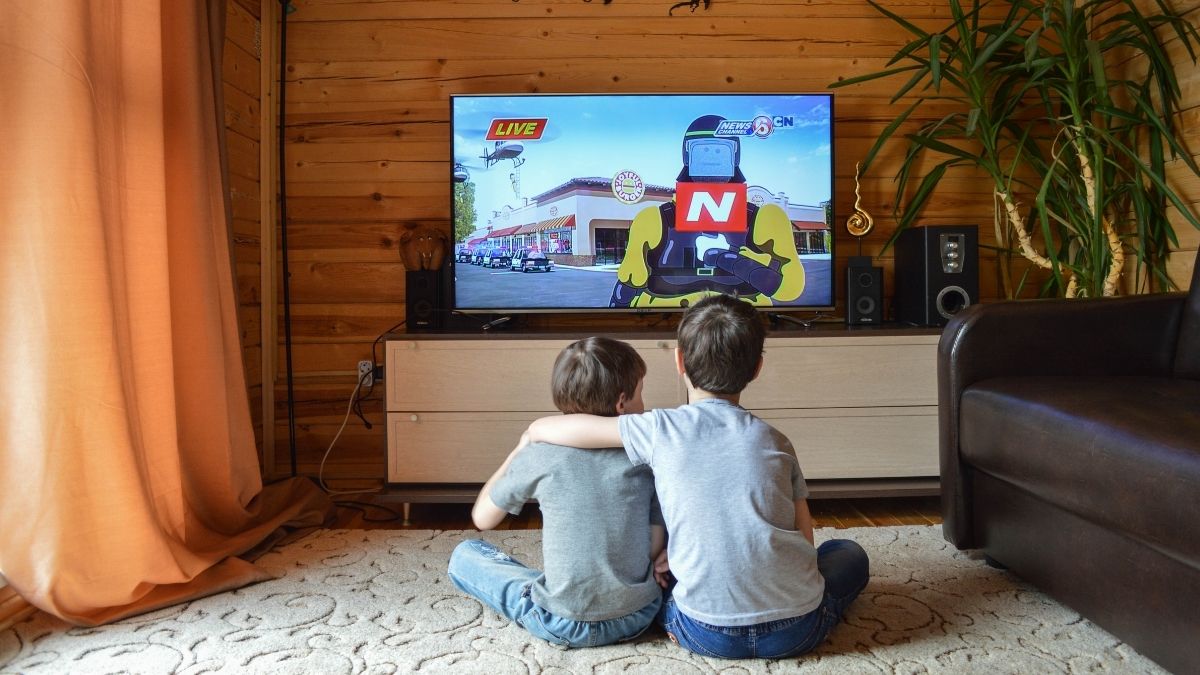
Why Not All “Relaxing” Activities Actually Relax You
The difference between something that genuinely destresses you and something that just numbs you out usually comes down to one thing: does it require just enough of your attention to pull you out of your head? Passive scrolling asks nothing of you, which is exactly why it doesn’t work — your mind stays free to keep spinning in the background. The best stress relief gives your brain a gentle job to do.
1. Puzzles
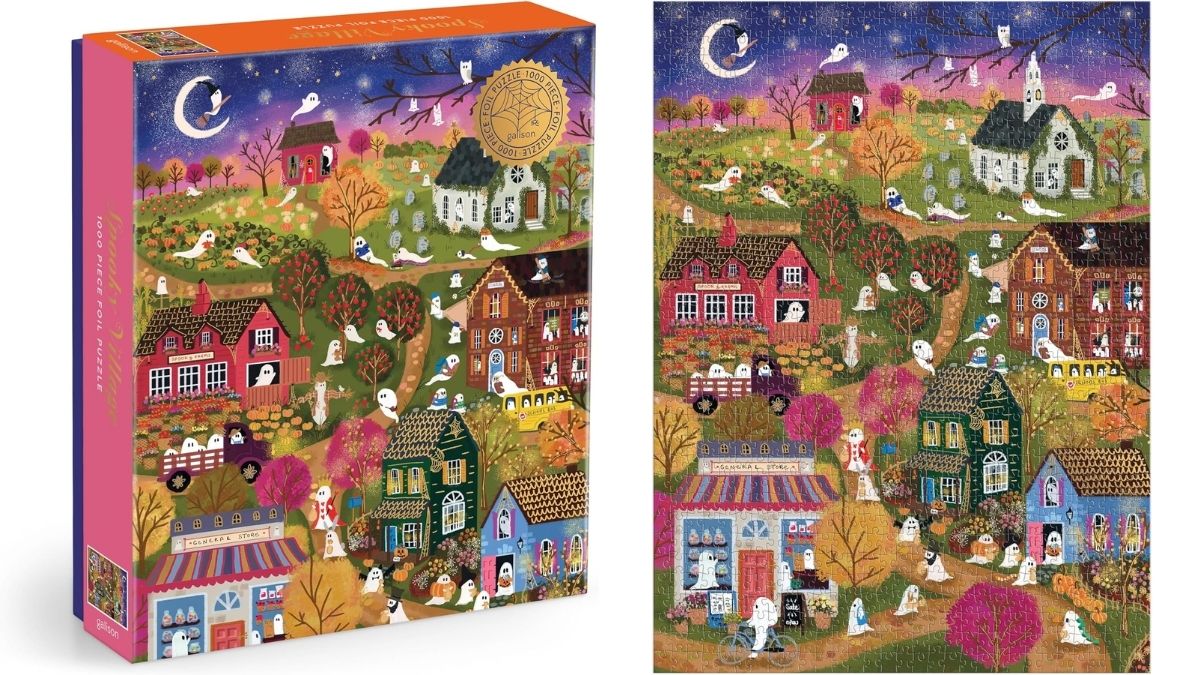
There’s something almost meditative about a jigsaw puzzle — it demands just enough focus to quiet a racing mind, without the pressure of a deadline or a “right answer.” Put on a low-stakes show in the background, and you’ve got an evening that feels productive and restful at once.
→ Shop it: 1000-Piece Watercolor Landscape Puzzle
2. Comfort Rewatches
There’s a reason we return to the same show or movie when we’re stressed — familiarity is genuinely soothing. Your brain doesn’t have to work to predict what happens next, which frees up mental space to actually relax instead of staying on alert. Give yourself permission to rewatch instead of always chasing something new.
3. Coloring or Low-Stakes Art
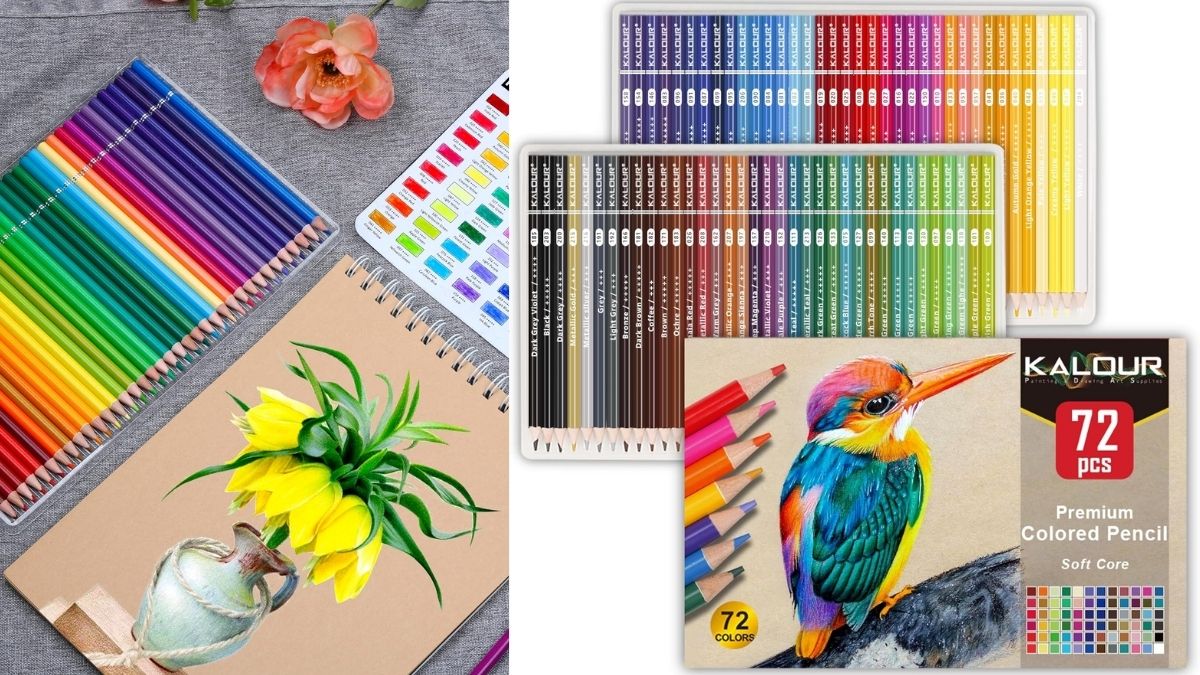
You don’t need talent for this one — that’s the whole point. Coloring books for adults, doodling, watercolor kits: the goal isn’t a finished masterpiece, it’s giving your hands something rhythmic to do while your mind quiets down.
→ Shop it: Adult Coloring Book with Colored Pencil Set
4. Audiobooks or Podcasts During a Walk
Pairing gentle movement with a story or conversation you enjoy hits two stress-relief buttons at once — physical activity to burn off tension, and mental engagement that’s absorbing but not demanding. It’s one of the easiest ways to destress that also gets you outside.
5. Board or Card Games
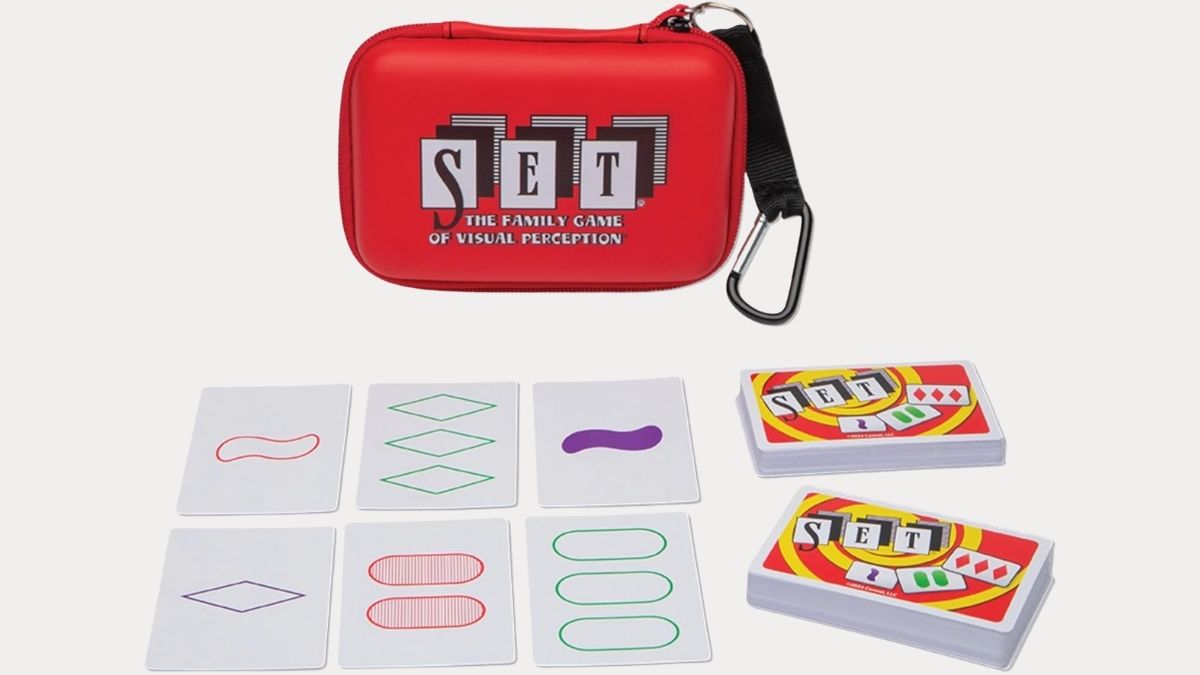
Games pull you fully into the present moment in a way few other activities do — you can’t ruminate about tomorrow’s to-do list while you’re trying to win at cards. Even a solo card game can work as a surprisingly effective reset.
→ Shop it: Classic Card Game Set in Travel Case
6. Music That Matches, Then Shifts, Your Mood
Instead of forcing yourself into “relaxing” music when you’re wound up, start with something that matches your actual energy, then gradually ease into something calmer. It sounds small, but letting your emotions be acknowledged first — rather than immediately suppressed — tends to help you actually settle.
7. Baking or Cooking Something Just for Fun
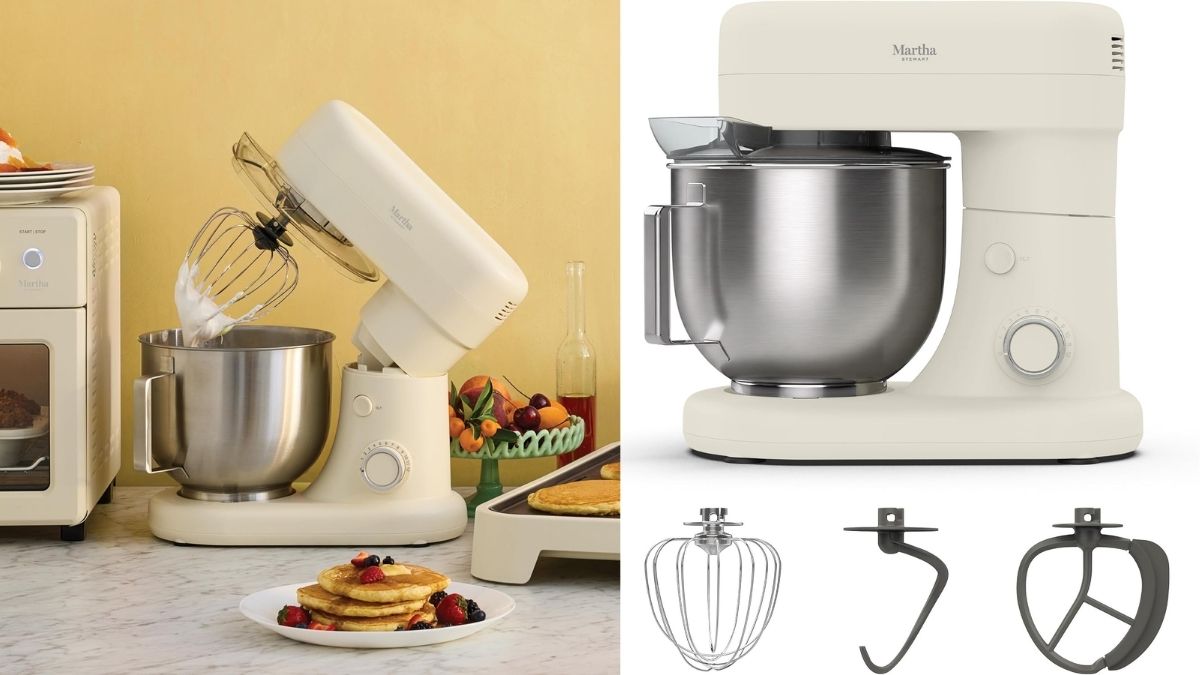
Cooking with no pressure — not for a deadline, not to impress anyone, just because you feel like it — is one of the most underrated forms of entertainment-based stress relief. It’s sensory, hands-on, and gives you something warm and real to show for your evening.
→ Shop it: Stand Mixer for Easy Weeknight Baking
8. Journaling With a Prompt
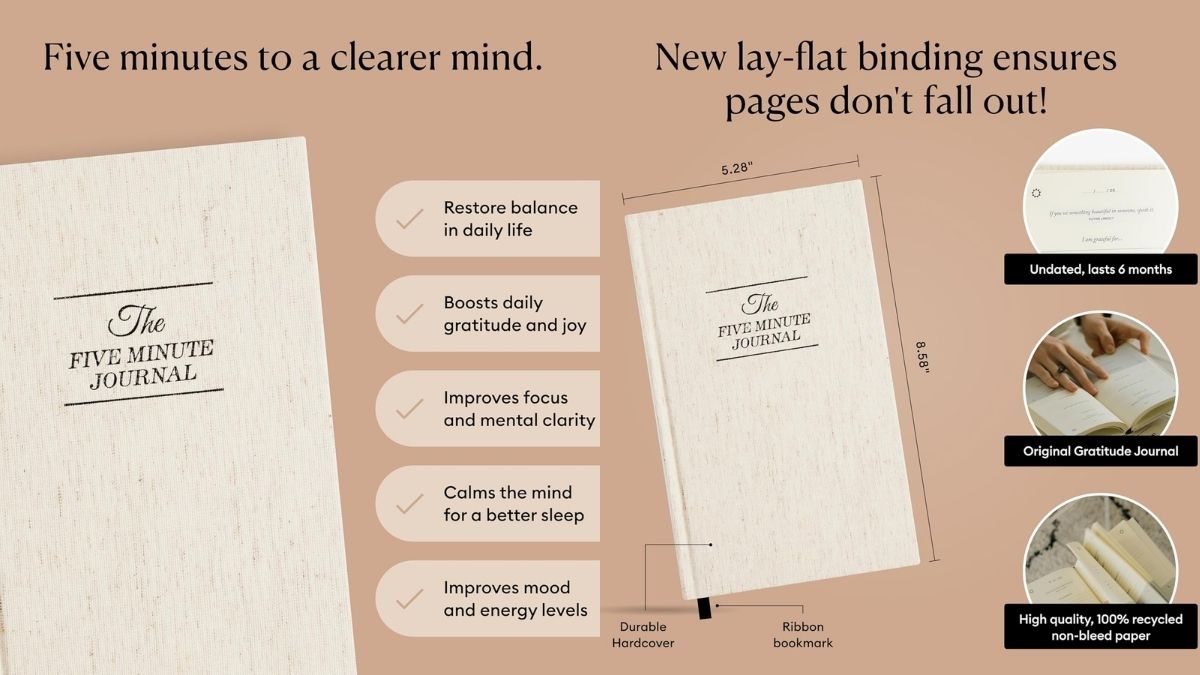
Staring at a blank page can feel like more pressure than relief — but a simple prompt (“What’s one thing that went right today?”) gives your brain a gentle place to unload without needing to write an essay. A few minutes is enough.
→ Shop it: Guided Journal with Daily Prompts
9. Live Music, Comedy, or a Show
Entertainment doesn’t have to happen at home. Getting out to experience something live — a small comedy show, a local band, a movie in an actual theater — pulls you fully out of your routine in a way that screens at home rarely can.
The Real Trick: Match the Activity to Your Actual State
Not every stressful day calls for the same fix. Some days you need something mindless (a comfort rewatch); other days you need something engaging enough to fully occupy your thoughts (a puzzle, a game). Paying attention to what your mind actually needs — numbing out versus gently redirecting — is what separates entertainment that helps from entertainment that just fills time.
You May Also Like: 11 Feel-Good Movies and Shows to Watch When You Need a Mental Reset
About the Author