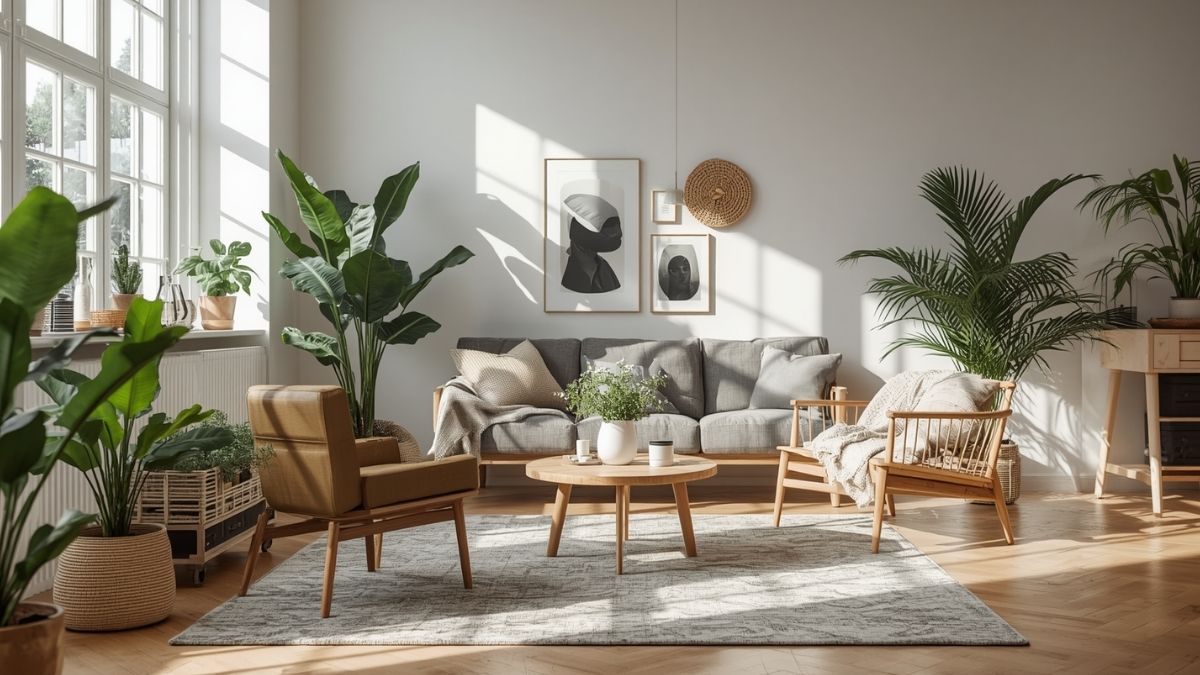
Scandinavian Home Decor: The Cozy-Minimal Formula That Never Goes Out of Style
Every few years, a new decor trend promises to be “the one that finally makes your home feel like you.” Most of them fade within a season. Scandinavian style has managed to stick around for decades, and there’s a simple reason why: it was never really a trend. It’s a formula — light, function, and warmth in careful balance — and formulas don’t go out of style.
If you’ve ever walked into a home that felt effortlessly calm without being cold or bare, there’s a good chance Scandinavian design principles were at play. Here’s how to bring that same feeling into your own space.
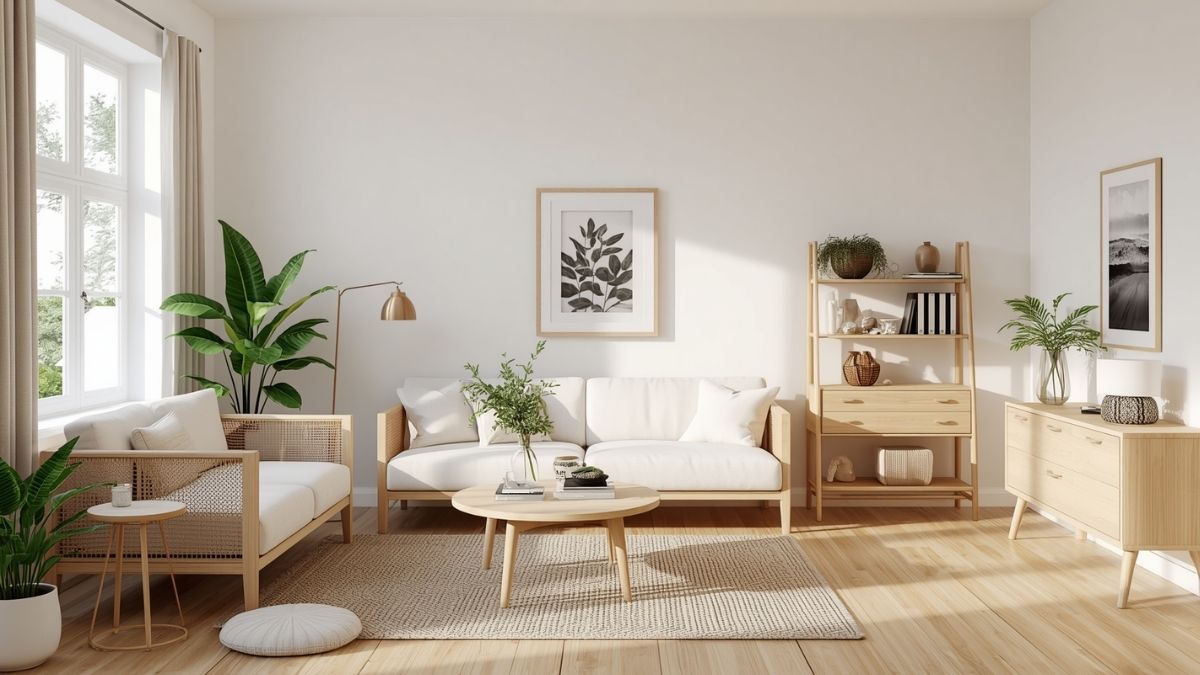
What Makes a Room “Scandinavian,” Exactly?
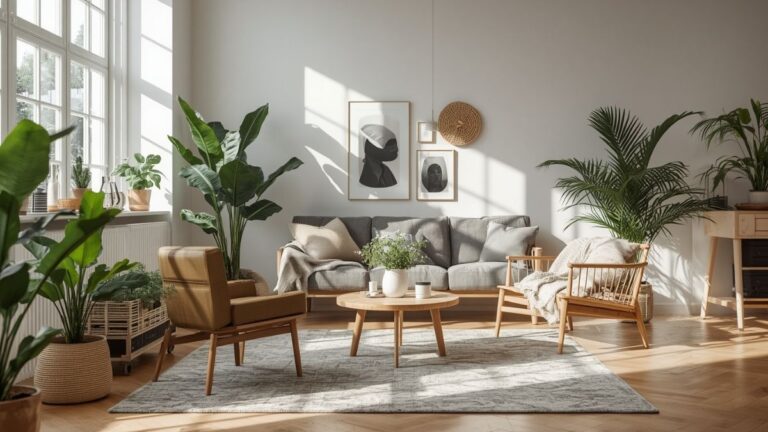
Scandinavian decor gets lumped in with minimalism a lot, but the two aren’t quite the same thing. Where minimalism can lean stark, Scandinavian style is minimalism’s warmer, cozier cousin — it’s called hygge for a reason. The goal isn’t an empty room; it’s a room that feels light, functional, and quietly comfortable, built around pale wood, soft textiles, and just enough greenery to feel alive.
Three things define it: light (as much natural light as possible, echoed by pale furniture and walls), function (nothing decorative that isn’t also useful), and texture (because an all-neutral room needs something to keep it from feeling flat).
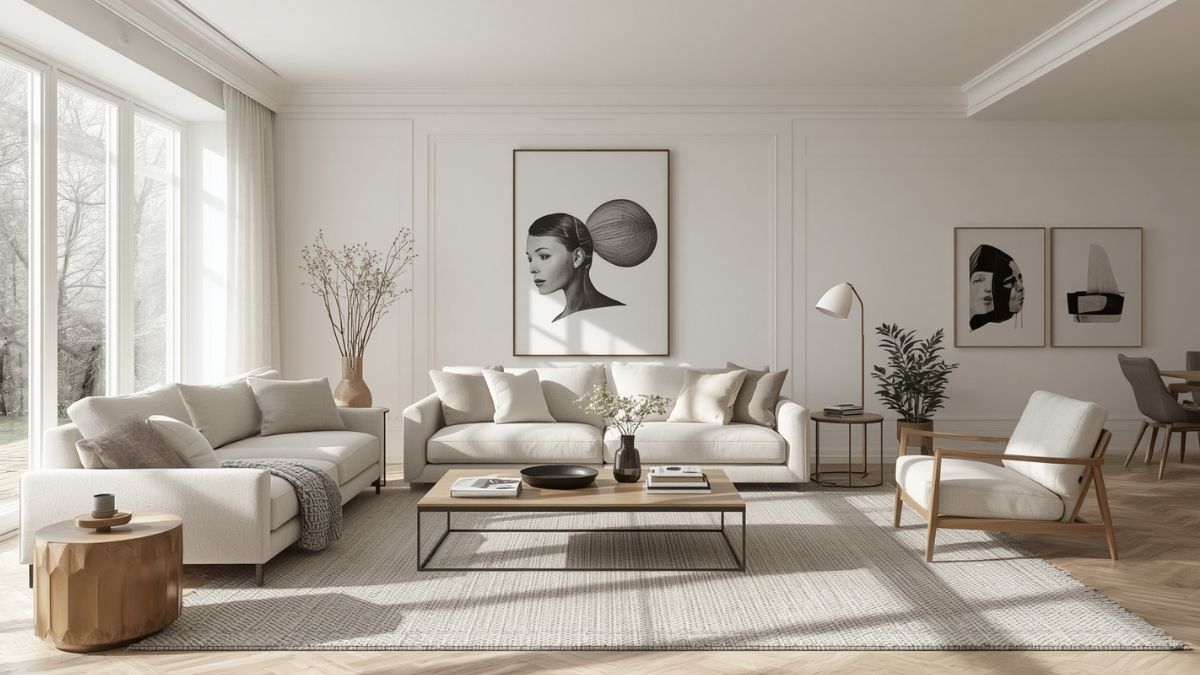
1. Lean Into Pale, Natural Wood
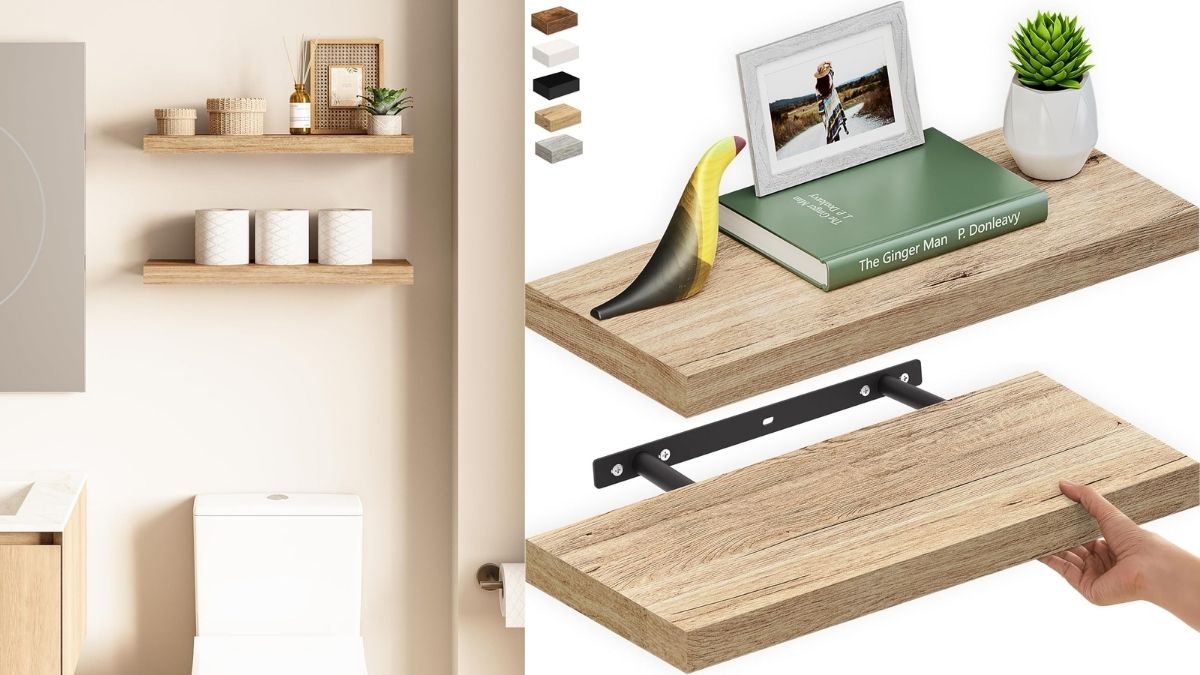
If there’s one material that says “Scandinavian” instantly, it’s light wood — think birch, ash, or pale oak rather than anything dark or heavily stained. It shows up in furniture, but also in smaller accents: a wood tray, a set of coasters, a simple wall shelf.
→ Shop it: Light Oak Floating Wall Shelves, Set of 2 — an easy way to bring the look into a rental without touching a wall permanently.
2. Add Texture With Chunky Knits and Sheepskin
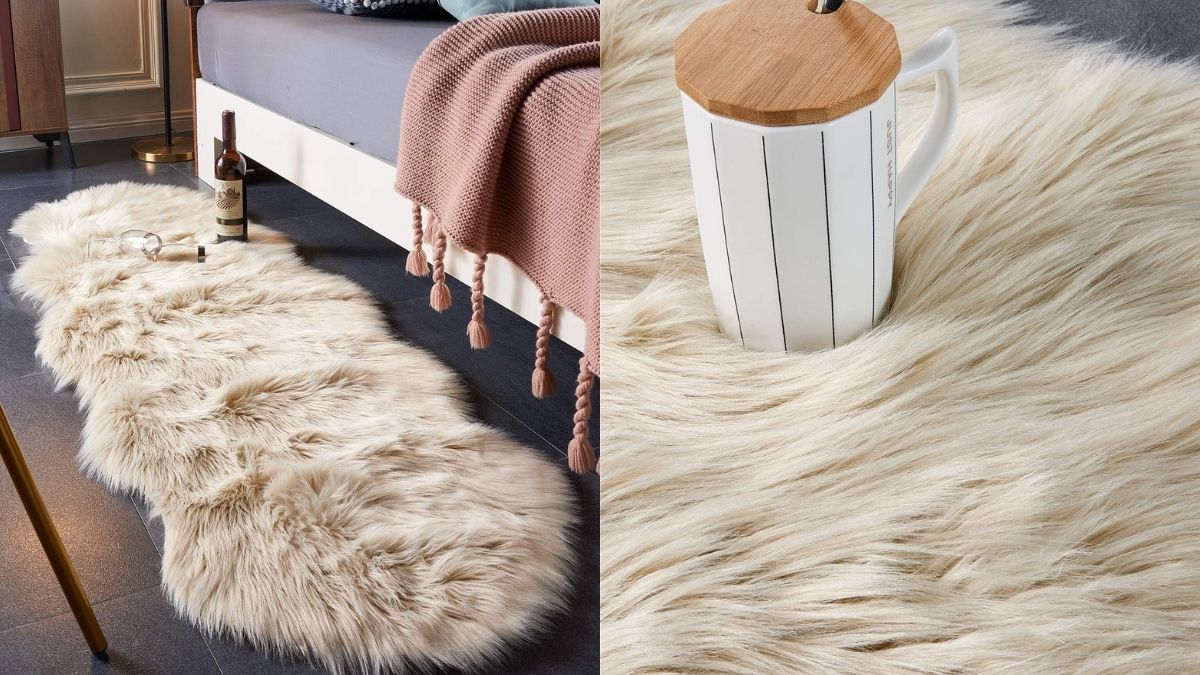
Because Scandinavian rooms rely on a pale, restrained palette, texture is what keeps things from feeling flat. A chunky wool throw draped over a reading chair, or a faux sheepskin rug layered on top of a bigger area rug, does exactly that — it’s the coziness that keeps minimal from tipping into cold.
→ Shop it: Chunky Knit Wool Throw Blanket

→ Shop it: Faux Sheepskin Accent Rug
3. Let Candlelight Do the Ambiance Work
Scandinavians burn more candles per capita than almost anywhere else in the world, and once you try it, you’ll understand why. Warm, flickering light softens a room in a way overhead lighting never can. Cluster a few pillar candles on a wood tray on your coffee table, or go with flameless versions if you’ve got pets or little ones running around.
→ Shop it: Flameless LED Pillar Candles, Set of 3

4. Keep Furniture Functional, Not Just Pretty
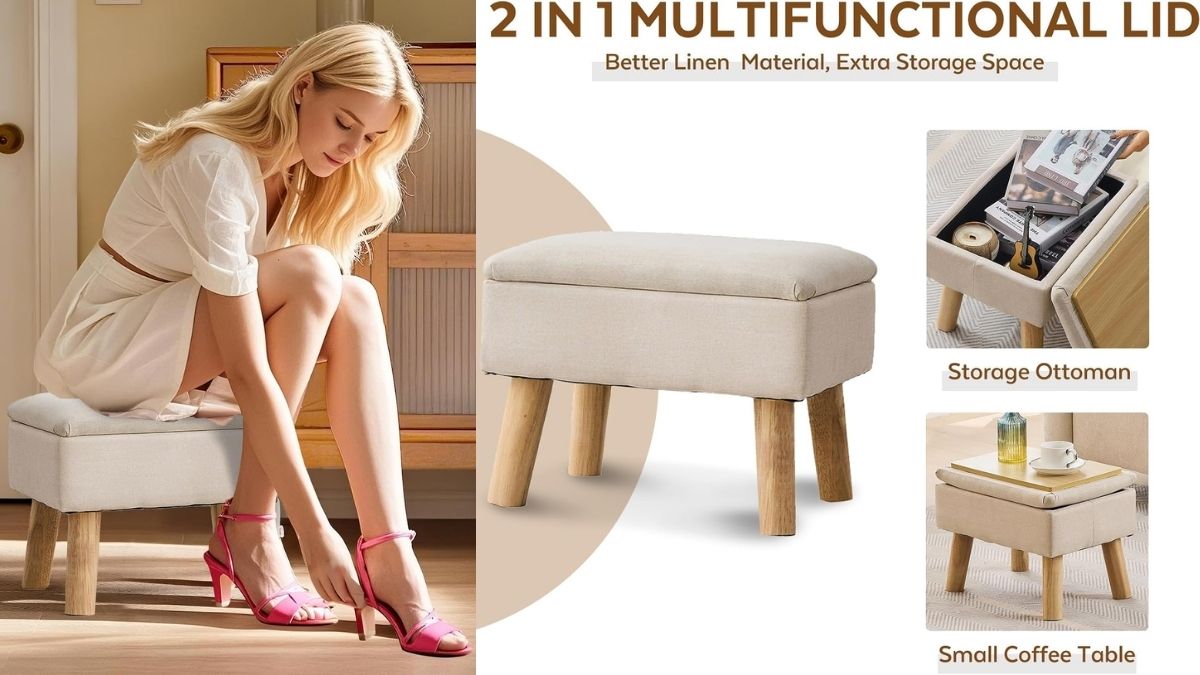
In Scandinavian design, form follows function — a piece of furniture earns its place by doing something, not just by looking good. Storage ottomans, nesting tables, and multi-use shelving all fit the bill: they’re decorative, but they’re also solving a problem.
→ Shop it: Storage Ottoman With Wood Legs
5. Bring In Greenery — Just Keep It Simple
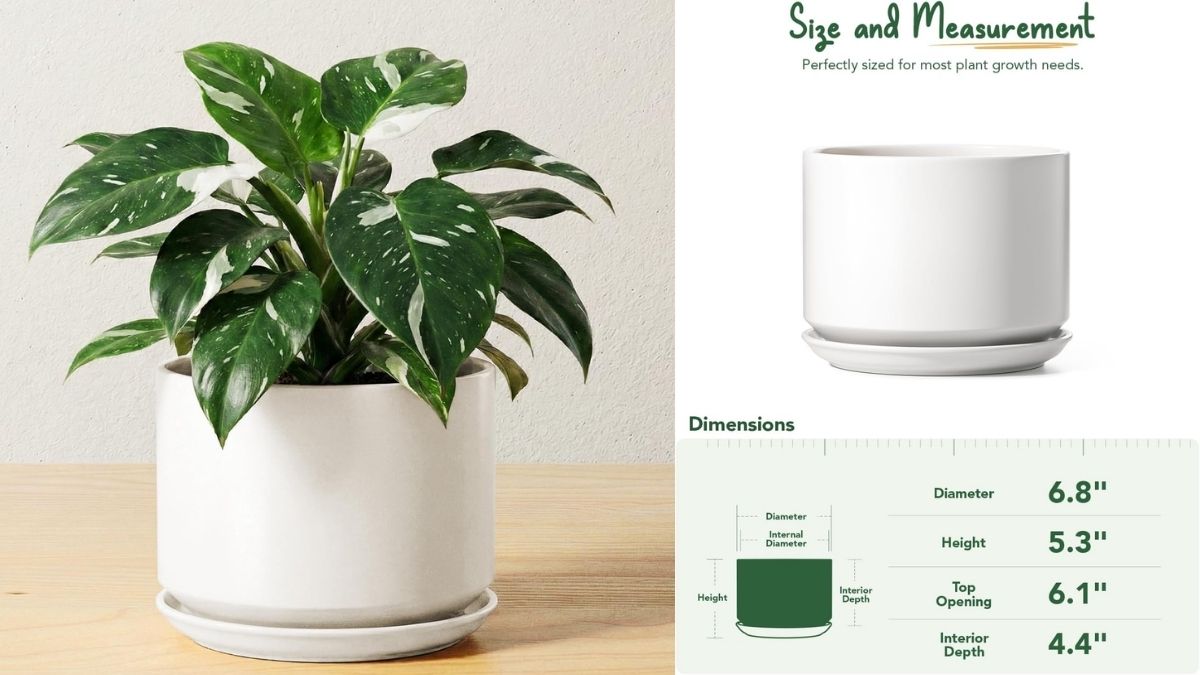
A little greenery goes a long way in a Scandinavian room, but the key word is little. One or two well-chosen plants in simple ceramic pots do more than a windowsill crowded with a dozen. Go for easy-care varieties like snake plants or pothos if you don’t trust yourself to keep anything alive.
→ Shop it: Simple Ceramic Plant Pot With Drainage
FAQ: Scandinavian Home Decor
What’s the difference between Scandinavian and minimalist decor? Minimalism prioritizes restraint above all else. Scandinavian style shares that restraint but adds warmth and coziness (hygge) as an equally important goal — it’s minimalism with a blanket on the couch.
Do I need all-white walls for this style to work? No. Soft off-whites, light grays, and pale greiges all work — the goal is a light, airy base, not stark white.
What’s the easiest way to start? Textiles. A chunky throw, a few flameless candles, and a light-wood tray can shift a room’s whole mood without touching furniture or paint.
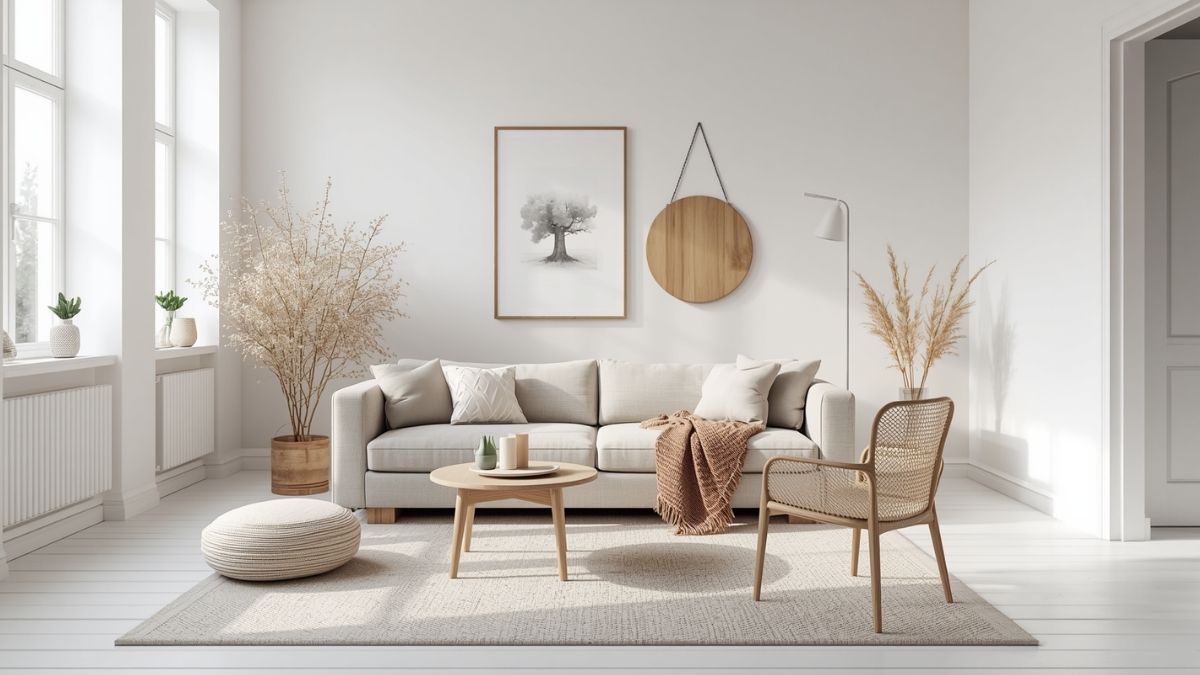
Scandinavian decor has lasted this long because it isn’t chasing a look — it’s solving for how a home should actually feel to live in: light, calm, and a little bit cozy. Start with texture and warmth, keep the clutter out, and the rest tends to fall into place.
About the Author