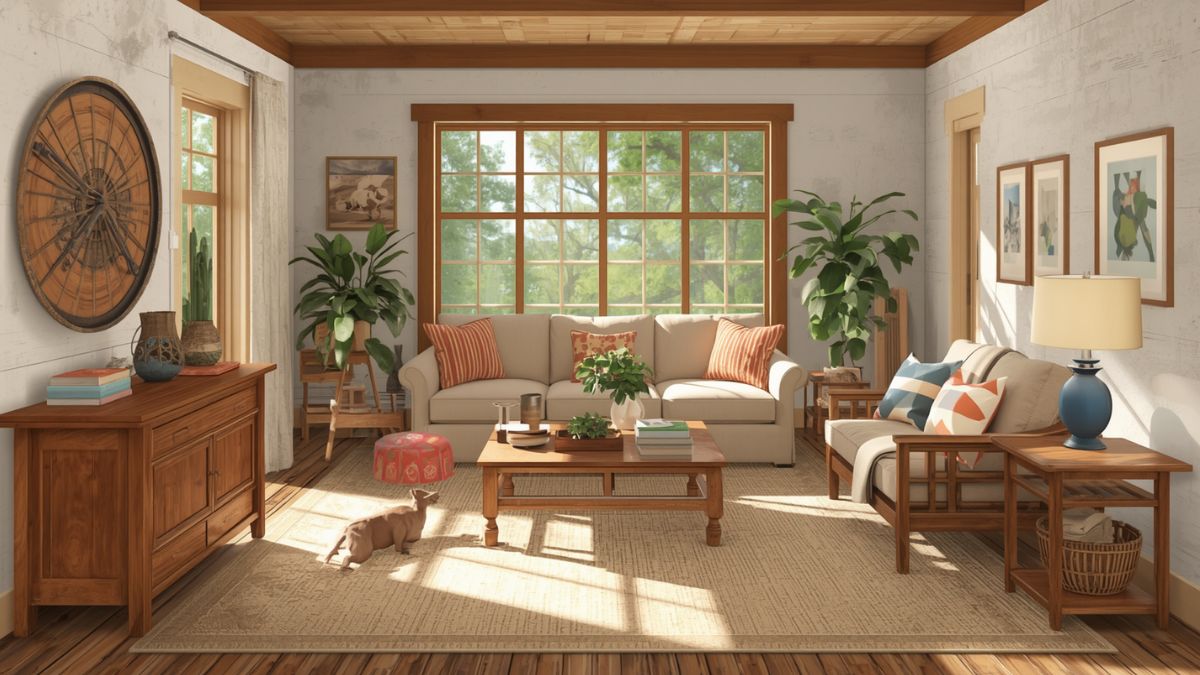
Craftsman Home Decor: How to Get That Warm, Handmade-Feel Look at Home
There’s a particular kind of comfort that comes from a room built on real materials — solid wood, hand-thrown pottery, iron that shows a little wear. No gimmicks, nothing trying too hard to impress you. That’s the whole philosophy behind Craftsman style, a design movement that started as a reaction against mass-produced Victorian excess and has quietly stayed relevant for over a century because of it.
If you’ve ever walked into a home with warm wood built-ins, low-slung furniture, and handmade pottery on the shelves and felt instantly at ease, you’ve felt the Craftsman effect. Here’s how to bring it into your own space.
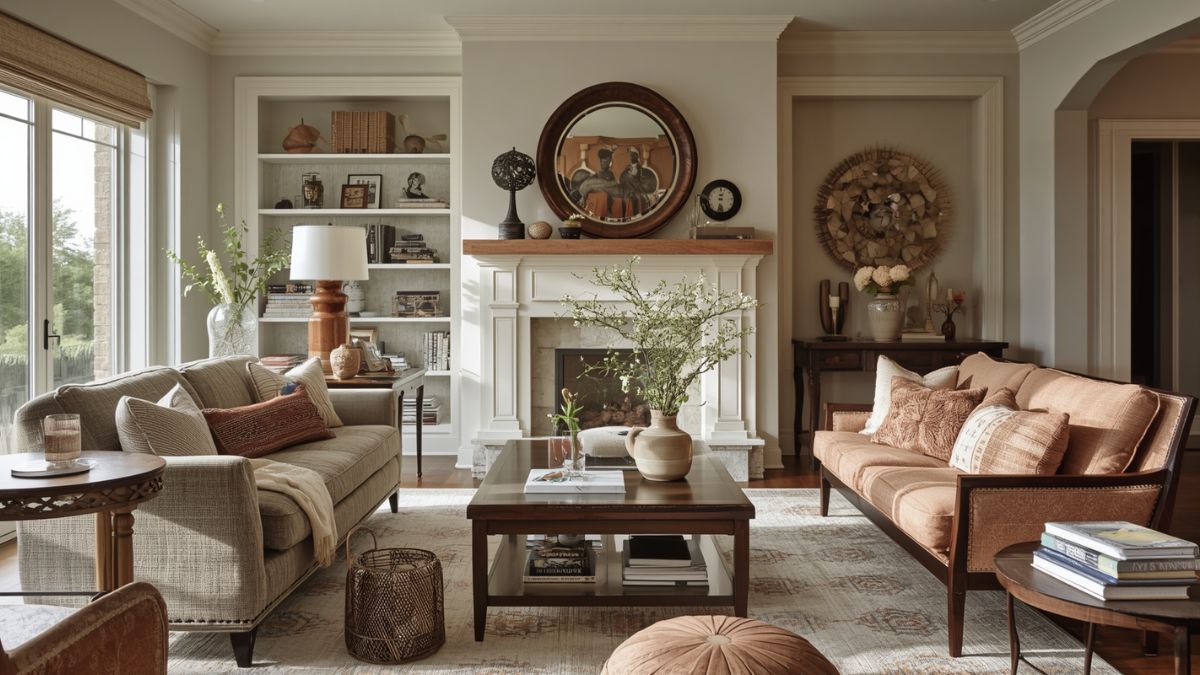
The Philosophy Behind Craftsman Style
Craftsman decor was born from the Arts and Crafts movement of the early 1900s, and its guiding principle has never really changed: honest materials, visible craftsmanship, and function over ornamentation. Where Victorian decor piled on detail, Craftsman style strips it back to what a skilled hand can actually make — think exposed wood joinery, hand-glazed tile, and simple, sturdy furniture built to last generations, not seasons.
It’s earthy without being rustic, warm without being cluttered, and — unlike a lot of design trends — it was never really meant to be trendy at all.
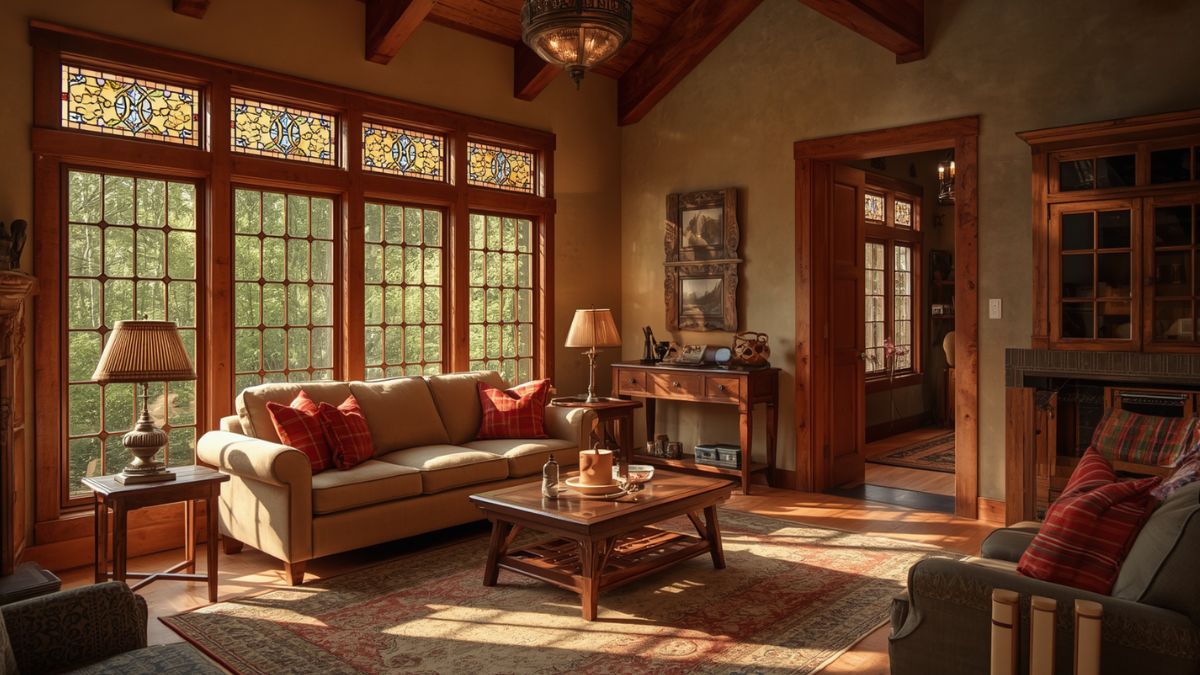
1. Start With Warm, Solid Wood
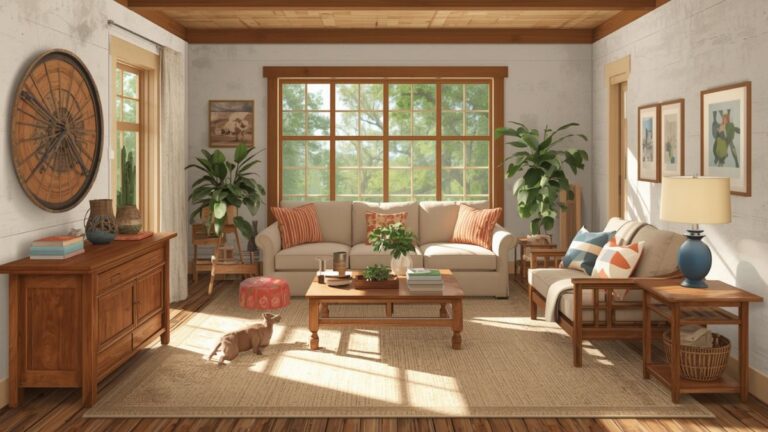
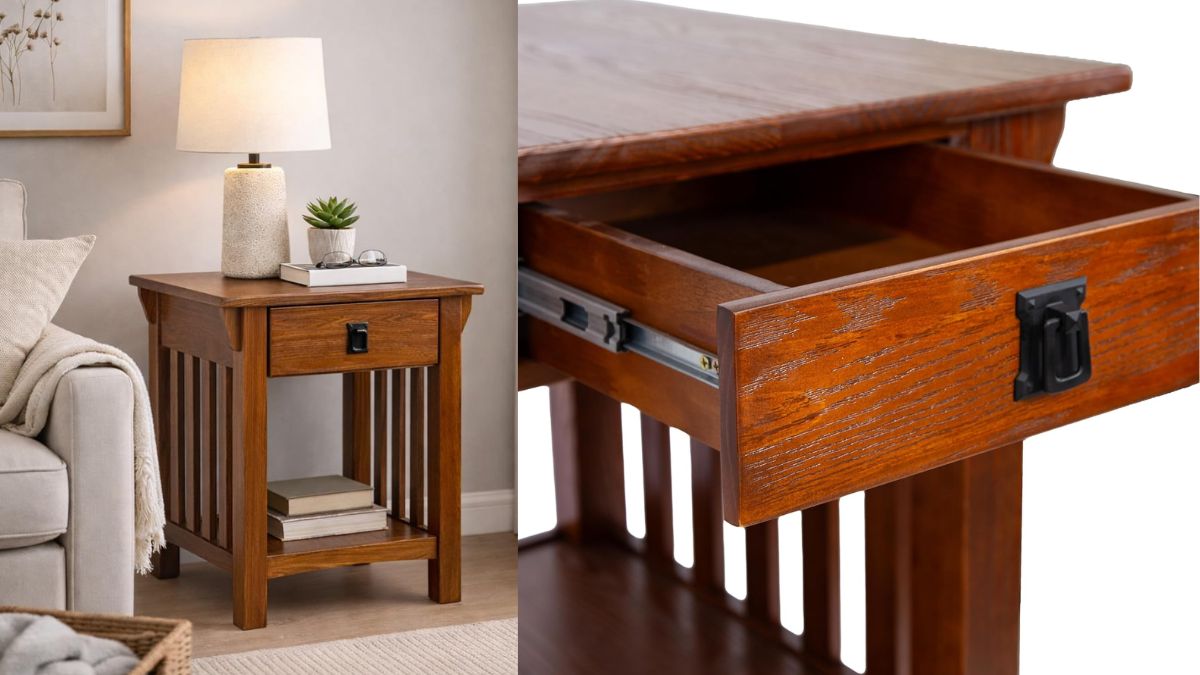
Craftsman style leans on wood the way Scandinavian style leans on pale birch — except here, it’s richer: oak, cherry, and mission-style furniture with visible grain and simple, strong lines. A wood side table or a set of picture frames with clean, exposed joinery instantly signals the style.
→ Shop it: Mission-Style Wood Side Table — solid, simple, and exactly the kind of furniture built to actually last.
2. Bring In Hand-Glazed Pottery and Ceramics
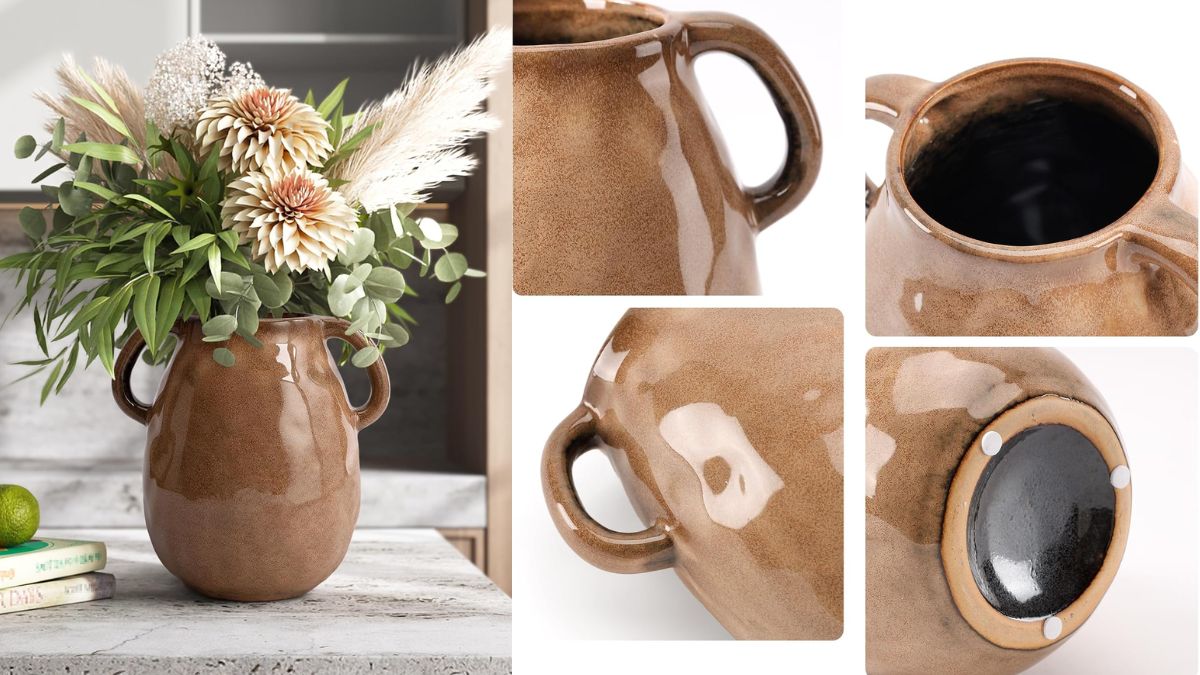
Craftsman homes almost always feature handmade or hand-finished ceramics — vases and bowls with an uneven glaze, a slightly imperfect shape, visible texture from the potter’s hand. It’s the opposite of the flawless, mass-produced look, and it’s exactly the point.
→ Shop it: Hand-Glazed Ceramic Vase, Earthy Tones
3. Add Wrought Iron and Warm Metal Accents
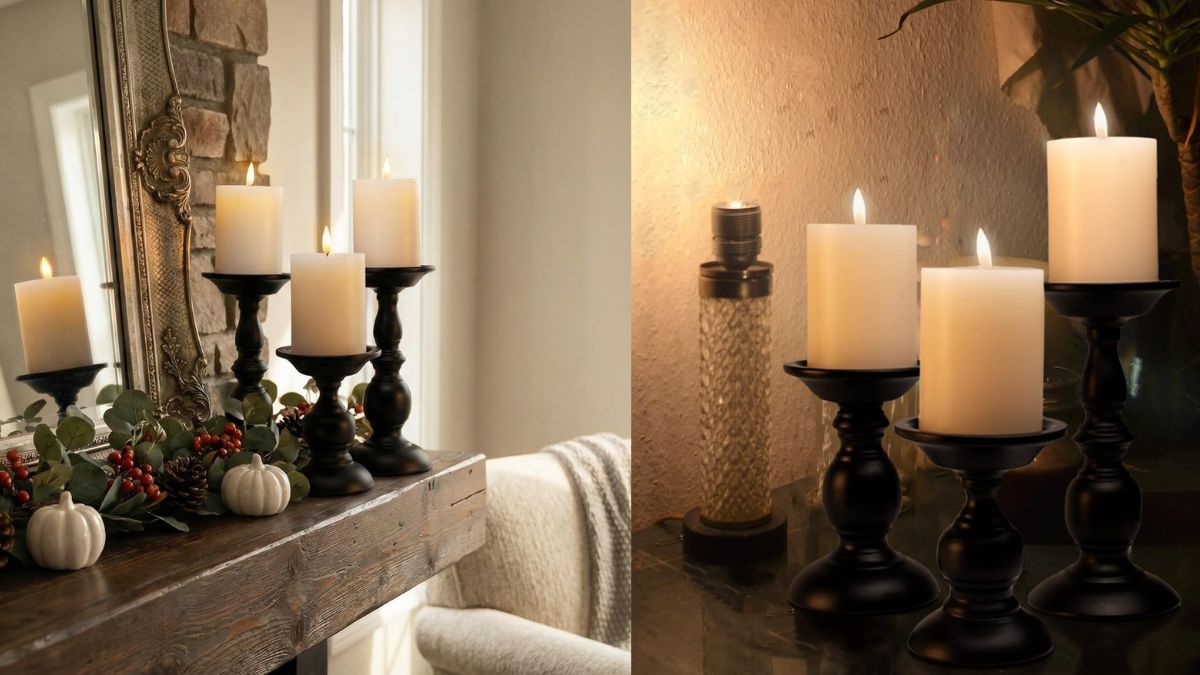
Where Victorian decor uses polished brass and gold, Craftsman style pulls from wrought iron and hammered copper — metals with visible texture and a slightly matte, handmade finish. Look for it in light fixtures, drawer pulls, or a simple iron candle holder.
→ Shop it: Wrought Iron Pillar Candle Holder
4. Choose Nature-Inspired, Geometric Patterns
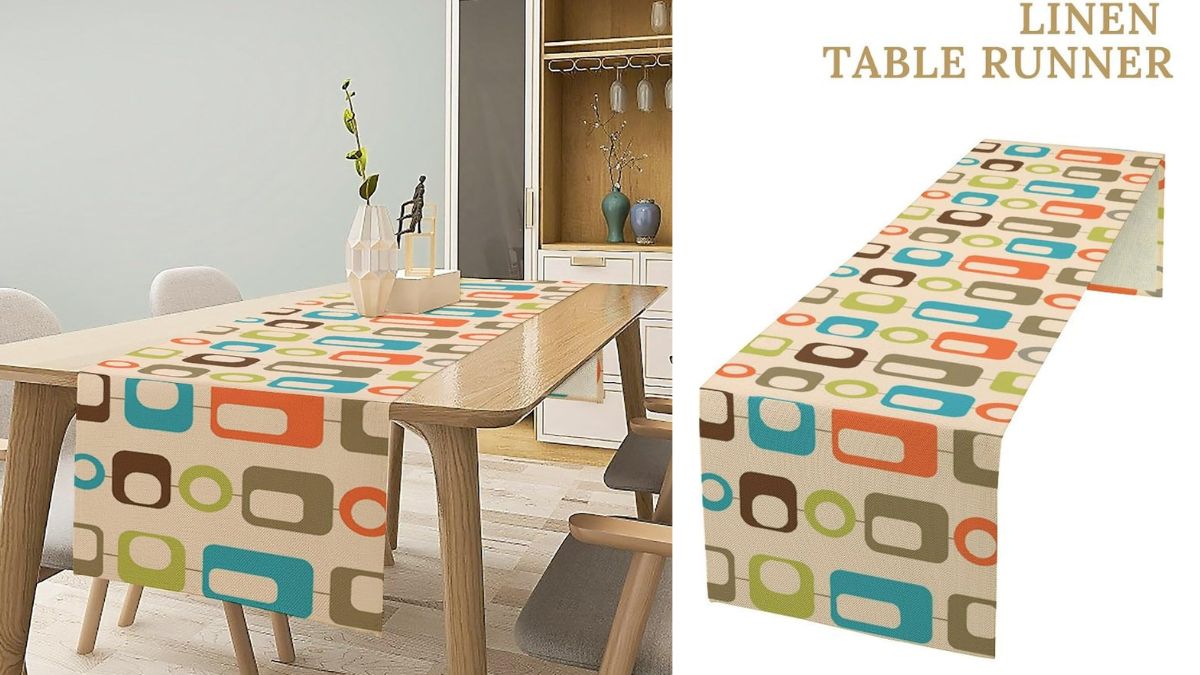
Craftsman textiles and tile work often pull from nature — stylized leaves, trees, and geometric borders rather than realistic florals. A table runner or a set of throw pillows in this kind of pattern brings the aesthetic in without requiring any renovation.
→ Shop it: Nature-Inspired Geometric Table Runner
5. Layer In Warm, Low Lighting
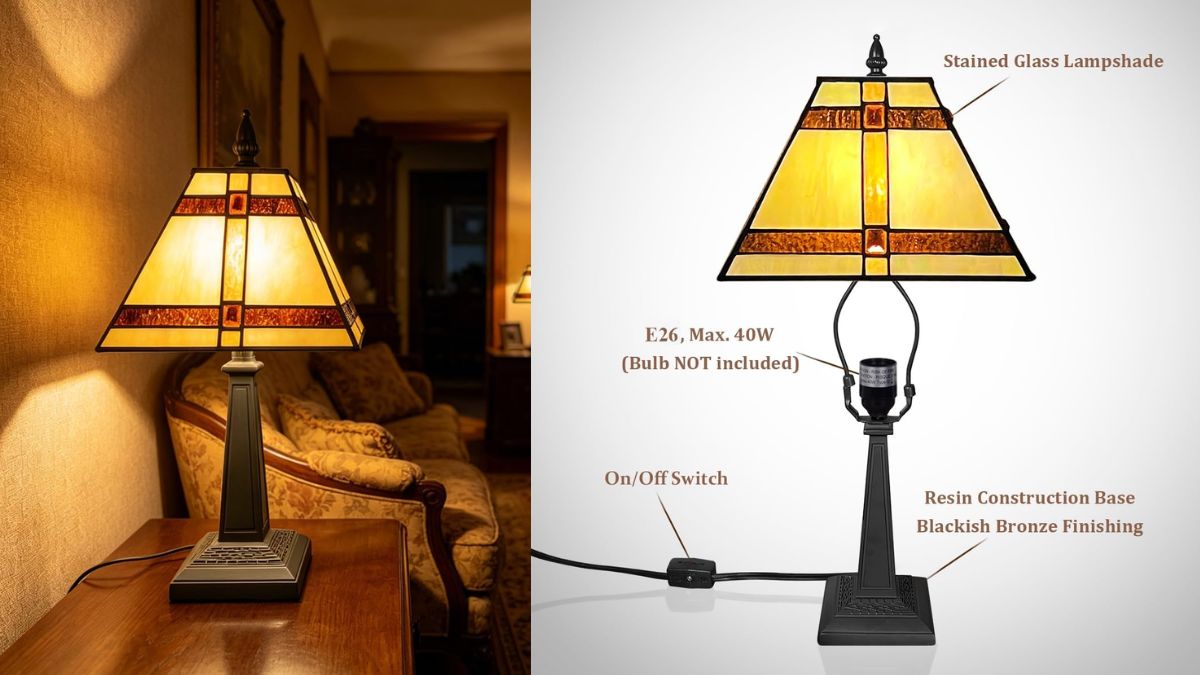
Craftsman homes favor warm, low-hanging light — mission-style lamps with amber or stained-glass shades, wall sconces with a similar warmth. It’s a softer, more golden light than you’d find in a minimalist or Scandinavian space, and it’s a big part of what makes the style feel so cozy.
→ Shop it: Mission-Style Table Lamp With Amber Glass Shade
FAQ: Craftsman Home Decor
How is Craftsman style different from farmhouse decor? Farmhouse leans rustic and often whitewashed, with a more casual, country feel. Craftsman is warmer and more refined — richer wood tones, handmade ceramics, and Arts and Crafts-era detailing rather than distressed or shiplap finishes.
Does this style work in a modern apartment? Yes. You don’t need original built-ins or wood trim to get the feel — a few solid wood pieces, warm lighting, and handmade ceramics carry the aesthetic on their own.
Is Craftsman decor expensive? It can lean that way if you’re buying true antiques, but the look itself is more about material honesty than price. A well-made wood piece and some handmade pottery go a lot further than a room full of cheaper, flashier items.
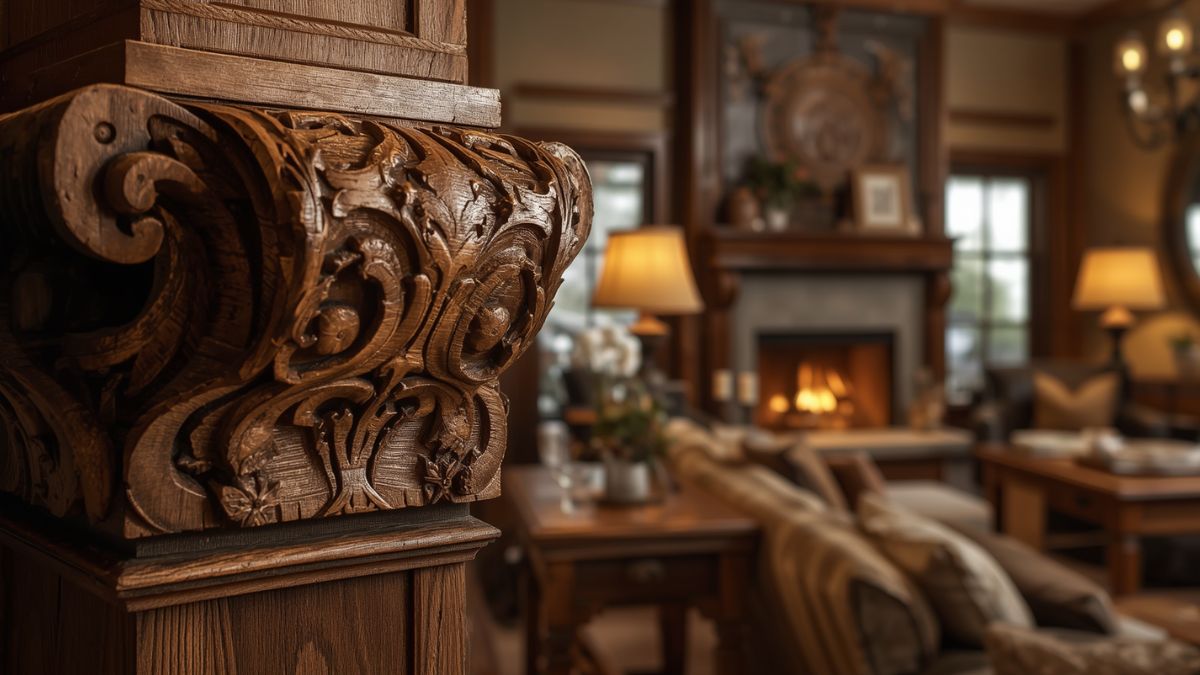
Craftsman home decor is a reminder that “handmade” and “well-made” are still worth chasing, even a century after the movement started. Start with one solid wood piece, one handmade ceramic, and warm, low lighting — the rest of the room tends to follow that same honest, unfussy lead.
About the Author