Classic Home Decor: How to Get That Timeless, "Old Money" Look at Home
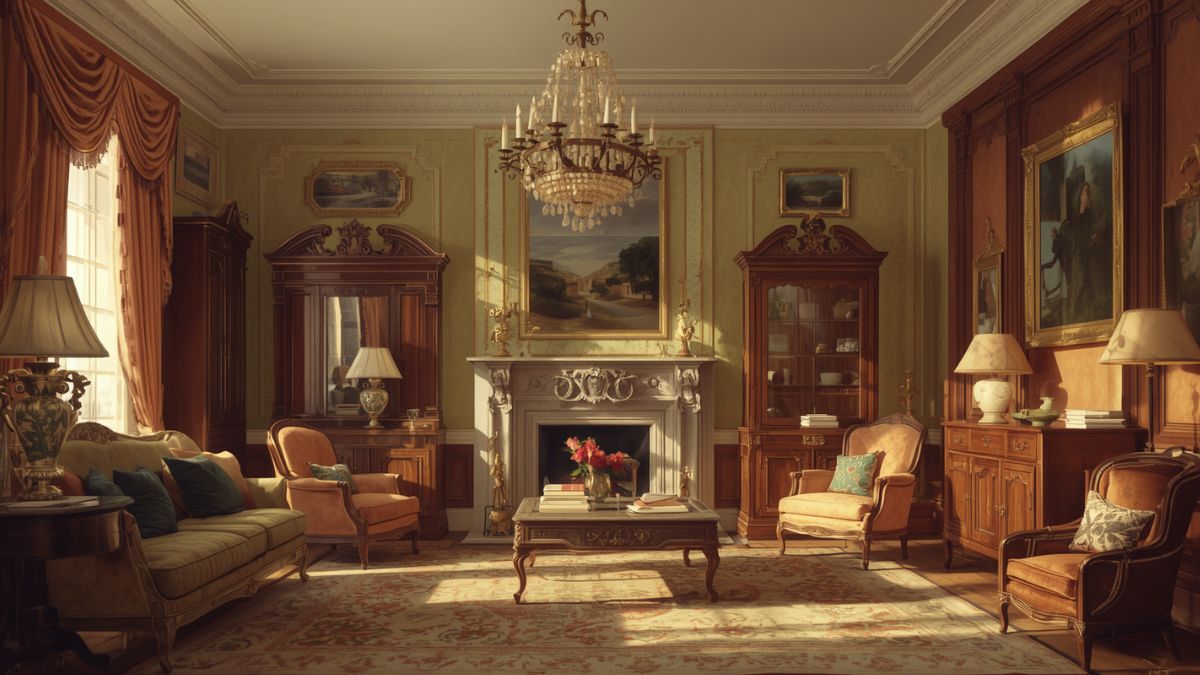
Trends come and go, but there’s a particular kind of room that never seems to date itself — the kind with symmetrical furniture arrangements, rich wood tones, and just enough gold detailing to feel intentional rather than flashy. That’s classic home decor, and it’s having a resurgence right now under a slightly newer name: “old money” style.
Whatever you call it, the appeal is the same. Classic decor isn’t about following what’s popular this season — it’s about creating a space that would have looked just as good ten years ago and will still look good ten years from now. Here’s how to get there.
The Principles Behind Classic Decor
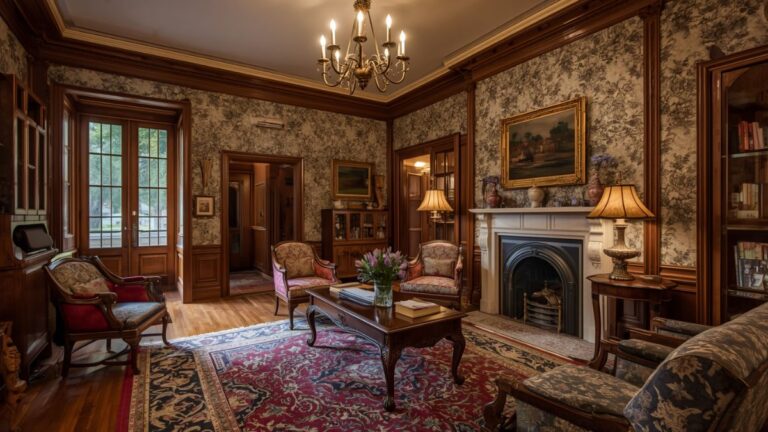
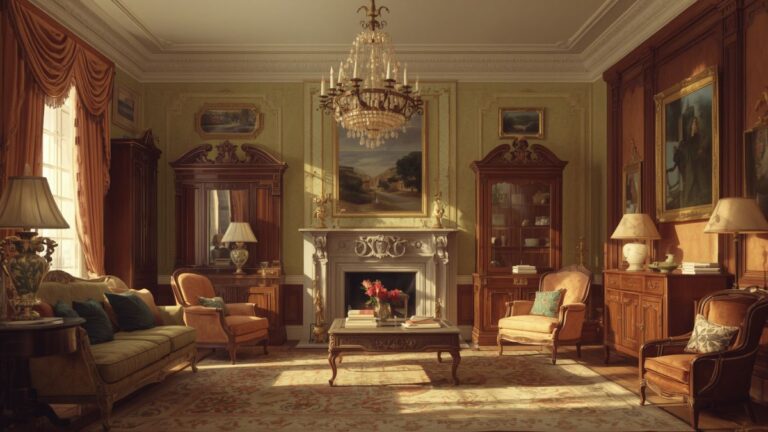
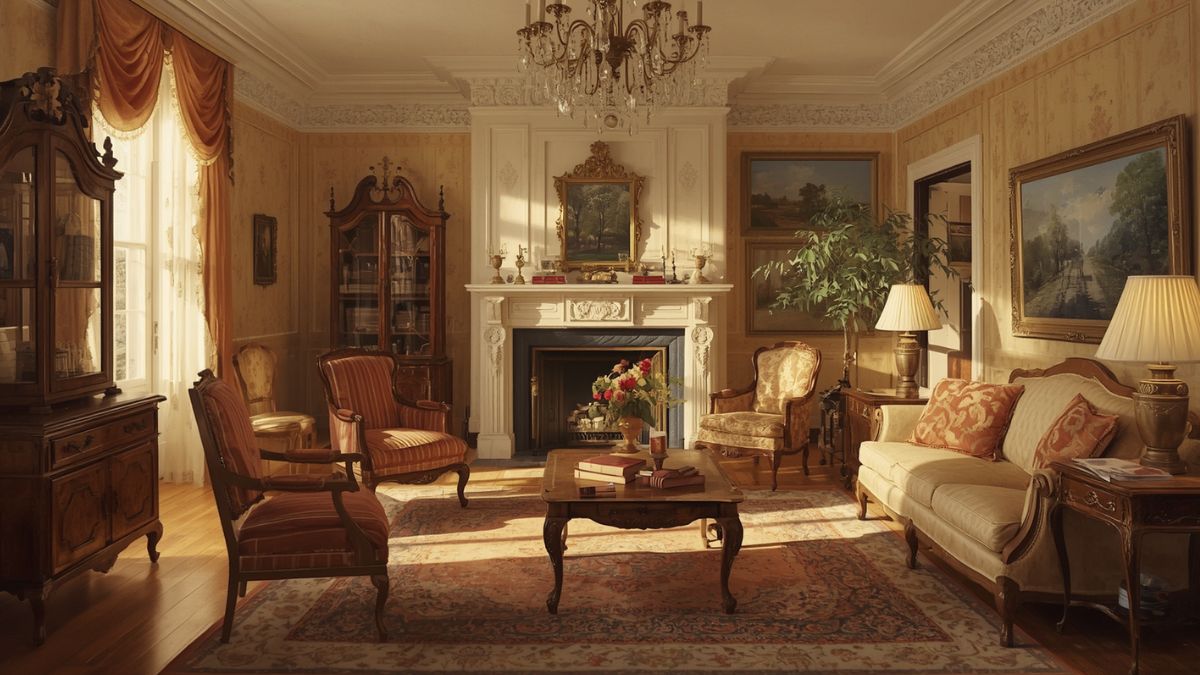
Classic style is built on a few consistent rules: symmetry, quality materials, and restraint. Furniture is arranged in balanced pairs rather than scattered asymmetrically. Wood tones lean rich and warm — mahogany, walnut, cherry — instead of pale or raw. And metallics, when used, are polished and intentional (think brass or gold hardware) rather than mixed with five other finishes.
It’s a style that photographs beautifully, but more importantly, it’s designed to hold up in person, in daylight, for years.
1. Anchor the Room With Symmetry
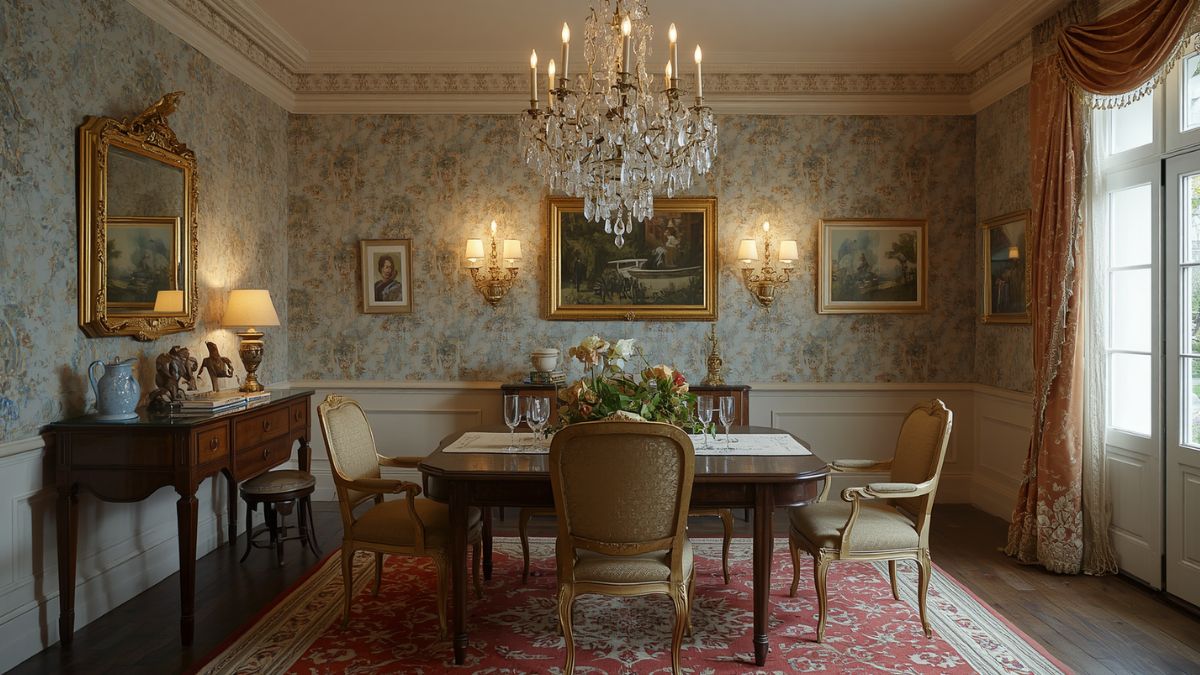
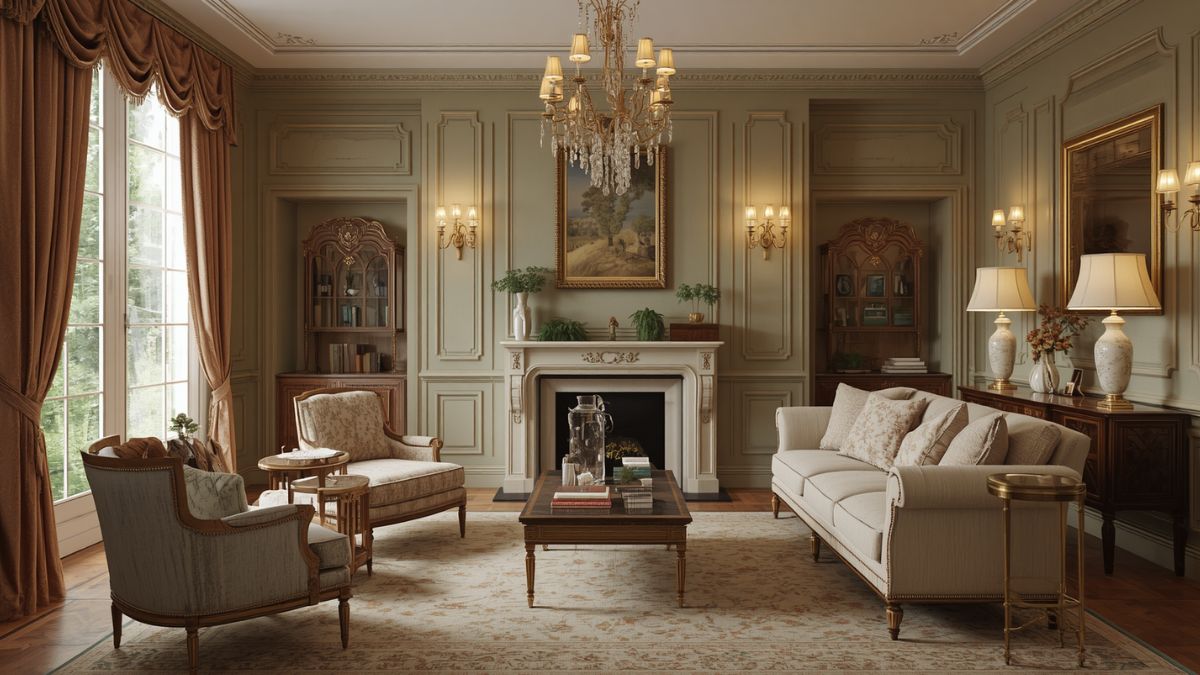
Classic rooms are built around balance. Two matching armchairs flanking a fireplace, a pair of table lamps on either side of a sofa, matching sconces framing a mirror — this kind of intentional pairing is what gives classic decor its calm, put-together feel.
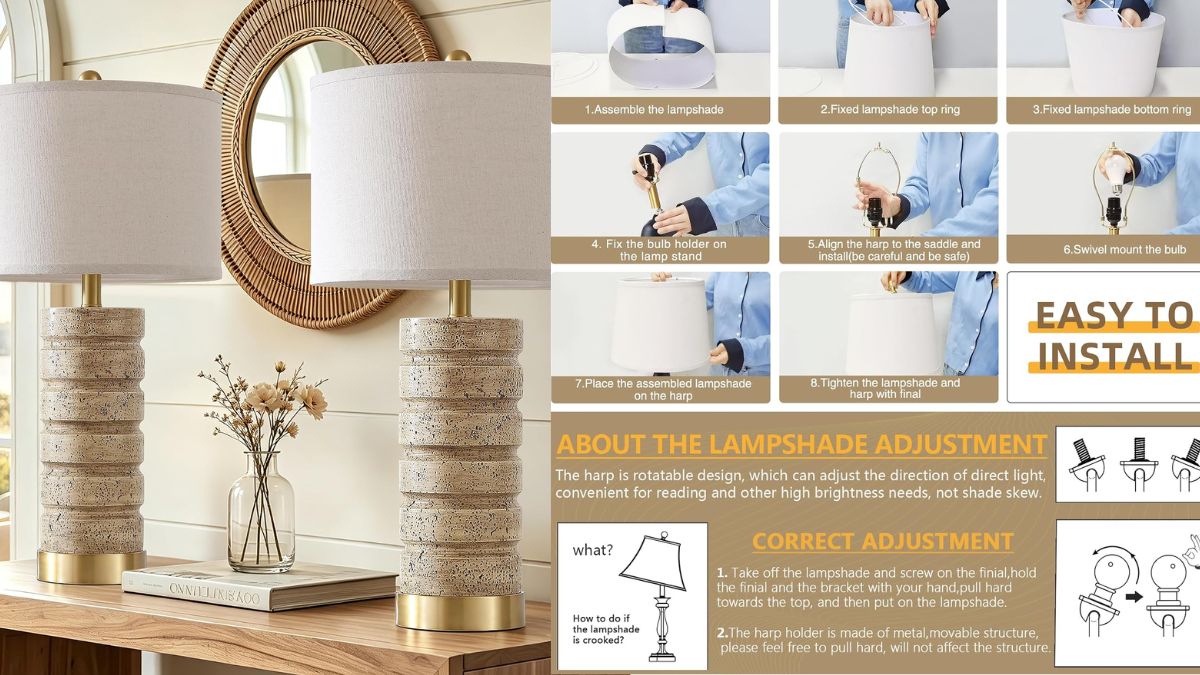
→ Shop it: Set of 2 Matching Table Lamps, Brass Base — the fastest way to add instant symmetry to a living room or bedroom.
2. Bring In Rich, Warm Wood Tones
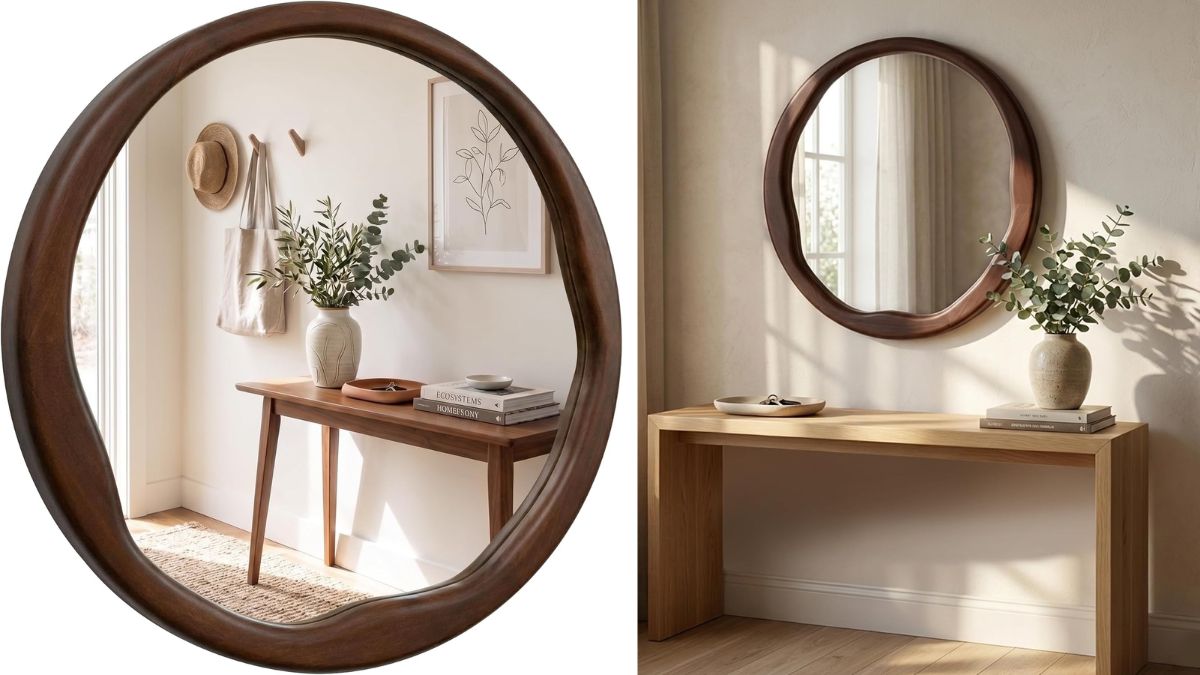
Where minimalist and Scandinavian styles lean toward pale wood, classic decor goes the opposite direction: deep mahogany, walnut, and cherry finishes that feel substantial and grounded. A wood side table, a carved mirror frame, or even wooden picture frames instantly warms up a room.
→ Shop it: Carved Wood Mirror, Dark Walnut Finish
3. Add Polished Metallic Accents — Sparingly
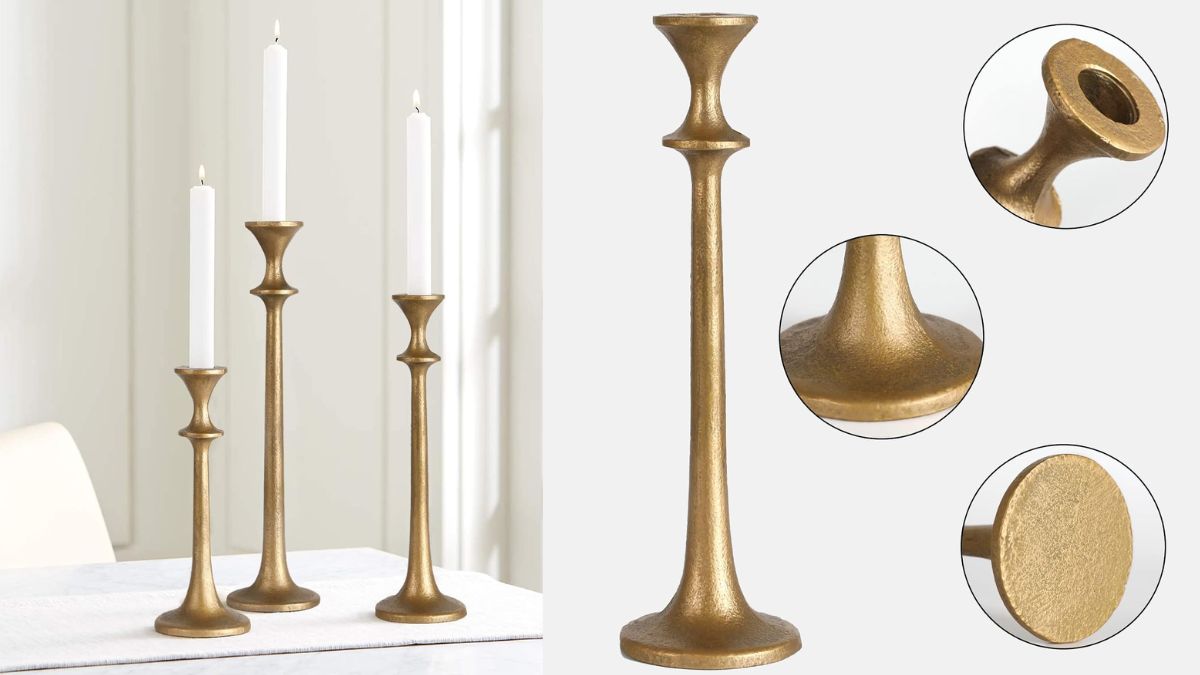
Classic decor uses gold and brass the way a good outfit uses jewelry: as an accent, not the whole look. Drawer pulls, picture frames, a single statement mirror, or a set of candlesticks in warm brass finish adds just enough shine without tipping into anything ornate.
→ Shop it: Brass Candlestick Holders, Set of 3
4. Layer In Traditional Patterns — Toile, Stripes, Damask
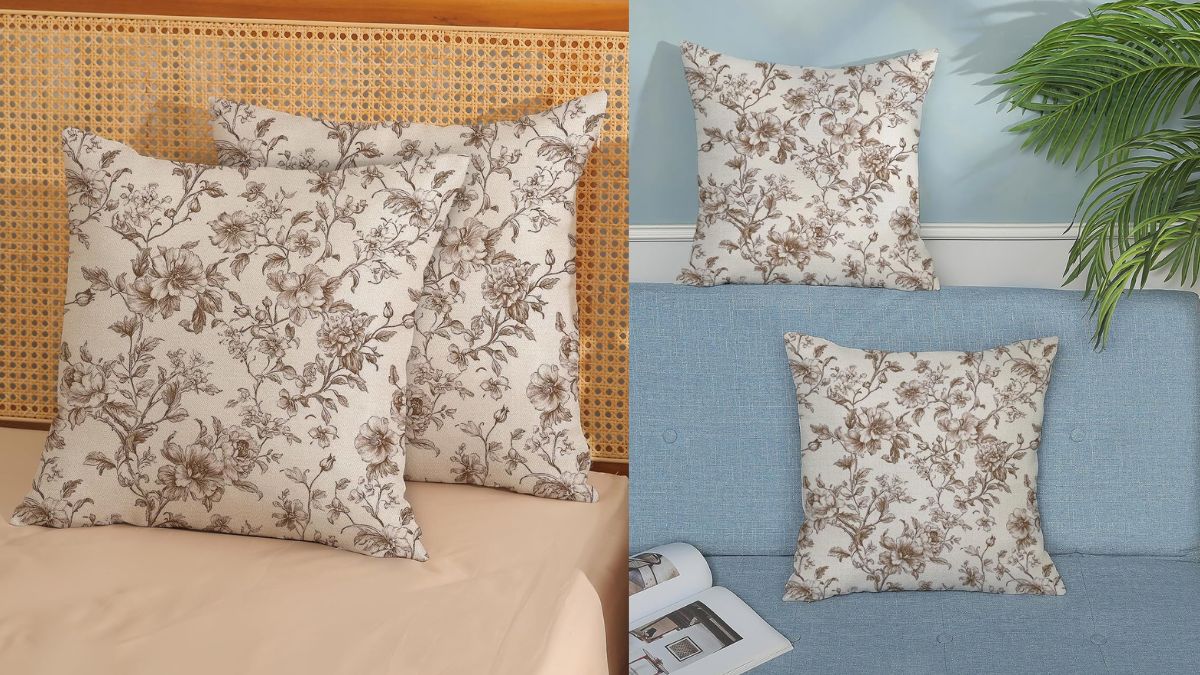
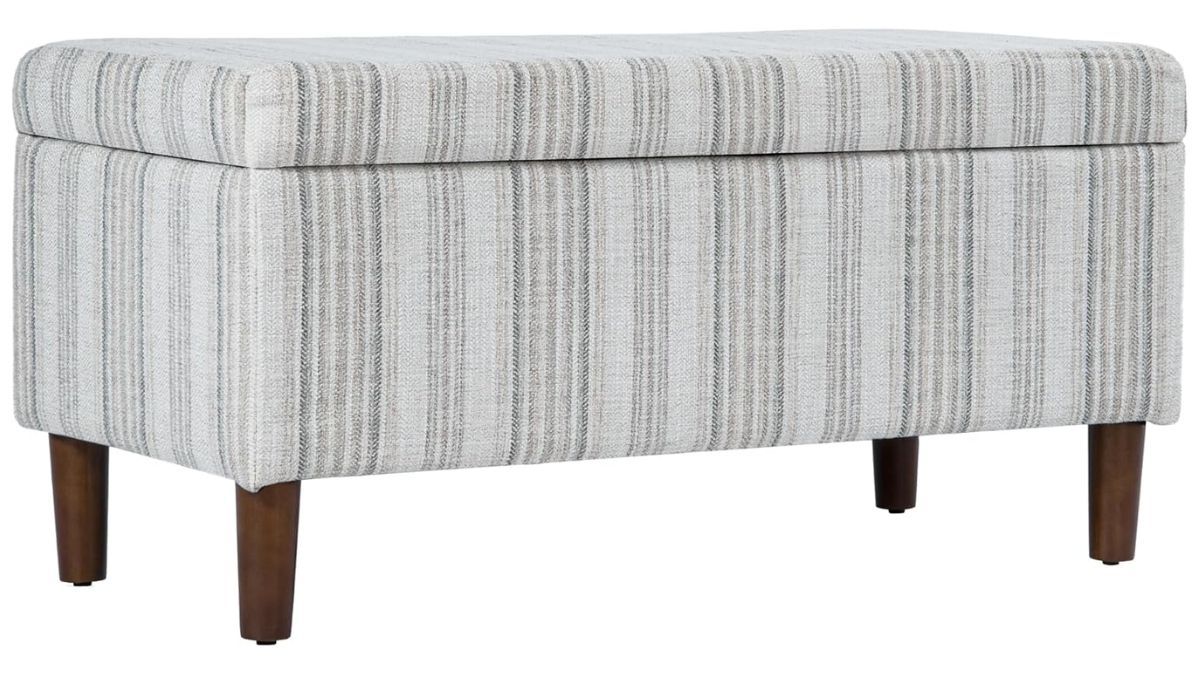
Classic style has room for pattern, but it’s usually a traditional one: a toile throw pillow, a striped upholstered bench, or damask curtains. These patterns have been around for centuries for a reason — they read as elegant rather than trendy, and they age well.
→ Shop it: Toile Print Throw Pillow Covers
→ Shop it: Upholstered Bench, Striped Fabric
5. Finish With a Statement Piece — Books, Art, or a Bar Cart
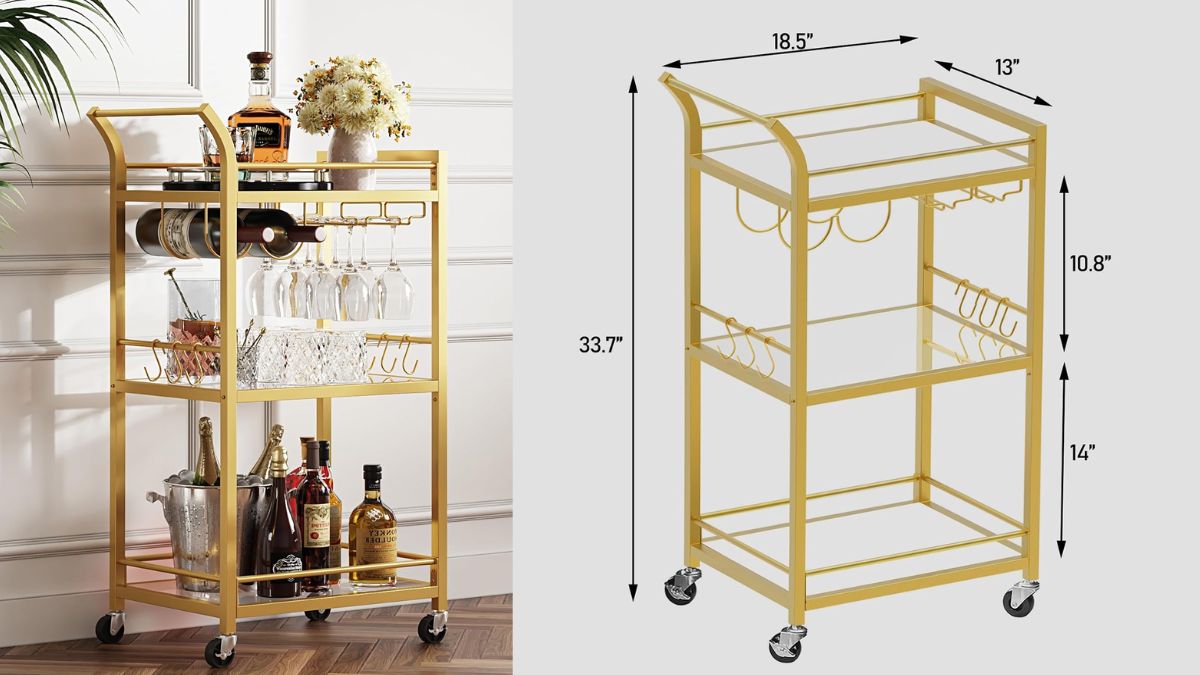
No classic room is complete without something that signals a bit of taste: a stack of hardcover books on a coffee table, a framed piece of traditional art, or a small bar cart styled with glassware. These finishing touches are what separate a “classic-inspired” room from one that’s genuinely put together.
→ Shop it: Brass Bar Cart With Wine Rack
FAQ: Classic Home Decor
Isn’t classic decor the same as “old money” style? They overlap heavily. “Old money” is really just classic decor rebranded for a newer audience — same principles of symmetry, quality materials, and understated luxury.
Does classic decor work in a small space? Yes, though the key is scaling down the pairs — smaller matching lamps, a single mirror instead of a full gallery wall — rather than skipping symmetry altogether.
How do I keep it from feeling too formal or stiff? Mix in one or two casual, personal touches — a stack of well-loved books, a plant, a family photo in a simple frame — so the room feels lived-in, not staged.
Classic home decor isn’t trying to impress anyone with novelty — that’s exactly why it works. Balanced, warm, and quietly polished, it’s a style built to last well past whatever’s trending this year. Start with one symmetrical pairing, one rich wood piece, and build the rest slowly from there.
About the Author