Side Hustles for Stay-At-Home Moms With No Money to Start
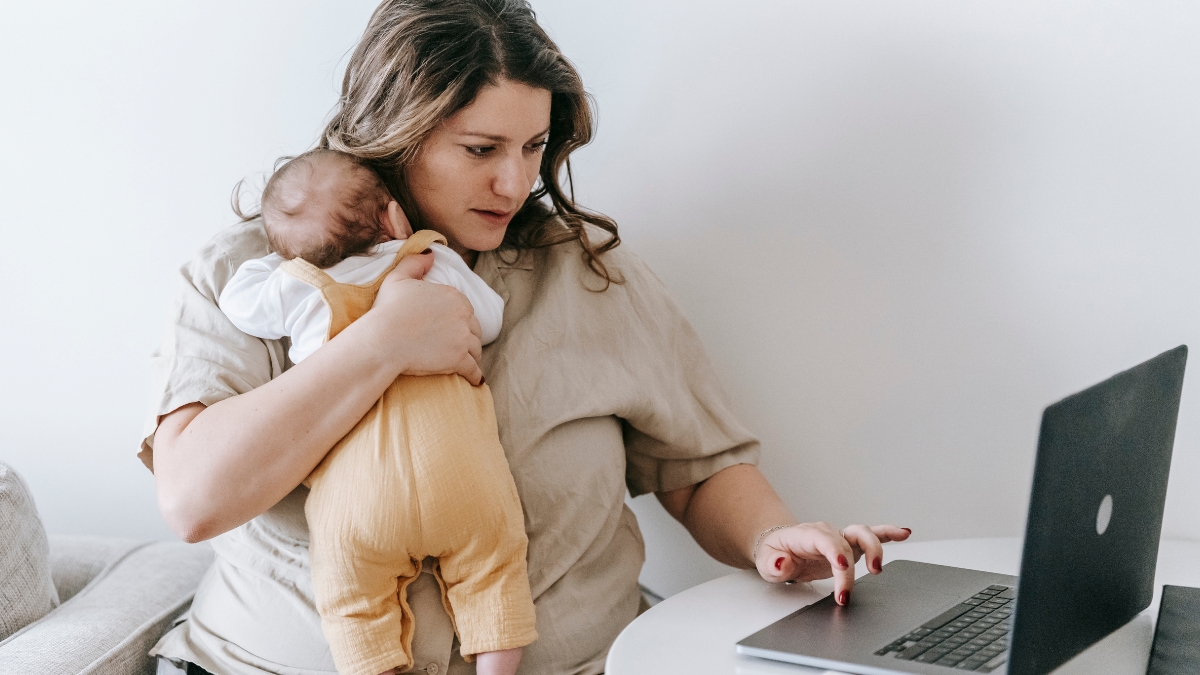
Naptime used to mean a 45-minute window to drink coffee while it’s still hot and scroll through Instagram for evidence that other moms have it more together than you do.
For a growing number of stay-at-home moms, naptime now means something completely different. It means opening a laptop and working on the income stream that made $300 last month, the Etsy shop that got its third five-star review, the freelance project that just landed a repeat client.
The side hustles for stay-at-home moms that are actually working in 2025 share a few things in common: they require zero startup money, they’re built around real mom schedules (meaning: interrupted, unpredictable, and often compressed into whatever window the kids allow), and they produce real income — not survey points or gift card rewards, but dollars that hit a bank account.
Here’s exactly what they are, how they work, and how to choose the one that’s right for where you are right now.
First: Why “Zero Startup Cost” Actually Matters More Than You Think
There’s a version of “start a business from home” advice that glosses over the startup cost question with things like “invest in yourself” or “you have to spend money to make money.” That advice exists for people in a different situation than a stay-at-home mom on a single household income.

When you’re not the earner in the household, every dollar you spend on a business idea is a dollar you’re accountable for — which creates a very understandable hesitation to spend anything at all. It also means the upside/risk calculation is different. Spending $500 on a course that might not work hits differently when that $500 isn’t “your” money in the way it would be if you were earning.
The good news: the income methods that work best for stay-at-home moms in the current landscape are genuinely free to start. Not “inexpensive” — free. The tools are free, the platforms are free or nearly so, and the only real investment is time.
Here’s the $0 playbook.
Method 1: Virtual Assistant Work — Income in Days, Not Months
Startup cost: $0
Time to first income: 1–3 weeks
Hours per week: 5–20 (you set the pace)
Earning range: $25–$75/hour
If you need income that actually shows up in your bank account in the next few weeks — this is where you start.
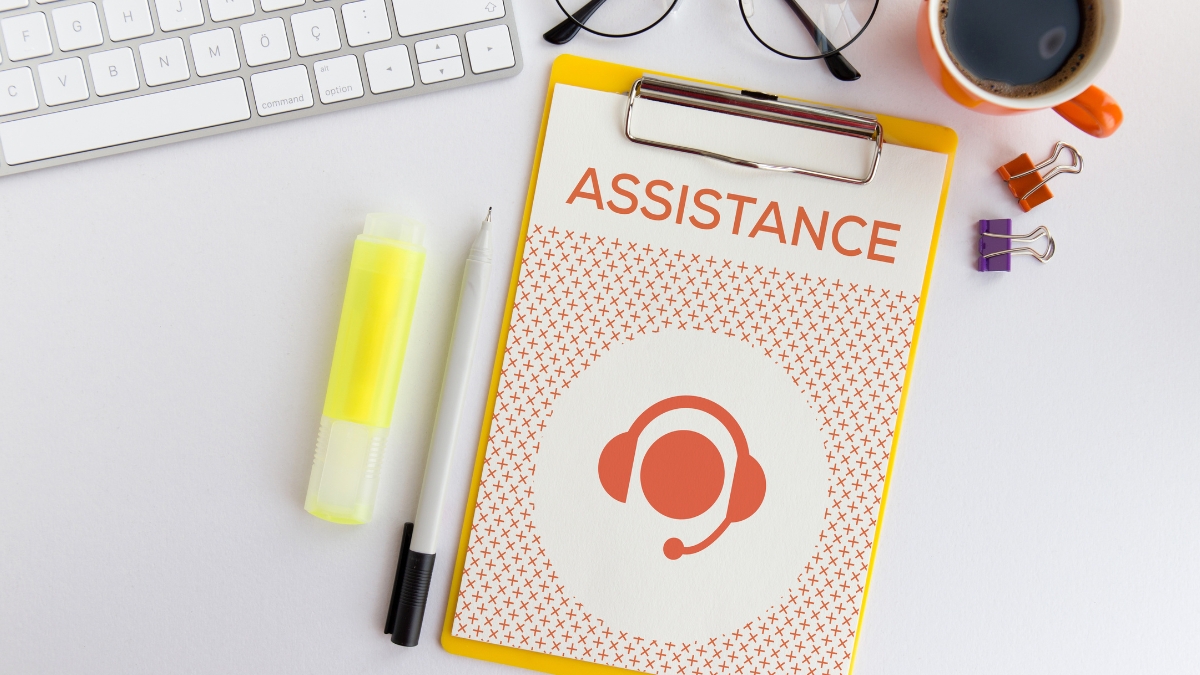
Virtual assistants support business owners with tasks they need done but don’t want to do themselves: inbox management, calendar scheduling, customer service emails, data entry, research, travel booking, social media scheduling, creating graphics in Canva, proofreading content. The list is long, and so is the demand.
Here’s the part that surprises most people: you are already doing VA-level work every day. Managing a family calendar, coordinating schedules, writing emails, tracking details, communicating across multiple moving pieces — that’s it. That’s the skill set. Businesses are currently paying $25–$75/hour for those exact capabilities.
How to start at $0:
- Create a free profile on Upwork (the largest freelance platform)
- List 3–5 services you can confidently offer (inbox management, scheduling, Canva graphics, research, social media)
- Write a clear, specific profile description — not “I’m a hard worker” but “I help service-based business owners clear their inboxes, organize their calendars, and handle the admin that slows them down”
- Send 3–5 targeted proposals per day for the first two weeks
- Set your starting rate at $20–$25/hour while building reviews; raise it as you go
The first client is the hardest. After that, referrals and repeat business do more of the work.
A realistic month-one picture: 5–10 hours/week at $20/hour = $400–$800/month. For work done during nap time and after bedtime. From a laptop you already own.
Method 2: Etsy Digital Products — Create Once, Sell Forever
Startup cost: $0.20 per listing (essentially free)
Time to first income: 2–6 weeks
Hours per week: 3–8 once set up (mostly passive after launch)
Earning range: $200–$3,000+/month depending on shop size and niche
This is the income method that stay-at-home moms talk about most — and for good reason. You create a digital product once and it can sell indefinitely, to unlimited customers, without you doing any additional work after the initial listing is live.
What are digital products? Things other people need and would pay $4–$25 for:
- Printable planners and to-do lists
- Budget trackers and financial worksheets
- Kids’ activity sheets and educational printables
- Wedding planning templates
- Resume templates and cover letter guides
- Social media post templates
- Recipe cards and meal planning sheets
- Chore charts and family organization systems
- Party planning printables
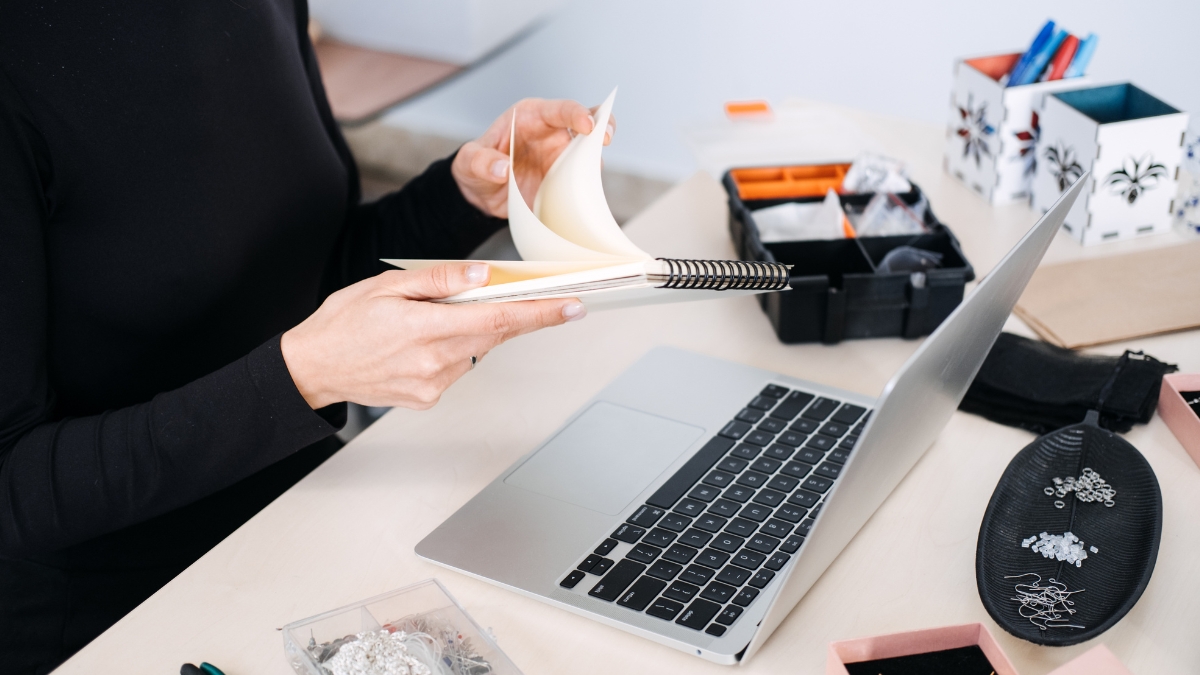
The tool: Canva. Free. No design experience required. If you’ve made a birthday card or a class project on Canva, you can make sellable digital products.
The platform: Etsy. Creating a shop is free. Listing a product costs $0.20. When it sells, Etsy takes a small transaction fee — but you pay nothing until you earn.
The keyword: The most important thing on Etsy isn’t the product itself — it’s the title and tags. Spend 20 minutes researching what buyers actually search for before you create your first listing. A “weekly planner printable” with the right keywords will outsell a beautiful product with generic tags every time.
A realistic picture: A new shop with 10–15 well-optimized listings can start generating $200–$500/month within 2–3 months. Scale to 50+ products and that number moves significantly.
Method 3: Affiliate Marketing — Earn From What You’d Recommend Anyway
Startup cost: $0
Time to first income: 2–8 weeks (depends on existing audience)
Hours per week: 2–5
Earning range: $50–$2,000+/month (scales with content and audience)
Affiliate marketing means recommending products you genuinely use and earning a commission when someone buys through your unique link. No product to create. No customer to serve. No inventory to manage.
The commission rates vary: Amazon Associates pays 1–10% depending on category. Other programs (digital products, courses, software) pay 20–50%. The math gets meaningful quickly when you’re recommending products to even a modest audience.

Where you can do affiliate marketing for free:
- A Pinterest account — completely free, highly searchable, and one of the most effective platforms for affiliate links. A well-optimized Pinterest pin can drive clicks for years after you post it.
- A free blog on platforms like WordPress.com or Blogger
- An Instagram or TikTok account focused on a specific niche (mom life, home organization, budgeting, cooking)
- A free email newsletter through ConvertKit’s free tier
The key to affiliate marketing that actually earns: specificity and trust. “I use this exact planner every day and here’s why it changed my mornings” converts. “Here are some products you might like” does not.
The programs worth starting with:
- Amazon Associates (apply at affiliate-program.amazon.com — free)
- ShareASale (thousands of brands across every niche — free to join)
- LTK (formerly LikeToKnowIt — for fashion and home)
- Individual brand affiliate programs (most mid-size brands have one; look for “affiliate program” in any brand’s website footer)
Method 4: Freelance Writing — If Words Come Easily to You
Startup cost: $0
Time to first income: 1–4 weeks
Hours per week: 5–15
Earning range: $30–$150+/hour depending on niche and experience
If you can write clearly — blog posts, product descriptions, social media captions, email newsletters, website copy — there is consistent demand for that skill from businesses that need content but don’t have time to create it.
You do not need a journalism degree. You do not need clips from major publications. You need: a few strong writing samples (create them specifically for the type of work you want, even if they’re self-initiated), a clear niche (parenting, health/wellness, personal finance, home, food — pick one to start), and a profile on Upwork, ProBlogger’s job board, or a direct outreach strategy.

The fastest path to paid work:
- Write 2–3 sample articles in your target niche and host them on a free Medium or LinkedIn account
- Search Upwork for “blog writer” + your niche
- Cold pitch 3–5 small business owners per week in your niche — a short, specific email explaining what you’d write for them and how it would help them gets responses that generic Upwork proposals don’t
What the work actually looks like: A 1,000-word blog post for a small business typically pays $75–$200. Three posts per month at $100 each = $300/month part-time. As you build a portfolio and raise rates, this scales.
Method 5: Print-on-Demand — Design Products Without Touching Inventory
Startup cost: $0
Time to first income: 2–6 weeks
Hours per week: 3–8 while building; nearly passive after launch
Earning range: $100–$1,500+/month
Print-on-demand means selling physical products — mugs, t-shirts, tote bags, phone cases, throw pillows, notebooks — without owning a single piece of inventory. You upload a design, a customer orders, the platform prints it and ships it directly to them. You collect the margin. You never touch the product.
The platforms (all free to join):
- Printful (integrates with Etsy — the most powerful combination for mom-made shops)
- Printify (similar to Printful, slightly different product selection)
- Redbubble (built-in marketplace — no Etsy account needed, lower margins)
- Merch by Amazon (apply-only, but high traffic once approved)
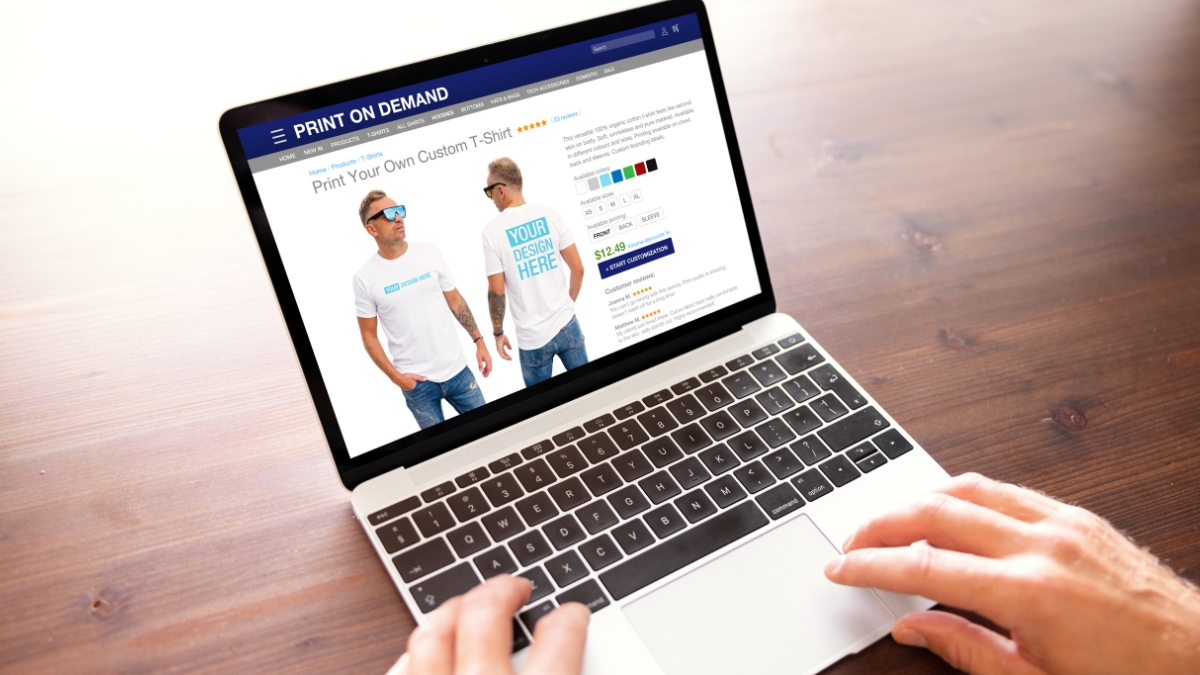
The design tool: Canva. Free. You don’t need Photoshop. You don’t need design school. You need a simple, clear design that resonates with a specific audience — funny mom quotes, minimalist botanical designs, niche hobby graphics, encouraging phrases.
The niche is everything. “Mom” products sell. But “dog mom who does CrossFit and drinks too much coffee” products sell better — because the audience is specific, searches for exactly that, and feels deeply seen by the product.
A realistic picture: A shop with 20–30 listings across a consistent niche can generate $300–$600/month after the first few months of setup. Expand to 100+ listings and the income becomes genuinely meaningful without additional time investment.
Method 6: Blogging — The Slow Build With the Biggest Long-Term Return
Startup cost: $0–$15/month (free options available; self-hosted hosting runs ~$3–5/month)
Time to first income: 6–12 months (honest timeline)
Hours per week: 5–10
Earning range: $500–$15,000+/month (wide range based on niche, traffic, monetization)
Blogging is the long game — and it’s the one most moms abandon before it pays off, which is exactly why the ones who stay with it end up ahead.
The compound math of blogging is unlike any other method here. Each piece of content you publish continues to drive traffic indefinitely. A blog post you wrote two years ago can bring in new readers every single day. At month 12, you have 50+ pieces of content working simultaneously. At month 24, 100+. The income produced by that traffic — through ads (Mediavine, AdThrive), affiliate links, digital product sales, and brand partnerships — scales in a way that hourly work never can.

What to blog about: The niche you choose matters enormously for SEO. The best niches for monetization are: personal finance (especially for moms or families), food/recipes, parenting/motherhood, home and DIY, health and wellness. Pick something you can write about genuinely and consistently — not just what seems most profitable.
The free start: WordPress.com (free) or Blogger (free) to start. Once you have 10–15 posts and are seeing any traffic, move to self-hosted WordPress (~$5/month) for full control.
The realistic expectation: Most blogs don’t earn meaningfully until month 9–12. The moms generating $5,000–$15,000/month from their blogs all went through 8–12 months of writing without much financial return. The ones who are now there didn’t have something you don’t. They just started before you.
📗 The Stay-At-Home Mom’s Guide to Making Money Online covers all 12 income methods in step-by-step detail — including all six above plus social media monetization, online courses, coaching, and more. Each chapter includes the exact platforms, tools, startup costs, how to land your first client or make your first sale, and a 30-day action plan designed for 30-minute work windows.
No prior experience required. No startup costs for beginner methods. Rated 4.9/5 by over 2,400 moms.
Currently $27 (regular $47) with a full 30-day money-back guarantee — zero risk to try it.
→ Get The Stay-At-Home Mom’s Guide to Making Money Online — $27
How to Choose Your Method (The Only Framework You Need)
Here’s the decision tree. Be honest with yourself:
“I need money in the next 30 days” → Start with Virtual Assistant work or Freelance writing/services. These are the only methods with a genuine shot at income within weeks.
“I want something I build once and that keeps earning” → Start with Etsy digital products or Print-on-demand. Accept the 2–6 week setup period for the trade-off of passive income after launch.
“I want to build something long-term — an actual brand or platform” → Start with Blogging alongside one of the faster methods above. Use the faster income to fund your patience for the blog to compound.
“I already have an audience somewhere (Instagram, Pinterest, any social platform)” → Start with Affiliate marketing immediately. You have the hardest part of affiliate marketing already — an audience that trusts you.
The rule above all rules: Choose one method. Not two. One. Give it 30 focused days — not 30 days of “kind of trying it while also researching the others.” Thirty days of treating it like a part-time job. Then evaluate.
Research paralysis is the most common reason moms don’t earn from home — not lack of skill, not lack of time, not lack of opportunity. Deciding is the first move.
What to Do With the Money Once It Starts Coming In
This part matters more than most people think — and most income-building content skips it entirely.
The first dollars you earn from a side hustle have a way of disappearing into the household budget without a trace if you don’t decide in advance where they’re going. That’s not wrong, exactly, but it’s a missed opportunity to use your new income strategically.
A framework worth considering:
- First $500: Emergency fund or starter savings account in your name — something that exists independently
- Next $500–$1,000/month: Spousal Roth IRA contributions (up to $7,000/year, tax-free growth, in your own name)
- After that: Debt payoff acceleration, additional savings, reinvestment in your income stream

The income side of the equation is only half the picture. The money management side — knowing where every dollar goes, having a plan for your earnings, building wealth strategically — is what turns a side hustle into genuine financial independence.
📘 The Smart Mom’s Complete Guide to Money covers exactly what to do once the income starts flowing — budgeting frameworks, debt payoff strategy, the Spousal Roth IRA explained clearly, investing basics, and a complete 90-day action plan for your family’s finances. The money management guide that pairs perfectly with any income-building effort.
4.9/5 stars from 1,800+ families. $27 with a 30-day money-back guarantee.
The Version of Naptime That Changes Everything
The difference between a 45-minute scroll session and a 45-minute work session is one decision made before you sit down.
It doesn’t require a dramatic lifestyle overhaul. It doesn’t require full-time childcare or giving up the reason you chose to be home. It requires choosing one method, opening a laptop, and doing the first concrete thing — creating the Upwork profile, designing the first Etsy listing, writing the first blog post, applying to the first affiliate program.

The moms earning $1,000–$3,000/month from home didn’t start knowing how it would work out. They started because the alternative — staying financially invisible, staying dependent, staying in the quiet anxiety of not having their own income — felt like more than they were willing to accept.
That’s the only qualification you need. The rest is just the work.
This post contains affiliate links. We may earn a small commission at no extra cost to you. We only recommend resources we’ve genuinely reviewed and believe in.
About the Author