Minimalist Home Decor: How to Do "Less Is More" Without the Cold, Empty Feel
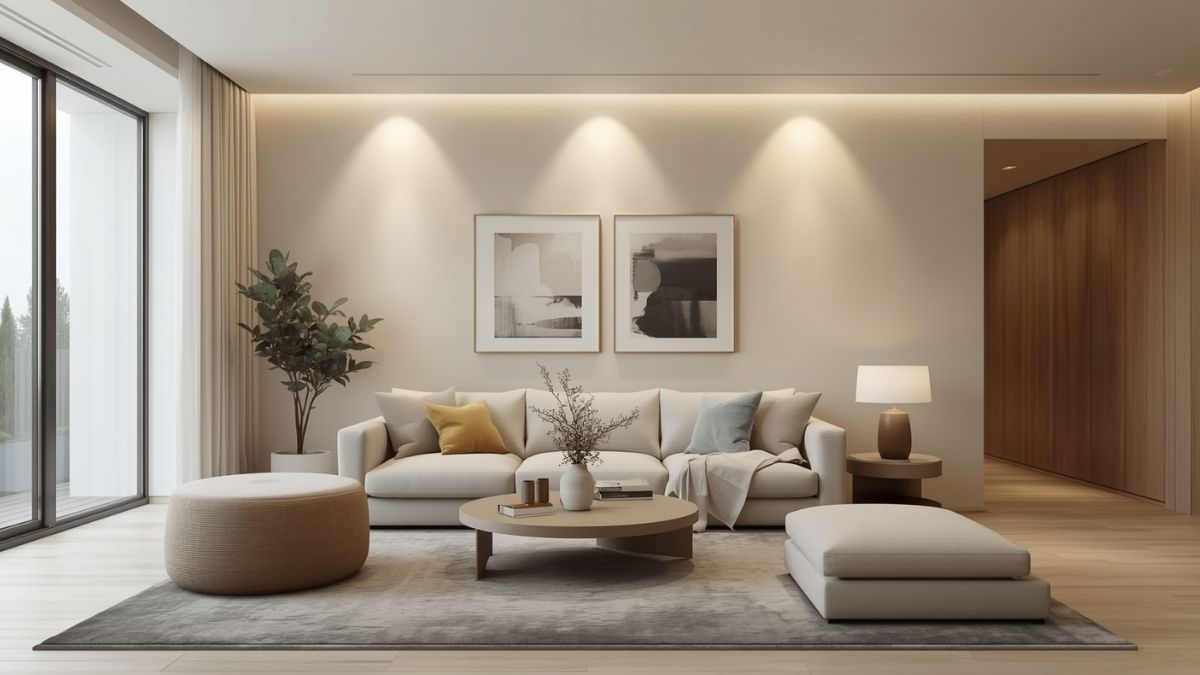
There’s a version of minimalism that looks like an Airbnb nobody lives in — all white walls, empty counters, and the faint sense that someone is about to show up and take a photo of it. And then there’s the version that actually feels good to come home to: warm, quiet, intentional. The kind of room where nothing is fighting for your attention, but everything you do see, you actually chose.
That second version is where minimalist home decor is headed. Gone is the stark, gallery-white era. In its place: soft neutrals, natural texture, and a few well-placed pieces doing all the work. Here’s how to get there.
Minimalism Isn’t About Having Less — It’s About Choosing Better
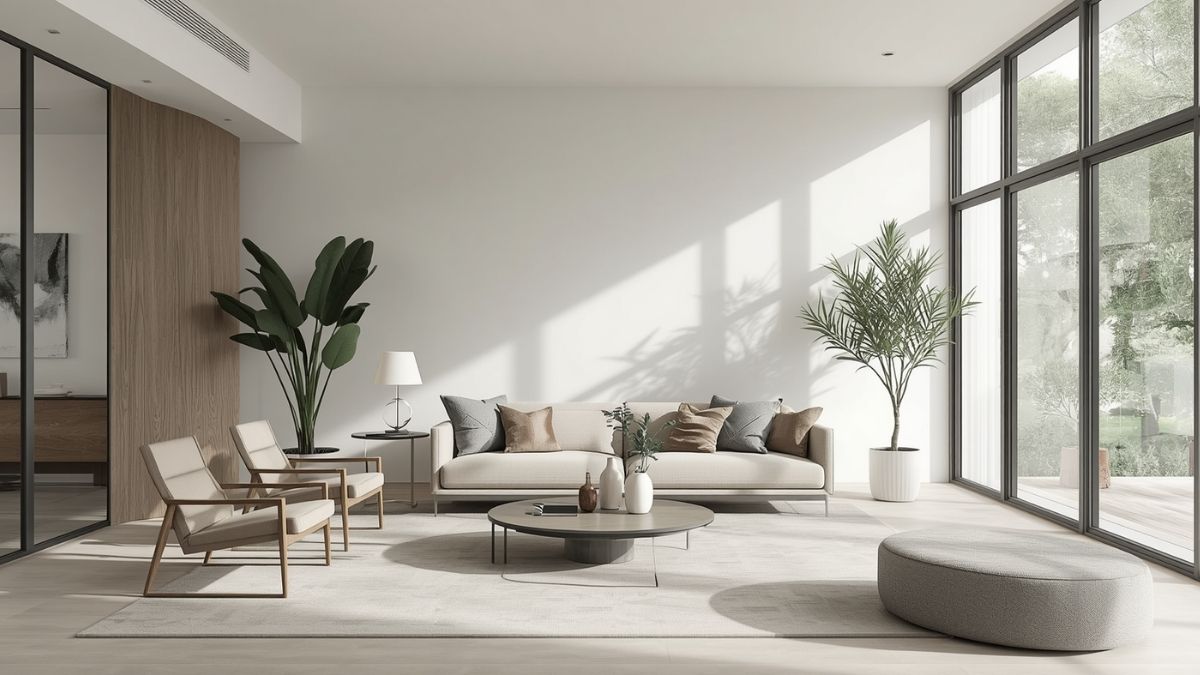
The biggest myth about minimalist decor is that it means emptiness. It doesn’t. It means every object in the room earns its spot. A cluttered shelf with twelve mismatched trinkets isn’t “cozy” — it’s just noise. But one sculptural vase, styled with intention, does more visual work than all twelve combined.
The goal isn’t a bare room. It’s a curated one.
1. Build Around a Warm Neutral Palette
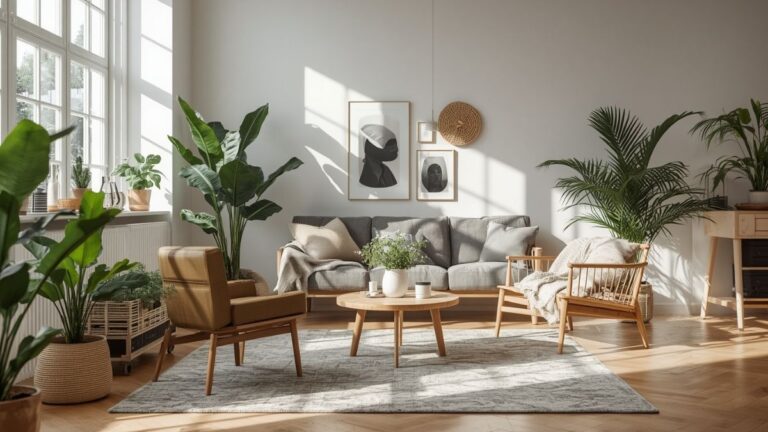
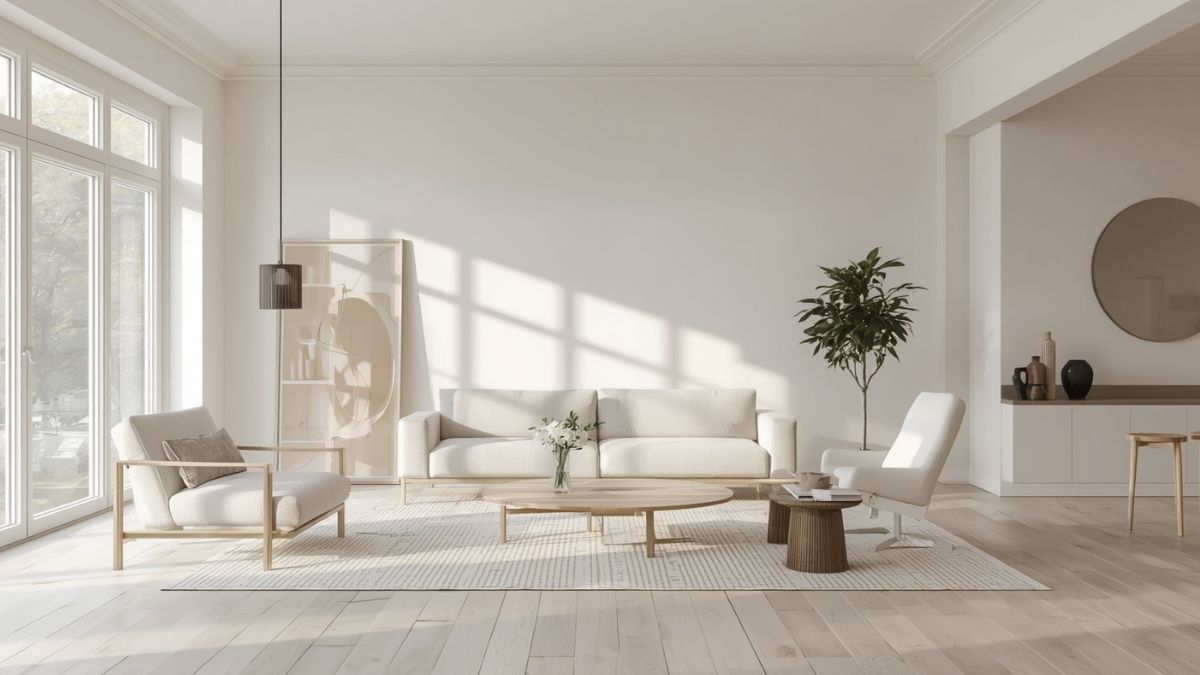
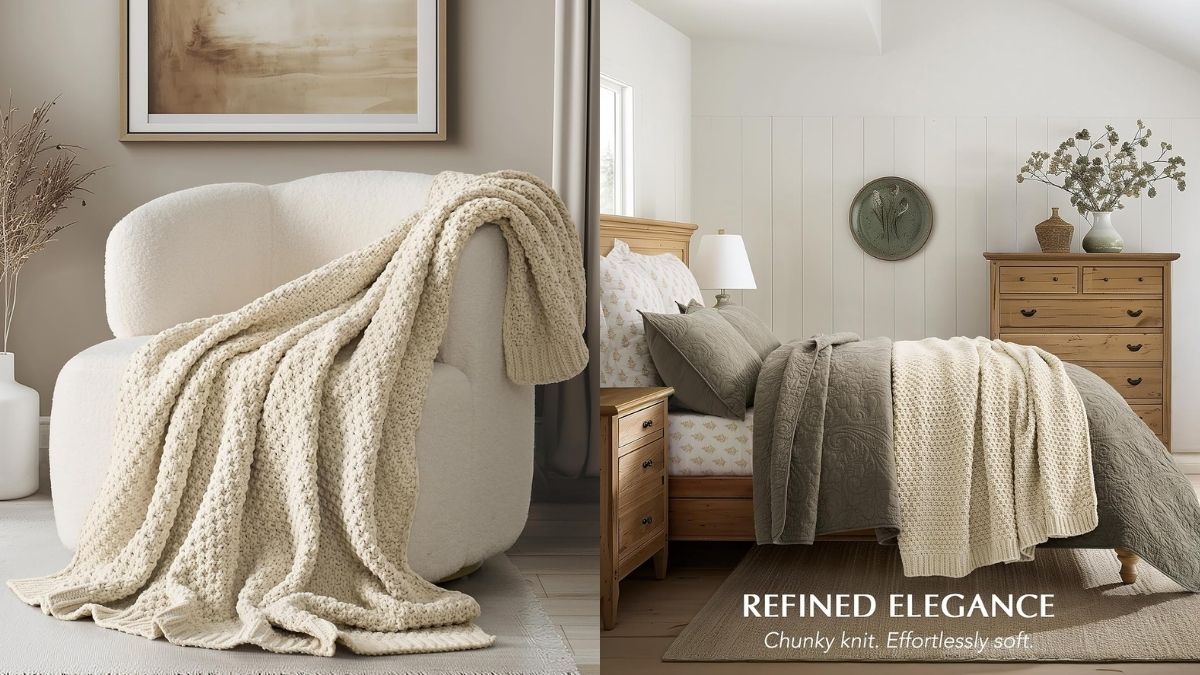
Icy white and gray are fading out. This year’s minimalist rooms lean into coffee, mocha, clay, and sand — tones that feel calm without going cold. Start with your biggest surfaces (walls, rugs, throws) in these warmer neutrals, then let texture — not color — do the storytelling.
→ Shop it: Chunky Knit Throw Blanket, Neutral Tones — the easiest, cheapest way to add warmth to a minimal sofa.
2. Let One Piece Be the Focal Point
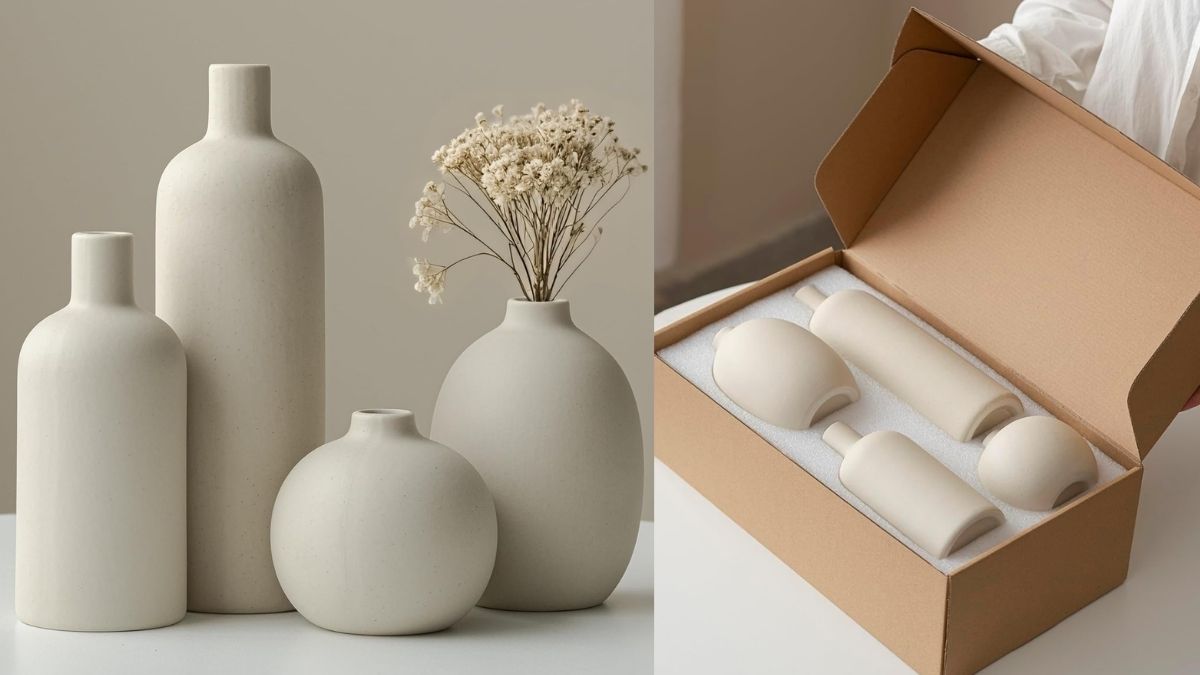
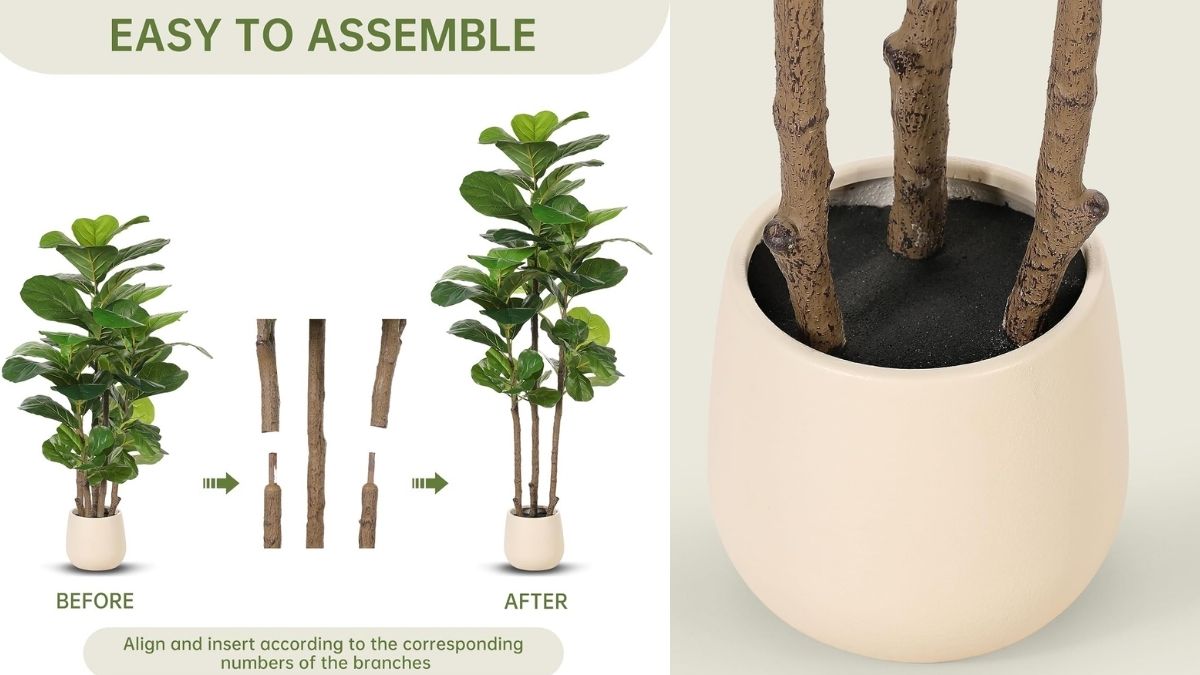
Minimalist styling works best when each area of a room has a single hero object instead of a cluster of smaller ones. A sculptural ceramic vase on a console table, a single large-leaf plant in a simple pot — pick one thing per surface and give it room to breathe.
→ Shop it: Sculptural Ceramic Vase, Matte Finish
→ Shop it: Large Faux Fiddle Leaf Fig in Woven Basket Planter
3. Layer In Natural Texture
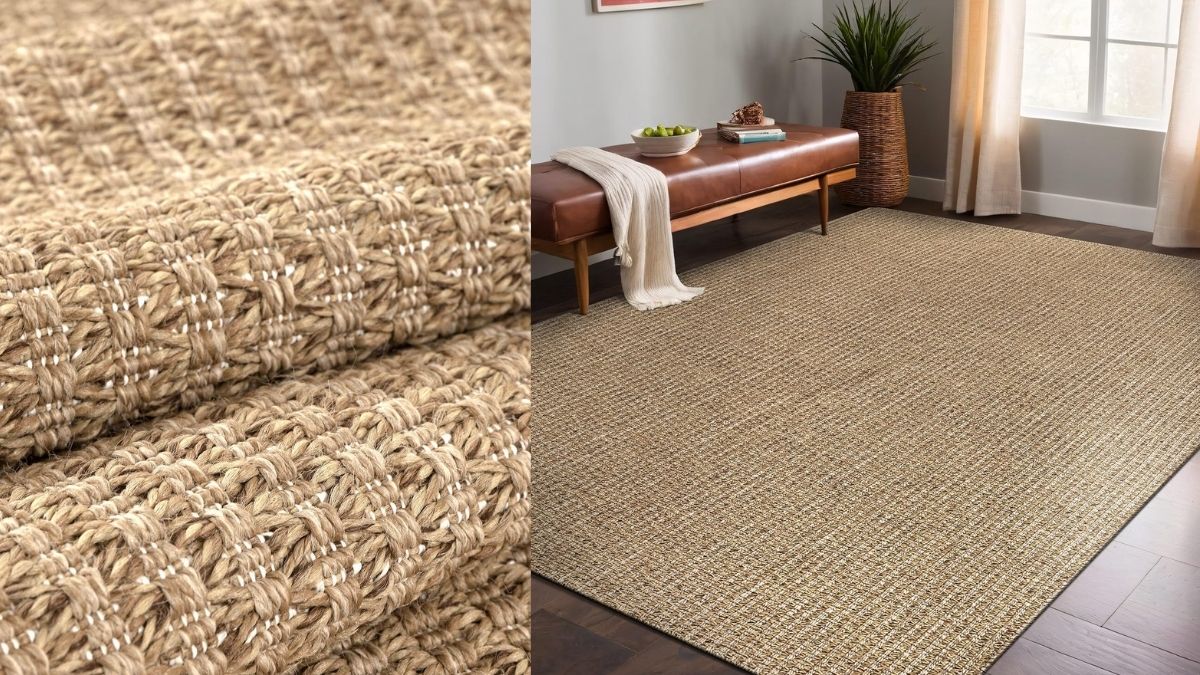
Once you strip away clutter and pattern, texture becomes your main design tool. Think a woven jute rug on hardwood floors, a linen throw pillow next to a smooth leather cushion, or a raw-edge wood tray on a marble counter. The contrast is what keeps a minimal room from feeling flat.
→ Shop it: Woven Jute Area Rug
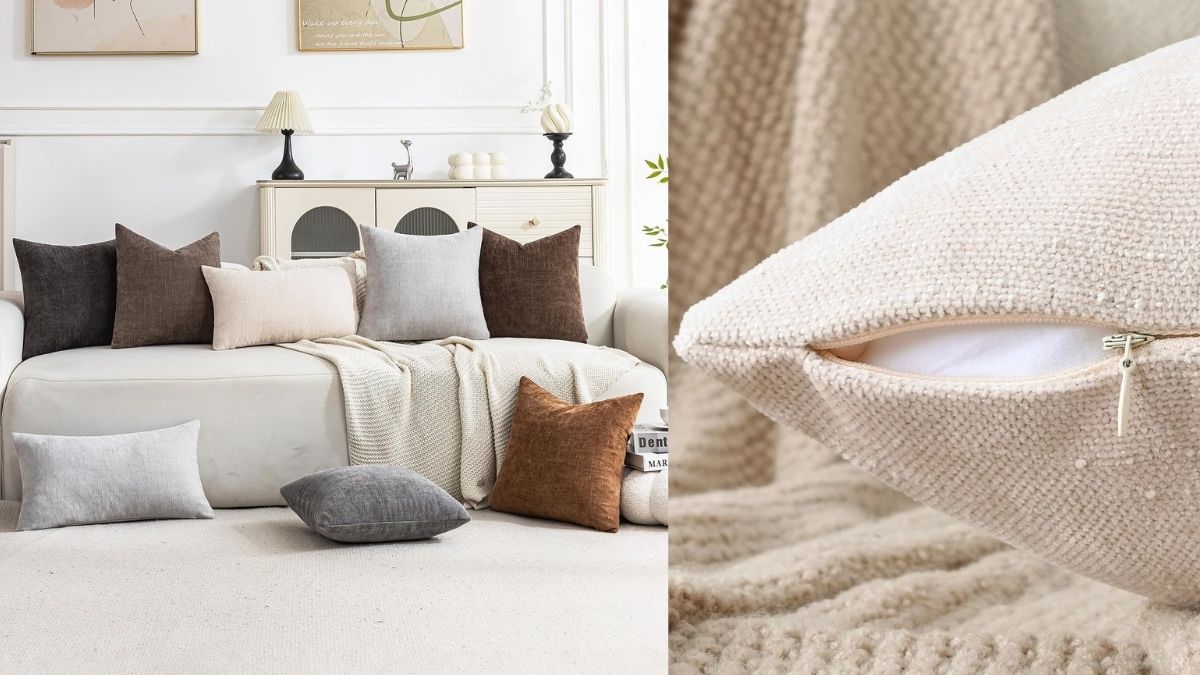
→ Shop it: Linen Throw Pillow Covers, Set of 2
4. Make Lighting Do More Than One Job
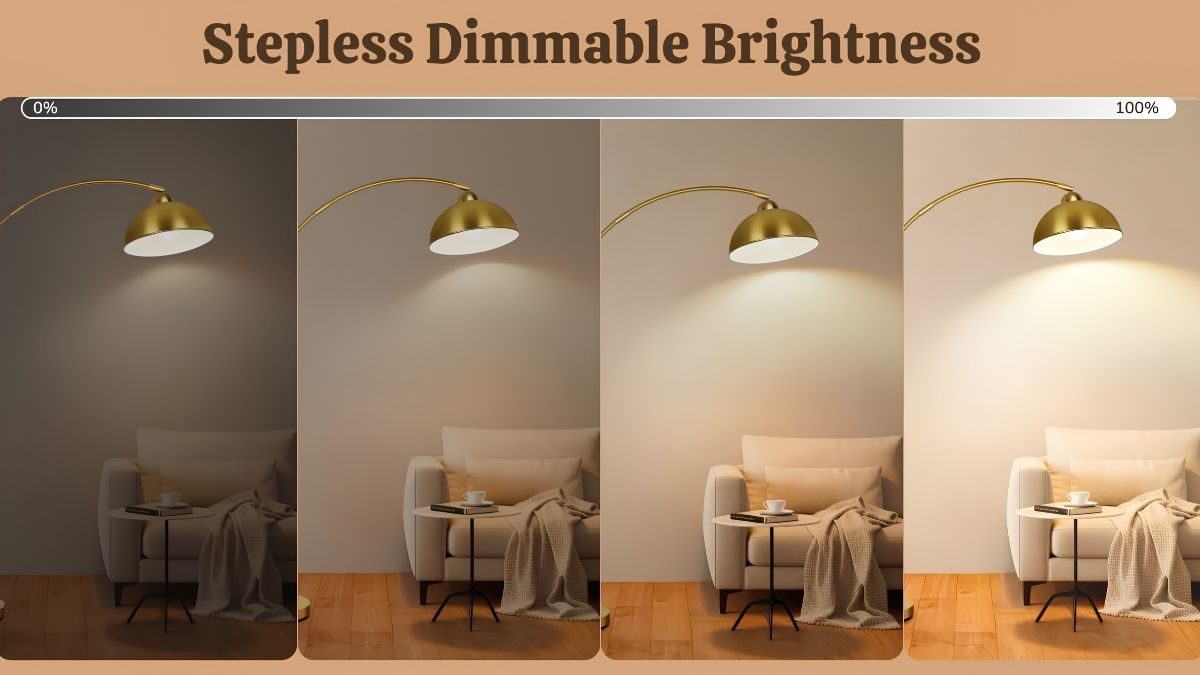
In 2026’s minimalist spaces, lighting isn’t an afterthought — it’s basically the decor. A single overhead fixture reads flat and cold. Instead, layer light at different heights: a floor lamp in the corner, a small table lamp, maybe a plug-in wall sconce. It adds depth to a room without adding a single extra object to “look at.”
→ Shop it: Minimalist Arc Floor Lamp
5. Hide the Ugly Necessities
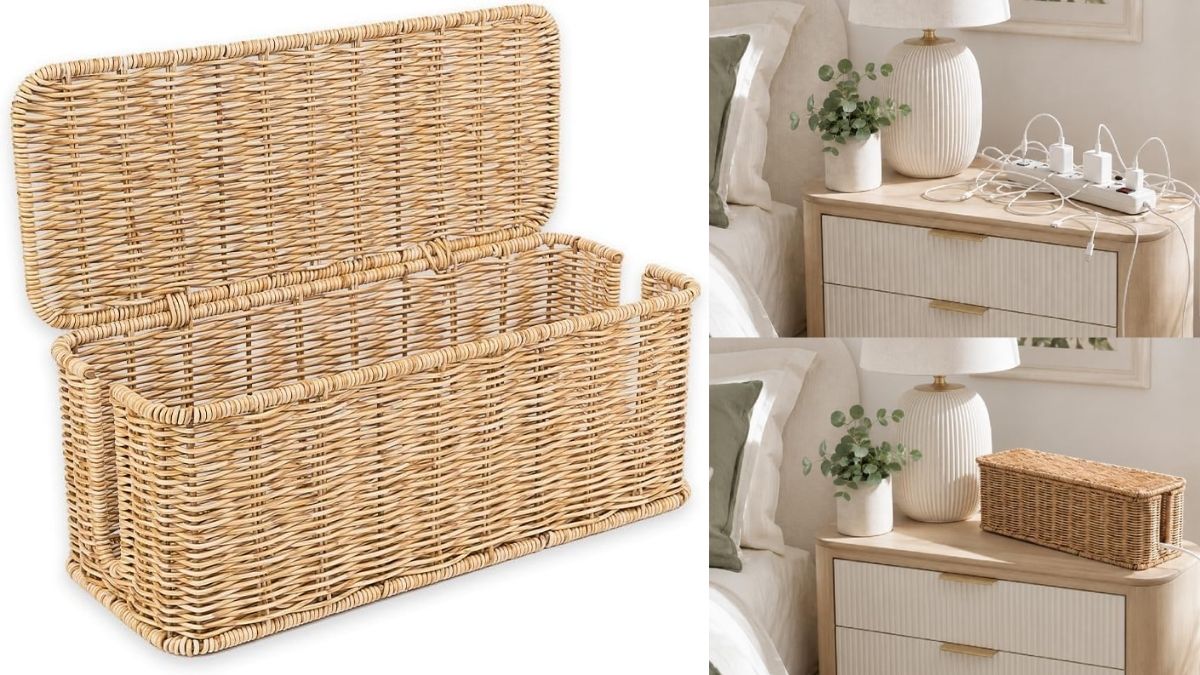
Cords, routers, remotes, chargers — nothing kills a minimal look faster than visible tech clutter. This year’s minimalist trend leans hard into what designers call “invisible technology”: storage pieces that hide the stuff you actually use every day so your surfaces stay clear without you having to actually own less.
→ Shop it: Media Storage Console With Cable Management
FAQ: Minimalist Home Decor
Isn’t minimalist decor boring? Only if you skip texture. Restraint in color plus richness in material (wood grain, linen, raw ceramic) is what keeps a minimal room from feeling flat.
How many decorative objects should be on a shelf or table? As a rule of thumb, one to three per surface, max — and only if each one has a clear reason to be there.
Do I need to get rid of everything I own? No. Minimalist decor is a design approach, not a purge. Start by editing one room, one surface at a time, rather than doing a full-home overhaul in a weekend.
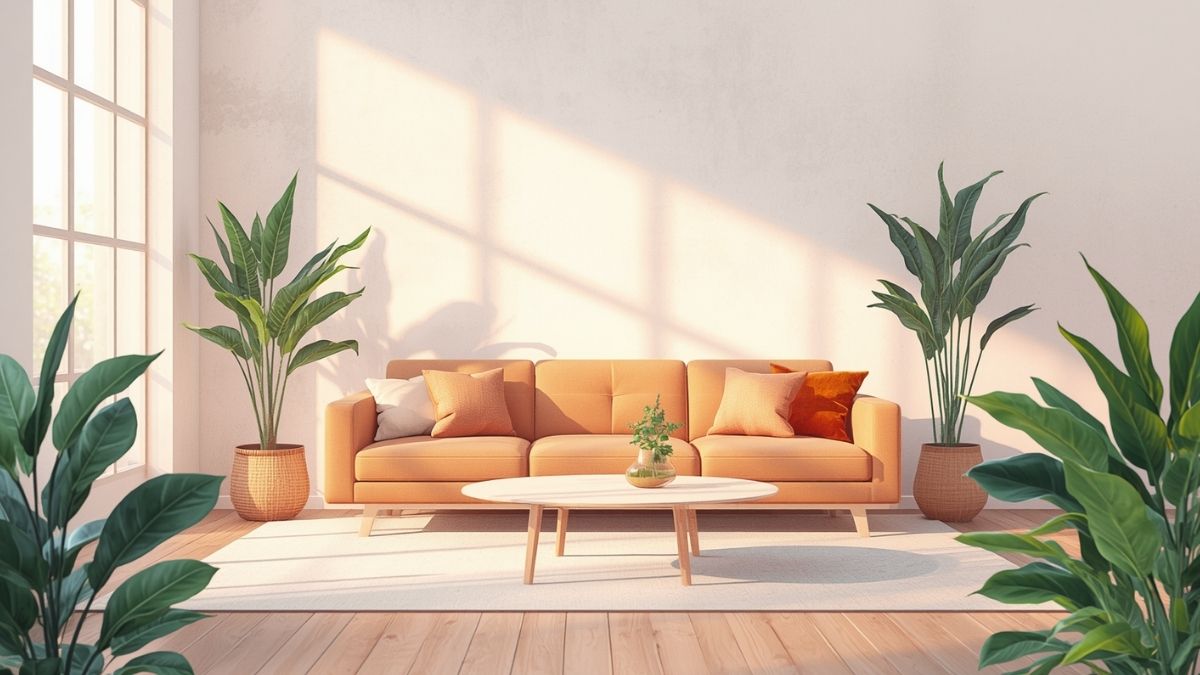
At its best, minimalist home decor isn’t about having less stuff — it’s about having less noise. Choose fewer things, choose them well, and let each one actually be seen. That’s the whole trick.
About the Author