
Study Corner Ideas
A good study corner does more than look tidy — it supports a ritual. When students have a consistent start routine, supplies within reach, and distinct zones for reading and writing, settling in becomes quicker and less mentally noisy. These study corner ideas focus on repeatable habits, single-task setups, and layouts that work in shared homes without promising magical boosts to grades or cognition. Practical, attractive, and simple to implement, the suggestions below help make study time feel intentional.
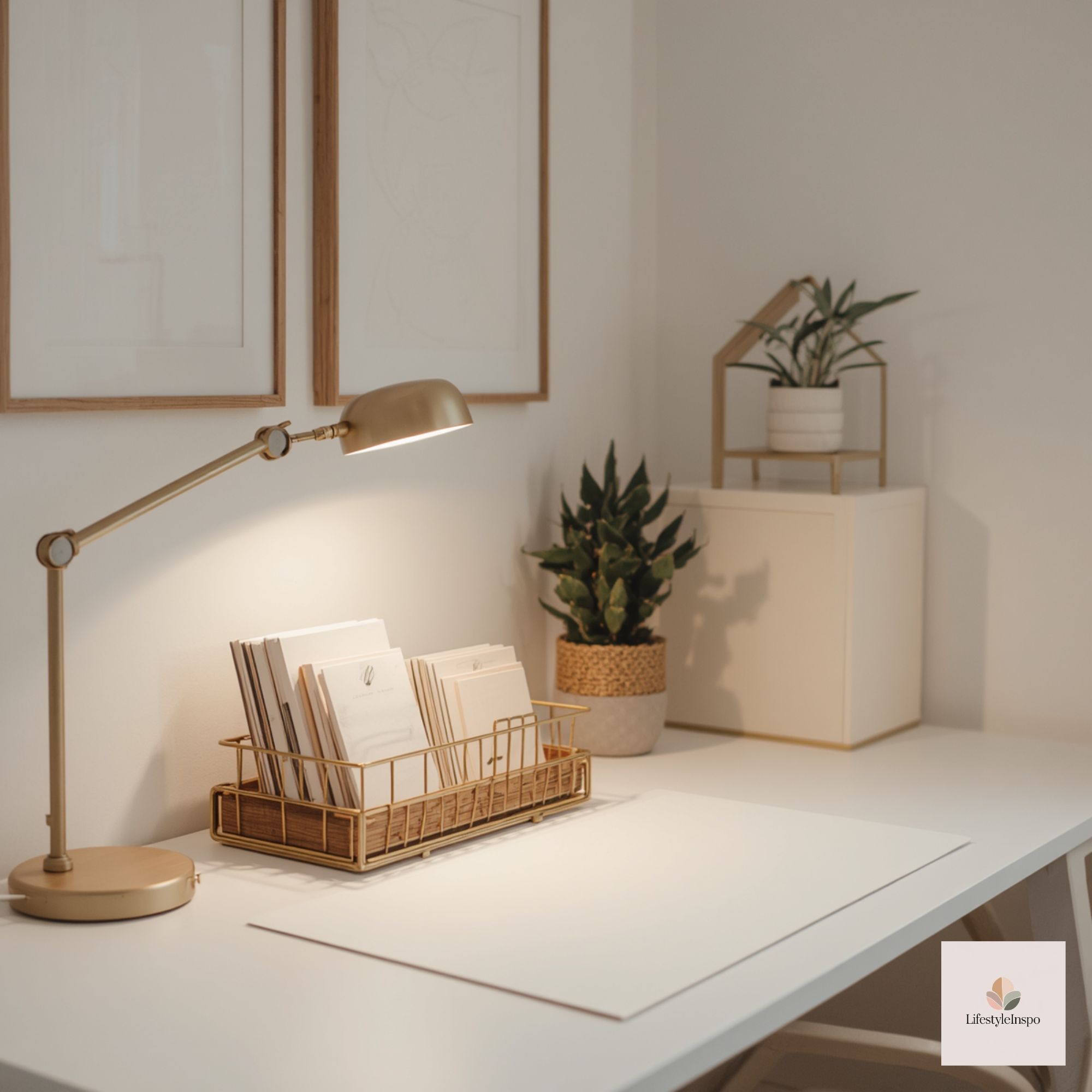
Begin with a repeatable start routine
A clear, repeatable start routine signals the brain that it’s time to switch into study mode. Design the physical corner so the first few actions are always the same.
- Choose a visible trigger: This can be a specific lamp you turn on, a scented candle (if safe and allowed), or a small card with your study goals. Place that trigger where it’s easy to reach when you sit down.
- Keep a checklist card on the desk: A 3-step card — “1. Set timer 2. Clear phone 3. Write 1 goal” — is enough. Make it durable (laminate or slip into a reusable cardholder) so it’s always available.
- Create a quick reset: Include a small desktop tray for yesterday’s notes and a pouch for chargers. Before you start, empty both into their correct homes so the workspace looks and feels fresh.
These rituals should be short. Repetition, not complexity, creates the psychological switch that helps many students settle more quickly.
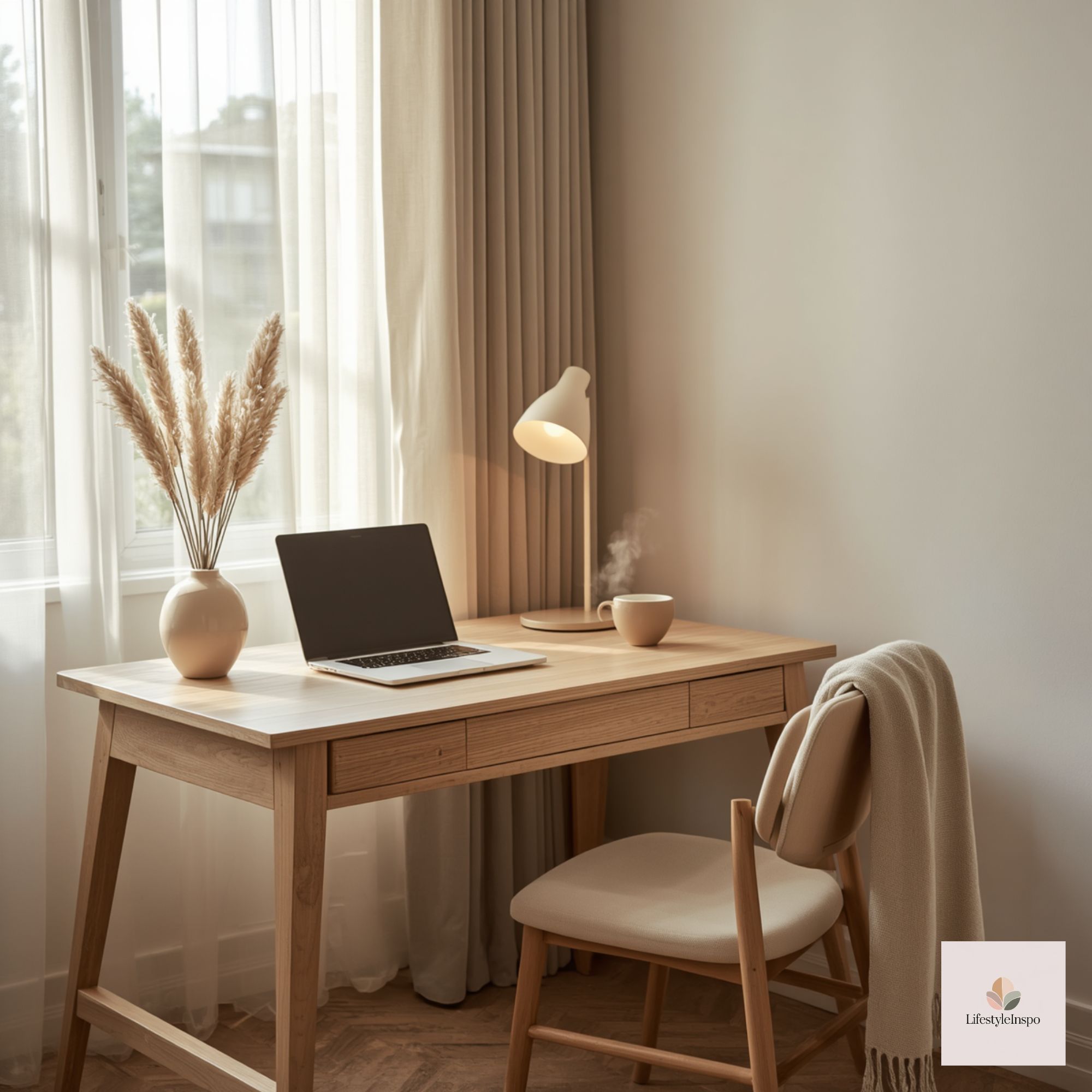
Layout for single-task focus
Single-task setups reduce decision friction. Instead of blending multiple activities on one surface, designate your study corner for one primary type of work: reading, writing, or screen-based study.
- If your primary task is writing: Keep a clean surface with a notebook, preferred pens, and a standing pad for drafts. A compact document holder propped beside a laptop keeps reference pages upright and unreadable from other angles.
- If reading is the priority: Add a slanted reading board or hardcover bookstand, and make space for a notepad and pencil for marginal notes.
- For screen-based study: Use a simple cable organizer and a webcam-friendly angle. Reserve headphones in a hanging hook so they’re never tangled on the desk.
The goal is a single-task cue: when you sit at this desk, you do one main activity. That reduces the cognitive overhead of deciding what to do next.
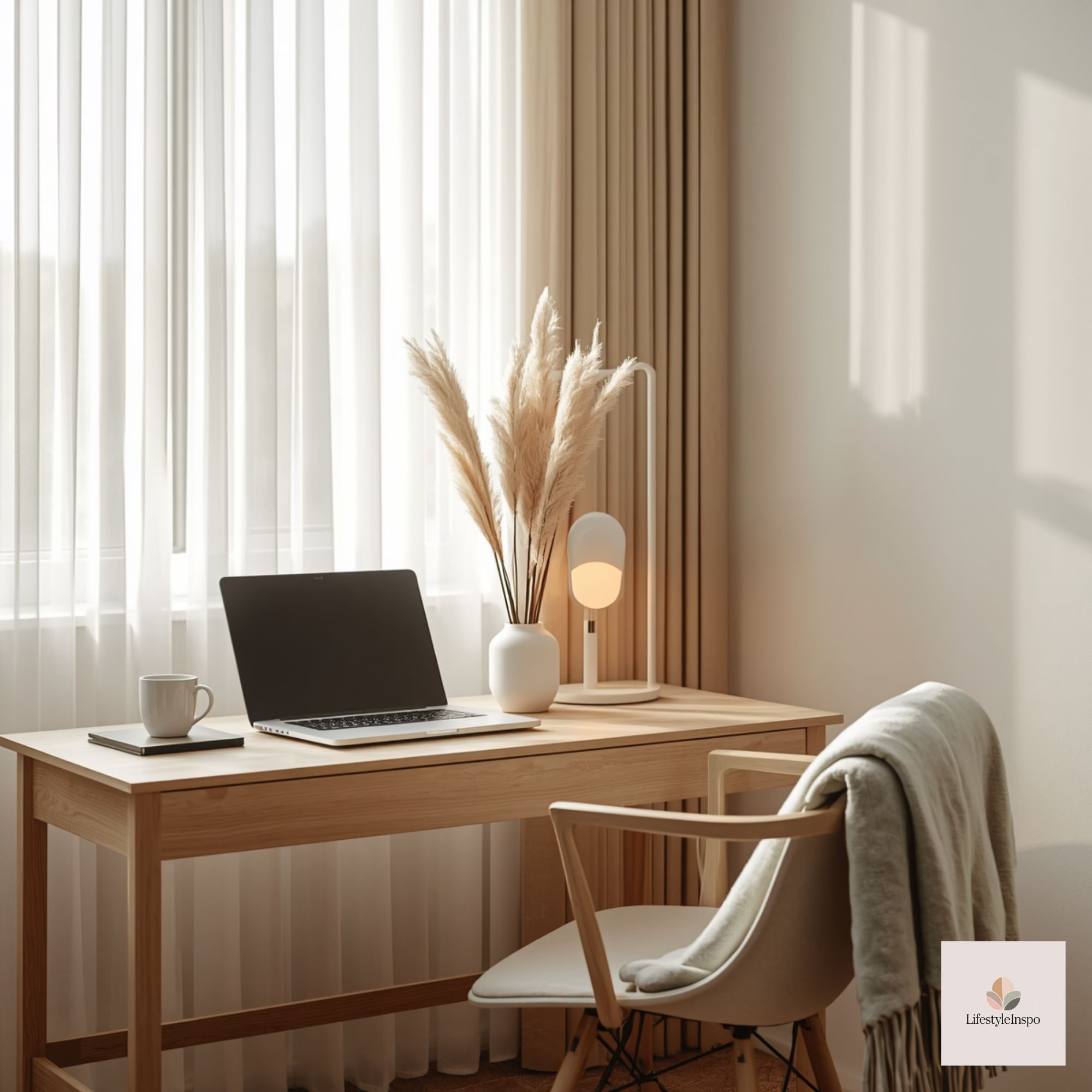
Supplies within reach — thoughtful, not cluttered
Having the right supplies handy eliminates excuses and keeps flow intact. But “within reach” doesn’t mean everything visible — it means what you actually need for the session.
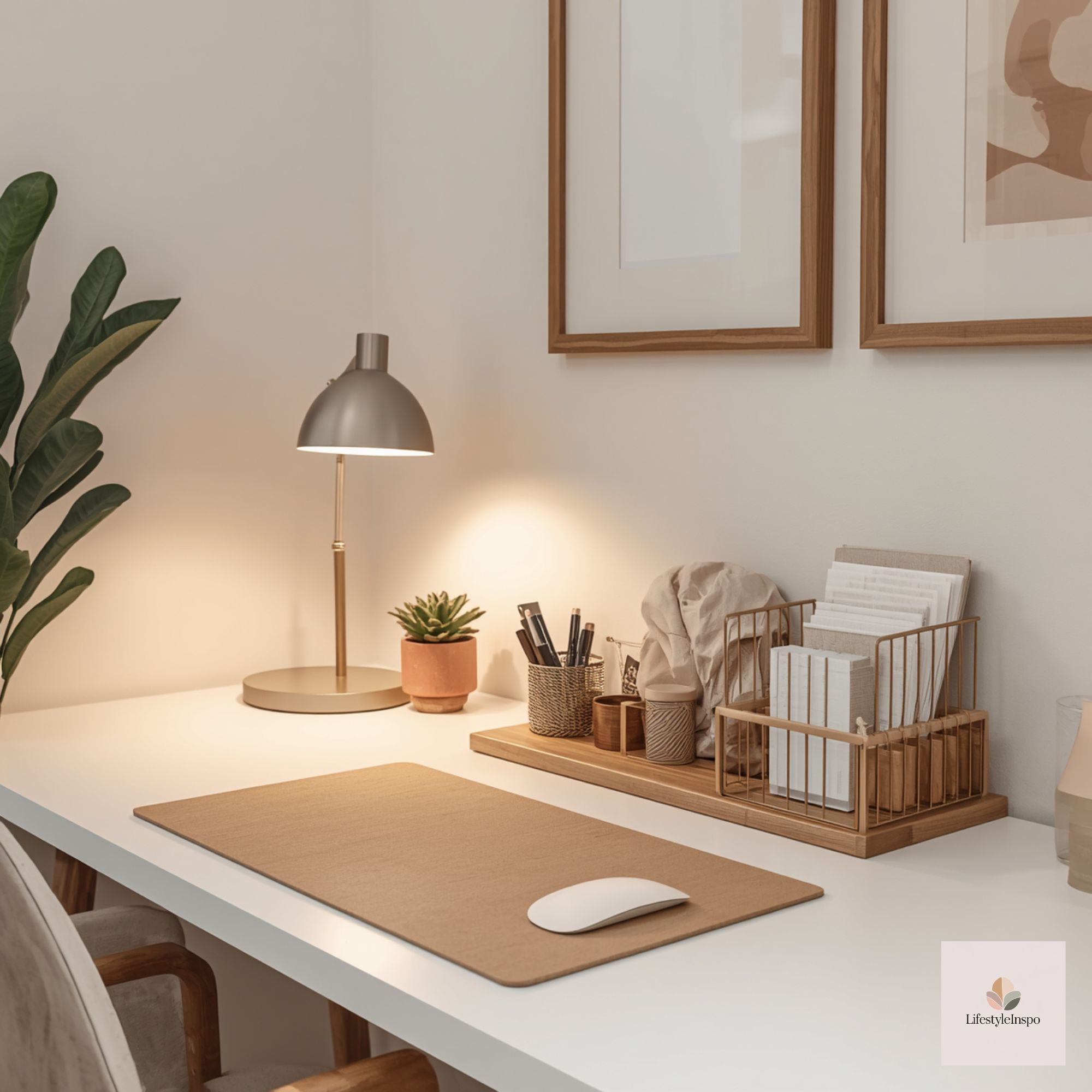
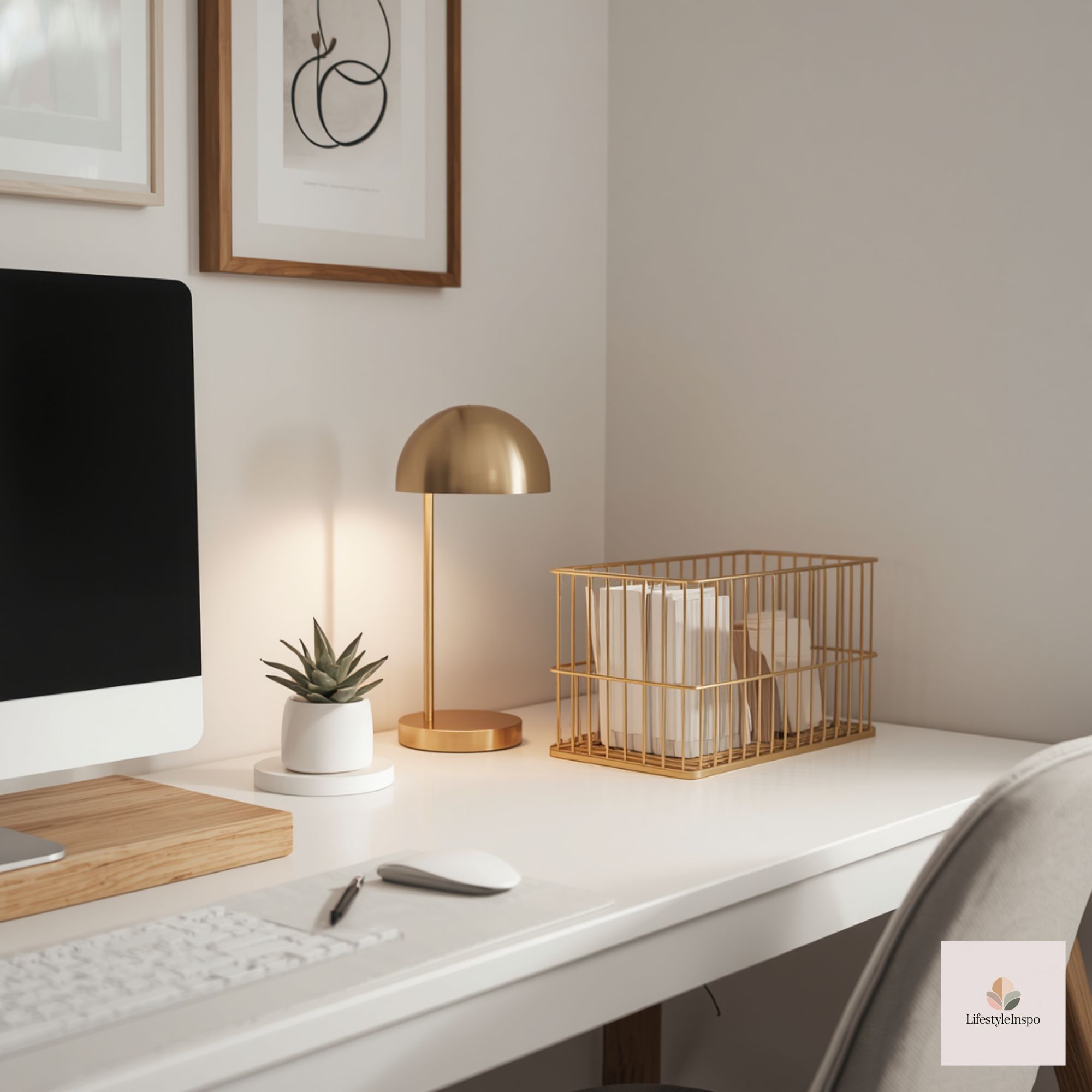
- Essentials tray: Choose a shallow tray or small caddy with your top three essentials: a favorite pen, highlighter, and sticky notes. Keep it at the far-right or left corner depending on handedness.
- Lazy storage: Use a slim rolling drawer or under-desk shelf for less-frequent items — calculators, chargers, backup pens. If in a shared home, label containers so everyone knows what’s personal and what’s communal.
- Visual inventory: Attach a small sticky dot system on the tray lid: green if stocked, red if low. It’s a quick visual cue to refill before a study block.
- Portable kit: For group study or library days, maintain a small zip pouch with the essentials. That makes the corner feel reliable even when you’re away.
When supplies are intentionally curated and limited, the space feels purposeful rather than chaotic.
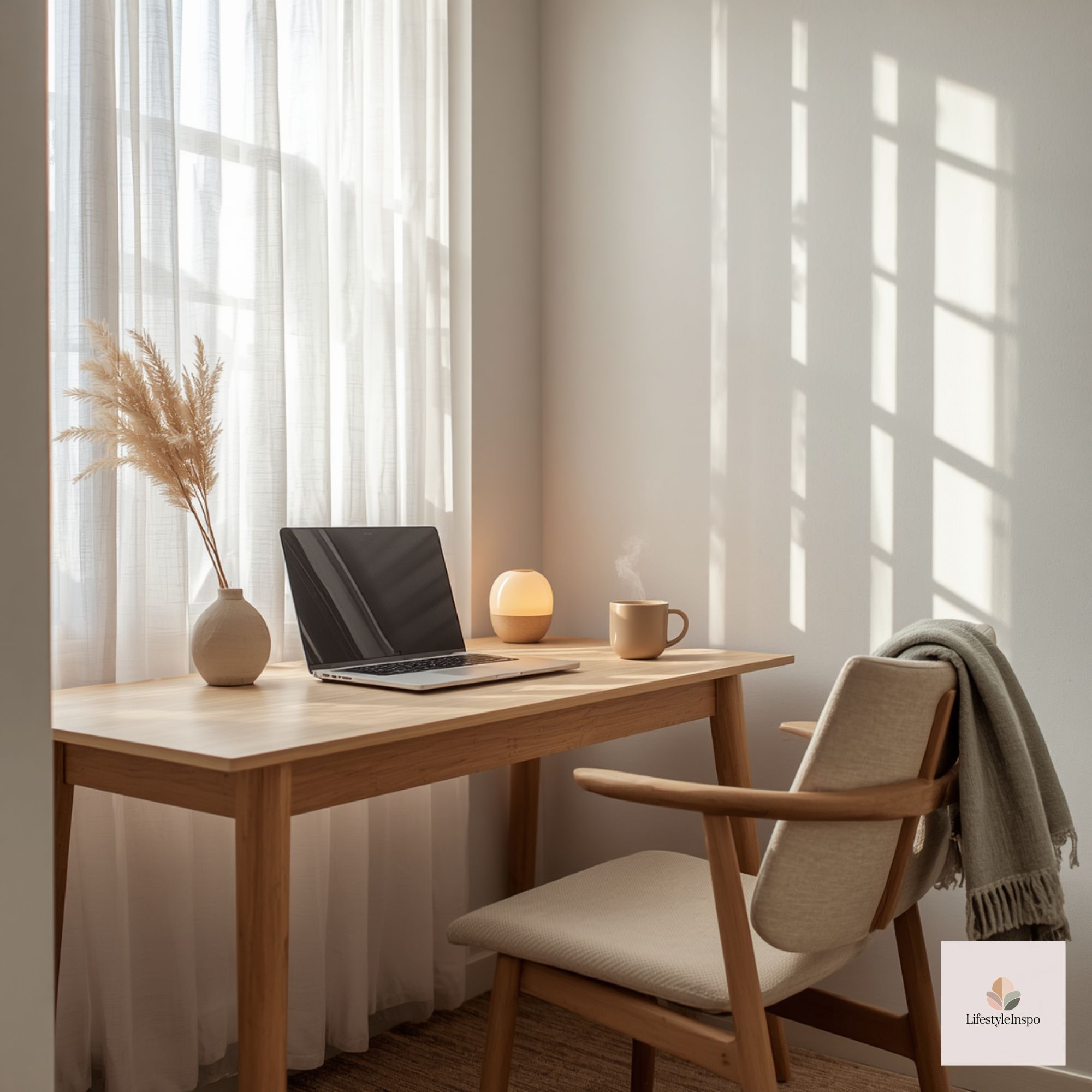
Design distinct reading and writing zones
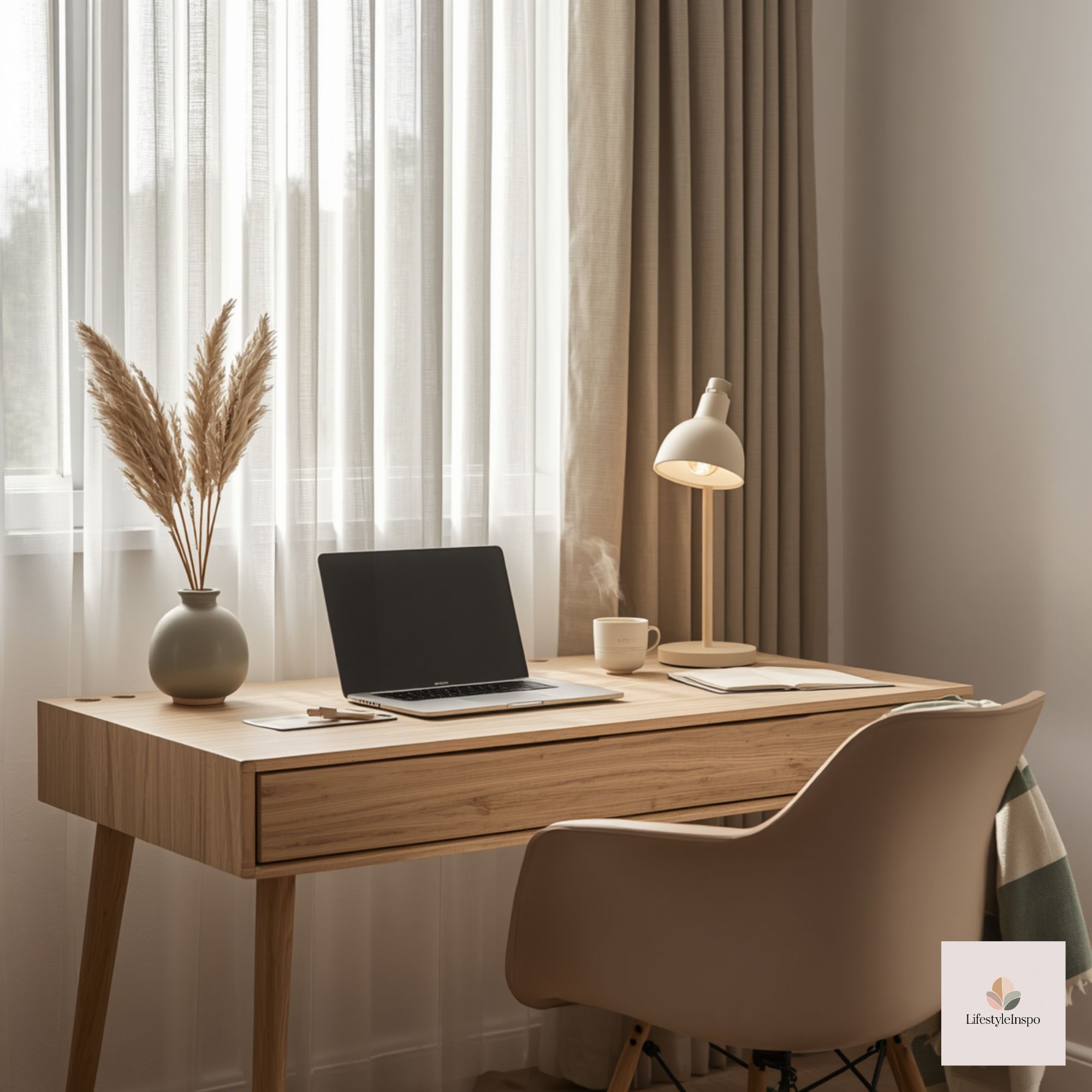
Splitting the corner into clear zones for reading and writing helps the brain associate each spot with a different kind of work. You don’t need two desks — just thoughtful placement.
- Horizontal surface for writing: Keep a flat, clear area with a writing pad and desk lamp. This should be the most uncluttered part of the corner.
- Vertical or angled surface for reading: Use a small easel, bookstand, or a slanted clipboard anchored to one side. This creates a separate visual plane so reading material isn’t mixed with loose papers.
- Moveable divider: A small fabric screen or low shelf can subtly separate zones without closing off the space. For shared spaces, a folded screen is easy to stow when not needed.
- Lighting for each zone: Add a directional lamp for writing and a softer, warmer lamp for reading. Different bulbs or lamps cue your body to the type of task you’re doing.
By alternating between zones rather than mixing them, students can switch tasks with less friction and a cleaner workspace.
Shared-home strategies: polite, practical, flexible
Many students live with family or roommates. A study corner must respect shared spaces and make cooperation easy.
- Shared calendar: Use a wall-mounted whiteboard or magnetic strip for booking the corner. Keep slots short and flexible to accommodate everyone’s schedules.
- Personal anchors: If the corner is used by multiple people, allow each person one small, personal item (a pen holder, a thin bookmark) to leave a sense of ownership without territorial clutter.
- Sound management: Provide a pair of shared noise-canceling earbuds or a small sign system: “Green — studying quietly” and “Red — available.” This avoids repeated interruptions.
- Easy swap kit: Keep a basket labeled “shared supplies” with items anyone may need: sticky notes, a ruler, or spare chargers. It reduces friction and prevents repeated borrowing.
Make the corner adapt to different needs, but keep the start routine and single-task principles consistent for every user.
Visuals and inspiration that prompt action (not just decoration)
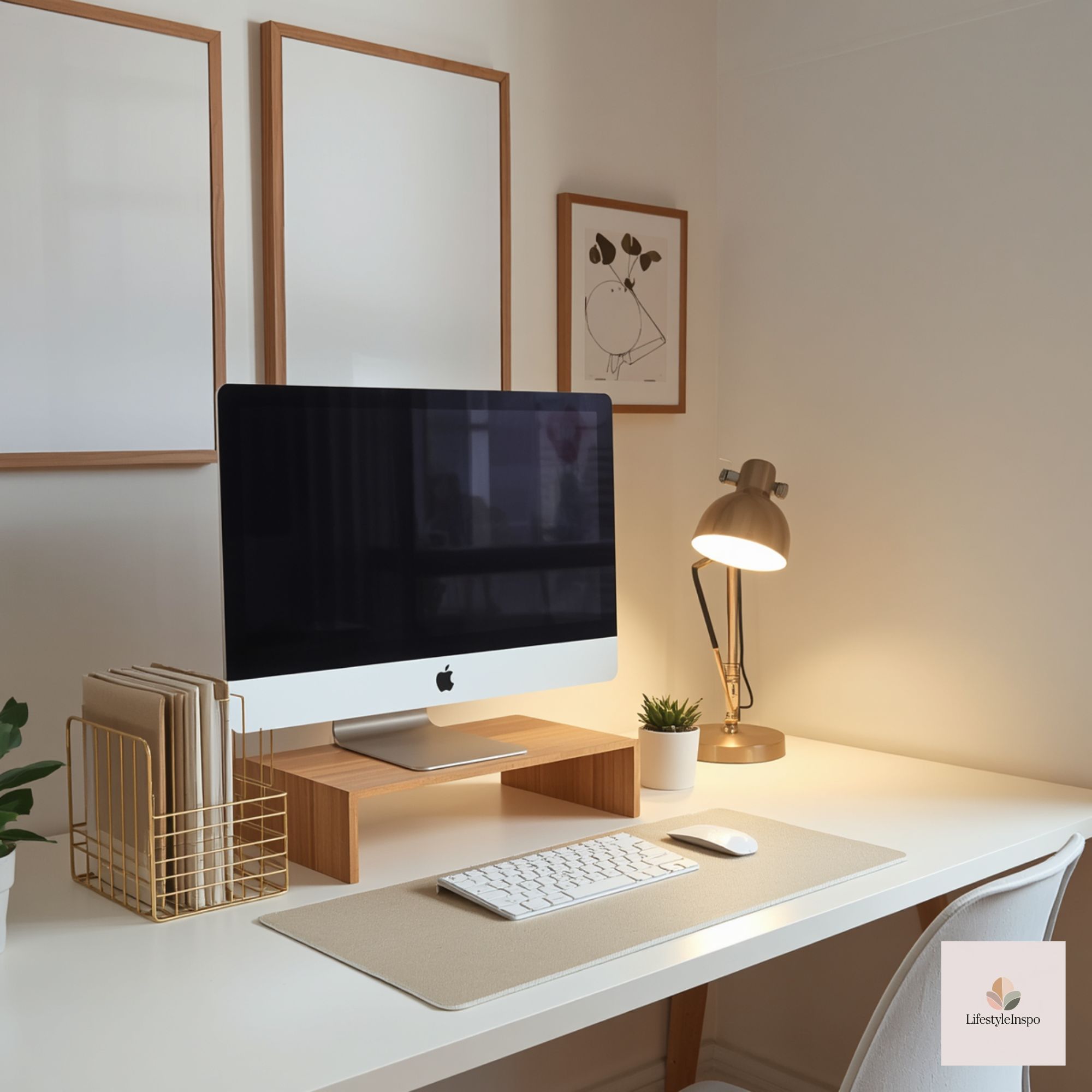
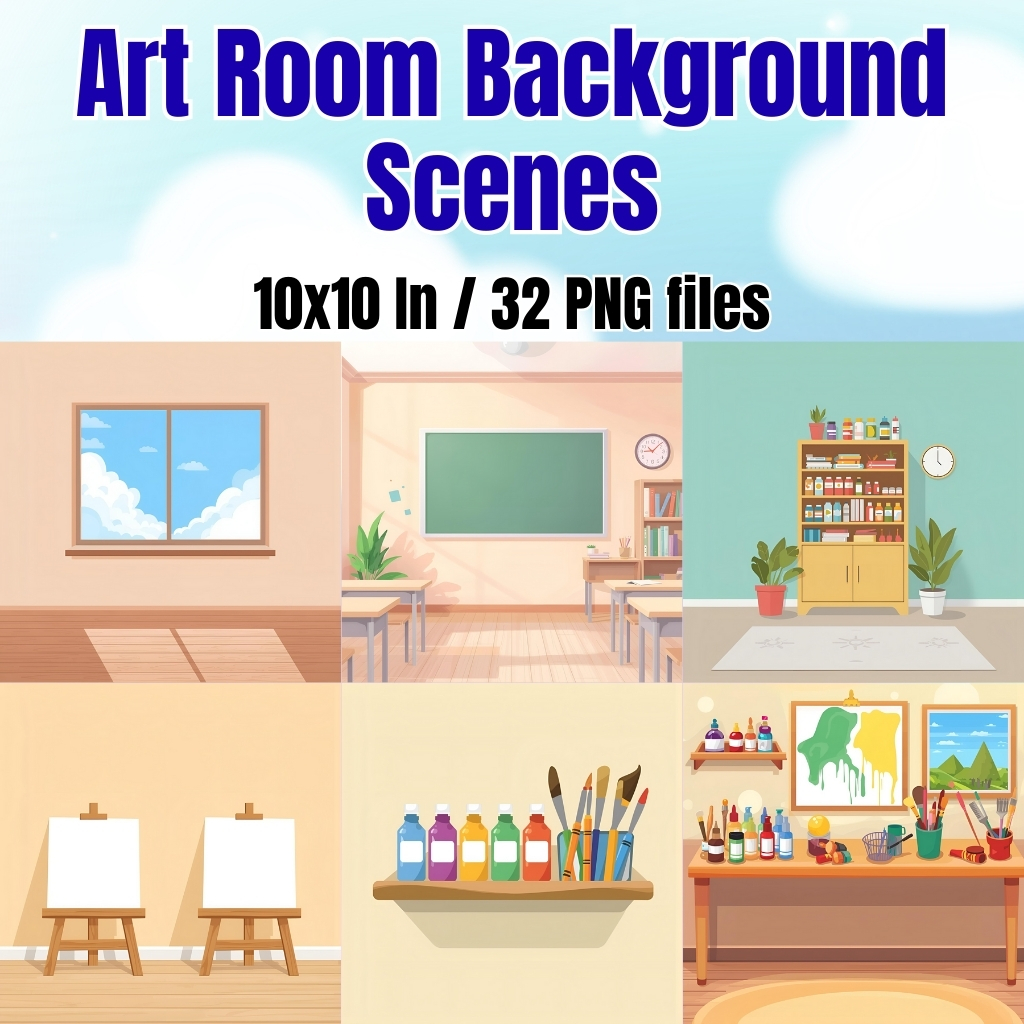
Digital clip art and background scenes can help set a mood or provide a quick visual cue for study routines — used as digital wallpaper or planner inserts rather than framed décor that claims to “boost learning.”
- Digital backgrounds for routine: Use a set of rotating desktop wallpapers that match your study routines: one for “focus” (minimal, tonal) and one for “review” (soft grid for note-taking). The Art Room Background Scenes from Omni Mart are downloadable clip art assets you can use as inspiring digital backdrops or printable planning inserts. Remember to review the seller’s usage terms before reproducing any files.
- Gentle color cues: Digital papers like the Boho Rainbow Watercolor Backgrounds – Digital Paper Clip Art can be used on a tablet or printed sparingly for dividers, study playlists, or to color-code subjects. Again, check usage terms first to make sure you’re using the files appropriately.

- Functional visual anchors: Instead of full decorative frames, slip small print-outs or editable planner pages into inexpensive clear stands. Place a routine checklist where it’s always visible to cue the same steps each study session.
Treat digital assets as tools for habit prompts rather than decorative statements. They’re flexible and changeable, which helps keep routines fresh.
Boho Rainbow Watercolor Backgrounds – Digital Paper Clip Art
Task lighting and posture reminders without overselling ergonomics
Good lighting and small posture habits matter for comfort and sustained work, but avoid grand claims about outcomes. Make small, sustainable adjustments.
- Layered lighting: Pair an overhead light with a task lamp aimed at your work surface. Use a warmer bulb for reading and a cooler one for precision writing if that feels comfortable.
- Micro-stretch reminders: A small sticker on the underside of the shelf reading “5 breaths” or “stretch” is a subtle nudge to break every 25–45 minutes.
- Moveable stand options: A lightweight laptop riser lets you change position quickly for short standing bursts. If you use one, keep the riser folded in a side cubby for easy access.
- Chair swaps for shared use: Keep two compact seat cushions or a lumbar roll in rotation so everyone can pick what feels best for their session.
Small, repeatable physical habits often beat big, one-time upgrades because they’re easier to maintain.
Keep the corner adaptable for different study seasons
Student needs change across the term: exam seasons, group project periods, or quiet review weeks. Your corner should be easy to tweak.
- Seasonal kit rotation: Store an “exam kit” with index cards and highlighters and a “project kit” with sticky tabs and a USB drive. Swap the kit visible on the desk depending on current needs.
- Command strips and modular shelves: Lightweight, removable shelves let you add a small paper organizer during busier months and remove it for a minimal look during breaks.
- Quick declutter ritual: End each week with a 10-minute reset: sort papers, refill the essentials tray, and update the checklist card. The same few steps turn the corner from messy to ready for the next week.
An adaptable corner stretches usability across different study phases and keeps the routine intact.
Conclusion
Designing a study corner that helps students settle in is as much about ritual as it is about style. A repeatable start routine, supplies within reach, single-task setups, and separate reading/writing zones reduce friction and help make study sessions feel intentional. For shared homes, establish polite systems that preserve individual routines and simplify cooperation. Using digital clip-art assets as mood-setting backdrops or planner inserts can support these systems — just check usage rules before reproducing files. With a few focused decisions and short rituals, a study corner becomes a dependable place to start learning.
About the Author





