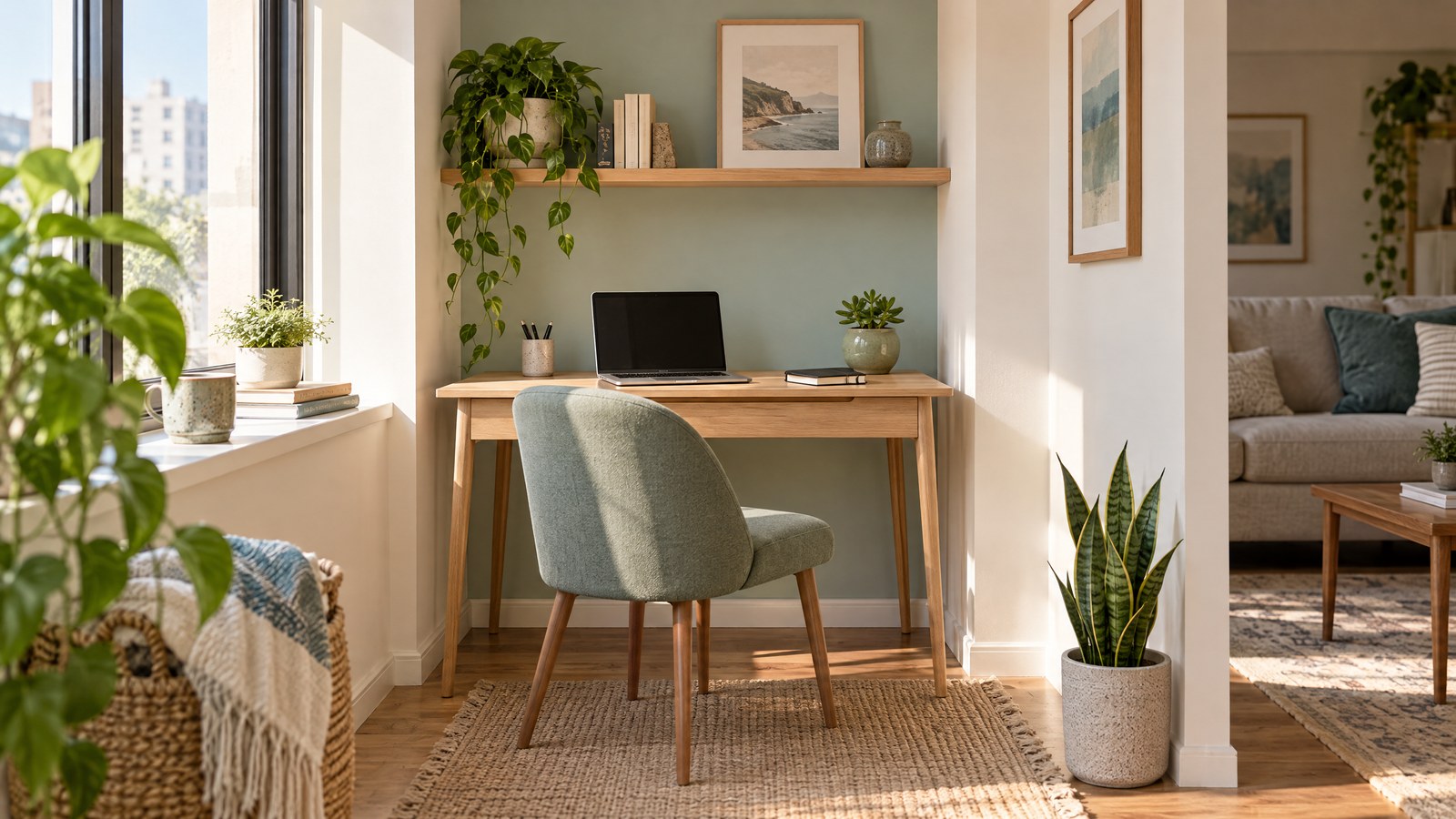
Small-Space Desk Decor: 10 Tiny Nook Ideas
Making a workspace in a studio, shared bedroom, or compact apartment requires more than pretty objects—small desk decor ideas should prioritize footprint, vertical organization, one reliable landing zone, concealed cables, and visual breathing space. This guide walks through 10 practical ways to shape a tiny desk nook so it looks intentional and stays functional, whether you work a few hours a week or need a dedicated spot for bills, journaling, or creative hobbies.
Why these priorities matter: in tiny nooks every inch counts. A single, clear landing zone prevents clutter buildup. Vertical solutions open floor and surface area. Concealed cables and a limited palette create calm, while deliberate negative space keeps the nook from feeling cramped. Read on for actionable setups, product-inspired creative touches, and quick styling rules.
Start with “one landing zone” and a clear surface habit
One landing zone means pick one place on the desk for the items that live there daily—laptop, notebook, a pen cup, and a small lamp. Keep everything else stored away. For a tiny desk (under 36 inches wide), use a shallow tray or a thin placemat to visually anchor that zone. When the day ends, the rule is simple: return loose items to their home—tray, drawer, or wall pocket—so the surface reads as curated rather than cluttered.
Action tip: choose a tray roughly the width of your laptop so the eye rests on a single rectangle. This is especially useful in a bedroom nook where the desk doubles as a nightstand.
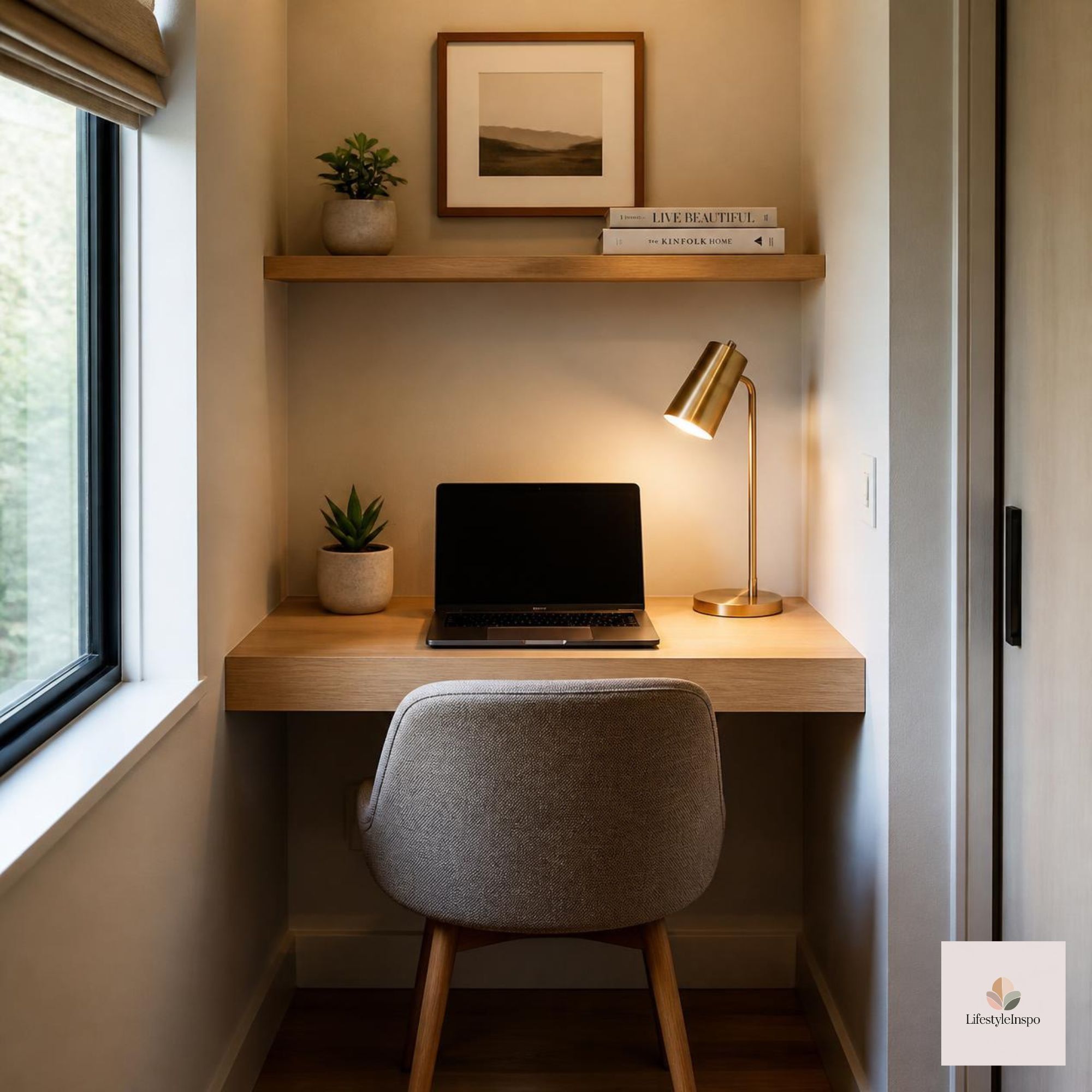
Go vertical with shallow shelving and narrow peg rails
If floor space is limited, think up. Install a shallow shelf (6–8 inches deep) at eye level for frequently used items and visually lightweight objects like a small plant or a framed print. Narrow peg rails or a slim rail with S-hooks can hold a pair of scissors, a pouch for charging cables, or a clip-on light without taking up desktop real estate.
Styling tip: stagger items vertically—place a taller object at one end of the shelf and a low stack of notebooks at the other. The negative space between items is as important as the objects themselves.
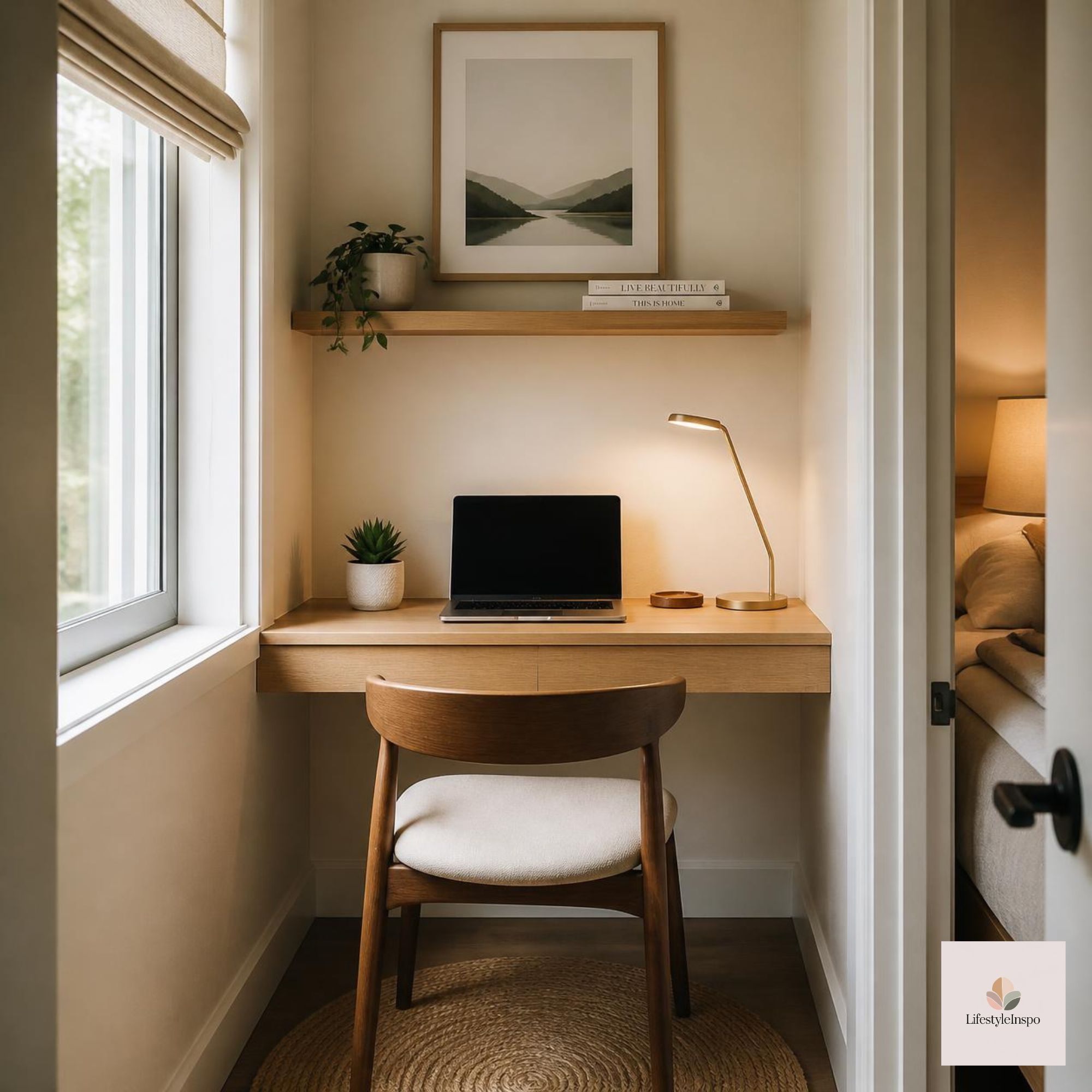
Conceal cables with intention
Cables are the fastest route to visual chaos in a tiny nook. Keep cord clutter out of sight with a one-cord strategy: route your device chargers to a single power strip mounted under the desk or behind a cable shelf. Use adhesive cable clips to run cords down one neat channel. If you need a charging hub on the desk, use a small box or a pencil cup with a slit to feed a cable through and hide the excess inside.
Product note: If you design printable or digital artwork for a tiny nook’s backdrop or top-shelf display, use downloadable graphics like the Blue Green Watercolor Backgrounds | Digital Paper Clip Art for Teachers & Students (PNG) as inspiration for color palettes; remember to review the seller’s usage terms before reproducing or printing these files.
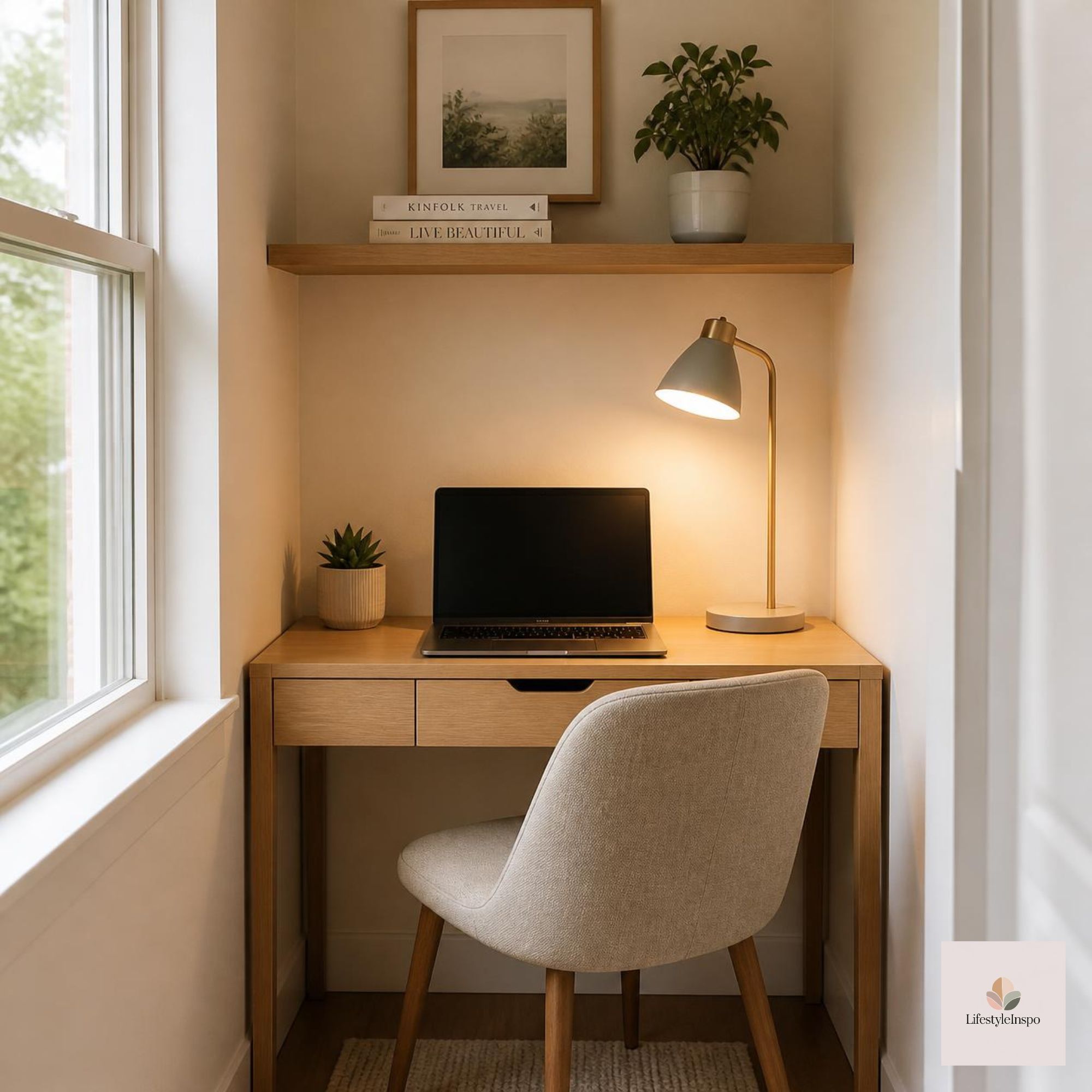
Choose scaled lighting that doubles as decor
A full-size desk lamp can overwhelm a compact workspace. Opt instead for a slim swing-arm lamp that clamps to the desk or wall-mounted sconce, leaving surface area free. A lamp with an adjustable angle lets you direct light where you need it without adding bulk. If overhead fixtures are fixed, use a task light with a warm bulb to create a calm corner glow.
Styling idea: pair the lamp with one decorative but practical object—an attractive timer, a small ceramic dish for paper clips, or a stack of two notebooks—so the nook looks curated but useful.
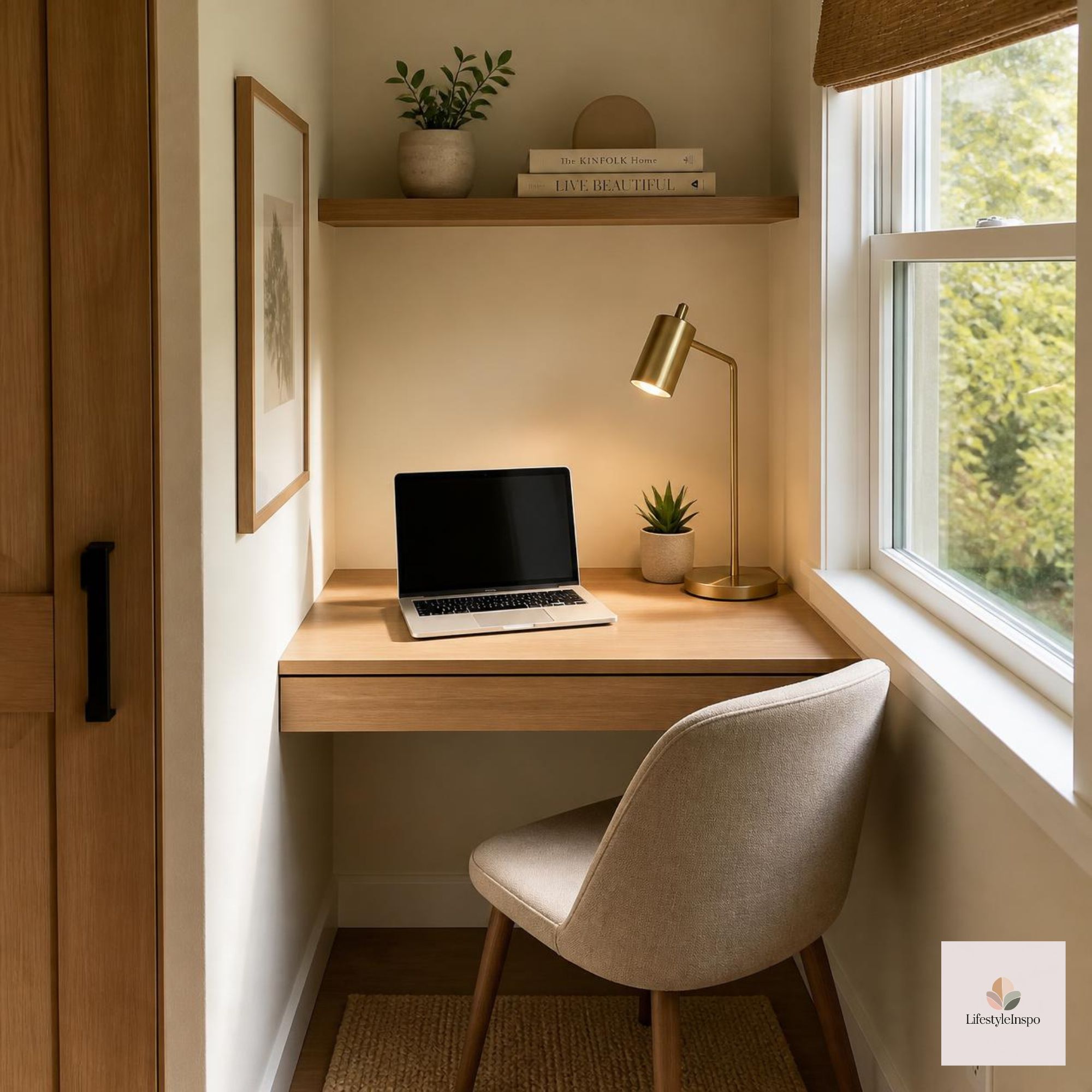
Pick vertical storage with shallow depth and hidden doors
Shallow cabinets or wall boxes with doors can hide supplies that would otherwise clutter a small desk—stapler, external hard drives, sticky notes. Because they sit at eye level, choose doors with a smooth finish or a single neutral color to maintain visual calm. For open shelving, use matching baskets or magazine files that slide in and out easily.
Pro tip: if you prefer an uncluttered façade, use a single color or material for storage boxes. This creates a cohesive background so the desk’s functional items remain the focus.
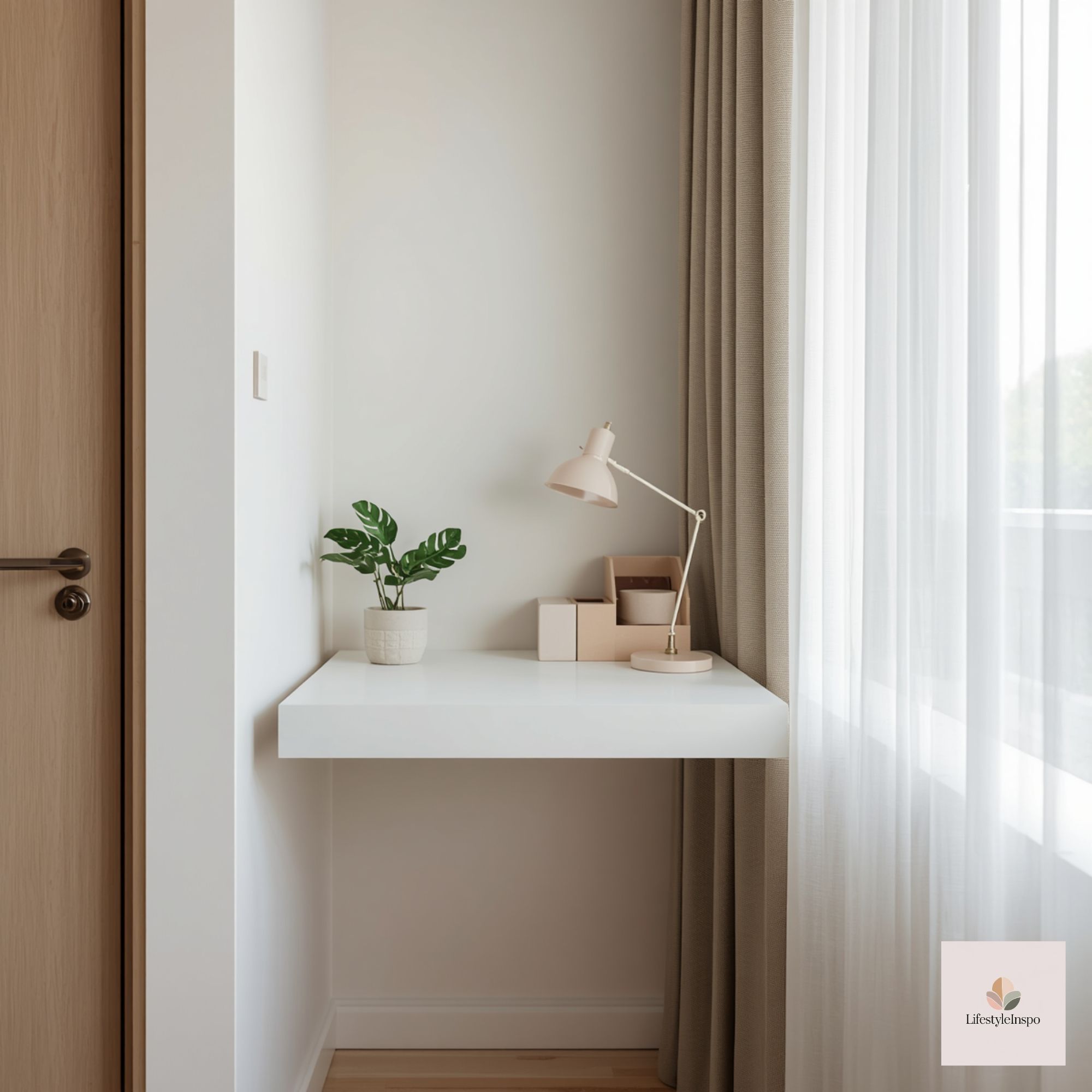
Make a compact command center: calendar, mail, and charging
Turn a narrow strip of wall into a command center with a slim wall pocket for incoming mail, a small magnetic board or chalkboard for quick notes, and a single hook for keys. Keep charging stations off the main surface—mount a small shelf with a cable pass-through so phones can charge out of sight. The goal: everything you need daily has a dedicated, tiny home.
Mini-setup example: a 10″ x 14″ magnetic board hung vertically next to the desk, a thin wall pocket beneath it, and a hidden shelf above the desk for a charging puck or multiport adapter.
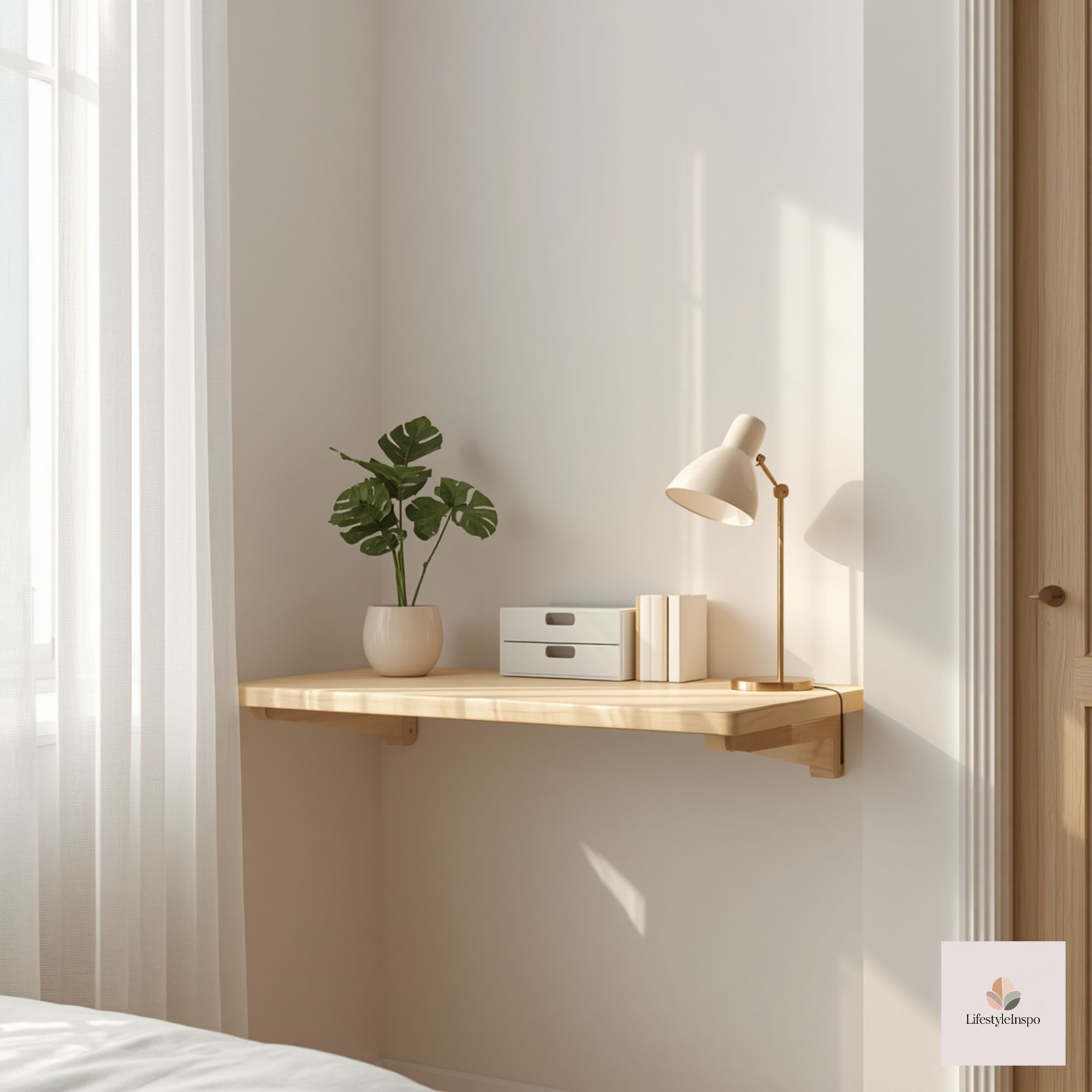
Use art and graphics at scale to add personality—digitally inspired
Because surface area is limited, use small-scale art and digital graphics to introduce color and pattern without stealing workspace. Downloadable clip-art resources can be used as digital backgrounds on your monitor, printed in wallet-sized frames, or incorporated into a tiny acrylic display. For example, a cheerful Cartoon clipart style graphic of aesthetically pleasing succulents can serve as a monitor background or be printed in a small frame to bring a fresh, botanical note to the nook—always check the seller’s usage terms before printing or reproducing digital files.

Design tip: stick to one accent color from a chosen graphic and use it in two other elements (a pen, a mug, or a hairpin) to create a cohesive look without visual clutter.
Cartoon clipart style graphic of aesthetically pleasing succulents
Select furniture and decor with negative space in mind
Small desk decor should breathe. Choose pieces with light silhouettes—open-frame desks, tapered legs, and transparent materials (acrylic or glass). Avoid chunky boxes and closed cabinets that make a nook feel heavy. If you need storage, prefer a slim pedestal on casters that tucks under the desk when not in use.
Visual-breathing rule: for every decorative object on the desk, leave a similar-sized empty space beside it. This simple ratio keeps the surface from reading as cluttered and creates a more deliberate, editorial look.
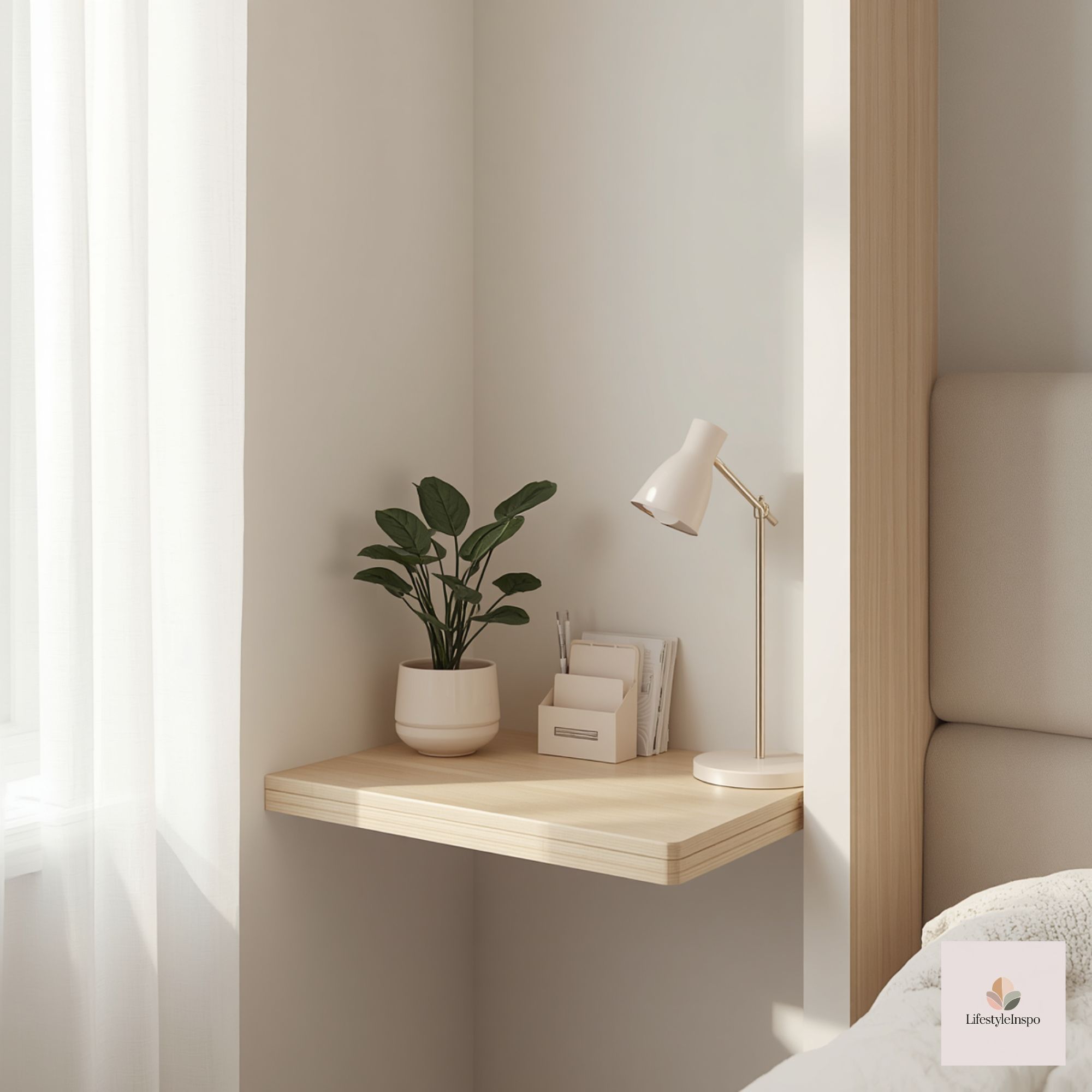
Keep the palette simple and textural
A limited color palette—two neutrals and one accent—creates calm and helps a tiny space feel larger. Add interest through texture rather than color: a linen mouse pad, a ribbed ceramic cup, or a woven drawer liner. Textures add warmth without increasing visual noise.
Practical example: Pair a light oak desk with white storage, a gray lamp, and one accent color (teal, mustard, or soft pink) used sparingly across one small object and a tiny plant.
Make multiuse decor work harder
Every object should earn its place. Choose decor that’s also functional: a pretty bowl for keys, a cork block that’s also a pinboard, or a small clock with a built-in light. Replace single-purpose trinkets with items that serve a daily role to reduce total objects on the surface.
Small-scale switch: swap a decorative figurine for a decorative phone stand or an attractive tape dispenser.
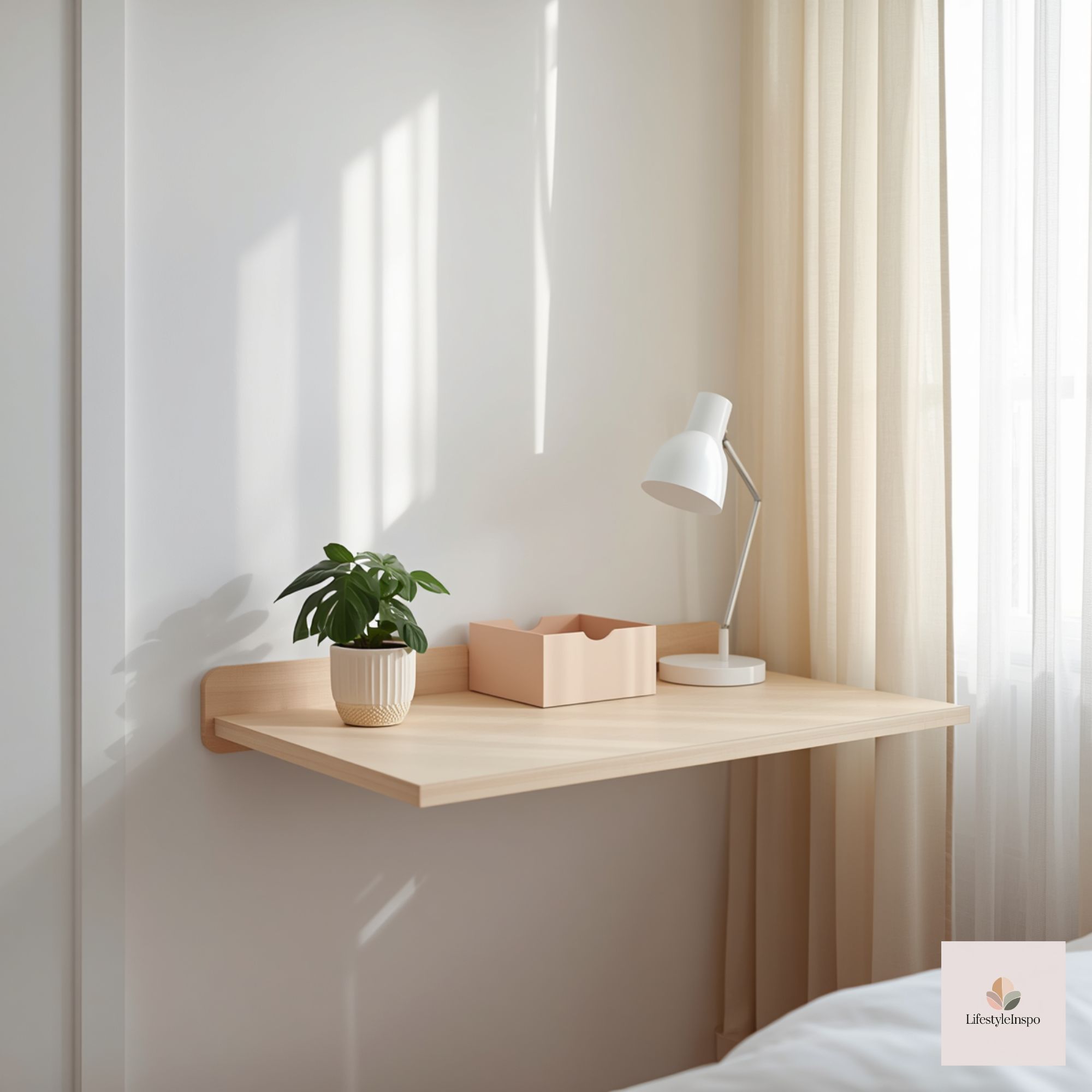
Styling flow for a tiny apartment or bedroom nook
- Arrival zone: Put the one landing zone closest to the room’s circulation path so you don’t dump items elsewhere.
- Visual anchor: Use a narrow shelf or a single framed digital print to balance the vertical space above the desk.
- Rhythm: Group items in odd numbers—three objects maximum on the desk surface—to avoid visual noise.
- Day reset: Spend one minute at the end of the day returning items to their homes. This tiny habit keeps a compact nook readable and welcoming.
Quick product-inspired displays and how to use downloadable graphics
Downloadable assets can be a low-footprint way to add personality without buying large prints. Use the Blue Green Watercolor Backgrounds | Digital Paper Clip Art for Teachers & Students (PNG) as a screen background for your monitor, a digital mood board, or as a color guide when choosing textiles and accent pieces—always review the seller’s usage terms before printing or reproducing. Small prints made from digital files can be mounted in slim frames that hang above a shallow shelf, creating a gallery that doesn’t encroach on desk space.

Remember: these items are digital clip art and backgrounds, not physical products. Use them as visual inspiration or for personal digital display rather than assuming print or commercial rights.
Blue Green Watercolor Backgrounds | Digital Paper Clip Art for Teachers & Students (PNG)
Conclusion
Small desk decor ideas for a tiny nook are less about stuffing pretty things into a small space and more about making deliberate choices that respect the scale and function of the area. Prioritize a single landing zone, vertical storage, hidden cables, a restrained palette, and multiuse items. Thoughtful negative space and a few small, well-chosen accents—including digital graphics used responsibly—turn a cramped corner into a calm, useful nook that feels intentional and lived-in.
About the Author





