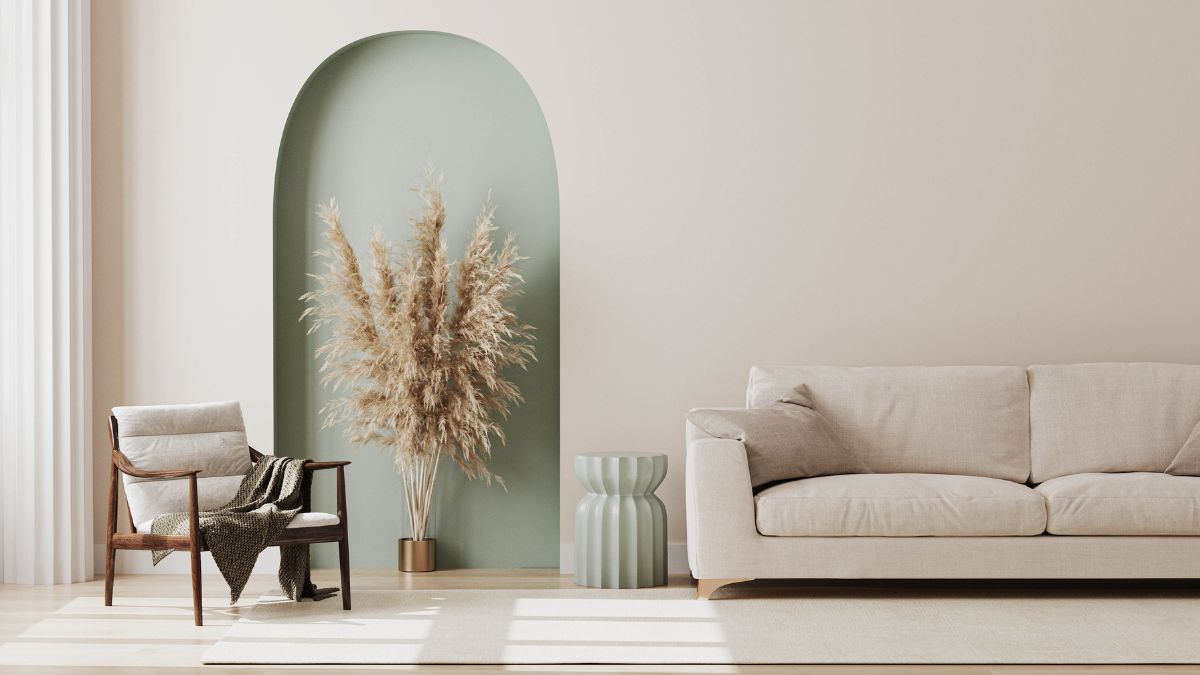
Minimalist Home Decor: Simple Ways to Make a Room Feel Intentional and Warm
Minimalism doesn’t have to mean cold or sparse. With a few thoughtful choices—about color, texture, lighting, and what you keep—you can make any room feel purposeful and inviting. This guide covers practical minimalist home decor ideas you can use today, whether you’re working with a studio, a family home, or renting a small apartment.
The minimalist mindset: less, but better—and warmer
Before you move furniture or buy new pieces, ground your approach in intent. Minimalist home decor is about:
- Choosing items you love and use, not forcing trends.
- Creating visual calm through reduced clutter and clear surfaces.
- Layering textures and soft lighting to add warmth without adding clutter.
Ask yourself: What do I want to feel when I enter this room? Answering that guides every styling decision.
Start with a simple edit: declutter with purpose
Decluttering is the first step to intentional decor.
- Do a quick sweep: remove anything that doesn’t serve the room’s function or bring you joy.
- Group items: keep similar items together in baskets or trays so surfaces read as curated, not messy.
- Set limits: one bookshelf, one credenza—use these zones rather than scattering objects throughout the room.
Budget-friendly tip: Use boxes or open baskets you already own for temporary sorting. Sometimes living with fewer surfaces is the easiest way to keep things calm.
Color and palette: choose warmth without noise
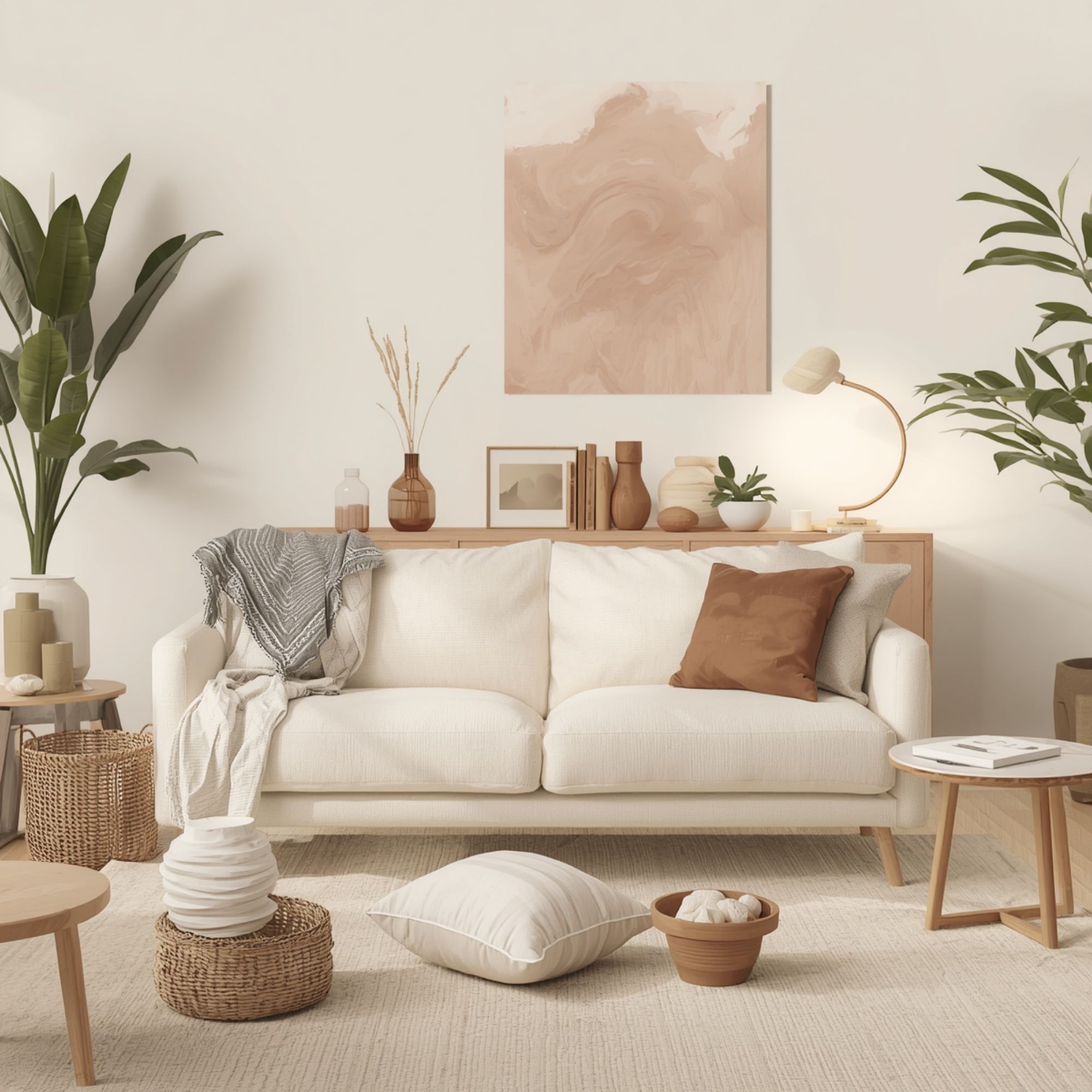
A warm minimalist room often relies on a restrained palette:
- Base neutrals: soft whites, warm greiges, or deep charcoals.
- One or two accents: muted terracotta, olive green, or dusty blue.
- Natural materials: wood tones, woven fibers, and stone finishes add warmth instantly.
If you prefer a hint of color, use it sparingly—in a throw pillow, a piece of art, or a small rug—so the overall feeling remains calm and intentional.
Layer texture, not stuff
Texture adds comfort without visual clutter:
- Throw: a linen or wool throw folded over the arm of a sofa.
- Cushions: two cushions in complementary textures rather than many patterned pillows.
- Rugs: a single rug that anchors furniture groups gives warmth to floors.
Think tactile layers—soft, matte, and natural—rather than adding more objects.
Light: the most important styling tool
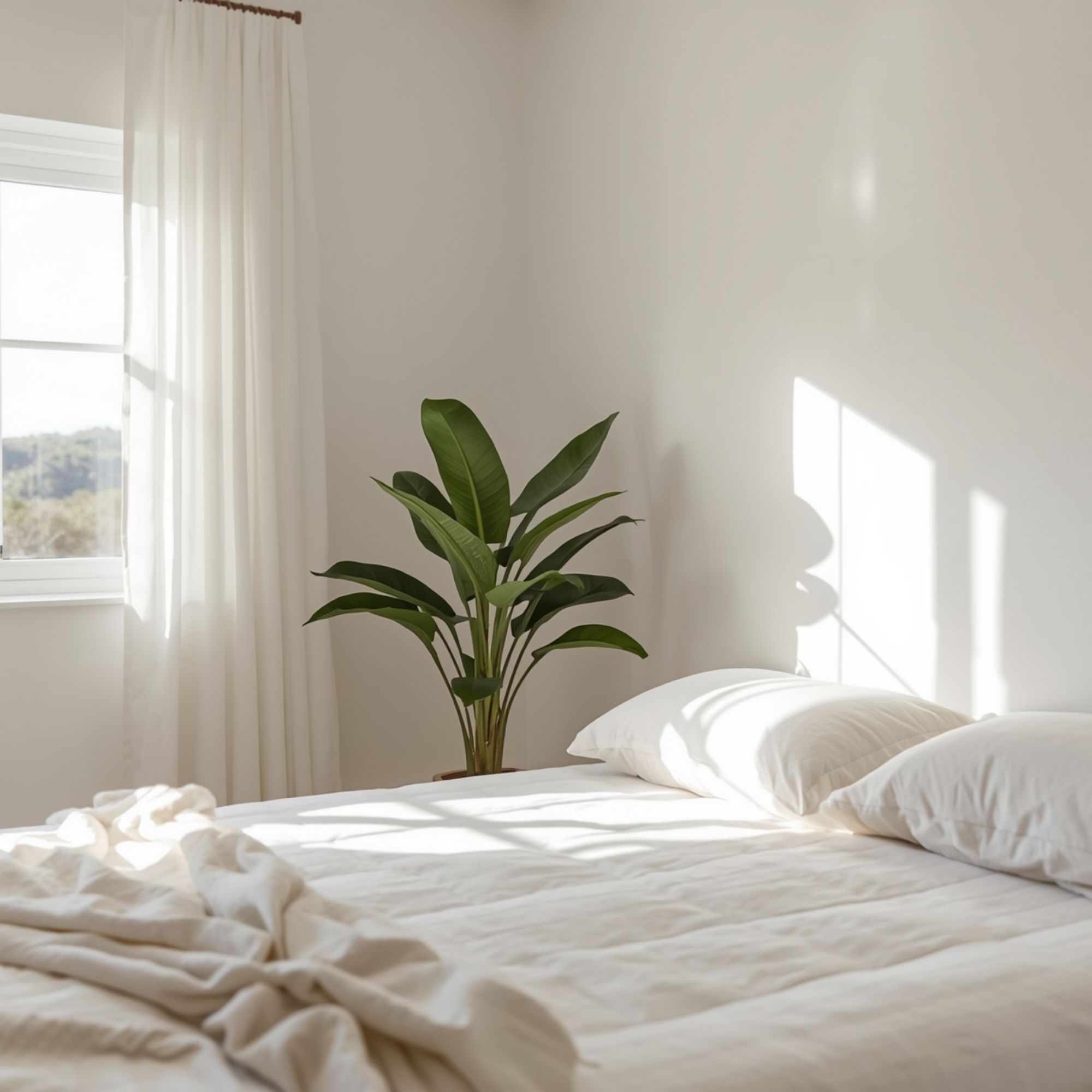
Lighting is an easy, dramatic way to warm a minimalist room:
- Layer light sources: combine overhead, task, and ambient lighting for flexibility.
- Use bulbs that give warm color temperature (look for “warm” or lower Kelvin numbers when you shop).
- Add dimmers to control atmosphere.
Budget suggestion: swap one bright overhead bulb for a warm-toned lamp on a side table to change the mood instantly.
Furniture choices: pick presence over volume
In minimalist decorating, furniture should feel intentional and functional:
- Choose simple silhouettes with good proportions for the room.
- Prioritize pieces with built-in storage or dual function (bench with storage, ottoman that opens).
- Keep legs visible when possible—raised furniture helps a small room feel airy.
If buying new isn’t in the budget, edit what you already have: remove bulky throws, reupholster a cushion with a neutral fabric, or swap handles on a sideboard for an updated look.
Styling decisions that read as intentional
Here are a few styling rules that keep things purposeful:
- The 3-Rule for surfaces: limit vignettes to three items of different heights (a plant, a book, and a small sculpture).
- Negative space is intentional: let empty space be part of the design.
- Mix organic shapes with straight lines: a round mirror over a rectangular console adds softness.
Practical exercise: pick one surface, remove everything, and add back only the three most meaningful items.
Room-by-room minimalist home decor ideas
Living room
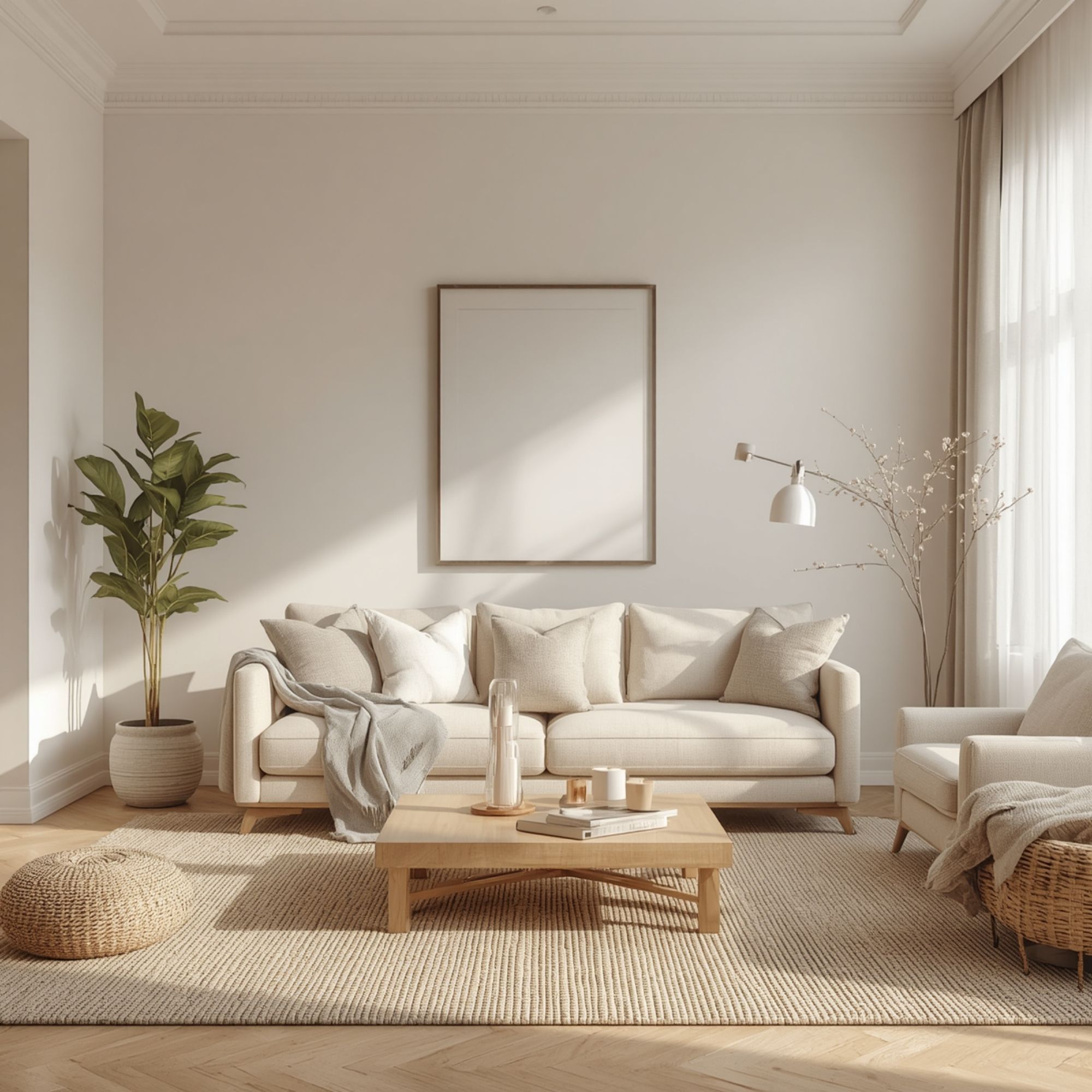
- Anchor with one rug and arrange seating for conversation. Keep side tables uncluttered—one lamp and one personal item.
- Use a single gallery frame or a large, calm art piece instead of a busy wall of small prints.
Bedroom
- Keep bedding simple and layered: fitted sheet, duvet, and one textured throw.
- Nightstand essentials only: a lamp, a book, and a small tray for glasses.
- Maximize under-bed storage or a bench at the foot of the bed to keep surfaces clear.
Entryway
- Make a clear, functional drop zone: a small basket for mail, a hook for a bag, and a mirror.
- A single decorative object like a ceramic bowl signals intention without clutter.
Dining
- Keep tables mostly clear; one centerpiece that doubles as decor and function—like a bowl of fruit or a vase of seasonal stems.
- Store extra tableware out of sight so the surface reads clean for everyday use.
Small space decor: fit and flow
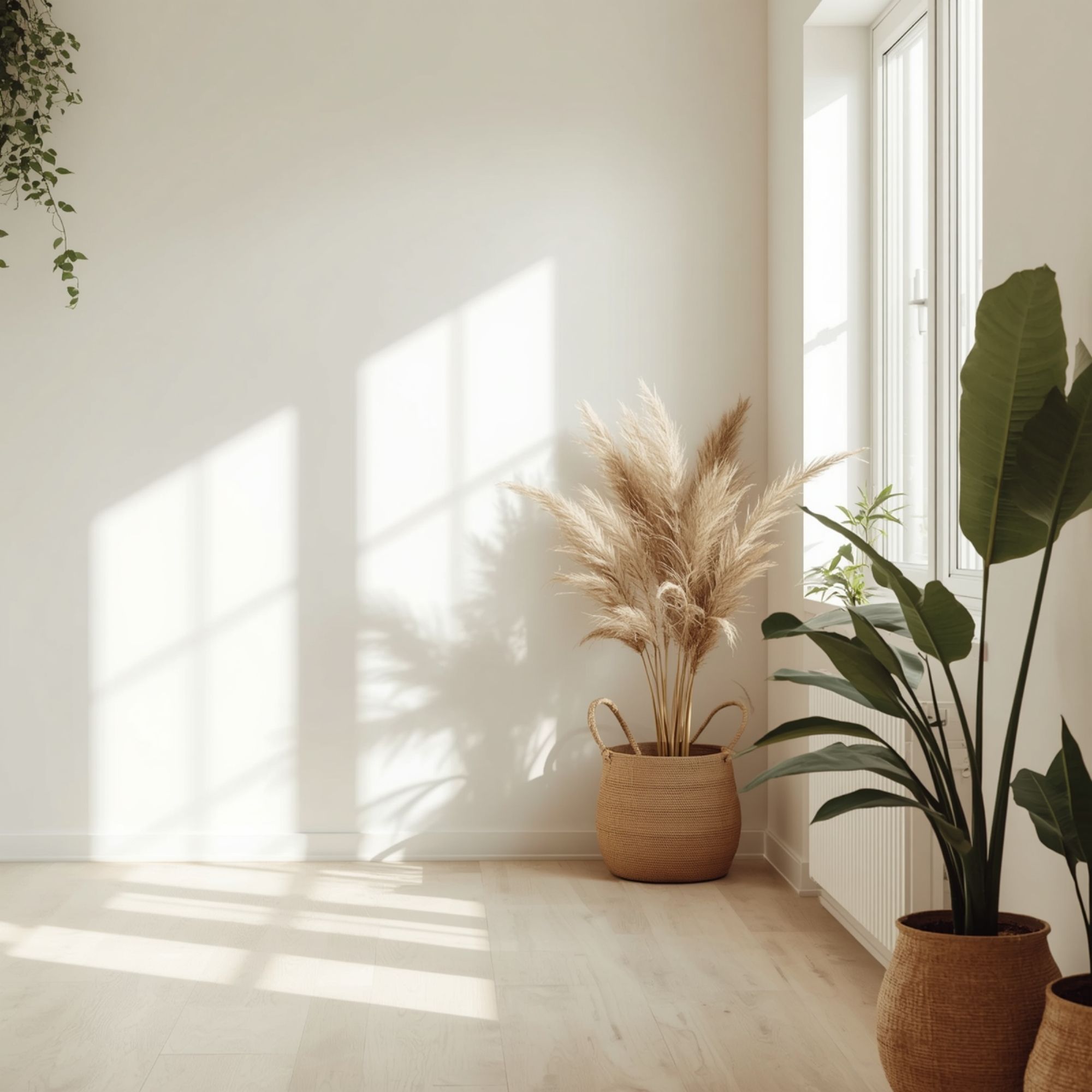
In compact homes, every piece must earn its place:
- Use vertical storage thoughtfully: floating shelves or tall bookcases draw the eye up and free floor space.
- Multi-use furniture: drop-leaf tables, nesting side tables, or sofa beds.
- Keep pathways clear—an uncluttered flow makes a tiny space feel larger and calmer.
Personal touches without the clutter
Intentional minimalism still leaves room for personality:
- Choose a small number of meaningful objects and highlight them—rotate them seasonally if you like.
- Use plants sparingly: a single larger plant often reads cleaner than several small pots scattered around.
- Display one well-curated shelf or a single framed print to tell the room’s story.
Creative, budget-friendly DIY details: printable clip-art and paper accents
If you want low-cost ways to personalize a space without adding heavy objects, printable clip-art can be a charming solution. Digital clip-art resources can be printed and used as:
- Accent artwork in simple frames.
- Labels for baskets or pantry glass jars.
- Seasonal menus or place cards for small gatherings.
- Homemade cards, tags, or mood-board elements.
Here are a few digital clip-art ideas you might use:
- A playful, retro computer image can become a small framed print for a home office or reading nook—try this 90s aesthetic piece: A computer that says per my last email on a desk, 90s aesthetic.
A computer that says per my last email on a desk, 90s aesthetic
- For calm businesslike or graphic accents in a workspace or album, consider these simple graphics: Blue Clip Art Assets For Business Slides.
- Soft abstract backgrounds are useful as printable art backdrops or as part of a collage: Blue Green Watercolor Backgrounds.
Blue Green Watercolor Backgrounds | Digital Paper Clip Art for Teachers & Students (PNG)
- For cozy domestic themes—mood boards, labels, or small framed scenes—these home-related images can help pull your room’s color story together: Around The House Background Scenes Clipart.
How to use them:
- Print at home or at a local print shop, trim, and place in inexpensive frames—size choices keep the look modern (small frames grouped together or one medium statement frame).
- Use as inserts in a decorative tray on a coffee table, layered under a clear vase or sculptural object.
- Cut to size for shelf backdrops or to add color to a plain lampshade (use an adhesive that’s appropriate for your lampshade material).
Note: These are digital clip-art resources you can use for printable accents, mood boards, labels, menus, cards, or creative DIY details. They’re an economical way to add curated color and personality without physical clutter.
Art and wall decor: edit down, size up
A single, well-chosen piece of art makes more impact than a crowded gallery wall in a minimalist space. Consider:
- One large print or canvas above a sofa or bed.
- A small collection of similarly framed simple images for a cohesive look—keep frames the same color or finish.
- If you prefer variety, limit yourself to three artworks and repeat a color or material to create unity.
Greenery and natural elements
Plants bring life and warmth but choose wisely:
- Use one larger plant as a focal point rather than many small pots.
- Incorporate natural bowls, woven baskets, or a wooden tray to ground the space.
- If plant care is a concern, pick hardy options or one faux plant that looks real and place it intentionally.
Maintenance: keep the intention alive
The simplest minimalist rooms are the ones you can live in easily:
- Weekly 10-minute reset: clear mail, fold throws, wipe surfaces.
- Seasonal edits: rotate textiles and prints to keep the space fresh without buying new things.
- One in, one out rule: if you bring a new decor item, consider retiring an old one.
Styling checklist (quick)
- Did I remove unnecessary items from surfaces?
- Is there a clear focal point in the room?
- Are textiles layered for warmth but kept minimal?
- Is lighting layered and adjustable?
- Do my colors and materials create a cohesive mood?
If you can answer yes to most of these, your room will read as intentional and warm.
Final styling swaps that cost little
- Swap bright white bulbs for warmer ones or add a dimmer.
- Rehang artwork at eye level and remove extra frames.
- Fold and refold throws neatly instead of draping them widely.
- Replace patterned pillows with solid textures in complementary tones.
These small moves make a disproportionate difference.
Minimalist home decor ideas don’t require perfection—just intention. By editing what you own, choosing warm materials and lighting, and adding thoughtful accents (even printable clip-art), you can create rooms that feel both calm and welcoming. Start small, pick one surface to edit, and build the look gradually. The warmth will follow.
About the Author





