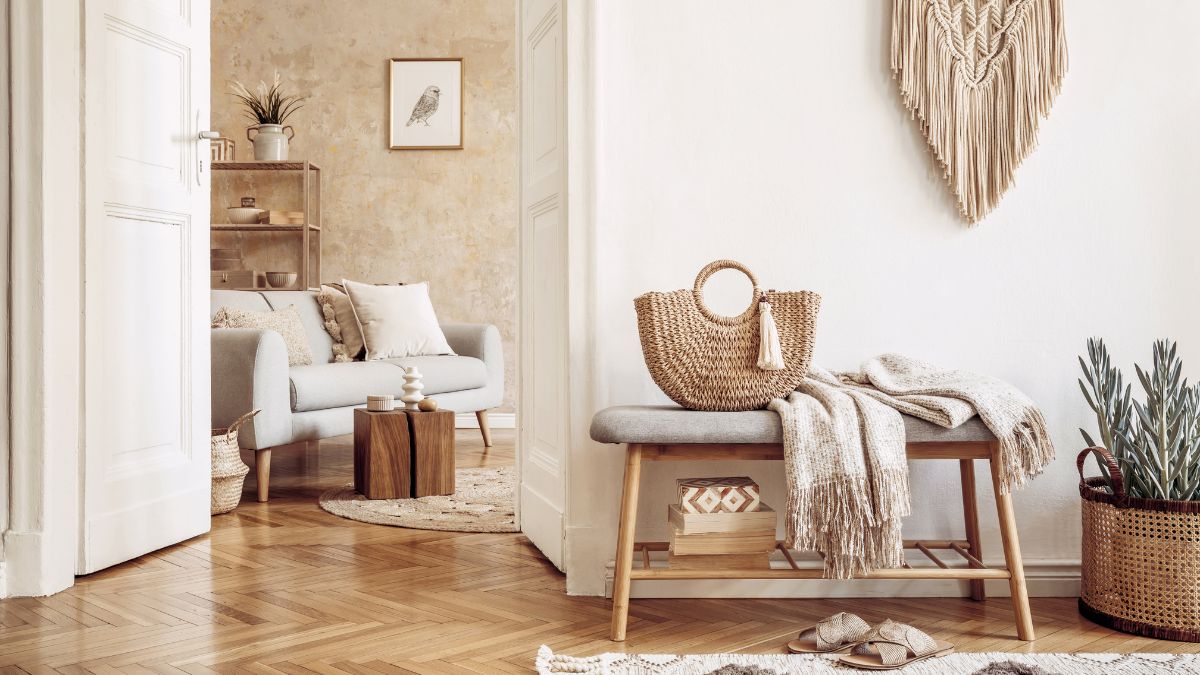
Boho Home Decor: How to Build a Collected, Comfortable, Artful Room
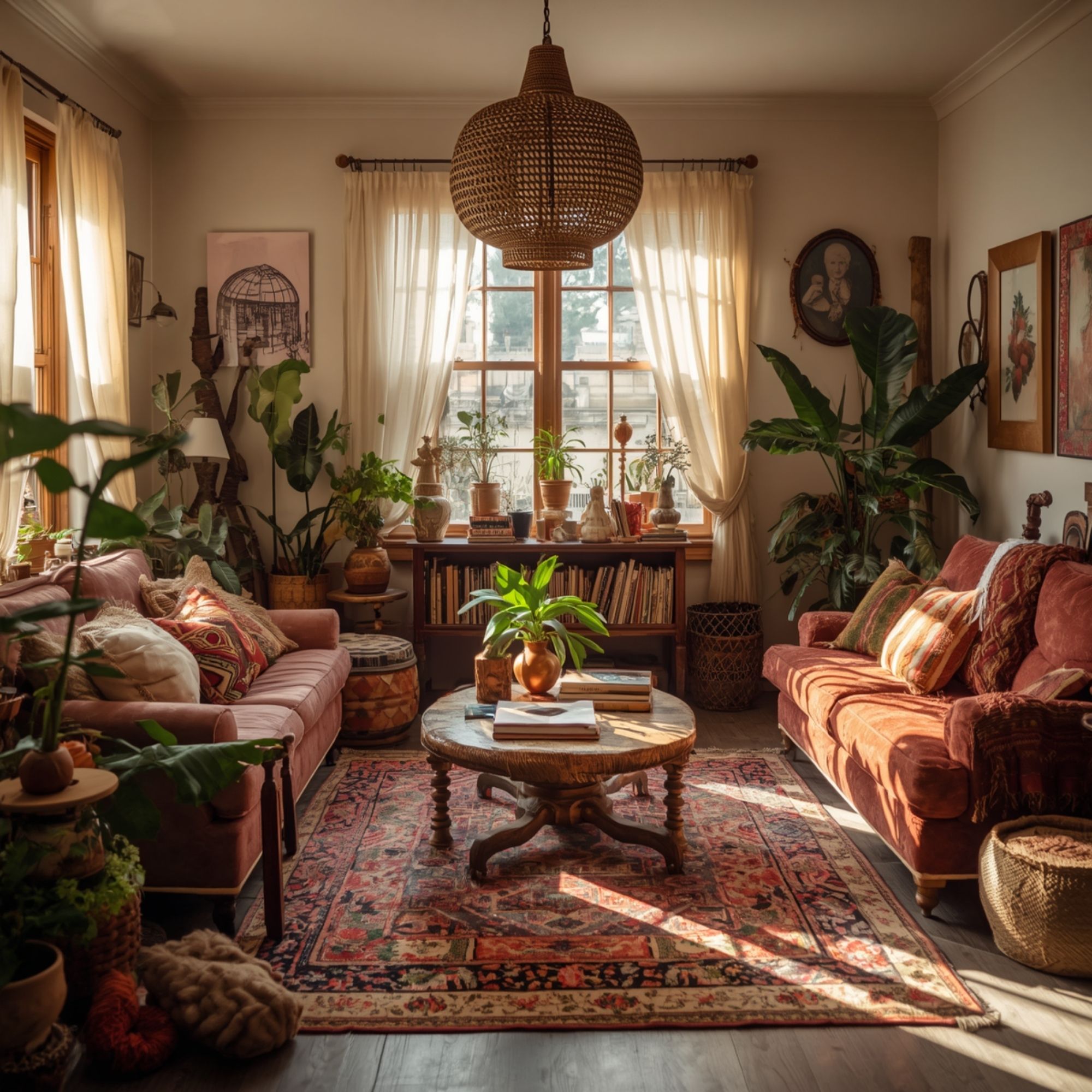
There’s a gentle confidence to boho style: it feels curated without trying too hard, warm without being fussy, and personal because it celebrates the things you love. If your goal is a room that reads as collected, comfortable, and artful, this guide gives clear, practical steps—styling choices, budget swaps, and creative DIYs—to help you build a boho space that’s uniquely yours.
Below you’ll find hands-on decisions (what to buy, what to thrift, where to place things) and simple projects. If you enjoy printable accents and custom labels or mood boards, I’ll also suggest clip-art resources you can use in printed DIYs or digital planning.
Start with a clear foundation: three boho principles
Before you buy anything, set three guiding choices for the room. These make every decision after feel intentional.
- Palette: Pick 2–3 grounded base colors and 1–2 accent tones. Think warm neutrals (cream, clay, warm gray) plus an accent like terracotta, deep teal, or mustard. Keeping a calm base helps the “collected” pieces read coherent.
- Texture over trend: Layer woven rugs, fringed throws, wicker, linen, terracotta, and natural wood. Texture creates interest more reliably than chasing the latest color.
- Scale and comfort: Prioritize a comfortable seating arrangement and tactile textiles. A boho room should invite you to sit and linger, not just look pretty.
These principles let you mix patterns, eras, and materials without the room feeling chaotic.
Boho Rainbow Watercolor Backgrounds – Digital Paper Clip Art
Choose a focal point and anchor the layout
Most collected-feel rooms have a clear anchor: a fireplace, a sofa, a patterned rug, or an art wall.
- Living room: Use the sofa as the anchor. Place a rug that defines the seating area and repeat a color from the rug on a throw pillow or wall art.
- Bedroom: The bed is your anchor. Layer textiles (quilt, throw, various pillows) and add a reading light to create a relaxing vignette.
- Dining/entry: A bold light fixture or gallery wall can act as the anchor and make small spaces feel purposeful.
Practical decision: pick one bold element—patterned rug, large plant, or gallery wall—and keep everything else more subdued.
Textiles and patterns: how to layer without overdoing it
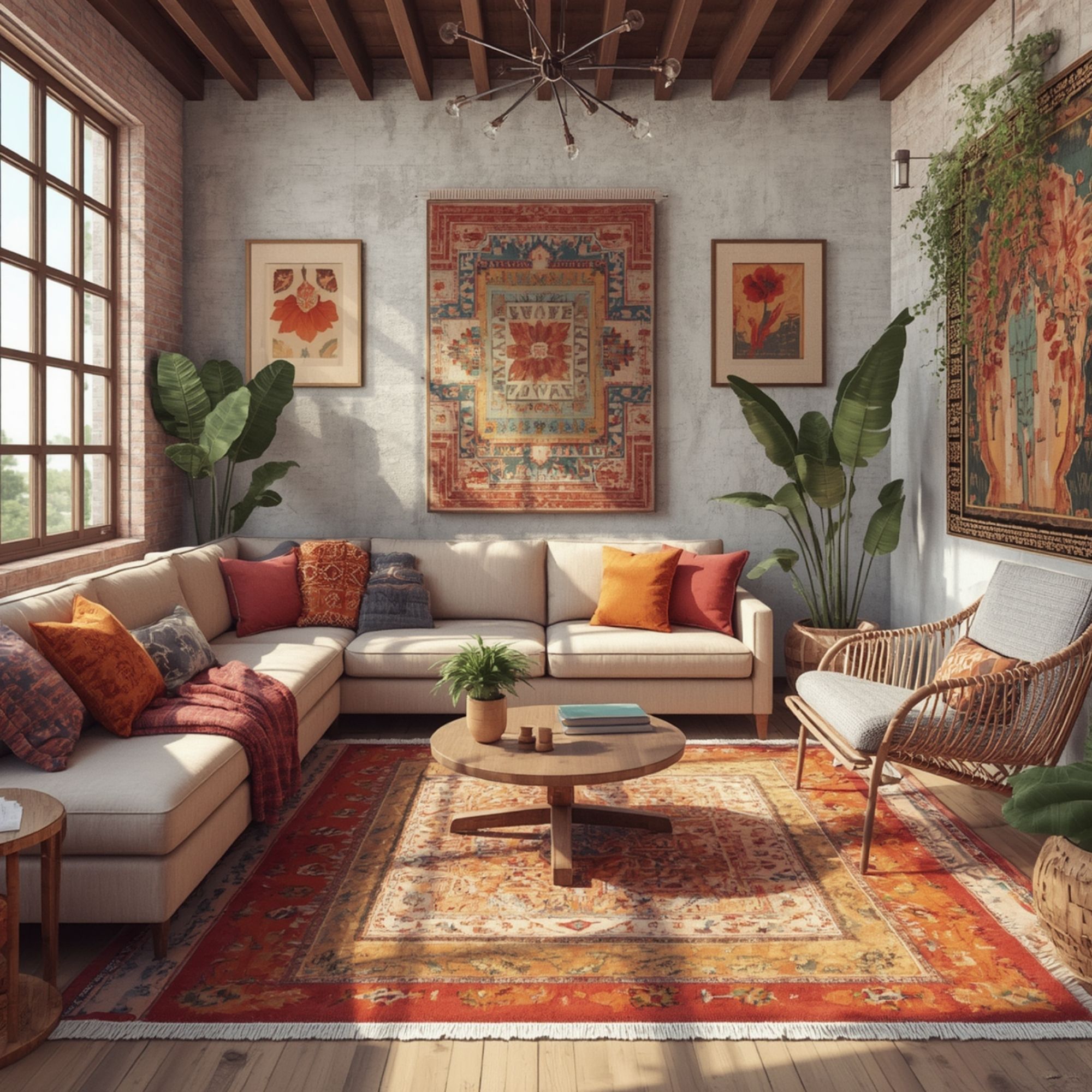
Layering is the heart of boho decor, but it’s easy to overdo. Use a loose formula: one large pattern + two smaller patterns + solid textures.
- Rugs: A woven jute or low-pile rug as a base, then a smaller patterned rug layered on top near seating or a bed.
- Throws and pillows: Combine different scales of pattern. A large geometric pillow, a small floral cushion, and a textured neutral throw work well together.
- Curtains and upholstery: Soft linen or cotton curtains keep the room airy. If you want color, curtains are an easy place to add it without overwhelming the space.
Budget alternative: use throws from thrift stores or make pillow covers from inexpensive fabric. Slipcovers are an affordable way to change bulky items like sofas.
Furniture and finishes: curated, not curated-over
Boho rooms often look collected over time. You can create that effect quickly by mixing a few well-chosen new pieces with thrifted or repainted furniture.
- Invest in: a comfortable sofa or mattress (these matter for daily use).
- Hunt for: side tables, chairs, and baskets at vintage stores or online marketplaces.
- DIY finish: sand and stain or paint an old dresser in a warm, natural tone to blend old and new.
Styling decision: prioritize natural materials—wood, rattan, cork—then add one or two brass or ceramic accents for polish.
Lighting and plants: mood and life
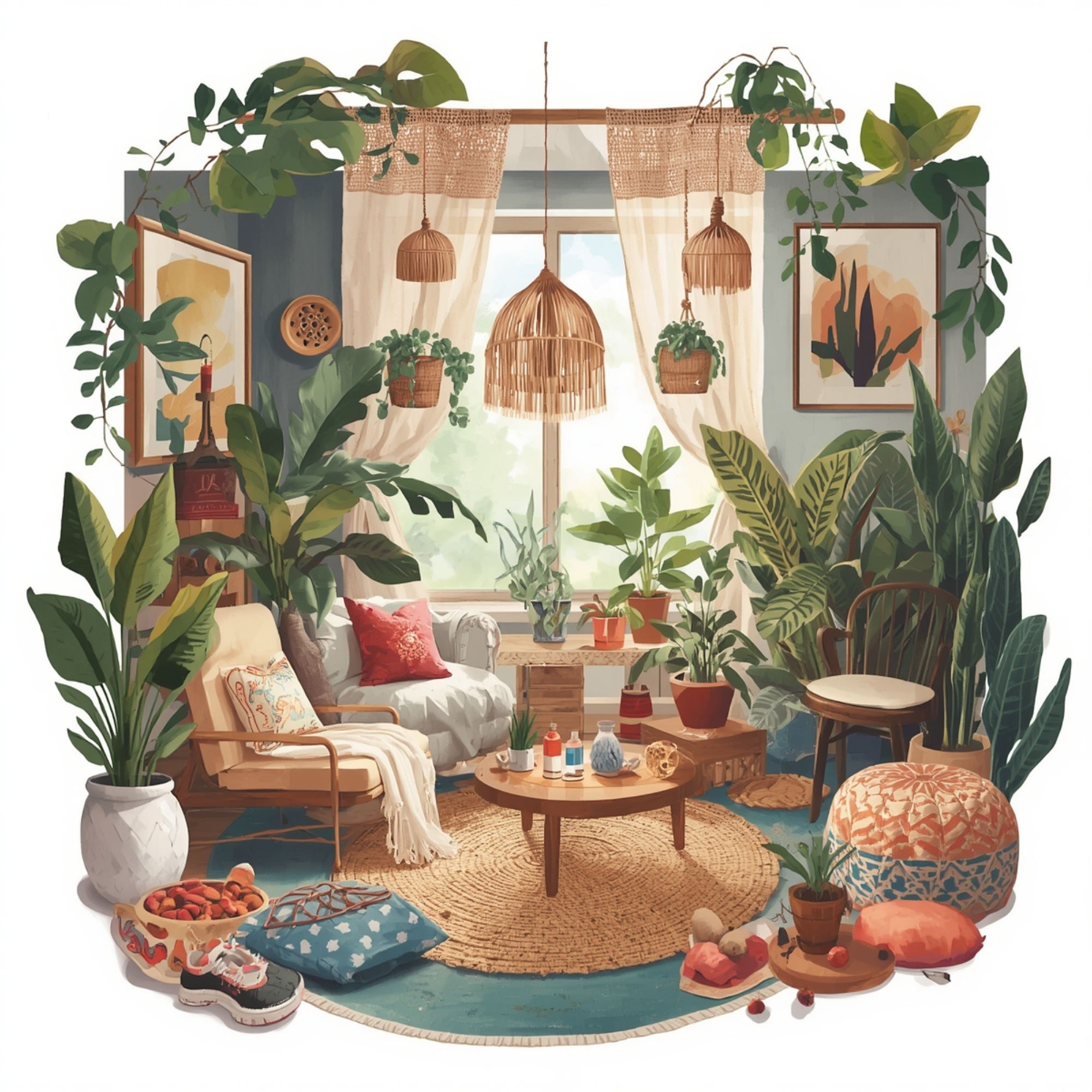
Good lighting and greenery are what make a boho room feel lived-in.
- Layer lighting: overhead, task, and ambient (string lights or candles) create a cozy mix.
- Lamps: choose a woven shade or a hand-thrown ceramic base for texture.
- Plants: group plants at different heights. A tall floor plant anchors a corner; smaller plants on shelves add softness.
Budget tip: propagate houseplants from friends or buy small starts rather than large specimens.
Art and display: tell a story
An artful room shows personality. Instead of buying expensive original art right away, use a mix:
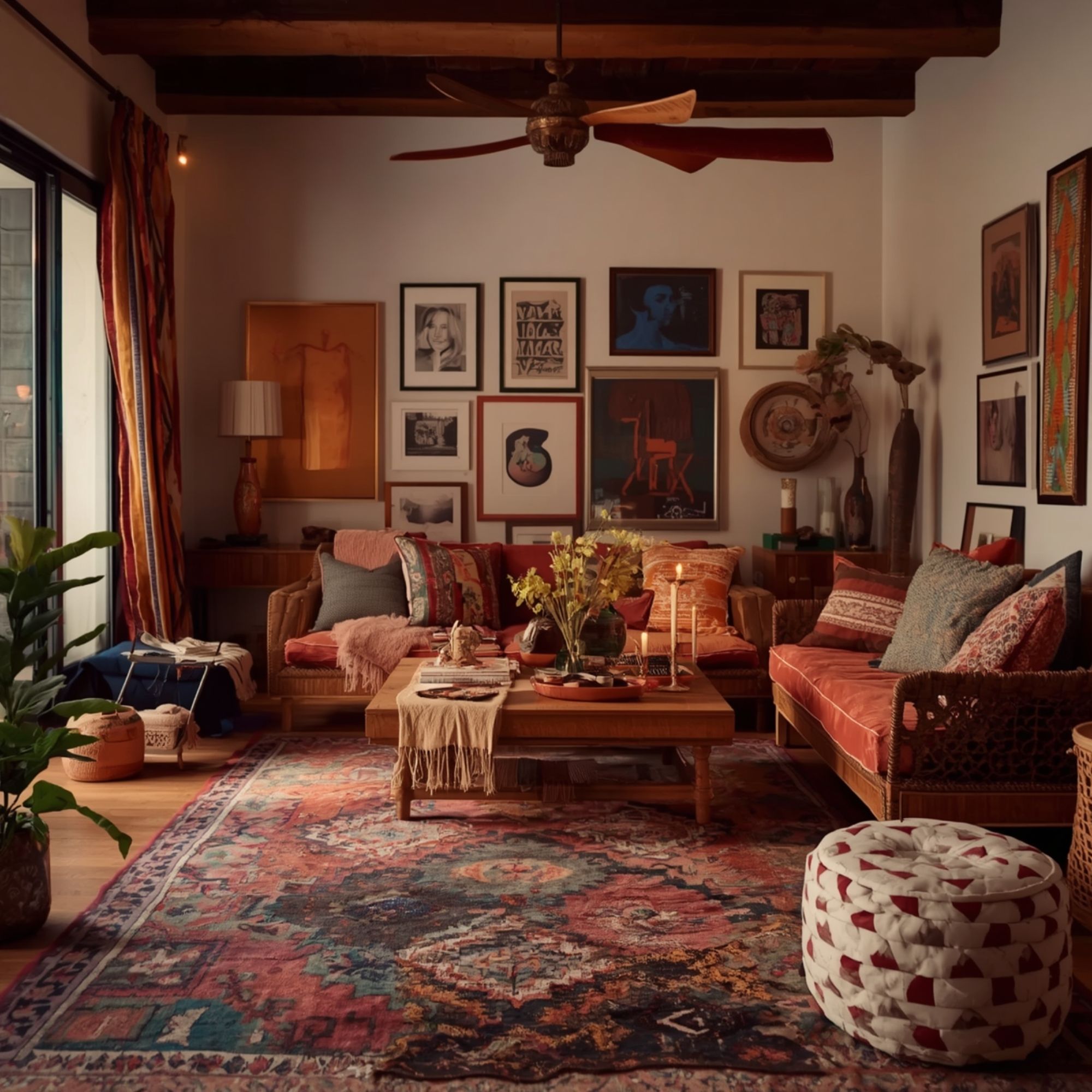
- Gallery wall with mismatched frames and a mix of prints, photos, and small objects.
- Lean larger pieces on the floor against the wall for a relaxed vibe.
- Display boxes or open shelves for ceramics, found objects, and stacked books.
If you like printable accents—labels for baskets, mood board pieces, seasonal cards—you can use digital clip-art to make affordable, bespoke prints. For example, printable backgrounds and themed clip-art sets are useful for quick, high-impact DIYs like custom wall prints or handmade cards. Consider these resources for creative details and mood boards:
- Boho Rainbow Watercolor Backgrounds: a soft, color-rich backdrop for printable art or mood boards.
- Animals Clipart Set Vol. 3: playful elements to turn into nursery art, gift tags, or small framed prints.
- Art Room Background Scenes: great for creating printable art that feels like a studio vignette.
- Around The House Background Scenes Clipart: useful for labels, pantry menus, or framed home-themed prints.
(These are digital clip-art resources you can download and print for personal use as accents, mood boards, labels, menus, cards, or other DIY details.)
Practical styling decisions room by room
Living room
- Sofa styling: three pillows of varying sizes (one large neutral, one patterned, one textured). Add a cozy throw over the arm.
- Coffee table: a stack of books, a small bowl for keys, and one organic element (branch, small plant).
- Rug size: make sure the front legs of seating are on the rug to visually connect pieces.
Bedroom
- Bed layers: sheet, light quilt, folded blanket, and two to three pillows.
- Nightstands: keep one surface mostly clear; add a lamp and a small personal object.
- Wall above bed: a single large art print, a woven wall hanging, or a thoughtfully arranged gallery.
Dining
- Table centerpiece: a woven runner, a mismatched vase with seasonal stems, and candles.
- Chairs: mix wooden chairs with a bench or a pair of upholstered seats for a collected feel.
Entry and small spaces
- Use hooks, baskets, and a small shelf. Print labels or a simple welcome sign from digital art to personalize the space.
Budget-friendly boho DIYs
- Refinish a thrifted dresser: sand and apply a warm stain or milk paint for a fresh, earthy look.
- Make tasseled pillows: sew simple envelope pillow covers and add tassels made from yarn.
- Frame printable art: download clip-art backgrounds and small illustrations (like the suggestions above), print on good paper, and use inexpensive frames.
- Macramé plant hanger: beginner-friendly knot projects add instant boho texture and cost very little.
If you prefer not to buy anything, rearranging existing pieces, layering textiles you already own, and decluttering flat surfaces will create a more intentional, collected look.
Using clip-art and printables in a boho room
Digital clip-art can be a creative and inexpensive way to add cohesion and personal touches. Here are practical uses—no special equipment needed beyond a printer (or a print shop), a frame, and basic craft supplies:
- Gallery wall prints: choose a cohesive palette (use the same background or color family across several prints) and vary frame styles.
- Labels and tags: print small cards for baskets, jars, or linen closets to tidy and personalize storage.
- Seasonal cards or menus: switch out small framed prints seasonally; clip-art backgrounds make quick, fresh changes.
- Custom greeting cards or gift tags: pair small printed illustrations with kraft paper for a homespun look.
- Mood boards and design planning: print backgrounds and elements to test color and pattern combinations before buying big-ticket items.
Again, the following clip-art sets are handy starting points for these projects:
- Boho Rainbow Watercolor Backgrounds: soft backdrops for gallery sets or DIY cards.
- Animals Clipart Set Vol. 3: small graphics that make charming framed pieces or tags.
- Art Room Background Scenes: for creating studio-style prints and layered artwork.
- Around The House Background Scenes Clipart: handy for labels, menus, and house-themed displays.
If you don’t want to print, you can use these images in digital mood boards or as references when shopping for textiles and paint.
A simple “edit and approve” checklist
Before you call the room finished, walk in and ask:
- Is there a clear anchor (sofa, bed, rug, or art) that organizes the space?
- Can you comfortably sit in the space? Are seating and lighting functional?
- Do textures vary across the room (wood, woven, metal, soft textiles)?
- Are there personal items displayed meaningfully (books, travel finds, photos)?
- Does the room feel inviting after a few minutes? If not, add soft light or one more tactile element.
This quick review helps you spot missing pieces and avoid over-accessorizing.
Keep it collected over time
A true collected look develops slowly, but you don’t have to wait years to get the vibe. Make a practice of:
- Picking one small thrift or vintage find per month.
- Rotating art and small accessories seasonally.
- Creating a “donate or sell” box—things you no longer love leave the room and make space for new storytelling pieces.
Final styling tip: live with it for a week
Give yourself permission to live in the room for a few days before changing anything major. Often the spot that feels “off” becomes the place you want to add a second lamp or a basket for throws. The more you use the space, the clearer your next small upgrade becomes.
Boho home decor ideas come down to thoughtful layering, comfort-first choices, and personal touches. Mix warm neutrals with a few bold accents, curate textures, and use small rituals—like monthly thrift finds or printable art swaps—to keep the room feeling lived-in and loved. Whether you thrift, DIY, or download digital clip-art for printable accents, the goal is the same: a collected, comfortable, artful room that tells your story.
About the Author





