Why Coloring Is the Perfect Low-Pressure Hobby for Busy Women
There is a particular kind of tiredness that comes from being needed all day. It is not always physical. Sometimes it is the mental residue of switching between work messages, grocery decisions, family logistics, errands, and the small invisible tasks that keep a life moving. When the day finally quiets down, “relaxing” can feel like one more decision to make.
Coloring offers a gentler alternative. You do not have to be good at it, finish a page, learn a technique, or turn the result into content. You simply choose a color and give your attention to one small area at a time. That is why coloring for stress relief adults can be such a useful search term and such a practical habit: it describes an activity that meets a busy mind without demanding a new identity.
This is not a promise of instant calm or a substitute for professional support. It is an invitation to make room for a low-stakes creative pause. The best version of the hobby is modest, accessible, and easy to return to, even when your schedule is full.
What makes coloring feel so low-pressure?
Many hobbies arrive with hidden homework. You may need lessons, specialized equipment, an open afternoon, or enough confidence to tolerate being a beginner. Coloring asks for very little in comparison. A page gives you a starting point, while the open-ended choices leave room for personality.
There is no single correct result
A coloring page can be bright, muted, messy, symmetrical, or unfinished. You can color inside every line, ignore the lines, or use one pencil for the whole page. The activity is complete when you decide you are done, not when it meets an outside standard.
That distinction matters for women who spend much of their day evaluating outcomes. At work, the goal may be a polished presentation. At home, the goal may be a clean kitchen or a supported family. Coloring creates a small space where “good enough” is not a compromise; it is the entire point.

The decisions are small enough to hold
A busy brain often feels overwhelmed by decisions because each one seems connected to five others. Coloring narrows the field. The next choice might be blue or green, a small flower or a larger shape. You can focus on what is directly in front of you rather than solving the whole evening.
How to build a coloring ritual that fits real life
A sustainable hobby should work on an ordinary Tuesday, not only during a perfectly protected weekend. Start by designing a ritual around the time and energy you actually have.
Choose a tiny minimum
Set a minimum of five minutes or one small section. This is not a challenge to complete a page every night. It is a way to remove the pressure to “make the session count.” If you continue for twenty minutes, wonderful. If you stop after five, the ritual still happened.
Try this simple sequence:
- Put the pages and a few favorite tools somewhere visible.
- Silence nonessential notifications for the length of the session.
- Take one slow breath and choose the first color without researching palettes.
- Work on one area until the timer ends or your attention naturally shifts.
- Leave the page where you can see it, or store it in a folder for next time.
Attach it to an existing pause
Color after your morning coffee, while a load of laundry runs, or during the first ten minutes after dinner. You are not trying to create more time from nowhere. You are giving a small piece of an existing pause a clear shape.
If evenings are unpredictable, keep a second option. A lunch-break session at the kitchen table may be more realistic than a nightly ritual. ### Make the setup kind to your body
Use a chair that supports you and enough light to see the page comfortably. Keep a cup of water nearby. If your hand or wrist feels strained, change position, loosen your grip, or stop. A restorative hobby should not become a test of endurance.
A practical way to color when your mind is crowded
Sometimes the hardest part is not sitting down; it is staying with the page while thoughts keep arriving. You do not need to force your mind to become blank. Instead, give it a simple sequence to follow.
Try the “notice, choose, repeat” method
First, notice one visible feature: a curve, a leaf, a border, or a blank area. Next, choose one color based on preference rather than symbolism. Then, repeat the motion for a few strokes. When a thought interrupts, label it gently as “planning,” “remembering,” or “worrying,” and return to the next small shape.
This is an attention practice, not a performance test. The goal is not to eliminate thoughts. The goal is to have a reliable place to return your attention.

Use a color rule when choice feels tiring
If a large palette makes you freeze, set a small rule. Pick three colors for the whole page. Use warm colors only. Alternate a light shade with a dark shade. Choose the first pencil you touch and build around it. Constraints can make the activity feel more welcoming because they remove unnecessary decisions.
For example, a page with leaves and decorative shapes might use sage, terracotta, and cream. A page with waves could use three blues plus one contrasting accent. The scheme does not need to be sophisticated; it only needs to make starting easier.
Let the session end before it becomes a chore
Stop while the activity still feels pleasant. You can leave a section unfinished. A page waiting for you creates continuity without requiring a conclusion. This is especially helpful if you are using coloring as a short reset between demanding parts of the day.
Choosing supplies without turning it into a shopping project
You can begin with whatever is already available. Colored pencils are easy to control and convenient for small areas. Markers create strong color quickly but may show through thinner paper. Crayons can feel familiar and forgiving. None is automatically the “right” choice.
Start with a small working kit
A practical starter kit might include a page, six to twelve colors, a sharpener if needed, and a flat surface. Put the items in a pouch or shallow box so that opening the kit takes less than a minute. Consider your environment, too. If you share a home with children, pets, or a curious roommate, choose a storage spot that keeps supplies accessible without making them vulnerable to spills. If you travel between rooms or locations, a compact kit is more likely to be used.

Match the tool to your mood
Use pencils when you want slower, more deliberate marks. Use markers when you have a short break and want visible progress. Use whichever tool feels least demanding that day. The purpose is to support the pause, not to build a collection that needs organizing.
Make the hobby personal without making it public
Creative activities can become stressful when every result is treated as something to display, post, or monetize. Coloring can remain private. A page does not need to become evidence that you had a productive self-care day.
Keep a private “no judging” folder
Save pages that are unfinished, experimental, or simply meaningful to you. Date them if you like, but do not use the folder as a progress report. ### Use themes that support the moment
Choose simple themes based on what you need. If you want visual quiet, use a limited palette. If you feel flat, pick bright colors. If you are processing a busy week, work on repetitive details. There is no requirement to translate an emotion into art. You are allowed to choose colors because you like them.
A transparent product option for getting started

If having a ready-to-use page would make starting easier, take a look at A Self Care Coloring Pages / Sheets of A Self Care Clipart {Coloring Book}. The linked listing describes it as a coloring-pages product. It may be a useful option for someone who wants a prepared starting point rather than searching for a design each time.
Common mistakes that make coloring feel like work
Coloring is low-pressure by nature, but our habits can add pressure back in. Watch for these patterns.
Mistake 1: Buying everything before trying it
A new hobby can trigger a burst of shopping. Resist the idea that more tools will create more motivation. Start with a page and a small set of colors. Expand only when you have discovered what you enjoy using.
Mistake 2: Treating completion as the goal
Mistake 3: Comparing your page with polished examples
Online images often show carefully selected work under good lighting. They are not a fair standard for a private pause. Comparison pulls attention away from the sensory experience that makes coloring appealing in the first place.
Mistake 4: Ignoring discomfort
A tight grip, poor lighting, or an awkward posture can make the activity unpleasant. Adjust your position, use a larger tool, take breaks, and stop if pain persists. Relaxation should not require you to push through physical warning signs.
Mistake 5: Expecting it to solve everything
Coloring can be one supportive habit, but it cannot address every source of stress. If stress is persistent, severe, or affecting sleep, safety, work, or relationships, consider speaking with a qualified healthcare or mental-health professional. This article offers general lifestyle information, not diagnosis or treatment.
Frequently asked questions
Is coloring for stress relief adults actually useful if I am not artistic?
Yes. You do not need drawing skills because the page provides the structure. The useful part can be the quiet attention, the tactile movement, and the freedom from an outcome. Choose simple pages and a small color set if a detailed design feels intimidating.
How long should an adult coloring session last?
There is no required length. Five minutes can be a sensible starting point, while fifteen to thirty minutes may suit a longer break. Stop when your attention or body needs a change. A short session you repeat is more practical than an ambitious routine you avoid.
What if coloring makes me more frustrated than relaxed?
Change the conditions before abandoning the hobby. Try a simpler page, fewer colors, a different tool, or a shorter session. You may prefer repetitive patterns over intricate illustrations. If the activity continues to create pressure, choose another low-stakes pause; the goal is support, not compliance.
Give yourself a hobby with nothing to prove
Busy women are often encouraged to optimize every spare minute. Coloring offers a different message: a small part of the day can be enjoyable without becoming useful, impressive, or shareable. Start with one page, a few colors, and a minimum that feels almost too easy. Let the practice be unfinished when life interrupts it.
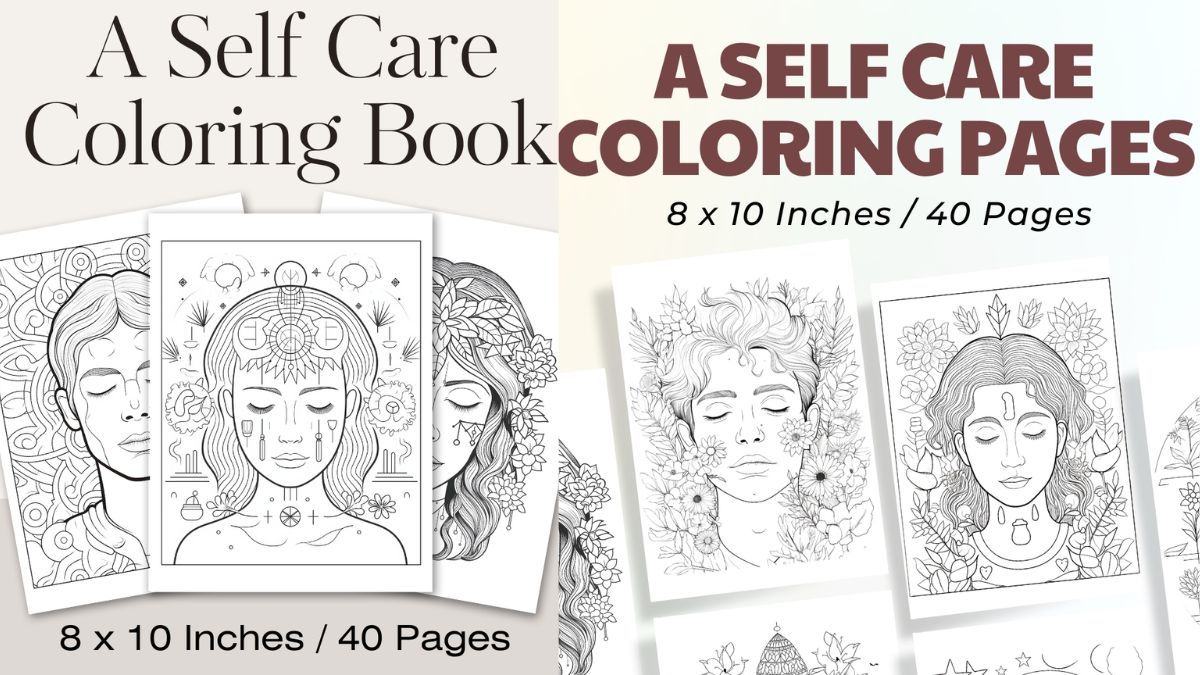
If you want a prepared place to begin, explore A Self Care Coloring Pages / Sheets of A Self Care Clipart {Coloring Book} and review the listing before deciding. Then make a five-minute appointment with yourself this week. Choose a color, follow one shape, and see what changes when the only thing you have to do is begin.
About the Author