Money is the topic couples avoid until they can’t. It sits quietly under vacation planning, grocery runs, and “should we redo the kitchen” conversations until one day it erupts — usually about something small, like a $40 charge, that’s really about something much bigger, like trust, control, or fear.
Here’s the thing relationship therapists will tell you that finance influencers rarely do: most money fights aren’t about math. They’re about meaning.
Figure Out What Money Means to Each of You
Before you touch a spreadsheet, have a conversation about what money represents to each of you. For some people, it’s safety. For others, it’s freedom, or achievement, or love expressed through providing. If one partner grew up in scarcity and the other in comfort, you are, quite literally, speaking different emotional languages about the exact same dollar. Naming that out loud does more to prevent fights than any budgeting app ever will.

Pick a Neutral Time — Never Mid-Argument
The worst time to talk about money is the moment you discover a surprise charge. Instead, set a recurring, low-stakes “money date” — fifteen minutes, once a week or twice a month, at a time you’re both calm and fed (seriously, don’t do this hungry). Keep it short, keep it consistent, and keep it separate from any other tense conversation happening in the relationship.
Use “We” Language, Not “You” Language
“You spent how much?” invites defensiveness. “How do we want to handle spending like this going forward?” invites problem-solving. This isn’t about softening the truth — it’s about staying on the same team while you work through a shared problem.
Get Aligned on the System, Not Just the Feelings
Once the emotional layer is on the table, couples need an actual system: a shared understanding of what’s coming in, what’s going out, what debt you’re tackling first, and what you’re building toward. This is where a lot of couples stall out — not because they don’t care, but because nobody ever taught them how to structure a family budget that survives real life, kids, and irregular income.
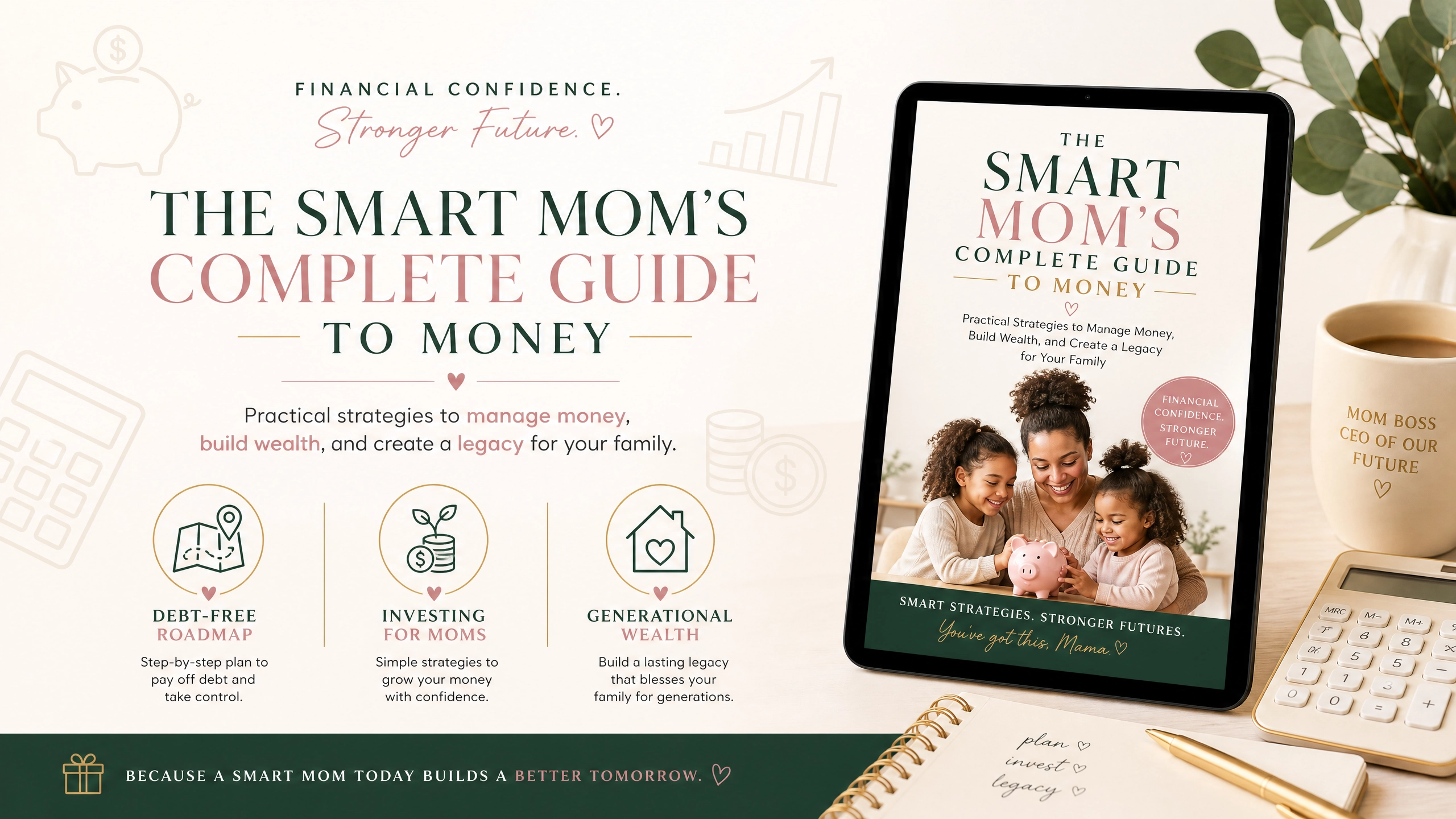
That’s exactly the gap The Smart Mom’s Complete Guide to Money was built to close — a practical, judgment-free walkthrough for budgeting, eliminating debt, and building wealth as a family, on whatever income you’re currently working with.

The Goal Isn’t a Perfect Budget — It’s a Team
You will not get this conversation perfectly right the first time, and that’s fine. The goal isn’t a flawless financial system by next Tuesday. It’s building the habit of talking about money before it talks for you. Couples who do this regularly report less resentment, more trust, and — almost as a side effect — better finances.
If you want a concrete framework to bring to your next money date, The Smart Mom’s Complete Guide to Money is a genuinely helpful place to start.
About the Author