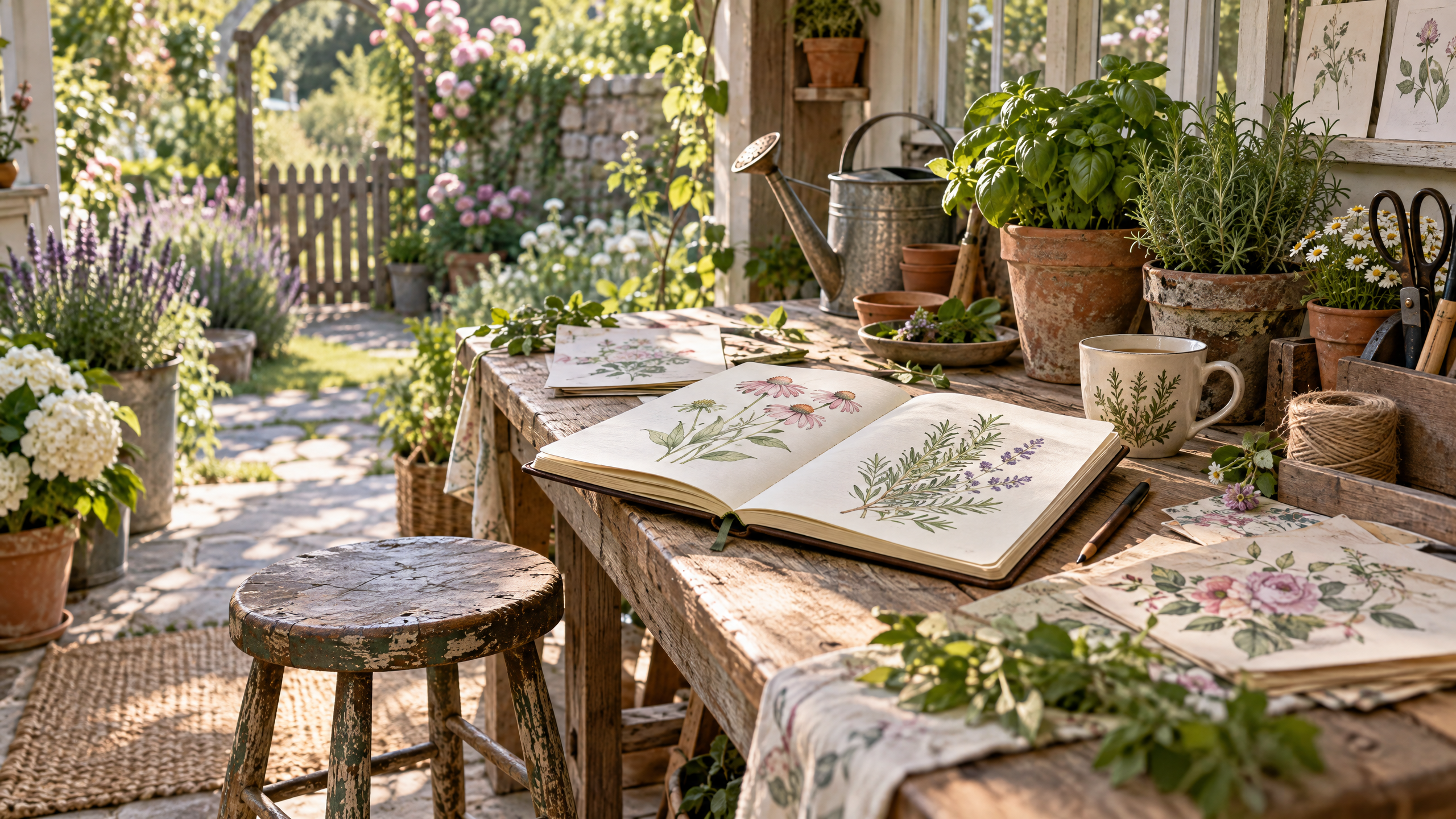
The Garden Journaling Corner You Will Actually Use
There’s something quietly transformative about keeping a garden journal. It reshapes the way you notice the small things—seedlings unfurling, the way light shifts through a window, which tomato variety finally produced a perfect fruit. But the reality is, many of us start journals with high hopes and then let them gather dust. This guide is for the person who wants a garden journaling practice that’s easy to maintain, genuinely useful, and even a little lovely to open. Think realistic rituals, creative prompts, and a corner you’ll actually use daily or weekly.
Below you’ll find concrete garden journaling ideas, step-by-step setup instructions, small-space and budget-friendly options, accessibility considerations, and styling tips to make your corner a place you look forward to sitting in. I’ll also point you toward two beautiful digital papers that can help personalize printable pages or decorative elements: the Floral Watercolor Digital Paper Set and Green Leaves Borders.
Floral Watercolor Digital Paper Set – Digital Paper Clip Art
The secret to a garden journal that lasts isn’t discipline alone—it’s design. If your journal lives in a convenient, inviting corner, you’re far more likely to use it. Make the corner small and tidy, with everything you need: a notebook, a favorite pen, quick reference tools, a way to stash seed packets, and a cozy habit attached to another activity (morning coffee, plant watering, or evening wind-down). Below I’ll walk you through crafting a corner and a routine that fits your life—whether you’re working with a balcony, a sunny windowsill, or a corner of your living room.
Why a Dedicated Corner Works Better Than an App or Sporadic Notes
- Ritual beats random. A location and time cue help build the habit. When your notebook sits in the same place, it becomes part of the ritual of caring for plants.
- Physical space encourages reflection. Tactile elements—pen pressure, smudges of soil, taped-in leaves—make observations more memorable.
- Combining inspiration and utility. Your corner can be both pretty (so you want to sit there) and functional (so you can get things done).
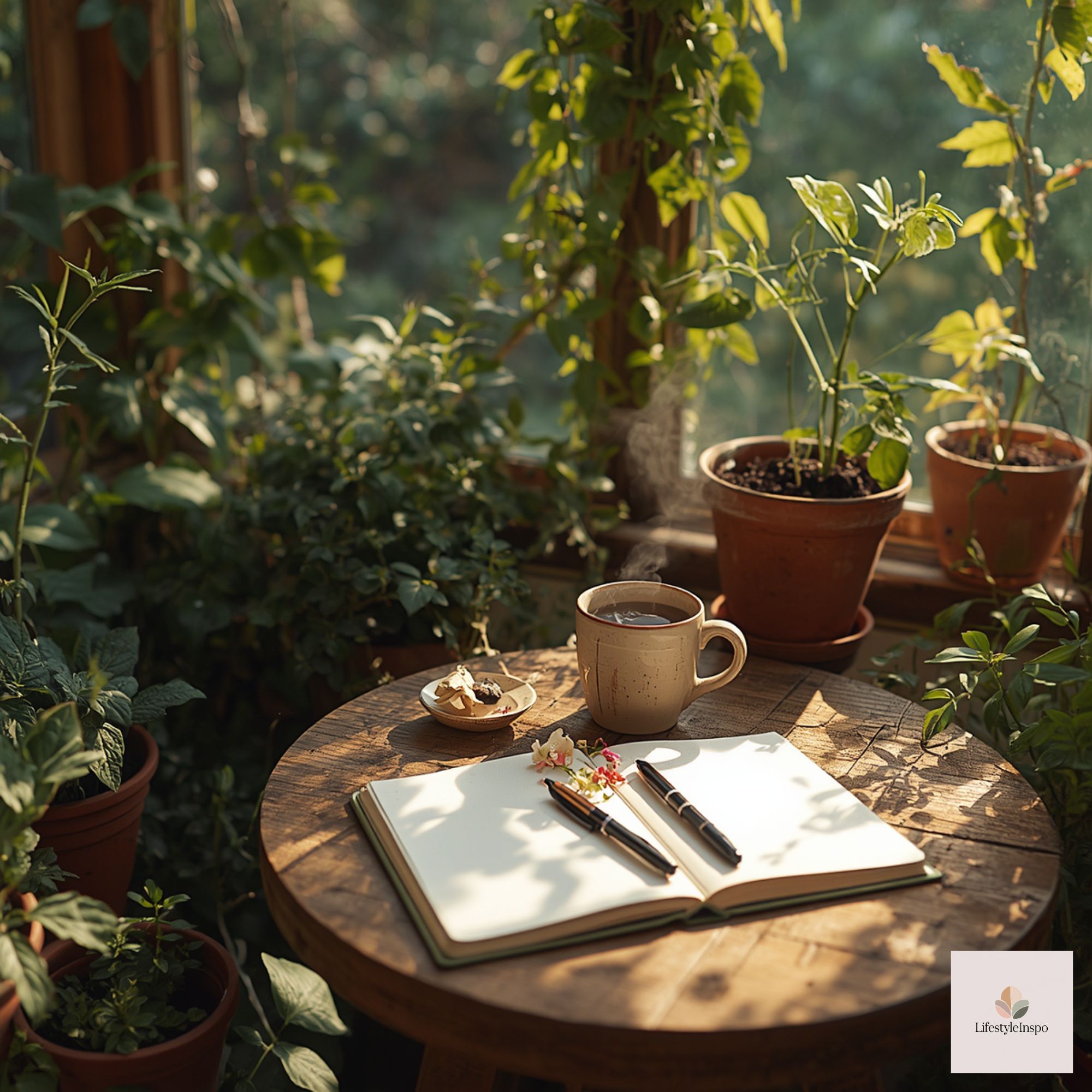
Essentials: What Your Garden Journaling Corner Needs
The Journal Itself
Pick a notebook that feels good in your hands. Options:
- A dot-grid or bullet-journal-style notebook for flexible layouts.
- A lined notebook if you prefer structured writing.
- A hardcover option for durability if your corner is near soil or water.
Add a removable clipboard if you like to take the page outside to sketch or note observations in natural light.
Writing Tools and Extras
- A favorite pen and a backup: fountain pens can be dreamy, but gel pens or a fine-liner work reliably.
- A small roll of washi tape or glue stick for attaching seed packets, photos, or pressed leaves.
- A ruler and a pencil for sketching plant growth or drawing simple diagrams.
- A little envelope or box for seed packets, tags, and plant receipts.
Visual Touches to Make It Inviting

Use the Floral Watercolor Digital Paper Set to print header pages, dividers, or weekly cover sheets. The soft florals are perfect for a garden journal—easy to add behind pages or to create printable “title” cards for sections like “Seed Starting 2026” or “Perennials.”
Floral Watercolor Digital Paper Set – Digital Paper Clip Art

Frame small printed sections using the Green Leaves Borders to create cohesive tabs or decorative labels for jars and envelopes. This keeps your corner looking curated and makes organization feel less like a chore.
Layout Ideas & Pages to Keep (garden journaling ideas you’ll actually use)
Quick Daily/Weekly Log (one line or five minutes)
- Date, weather, quick mood, 3 observations. Keep it short. This is your habit-forming backbone.
- Example entry: “6/10 — AM sun, cool breeze. New basil seedlings 2/6. Aphids on rosemary — sprayed with water.”
Plant Profiles (one per plant)
- Plant name (common + Latin if you like), date acquired, source, light needs, watering schedule, known pests, last fertilizers. This becomes your go-to care card.
Seasonal Action Checklist
- A bulleted seasonal to-do (prune, mulch, start seeds) that you can update each season. Simple checkboxes make this actionable.
Problem + Solution Log
- Note the problem, date discovered, treatment tried, result. Over a season you’ll build individualized troubleshooting data that’s more helpful than generic web searches.
Growth Tracker / Sketch Page
- Draw a simple plant shape or add photos monthly. Track height, spread, and flowering dates.
Seed Inventory + Germination Notes
- Record variety, packet source, sowing date, days to germination, and success rate. This is gold when you compare years.
Inspiration/Notes Page
- A free page to paste magazine clippings, printouts from the Floral Watercolor Digital Paper Set, or clipped pages from other gardens you want to emulate.

Step-by-Step: Set Up Your Corner in 45 Minutes
- Choose a location: near where you water plants, beside a window, or at a kitchen counter where your morning coffee lives.
- Clear a small surface: 18–24 inches is enough. A narrow console, a small desk, or a dedicated basket on an entry table works great.
- Place the basics: notebook, pen cup, clipboard, and seed envelope box. Keep them within arm’s reach.
- Add a small tray or dish for loose plant tags and clipping debris to keep the area tidy.
- Print 3–5 decorative pages from the Green Leaves Bordersand tuck them into the front of the journal as section dividers or inspiration cards.
- Anchor the corner with a plant (or two): a low-maintenance habit plant like a snake plant, pothos, or a small aloe—something that won’t demand attention and will visually link the space to your gardening practice.
- Attach a simple routine cue: a small note on your coffee maker, calendar, or phone labeled “Journal plants” so the corner’s use attaches to an existing habit.
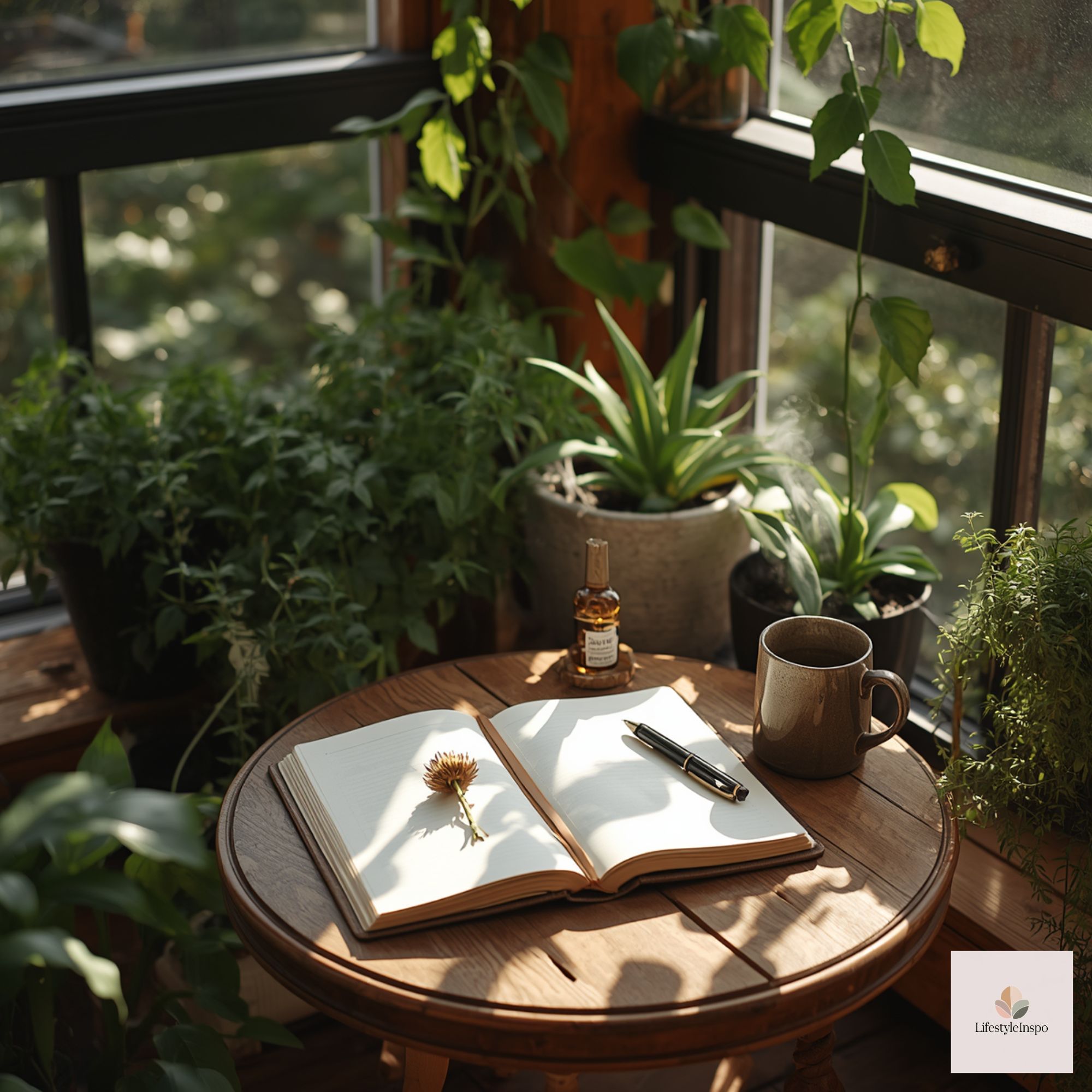
Prompts to Keep You Writing (use one each time)
- What changed since my last entry?
- Which plant surprised me today?
- One thing I did well this week for my garden.
- One problem I want to solve next week.
- What did I harvest or taste today?
Small-Space and Budget-Friendly Options

- Use a three-ring binder and printable pages (decorate with the Floral Watercolor Digital Paper Set) so you can add or remove pages easily.
- Convert a wall pocket organizer into your corner: slip your journal into one pocket, pens into another, and seed packets into a third.
- A recycled cigar box or shoebox makes a charming, free storage solution for tags and tape—add a sheet of digital paper as a lining to make it feel intentional.
- Keep the area minimal: a single favorite pen and a simple notebook are enough to start; you can expand if journaling sticks.
Floral Watercolor Digital Paper Set – Digital Paper Clip Art
Accessibility & Sensible Adaptations
- Low-vision: use a large-print notebook, high-contrast pens, or a clip-on reading lamp.
- Limited mobility: keep the corner at a reachable height and use easy-open pens and pens with grips. A rolling cart that moves to you can be a great solution.
- Cognitive load: create a one-page cheat sheet with your top three plants and immediate care needs to reduce overwhelm when your attention is limited.
Caring for the Corner

- Weekly tidy: spend five minutes after watering plants to wipe the surface and return stray tools.
- Monthly refresh: swap out one inspiration page, add a new pressed leaf, or print a fresh header from the Green Leaves Borders.
- Seasonal audit: review your seed inventory and migrate the most successful entries forward.
Styling Tips: Make It Beautiful Without Overdoing It
- Limit decor to two surfaces: the journal surface and one vertical plane (a small frame or a shelf). Too many objects distract from the ritual.
- Use natural textures: a small cork tray or linen notebook cover pairs well with watercolor digital paper accents.
- Choose a color palette—three colors max—and echo them through your pen, the plant pot, and printable pages from the Floral Watercolor Digital Paper Set.

Real-Life Routine Examples
- The 5-Minute Morning Check: Pour coffee, carry cup to corner, flip to the date, jot three observations, water a plant that needs it, file one seed packet. Done.
- The Weekly Deep-Dive (20–30 minutes): On Sunday afternoon, sit with your journal, update plant profiles, add a photo, and plan one week’s action.
- The Problem Night (10 minutes): When you spot an issue, make a Problem + Solution log entry immediately—no need to set aside a special time.
Troubleshooting Why You’re Not Using It
- The corner is cluttered: pare down to only items you use weekly.
- Entries feel too long: switch to one-line logs or voice memos transcribed later.
- You forget: attach the journaling step to an existing habit (coffee, watering, evening tidy).
Budget Breakdown (exact, practical categories)

- Notebook: $8–$30 (basic to mid-range hardcover)
- Pens + pencil: $5–$20
- Small tray/envelope box: $0–$15 (thrift or new)
- Printable digital paper accents: cost varies—these two options can be downloaded and printed as needed: Floral Watercolor Digital Paper Set, Green Leaves Borders Total starter cost: $15–$65 depending on choices.

Final Thoughts: Make It Yours
Garden journaling is less about perfection and more about presence. The corner you create should feel like an invitation. If you miss a week, skip the guilt and make a small, simple entry when you return. Over time, those tiny notes add up into a personal manual that helps you garden smarter, remember what you loved, and notice the slow, beautiful rhythms you might otherwise overlook.
Ready to make your corner? Start by printing one decorative divider from theFloral Watercolor Digital Paper Set and one label using the Green Leaves Borders. Set a five-minute timer and make one line in your journal today.
FAQ
Q1: How often should I write in my garden journal
A1: There’s no single right answer. Daily one-line notes build observation skills quickly; weekly entries work well if your schedule is tight. The key is consistency—short, regular actions beat sporadic long sessions.
Q2: Can I use digital tools alongside a physical journal?
A2: Absolutely. Use a phone camera for quick photos, a notes app for immediate voice memos, and then paste the best photos or transcribe key notes into your physical journal during your weekly review.
Q3: What’s the easiest way to start if I feel overwhelmed?
A3: Begin with one functional page—a weekly checklist or a seed inventory. Keep the rest of the journal blank and add to it only when you need to. Pair the journal with an existing habit, like your morning coffee, so starting feels natural.
About the Author