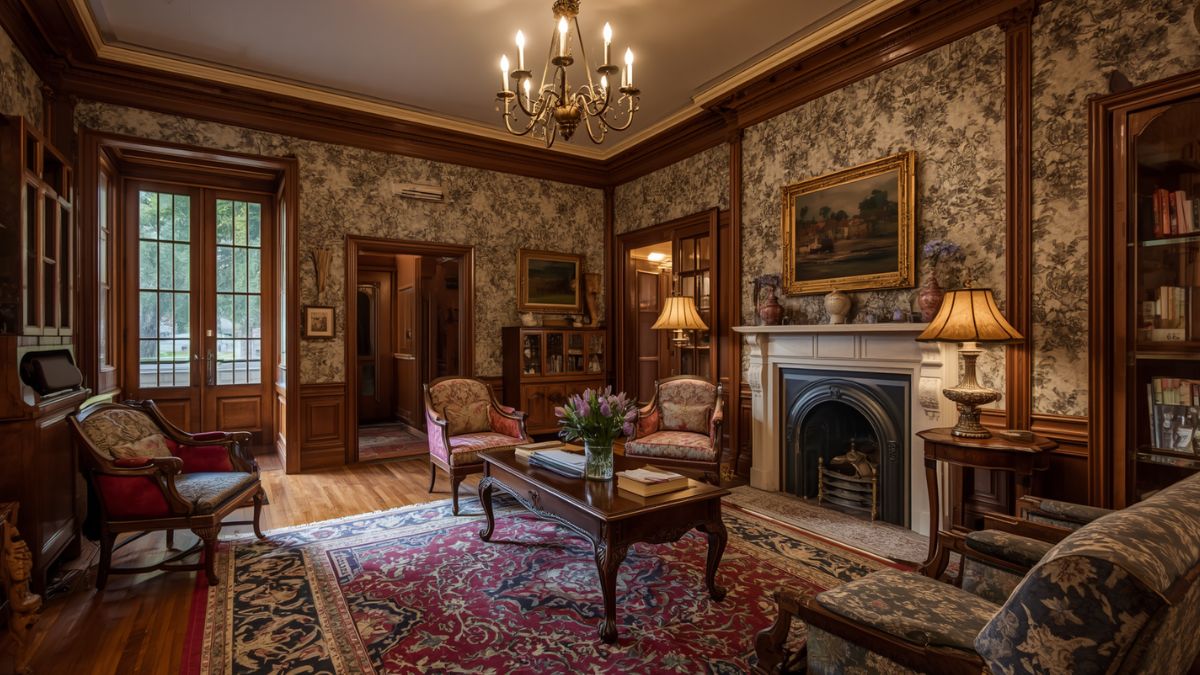
Victorian Home Decor: How to Get the Dramatic, Layered Look Without It Feeling Like a Museum
For a while, “more is more” felt like a rule nobody wanted to admit they missed. Now it’s back in full force, and Victorian home decor — with its deep jewel tones, ornate detail, and unapologetic layering — is leading the charge. If you’ve been quietly tired of beige and craving a home that actually looks like something, this is the trend that’s been waiting for you.
The catch: Victorian decor can tip into costume-drama territory fast if you’re not careful. Done well, though, it’s rich, moody, and genuinely one of the most personality-filled styles out there. Here’s how to bring it into a modern home without it reading as a period film set.
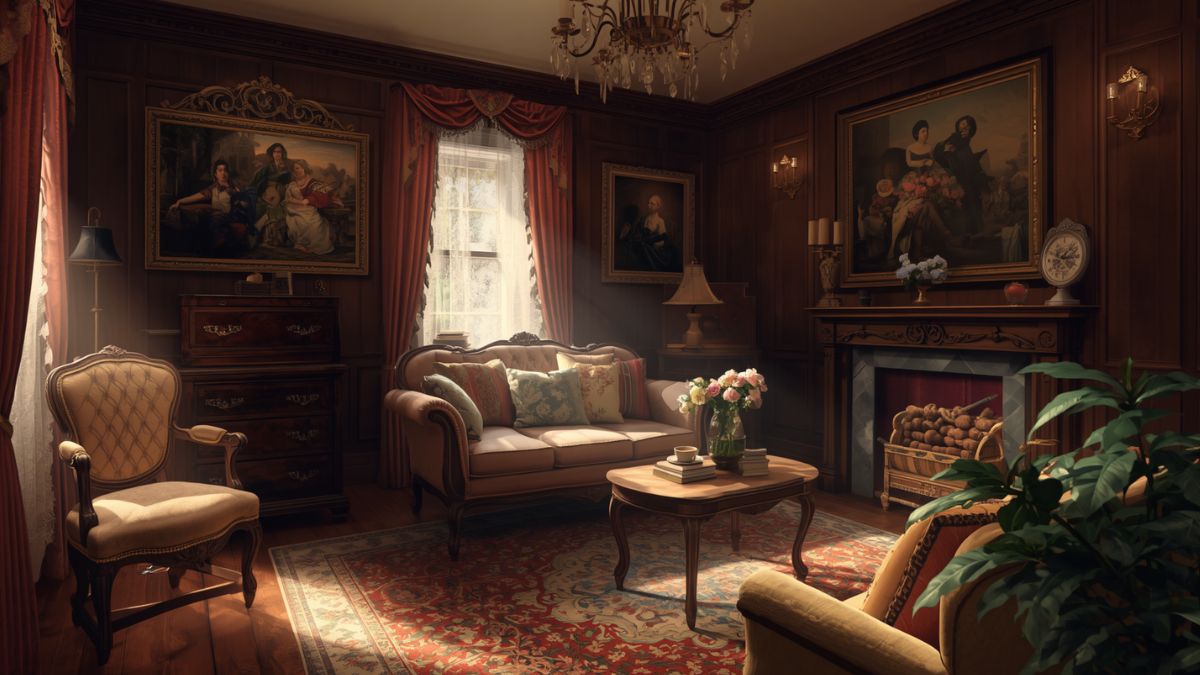
What Makes a Room Read “Victorian”
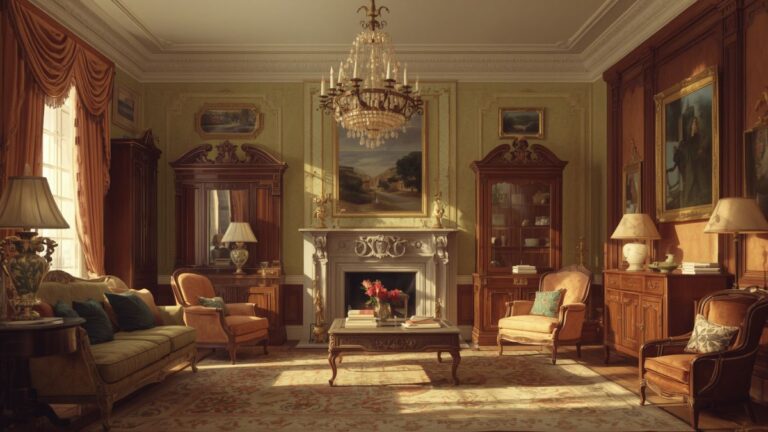
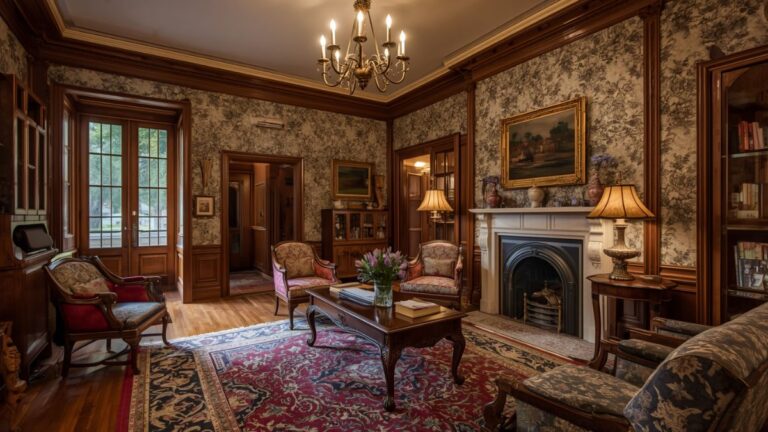
Victorian style is built on abundance — deep, saturated colors (think emerald, burgundy, navy), heavy textiles like velvet and brocade, ornate wood furniture, and layered patterns that would look chaotic in a minimalist home but feel intentional here. Where modern decor tends to edit down, Victorian decor edits up: more pattern, more texture, more detail, arranged with enough care that it still feels curated rather than cluttered.
The modern version of this trend leans into the drama while skipping some of the heaviness — fewer doilies, more velvet; fewer floral wallpapers everywhere, one really good statement piece instead.
1. Commit to a Deep, Jewel-Toned Palette
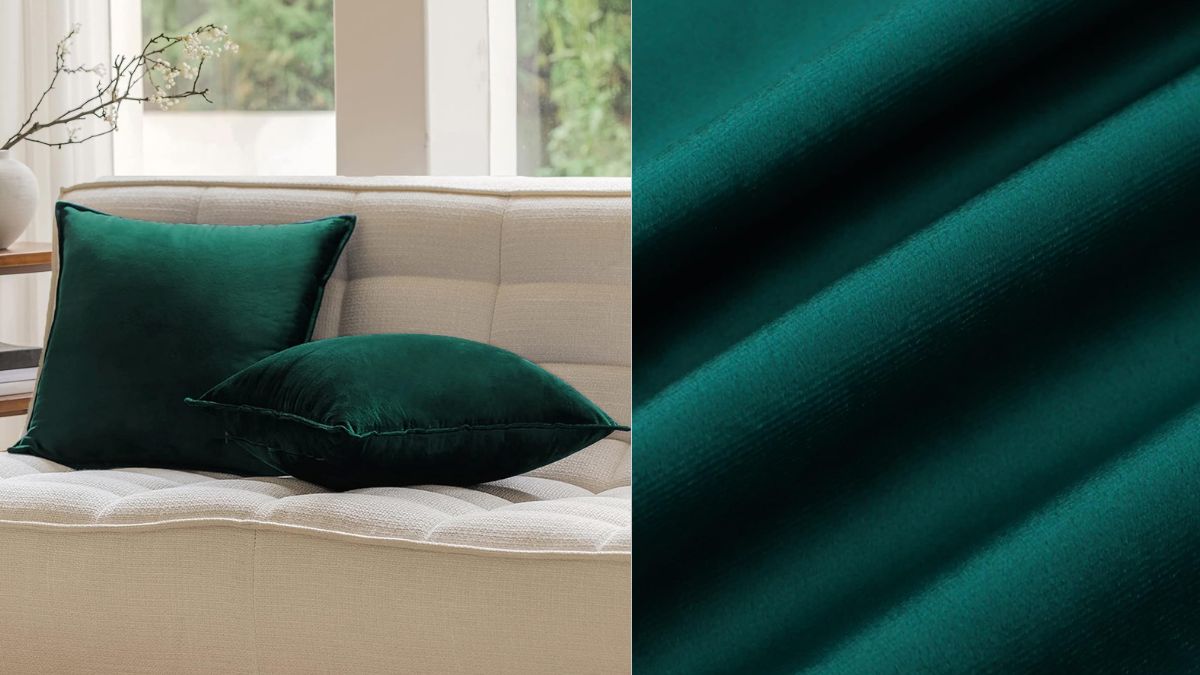
This is the single fastest way to shift a room into Victorian territory. Emerald green, deep burgundy, and navy work beautifully as accent walls, velvet upholstery, or even just a set of curtains — and unlike trendier pastels, these tones tend to feel rich rather than dated.
→ Shop it: Emerald Green Velvet Throw Pillow Covers — an easy, low-commitment way to test the palette before painting a whole wall.
2. Bring In Velvet — Everywhere You Can
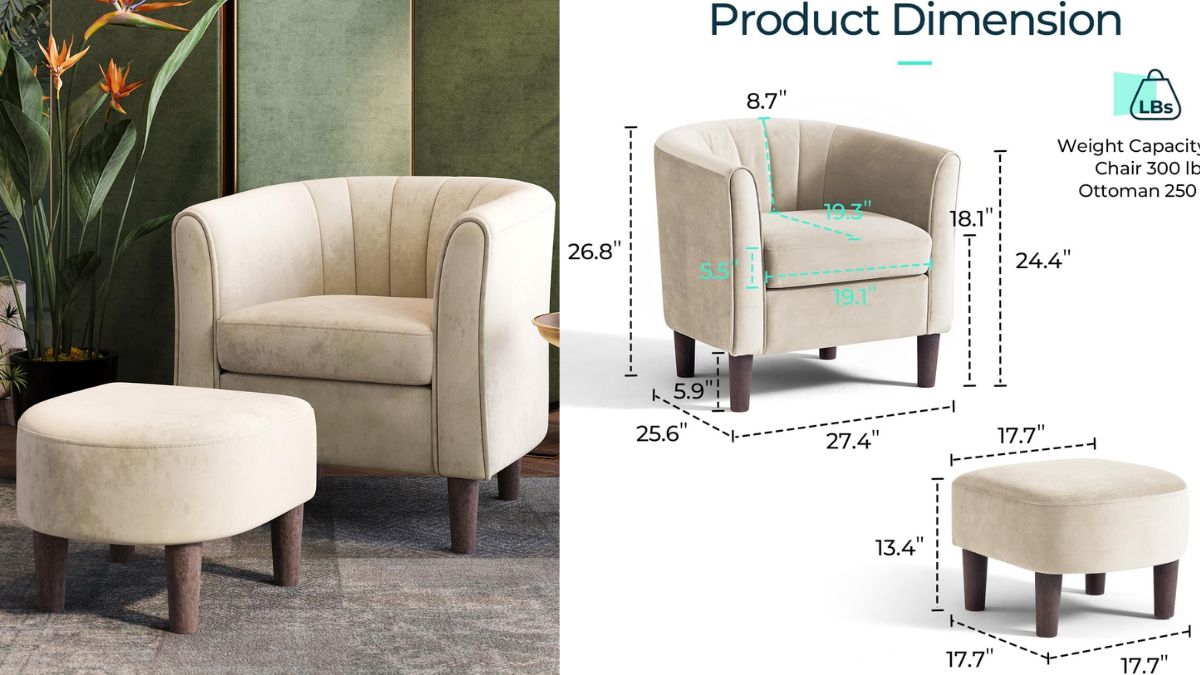
If Scandinavian decor’s signature texture is chunky wool, Victorian decor’s is velvet. It shows up on upholstery, curtains, and pillows, and it’s what gives the whole look its sense of richness. A velvet accent chair alone can shift a fairly neutral room toward Victorian without touching anything else.
→ Shop it: Velvet Tufted Accent Chair, Jewel Tone
3. Go Ornate With Wood Furniture and Frames
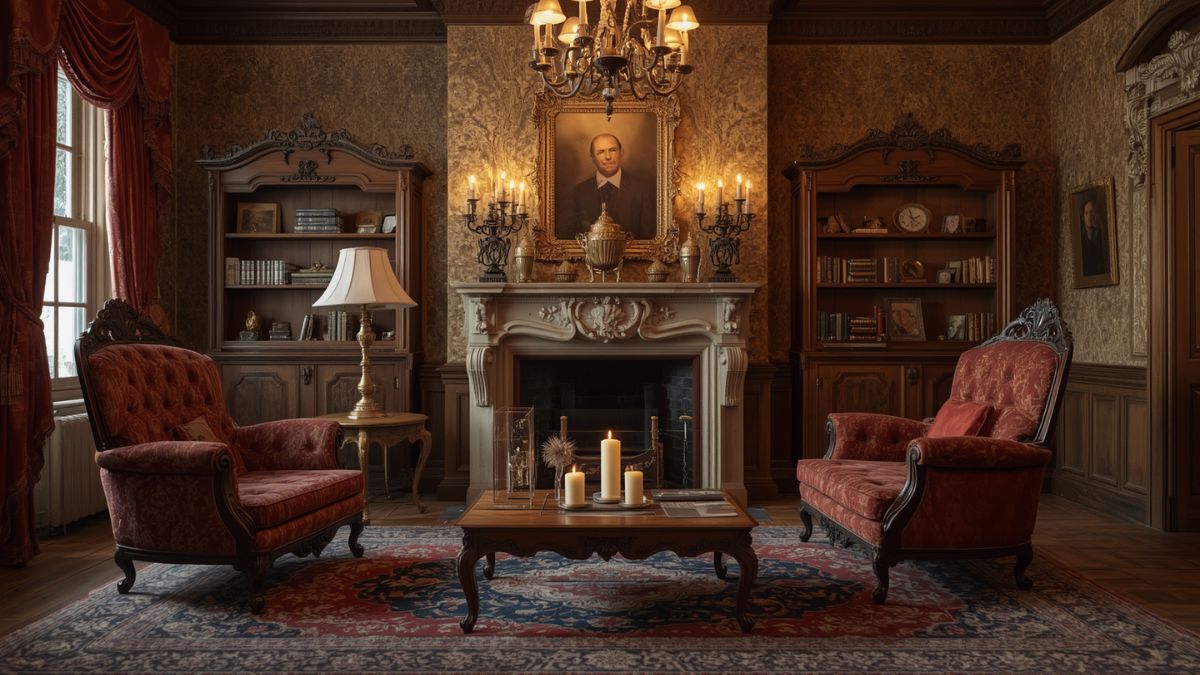
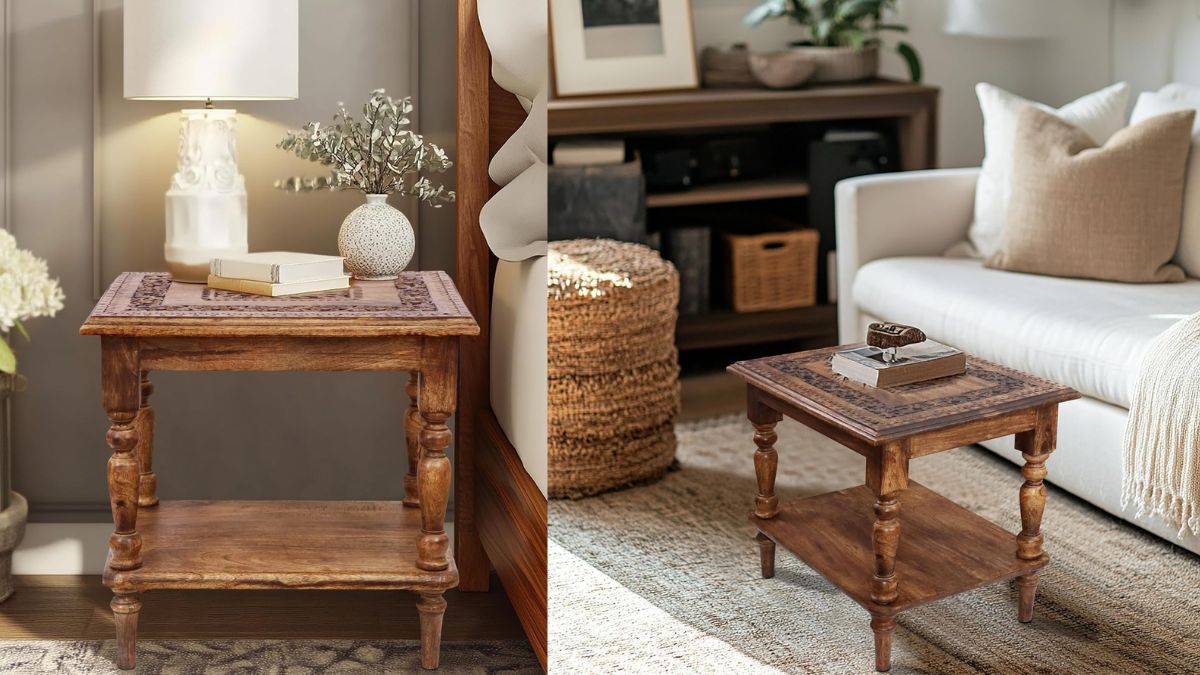
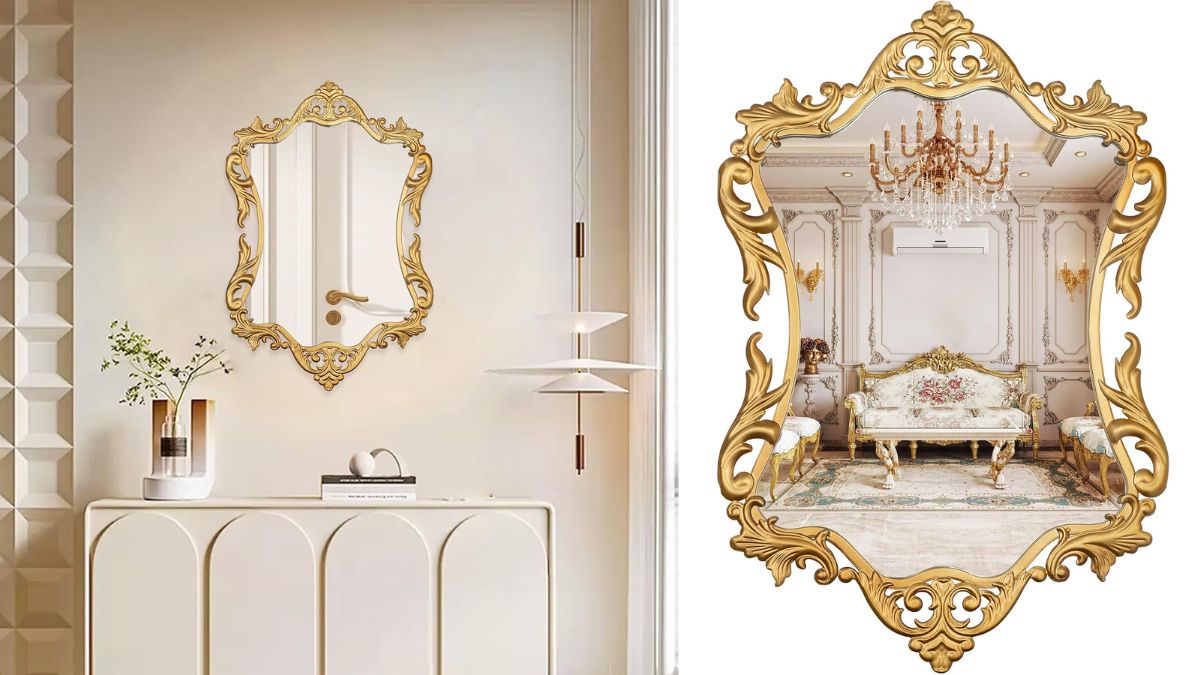
Victorian furniture favors carved detail, curved legs, and dark wood finishes — the opposite of the clean lines you’d see in modern or Scandinavian pieces. You don’t need a full furniture overhaul to get the effect; a single ornately carved side table or a gold-framed mirror does most of the work.
→ Shop it: Ornate Carved Wood Side Table
→ Shop it: Ornate Gold Baroque Mirror
4. Layer Patterns With Confidence
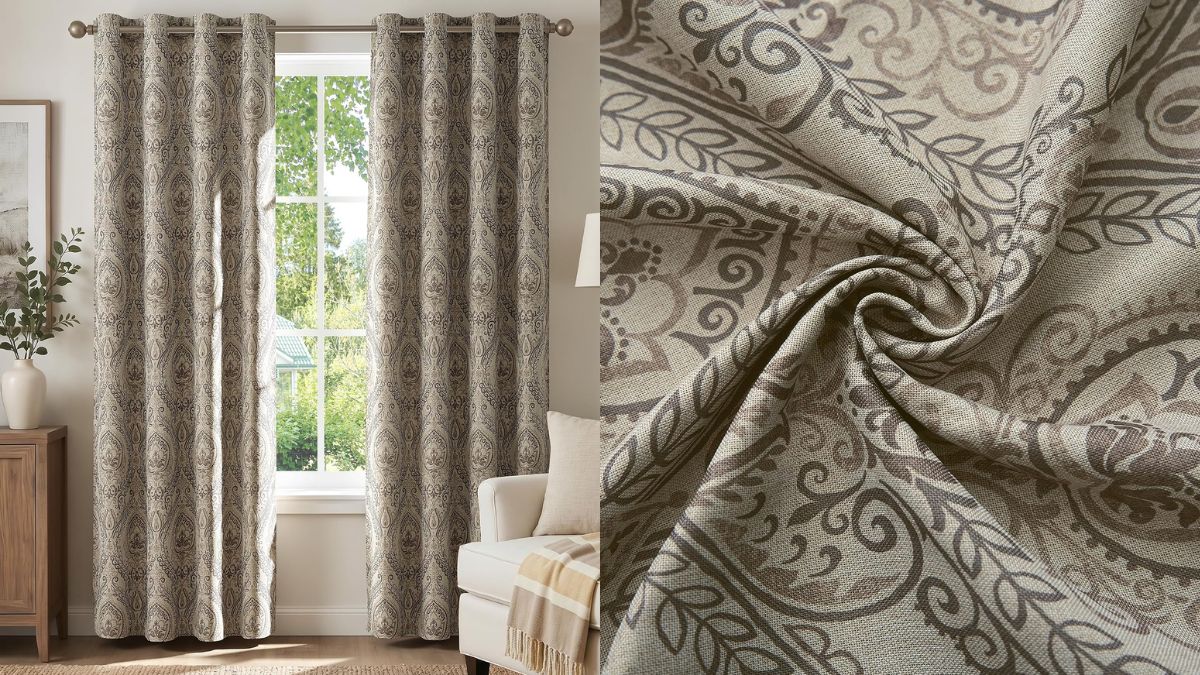
Victorian rooms don’t shy away from pattern-on-pattern — florals, damask, and stripes coexisting in the same space. The trick to making it work now is repetition and color coordination: pick two or three patterns that share a color family, rather than mixing five completely unrelated ones.
→ Shop it: Damask Print Curtain Panels
5. Add Drama With Lighting and Botanicals
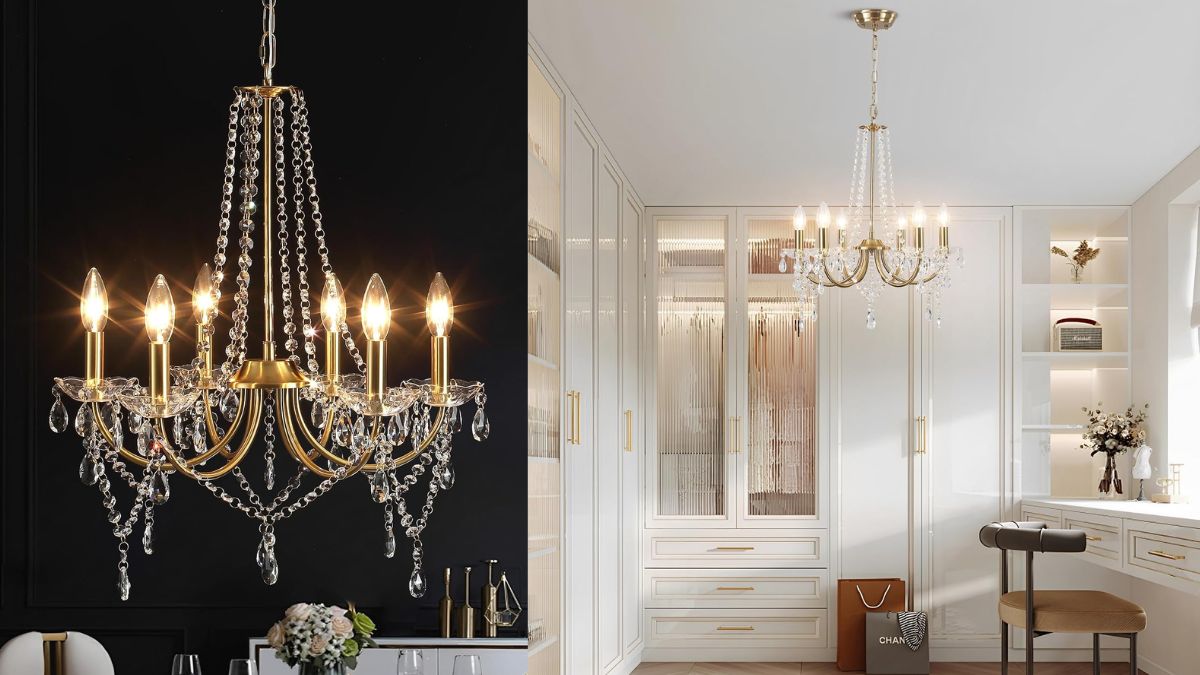
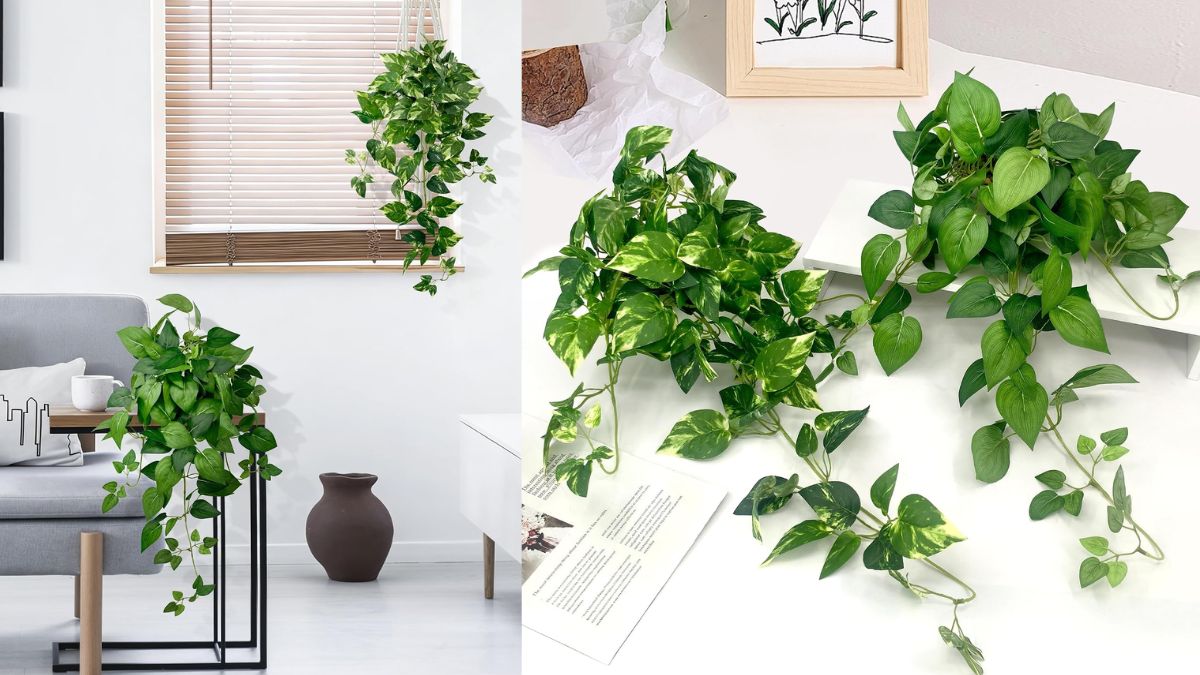
Chandeliers, candlesticks, and lush greenery are Victorian decor’s finishing touches. A small crystal or brass chandelier over a dining table, paired with trailing greenery like ferns or ivy in an ornate planter, adds the sense of abundance the style is known for.
→ Shop it: Small Brass & Crystal Chandelier
→ Shop it: Faux Trailing Ivy in Ornate Ceramic Planter
FAQ: Victorian Home Decor
Will this style make my home feel dark or heavy? It can if you go all in on every wall at once. Start with one jewel-toned accent (a chair, curtains, or a single wall) and keep the rest of the room lighter to balance it.
Is Victorian decor expensive to pull off? Not necessarily — one velvet piece and a good ornate mirror can shift a room’s whole mood without a full furniture replacement.
How is this different from “maximalist” decor in general? Maximalism is broader and can pull from any era or color story. Victorian decor is more specific: dark jewel tones, velvet, carved wood, and ornate detail rooted in that particular period’s aesthetic.
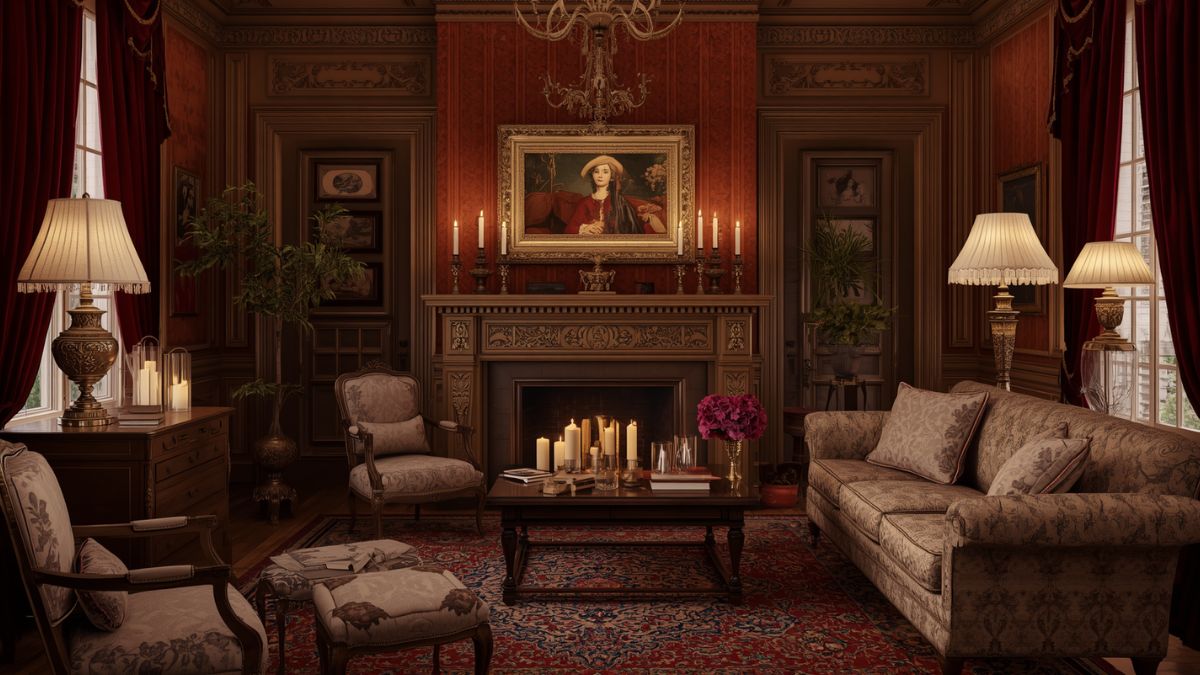
Victorian home decor is proof that “more” can still feel intentional when it’s layered with care. Start with one rich color, one velvet piece, and one ornate detail — and let the drama build slowly from there instead of all at once.
About the Author