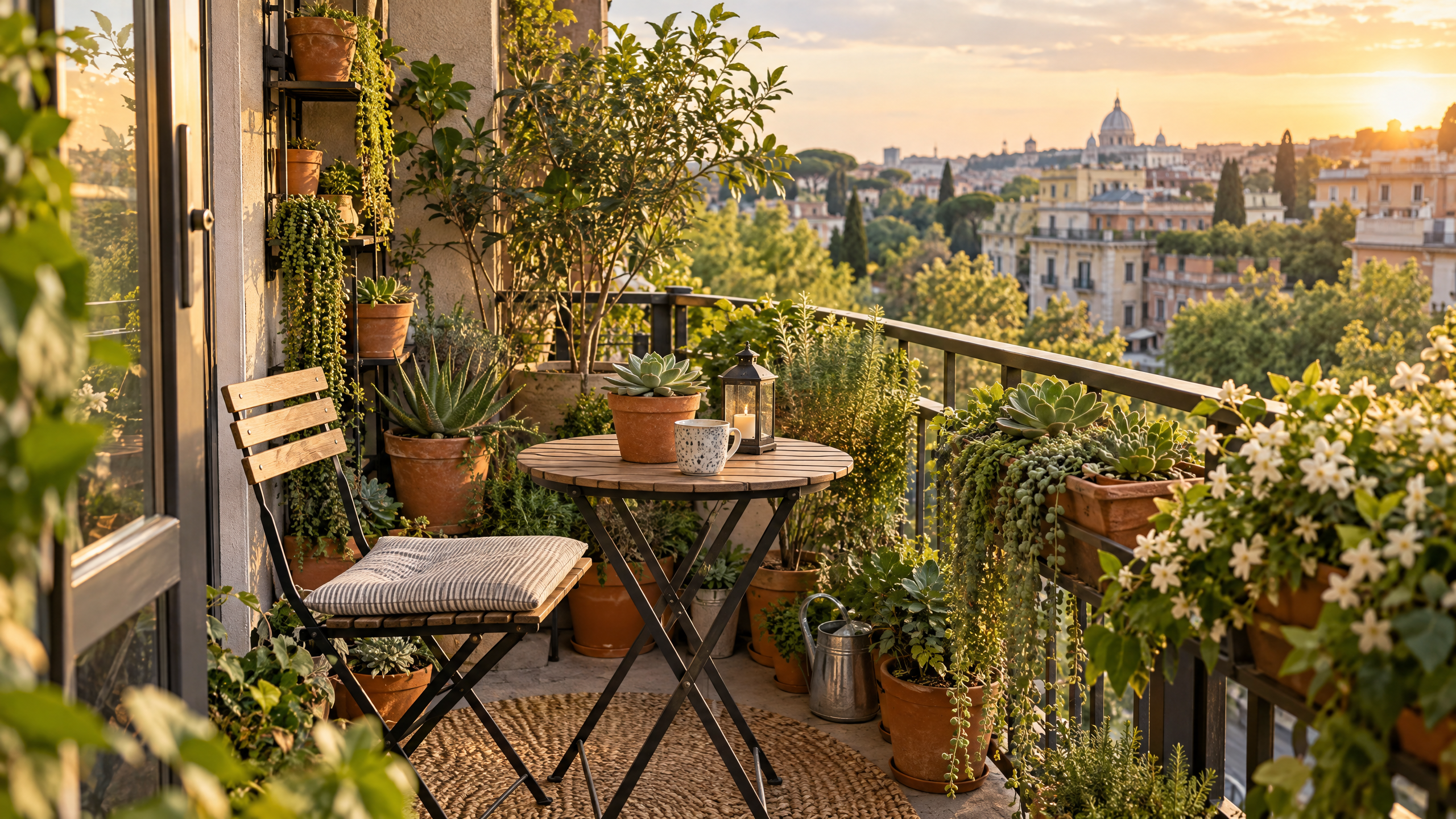
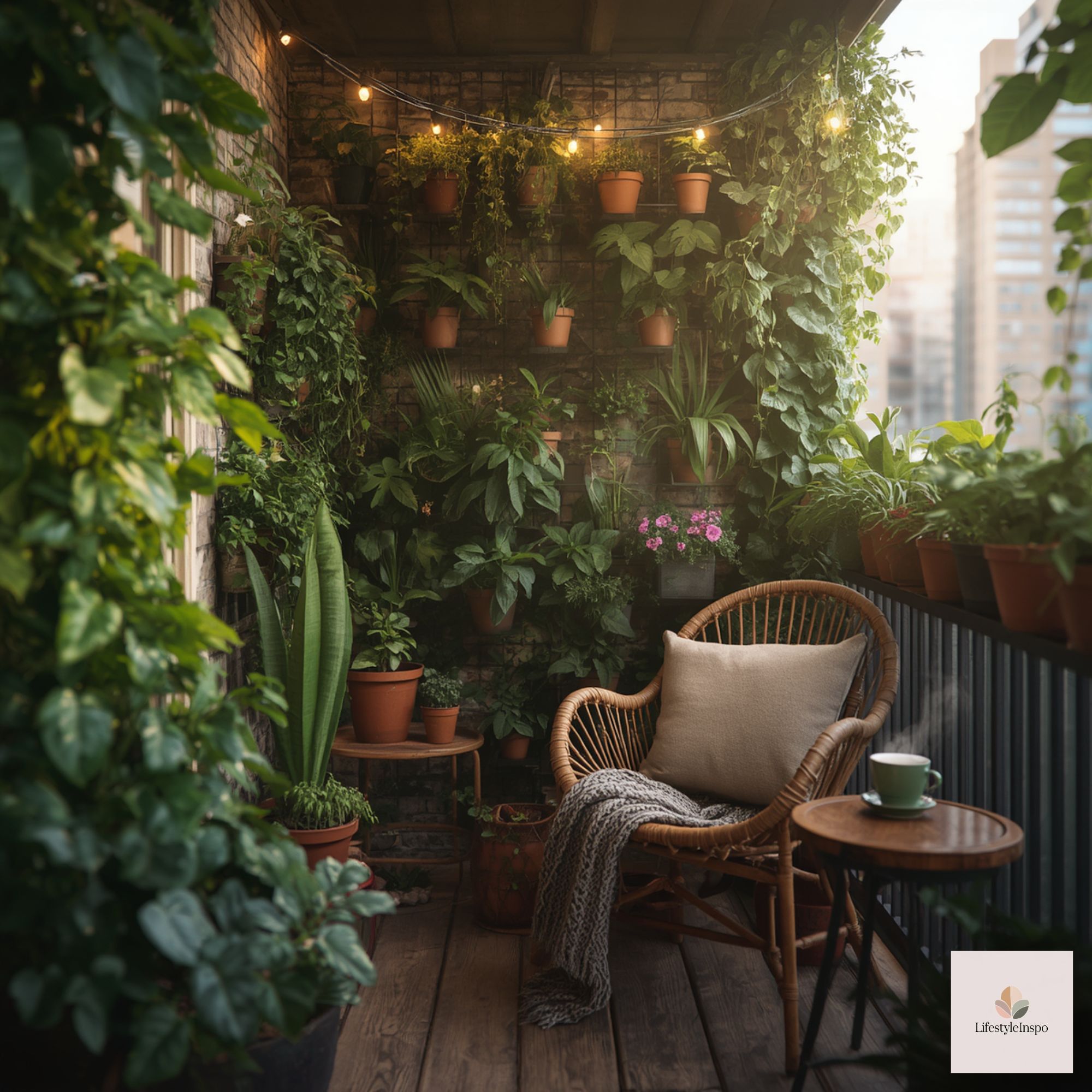
The Tiny Balcony Garden That Feels Like a Real Escape
There’s something quietly rebellious about turning a postage-stamp balcony into a verdant, restful retreat. You don’t need a sprawling terrace to feel like you’ve slipped into another world—just an intentional plan, a few well-chosen pieces, and the courage to mix textures and scale. Below are small balcony garden ideas that actually work: practical, stylish, and scaled for tiny outdoor spaces whether you’re on the fifth floor or ground level.
Why this works: a tiny balcony becomes an escape when it addresses three things—comfort, texture, and privacy—so you feel removed from the street even when you’re not far from it.
Start with a vision (not a shopping list)
Before you buy pots or plants, imagine how you’ll use the balcony. Is it a morning coffee nook, an evening reading spot, or a plant-rich micro-ecosystem? A clear vision prevents impulse purchases and makes the space feel cohesive.
- Define the primary use: Choose one main function (sipping coffee, stretching, reading) and allow plant choices and furniture to support that.
- Choose a vibe: Mediterranean, bohemian, modern minimal, or cottagecore. This will guide materials and color choices.
- Measure and map: Note width, depth, and railing type. Measure door swing and any outlets or light sources.
Layout strategies for tight spaces
Think vertically, not just horizontally
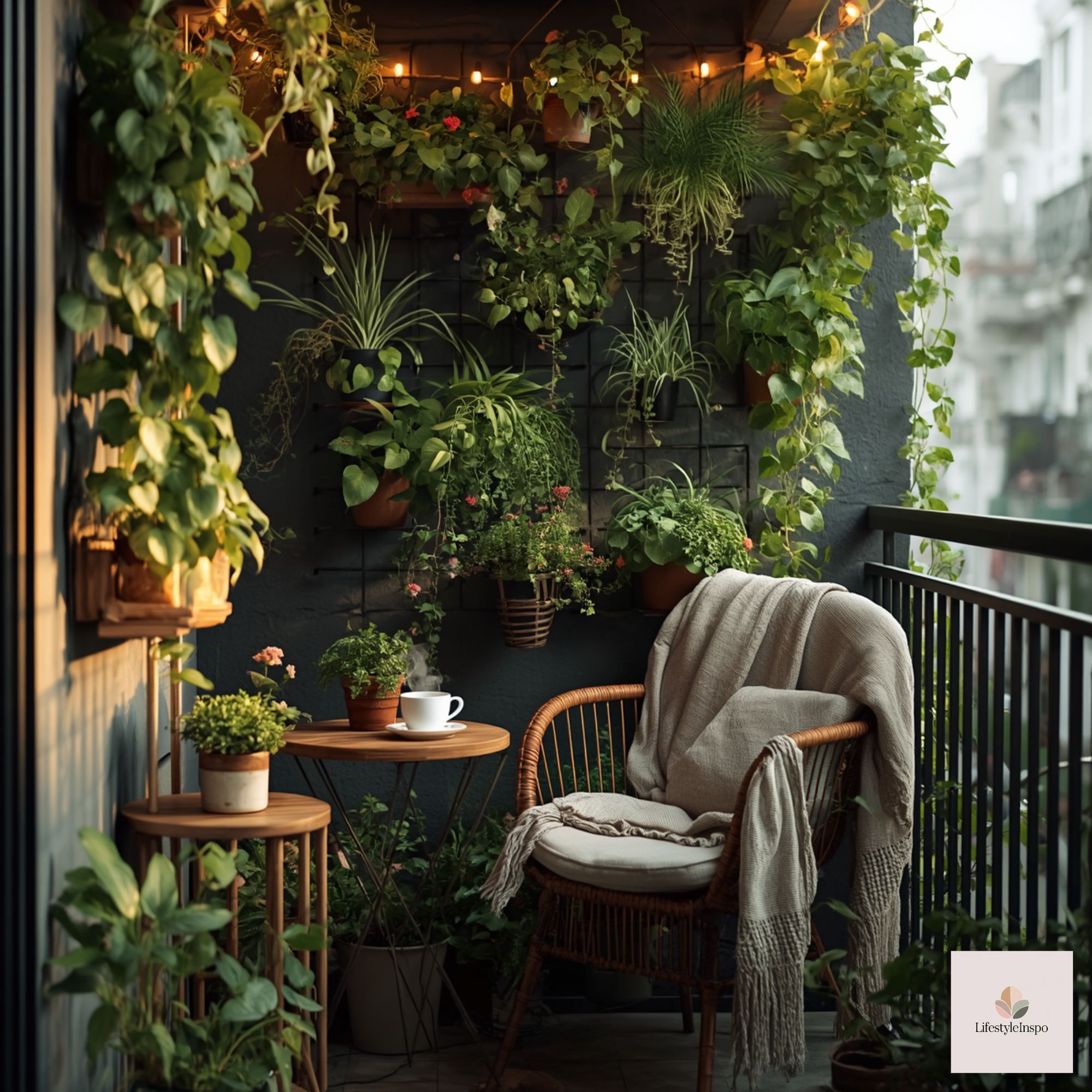
When floor space is limited, vertical decisions carry the load. Shelving systems, rail planters, and hanging pots free the floor while creating a layered, lush look.
- Wall shelves: Slim metal or wooden brackets that hold a trio of pots create depth and visual rhythm.
- Hanging planters: Macramé or modern leather straps draw the eye up and reduce clutter.
- Ladder shelves: Slim leaning ladders use vertical real estate without permanently attaching to walls.
Anchor with a single focal point
Pick one standout piece that anchors the space—an oversized planter, a painted bench, or a statement rug. Everything else orbits that focal point so the balcony reads as intentional, not crowded.
Planting choices that thrive in small balcony gardens
Choosing the right plants for your exposure (north, south, east, west) is crucial. Focus on a mix of low-maintenance plants, a few sculptural specimens, and one or two seasonals for interest.
- Shade-friendly options: ferns, hostas in containers, ivy (clipped and trained), and peace lilies.
- Sunny options: lavender, rosemary, dwarf citrus (if climate allows), and succulents.
- Texture and contrast: Mix fine-leaved plants (grasses, thyme) with broad-leaved ones (elephant ear varieties in small pots).
- Edibles for compact spaces: cherry tomatoes on a small cage, potted herbs (basil, mint in separate pots to prevent takeover).
Tip: Start with threpot sizes—small, medium, and large—to help create a natural composition. Cluster different heights in groups of odd numbers for a pleasing display.
Essential furniture and decor for comfort and scale
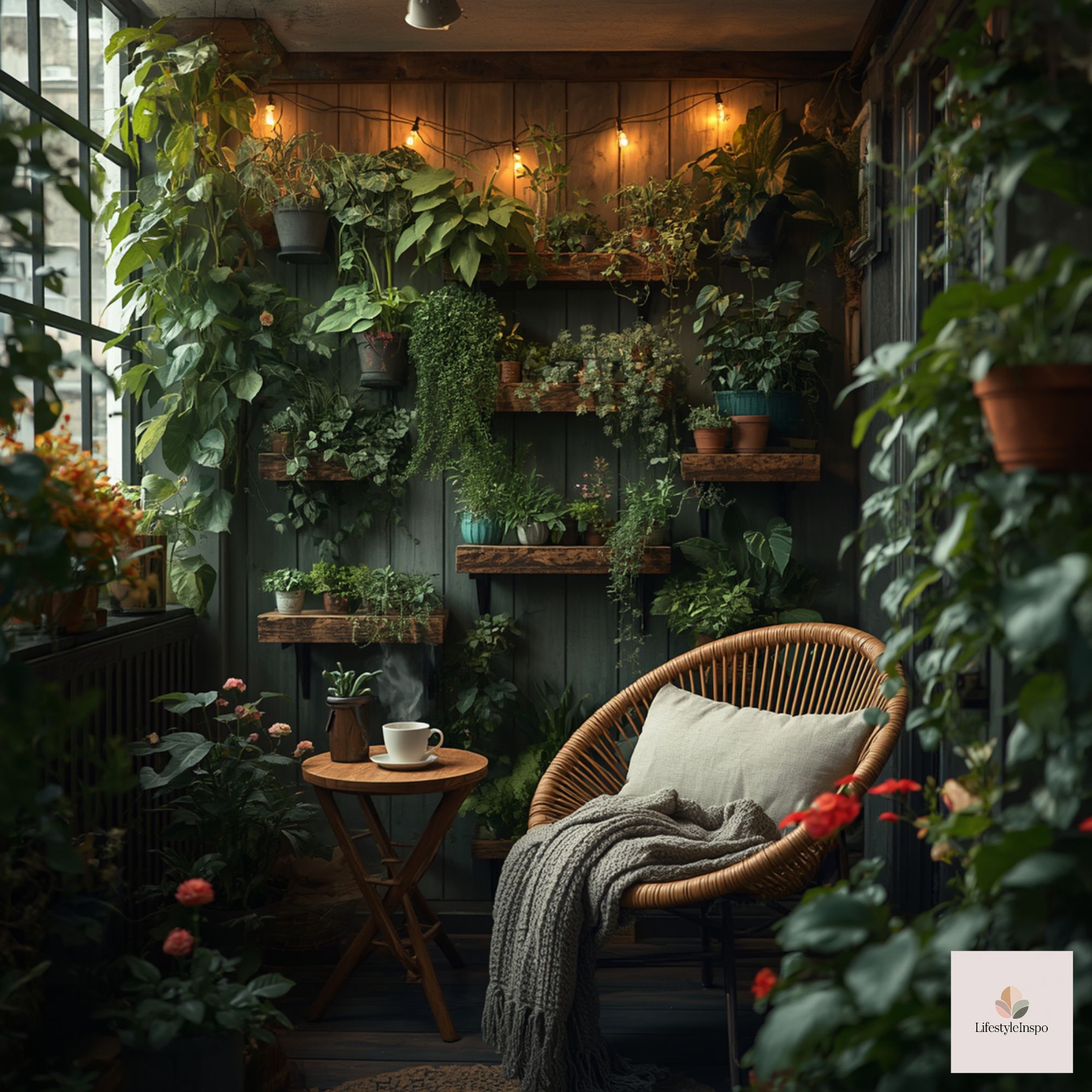
A tiny balcony doesn’t need a full set to be comfortable. The trick is choosing pieces that fold, nest, or serve double duty.
- Seating: A single compact bistro chair, a foldable stool, or a slim bench that doubles as storage.
- Table: A small drop-leaf table or railing-mounted shelf gives you surface area without stealing floor space.
- Textiles: An outdoor rug with a forgiving pattern anchors the space; weather-resistant cushions make the seat cozy.
- Lighting: String lights, battery-operated lanterns, or a single weatherproof sconce create atmosphere without complex wiring.
Styling steps — how to curate your balcony in five practical moves
Follow these sequential steps to design a small balcony garden that feels considered and lived-in.
Step 1 — Clear and clean
Start by removing everything. Sweep, hose (if allowed), and wipe down railings and walls. A blank slate helps you visualize the layout.
Step 2 — Place your anchor piece
Set the bench, big planter, or storage box first. This determines circulation and sightlines.
Step 3 — Add vertical structure
Install a shelf, hangers, or a rail planter next. This immediately increases green volume without crowding the floor.
Step 4 — Group plants by care needs
Place sun-loving plants where they’ll get direct light and shade-lovers in protected corners. Grouping containers by watering needs reduces fuss and keeps plant clusters healthy.
Step 5 — Finish with soft elements and accents
Add textiles, a small tray for drinks, and lighting. Use one or two displayed objects for personality—an art print, a small sculpture, or a stack of outdoor-friendly books.
Aesthetic inspiration: playful clipart accents and whimsical backgrounds

Small balconies benefit from visuals that amplify the mood without taking up space. Consider lightweight, removable artwork or themed accents that nod to your vibe. For a cute, modern touch, playful graphics can reinforce the plant-forward personality of your balcony.

Pair living plants with charming graphic accents like a Cartoon clipart style graphic of aesthetically pleasing succulents to echo the shapes in your real plants. If you want to bring a hint of storytelling—perfect for a reading or meditation corner—consider an Animal Habitats Background Scenes Clipart to layer a whimsical, imaginative backdrop that makes the balcony feel like a small stage.
Cartoon clipart style graphic of aesthetically pleasing succulents
Low-cost ways to elevate the look
You don’t need a large budget to make a balcony feel luxe. Small investments can dramatically shift perception.
- Paint: A fresh coat on the floor or railing in a muted tone lifts the entire space.
- Secondhand finds: Scout flea markets for plant stands and small tables.
- Multipurpose items: A storage bench provides seating and keeps cushions dry when it rains.
- DIY planters: Upcycle wooden crates or tin buckets with proper drainage holes.
Budget tip: Start with the essentials (seat, one large plant, a few pots) and add over time rather than buying everything at once.
Accessibility and safety notes for compact balcony gardens
Make sure your oasis is both safe and accessible.
- Weight limits: Check building rules for maximum load, especially if planning heavy planters or many pots.
- Water runoff: Use saucers and avoid excessive watering that could drip to neighbors below.
- Railings and wind: Use secure attachments for rail planters and avoid placing lightweight objects that can fly away.
- Accessibility: Keep a clear path to the door and select furniture with supportive, comfortable seating if mobility is a concern.
Seasonal care and maintenance made simple
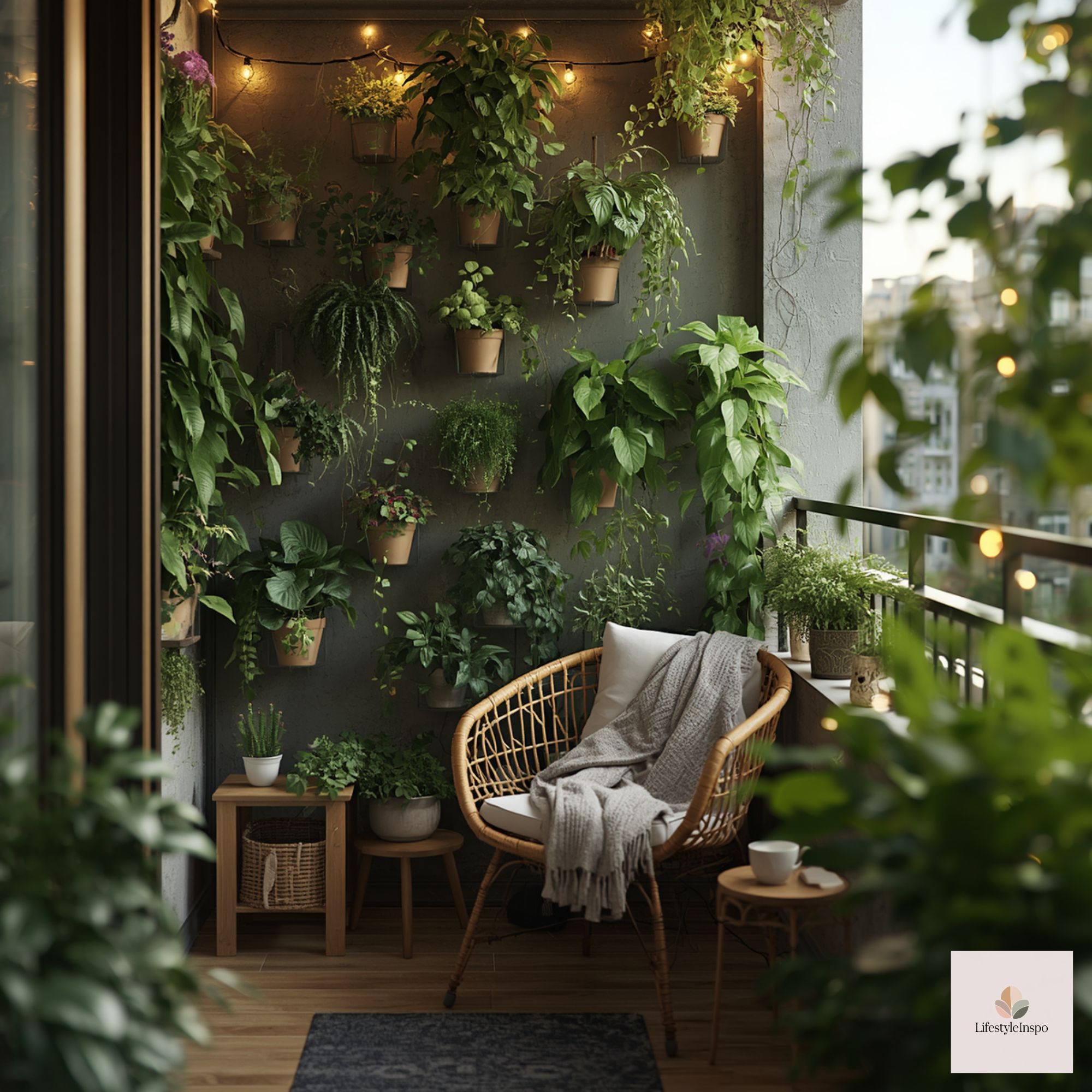
A small balcony garden should be low-maintenance, not high-maintenance. Set a routine that takes 10–20 minutes twice a week.
- Watering: Early morning or late evening is best. Group plants with similar needs to simplify watering.
- Pruning: Trim spent blooms and yellowing leaves to keep the space tidy.
- Feeding: Use a slow-release fertilizer or a mild liquid feed during the growing season.
- Winter prep: Move tender plants indoors or to a sheltered spot; insulate pots with bubble wrap or move them together for microclimate warmth.
Small balcony garden layouts by use case
Morning coffee nook (2.5–4 sq ft)
- A narrow bistro chair, fold-down railing table, one large planter, 2–3 hanging pots.
Urban jungle (for plant lovers, 4–8 sq ft)
- Ladder shelf filled with pots, a sturdy bench, hanging planters at varying heights, a small rug.
Meditation and quiet space (2–5 sq ft)
- Comfortable floor cushion or slim bench, wind chime, calming greens like ferns and scented herbs, soft lighting.
Sustainability and wildlife-friendly tips
Even tiny balconies can support local wildlife. Use native plants, provide water in shallow dishes, and avoid pesticides. Pollinator-friendly plants like lavender, sage, and bee balm attract beneficial insects without turning the space wild.
Putting it all together: a sample plan to build over a weekend
- Friday evening: Clear balcony, sweep, and measure.
- Saturday morning: Paint floor (if desired) and install any shelves or hanging hardware.
- Saturday afternoon: Place anchor furniture and major planters.
- Sunday: Arrange pots, fill with soil and plants, add textiles and lighting, and take photos.
Where to find small decorative accents that actually help

Small touches can make a balcony feel curated. Consider playful, lightweight additions like printed clipart art or removable backgrounds that don’t require much installation—perfect for renters. Two pieces that pair surprisingly well with living plants are a Cartoon clipart style graphic of aesthetically pleasing succulents and an Animal Habitats Background Scenes Clipart. These add charm, a storytelling element, and visual cohesion without taking up floor space.

Budgeting and sourcing
- Under $100: One chair, two small planters, and basics (soil, potting mix).
- $100–$300: A sturdy bench, three planters in varied sizes, rug, lighting.
- $300+: Invest in professional planters, irrigation systems, and custom shelving.
Sourcing tips: Local garden centers are great for climate-appropriate plants. Online shops often have wider furniture options—measure carefully before buying.
Final styling checklist
- Measure and map your space.
- Choose a dominant focal piece.
- Use three pot sizes and group in odd numbers.
- Add vertical elements to increase green volume.
- Include at least one comfortable seat and soft lighting.
- Finish with a graphic accent for personality.
Ready to create your personal balcony escape? Start with one anchor planter and a comfy seat—little choices lead to big feelings. If you’d like help planning furniture or plant pairings for your specific exposure, reply with your balcony dimensions and sun exposure and I’ll sketch a tailored plan.
About the Author