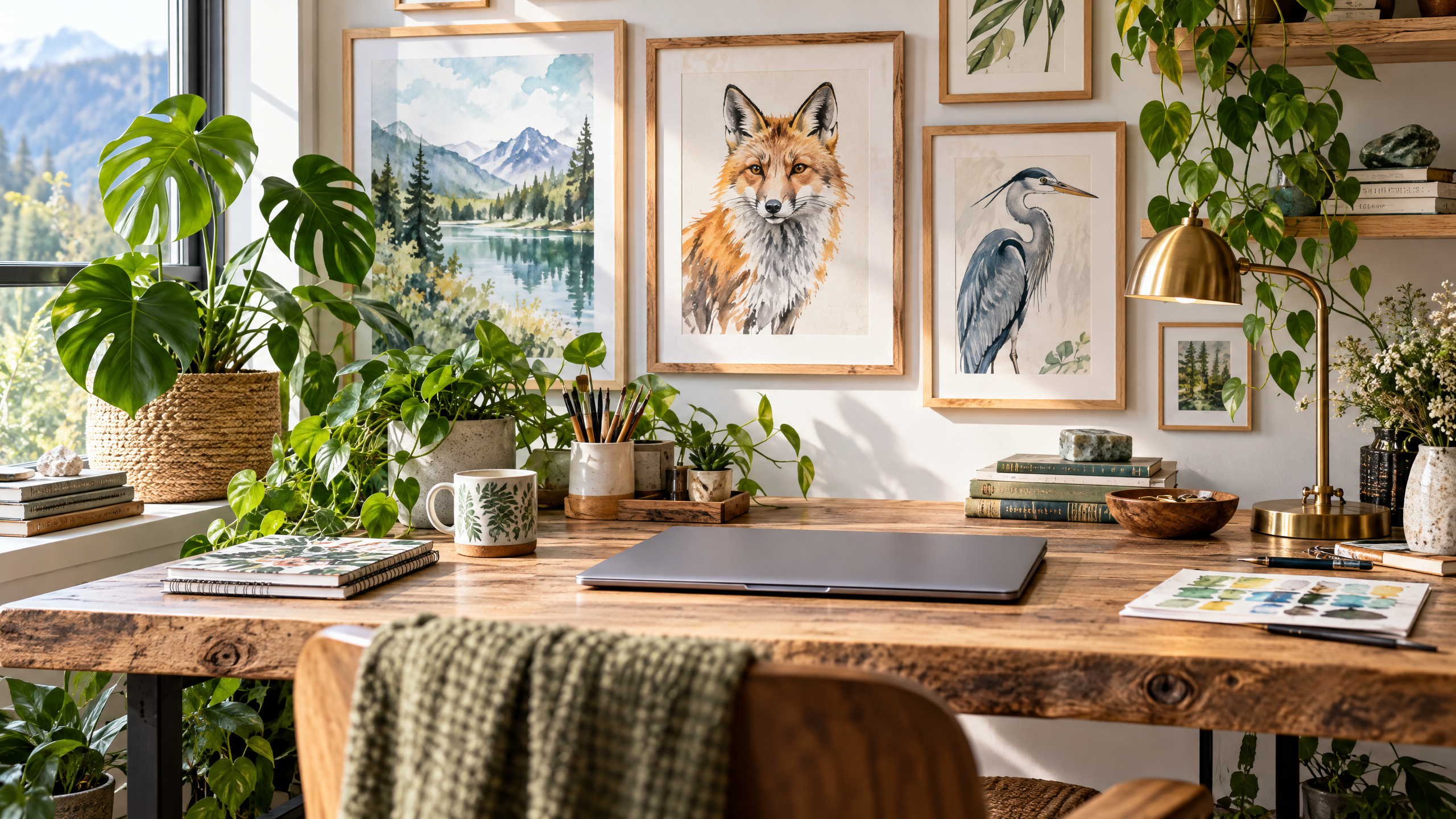
A Nature-Led Creative Workspace for Big Ideas
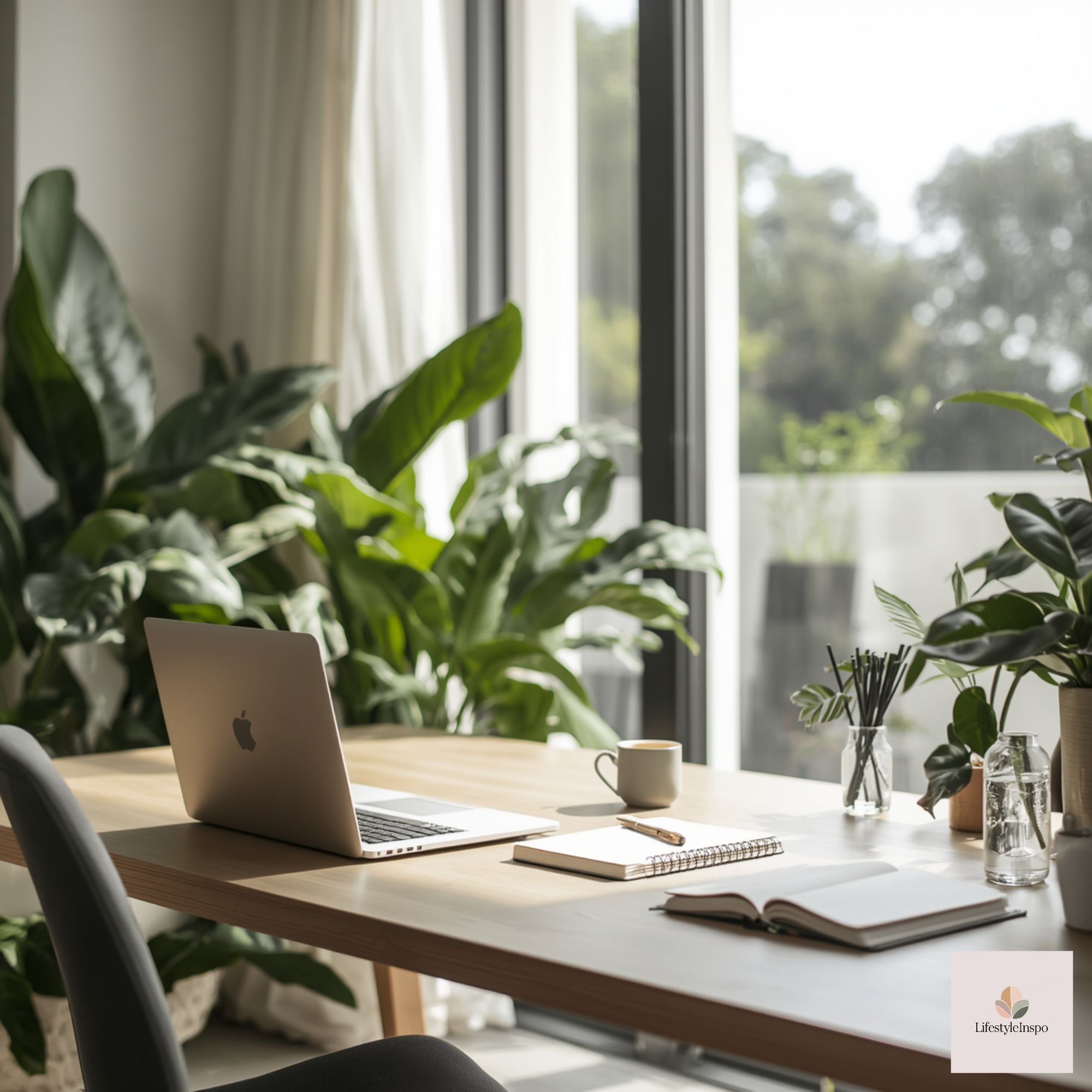
There’s a particular kind of clarity that comes from working in a space that feels alive. When your surroundings borrow textures, colors, and rhythms from the outdoors, your brain relaxes into creativity instead of fighting background noise. This guide is for anyone who wants to bring that feeling into a home office, studio corner, or multi-use apartment desk—without a complete redesign or a bottomless budget. We’ll walk through practical styling steps, creative product pairings, and accessibility- and small-space-friendly tips so you can build a nature-led creative workspace that helps big ideas land.
Why nature inspired office decor matters
Our environments shape how we think. Natural elements—plants, organic shapes, tactile materials, and earthy color palettes—reduce stress and improve focus simply by being present. That doesn’t mean every surface must look like a forest cabin. A carefully curated mix of natural touches can make your workspace feel inviting, energizing, and personal. The goal is a backdrop that supports creativity rather than distracting from it.
Establish the mood with color and texture

Start by defining the emotional palette you want: calm and contemplative, vibrant and playful, or grounded and focused. Color and texture set that tone faster than most decor choices.
- Choose a dominant color inspired by nature. Soft greens, warm terracotta, muted blues, and sandy neutrals work well as base tones. Paint an accent wall, add a large textile, or layer a desk mat.
- Layer textures to add depth. Think woven baskets, linen curtains, a wool throw on a nearby chair, and reclaimed wood shelving. These tactile elements invite touch and slow the pace of your day.
- Use art and backgrounds to amplify the theme. For a playful, curiosity-driven workspace—especially lovely for writers, illustrators, and designers—consider curated background art like Animal Habitats Background Scenes Clipart. These whimsical scenes can be printed and framed to introduce narrative and wonder without overwhelming your desk.
Edit the visual field for focus
Clutter fights creation. A nature-led desk should feel spacious and intentional.
- Adopt the “three-item rule” for the desktop: only keep three items on your work surface that you regularly touch. Let everything else live in drawers or on shelves.
- Keep sightlines low. Open shelving above eye-level invites visual rest while keeping essentials reachable on lower surfaces.
- Create a single focal point. This might be a large botanical print, a grouped gallery, or a standout accessory that anchors your attention and pulls the room together.
Use natural dividers to define zones
If your workspace shares a room with living functions, use natural dividers to create a dedicated mental zone.
- A tall plant or a row of planters on a low shelf delineates a boundary while adding life.
- Open shelving with woven baskets stores supplies and acts as a soft barrier.
- A textured rug under your desk defines your workspace visually and acoustically.
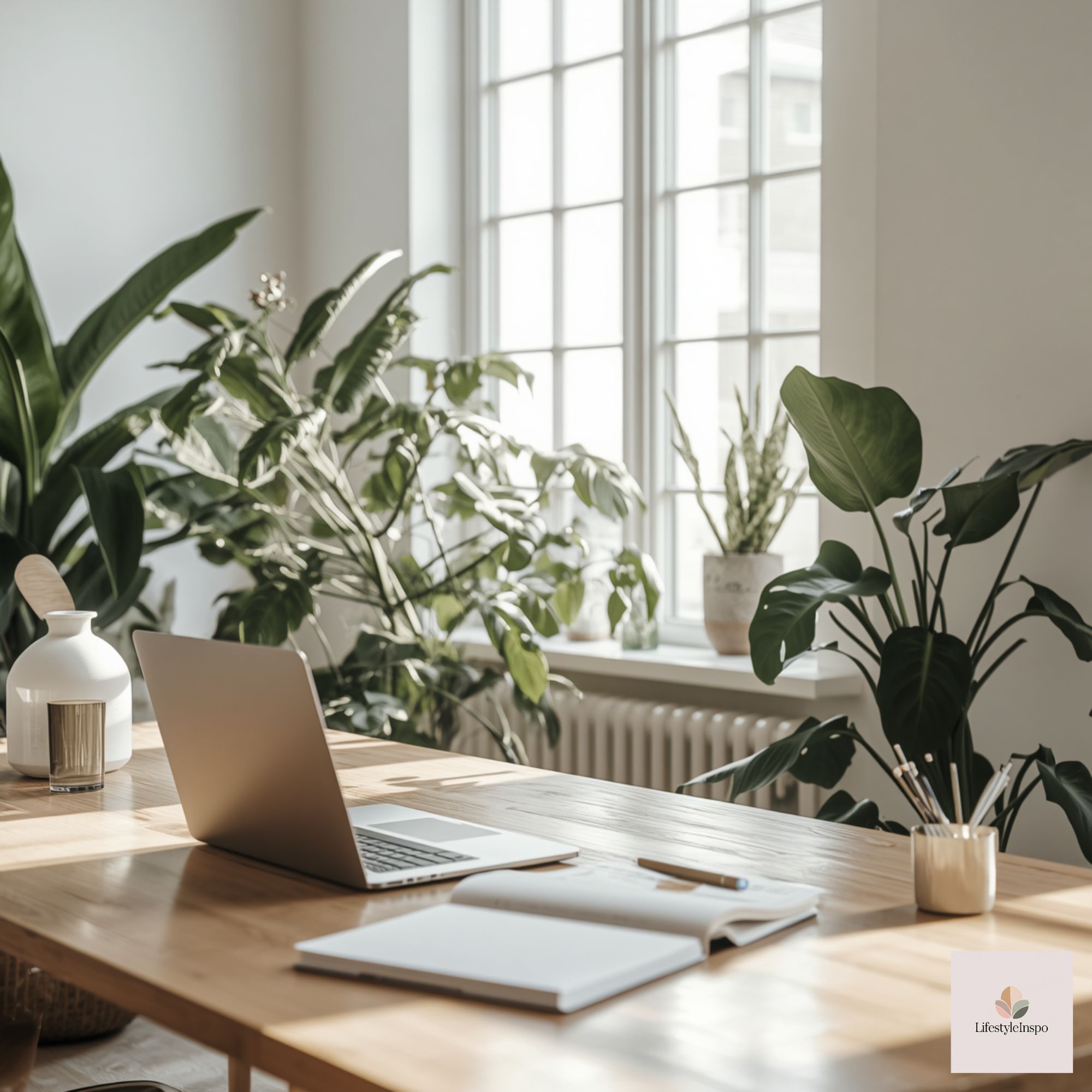
Lighting that mimics the outdoors
Light is the most persuasive natural element. Even if you can’t bring a window to your desk, you can mimic outdoor rhythms.
- Maximize daylight: place your desk near a window if possible. If privacy or glare is a concern, sheer curtains filter light softly.
- Layer artificial lighting: combine a warm task lamp with ambient light to reduce eye strain and create depth. Avoid harsh overhead fluorescents that flatten the scene.
- Consider color temperature: warmer bulbs (2700K–3000K) feel cozier and more natural in evenings, while slightly cooler daylight bulbs (4000K) can be helpful for focused daytime tasks.
Easy DIY nature-infused styling with clipart and watercolor backgrounds
You don’t need to be an art director to create a curated, nature-forward backdrop. Two creative products that integrate seamlessly into a nature-led aesthetic are Animal Habitats Background Scenes Clipart and Bright And Bold Watercolor Backgrounds.

Practical ways to use them:
- Framed story tiles: Print a single animal habitat scene and frame it as a story tile behind your monitor. Pair with a small plant and a naturals-tone desk mat for a layered look that sparks curiosity without clutter.
- Rotating inspiration board: Use a simple clipboard or magnetic strip to rotate watercolor backgrounds as mood boards. A bright wash behind a sketch or quote can change the energy of your space weekly.
- Desk-side gallery: Create a stacked grouping of small frames mixing animal habitat scenes and color-drenched watercolor pieces. The contrast between representational and abstract keeps the eye moving and ideas flowing.
- Tablet or monitor backdrop: Crop a watercolor background or habitat scene to serve as a desktop wallpaper or virtual meeting backdrop when you need a cohesive, professional look that still feels personal.
Bright And Bold Watercolor Backgrounds – Digital Paper Clip Art
Plant selections that actually thrive indoors
Plants are the easiest way to introduce living texture, scent, and air-cleansing energy—but choose varieties that suit your environment and maintenance preferences.
- Low-light, low-maintenance: snake plant, pothos, ZZ plant. These survive missed watering and dim corners.
- Bright, indirect light: fiddle-leaf fig, rubber plant, calathea. These reward attention with lush foliage.
- Tactile interest for small spaces: succulents and air plants. Compact, sculptural, and easy to position around devices and books.
- Consider scent and sensory plants: a small rosemary pot or a lemon verbena brings a subtle scent that can energize some people, though be mindful of sensitivities.
Plant care tips for busy creators
- Group plants together to create a microclimate—this raises humidity and reduces watering frequency.
- Use trays or saucers to protect wood surfaces.
- Rotate plants monthly so every side receives balanced light and grows evenly.
Functional furniture with natural cues
Choose furniture that supports your work style and echoes the natural themes
- Opt for a desk in a wood tone that complements your palette—lighter woods feel Scandinavian and airy; darker woods feel grounded and cozy.
- Select comfortable seating with breathable fabric and lumbar support; a chair with woven or natural-fiber detailing keeps the nature thread consistent.
- Adjustable lighting and sit-stand desks can coexist with a nature-led aesthetic—look for matte finishes and organic shapes rather than industrial chrome if you want visual cohesion.
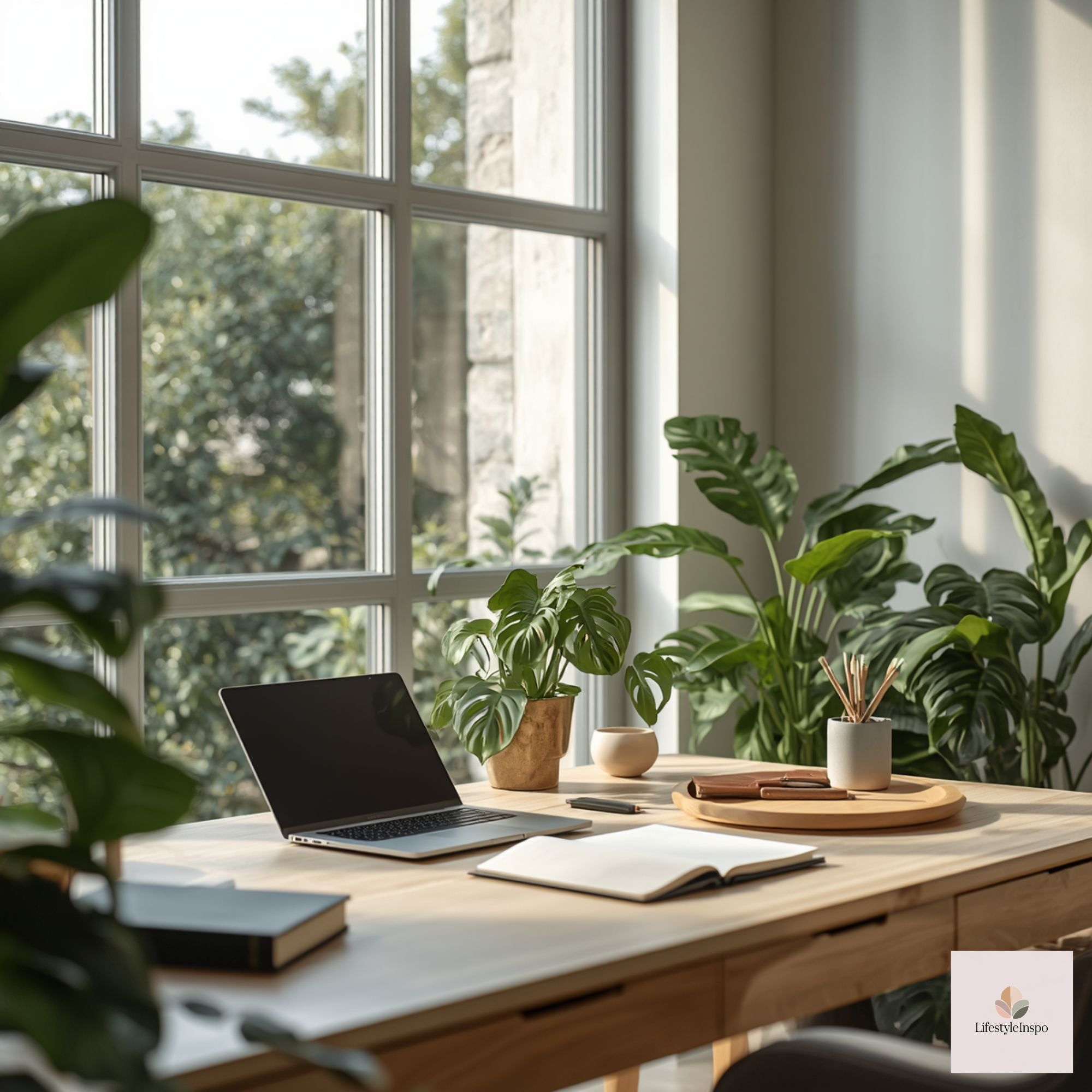
Practical styling steps you can do in an afternoon
Follow this quick, one-day plan to make immediate improvements.
- Declutter (30–45 minutes): Clear everything off your desk. Sort into keep, relocate, donate/trash piles. Only return three daily-use items to the desktop.
- Anchor the space (30 minutes): Position a rug, add a small plant, and set up a lamp to establish mood.
- Arrange art (15–30 minutes): Print and frame one of the Animal Habitats Background Scenes Clipart pieces and one Bright And Bold Watercolor Backgrounds Place them where they’ll balance the sightline—behind the monitor or on an adjacent wall.
- Add two tactile items (15 minutes): A woven basket for supplies and a ceramic cup for pens add texture and function.
- Final edit (15 minutes): Sit at the desk and remove anything that pulls focus. Keep only what supports your task and mood.
Budget-friendly swaps and upgrades
You don’t need high-end pieces to build a cohesive nature-led workspace.
- Budget: thrift a wooden side table for a lamp, print artwork at home (or at a local print shop) and use basic frames, buy plants and simple pots from a garden center rather than designer stores.
- Mid-range: invest in a comfortable ergonomic chair, quality task lamp, and a mid-century style wood desk from an accessible retailer.
- Upgrade: commission customized prints or larger framed pieces; splurge on a statement plant or an artisanal rug that anchors the room.
Small-space and accessibility considerations
A nature-led workspace should be inclusive and practical.
- Small spaces: Use vertical space for plants and storage. Fold-down desks or roll-away cart desks can be styled with natural finishes to blend with the aesthetic.
- Mobility and reachability: Keep frequently used items within easy reach—use floating shelves or pull-out trays. Ensure pathways around the workspace allow for safe movement.
- Sensory needs: If scent or texture is overwhelming, prioritize visual natural cues (art, color, lighting) over living plants or strongly scented botanicals. Adjustable lighting and noise-dampening textiles can make the space more comfortable for neurodiverse needs.
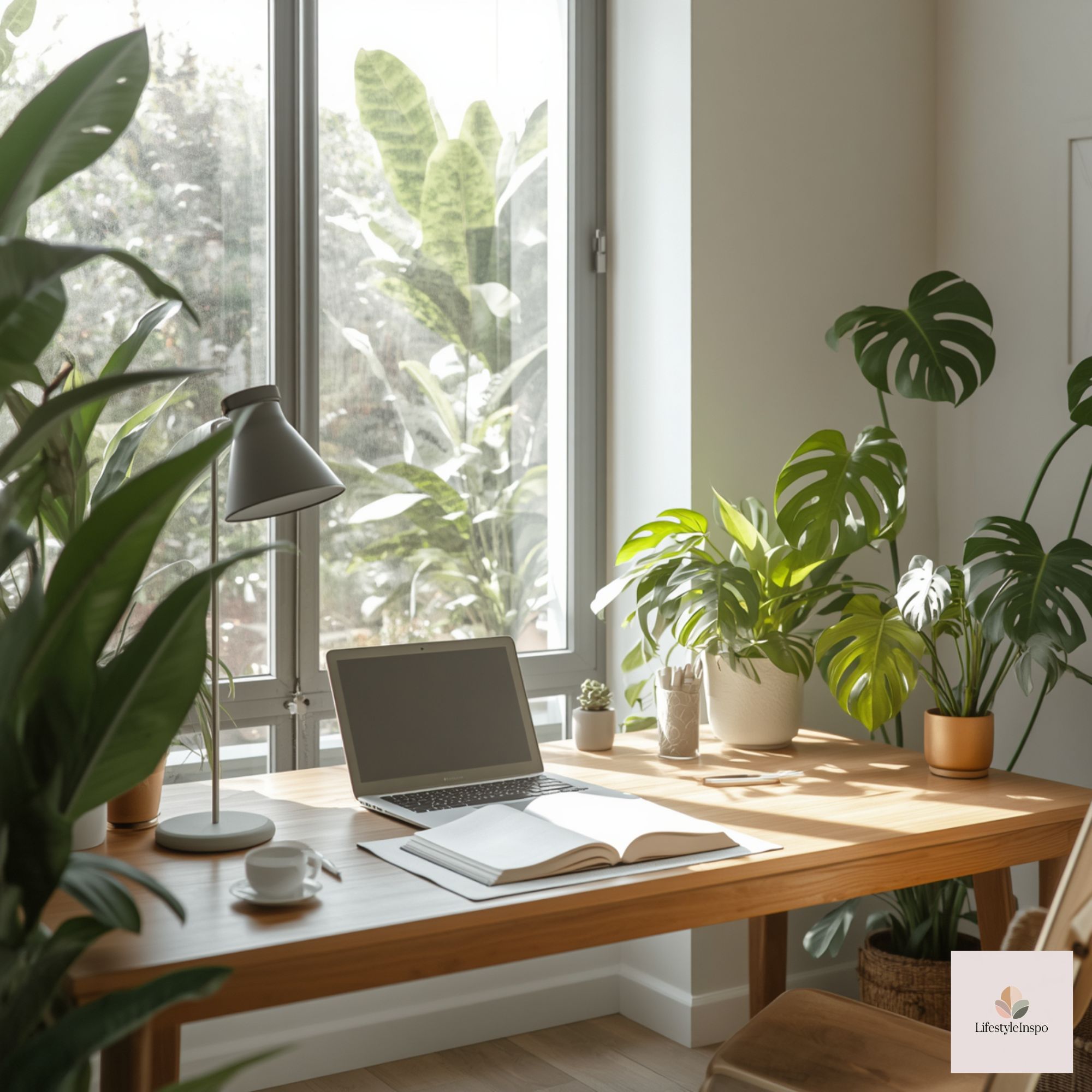
Routine care that keeps creative spaces alive
Design is only half the story—care and rituals sustain the effect.
- Weekly 10-minute tidy: Wipe surfaces, water plants as needed, and reset your three daily-use items.
- Monthly refresh: Rotate a piece of art or swap a watercolor background on your inspiration board to keep the space feeling new.
- Seasonal edits: Swap textiles and palettes to match seasonal light—lighter fabrics in summer, warming textures in winter.
Mixing work and wonder: balance for productivity
A nature-led workspace aims to support focused work and imaginative leaps. Use these behavioral tweaks to keep the balance:
- Time-box creative sessions away from screens to engage with tactile inputs—sketch on paper while a plant-scented candle (if appropriate) burns nearby.
- Create a “transition ritual” to enter work mode: brew a specific tea, place a small stone or wooden token on your desk, or start a 5-minute sitting practice by the plants.
- Use natural cues to signal breaks: stand and water a plant after 90-minute work blocks or step outside to match your indoor light to outdoor rhythms.
Ready to build a workspace that feels like a breath of fresh air? Start small—print one of theAnimal Habitats Background Scenes Clipart pieces and a Bright And Bold Watercolor Backgrounds sheet, frame them, and place them where you’ll see them every day. Little visual shifts can change your thinking.
About the Author