How to Style Oversized Clothes: 9 Rules That Always Work
The line between “effortlessly cool” and “I gave up” is thinner than anyone wants to admit — and nowhere is it thinner than in oversized dressing. An oversized sweatshirt and baggy jeans can look like a deliberate, extremely stylish outfit on one person and like a laundry-day situation on another. The difference isn’t luck or genetics. It’s five or six specific styling principles that, once you know them, you can apply every single time.
Here’s how to style oversized clothes so the look always reads as chosen, not accidental.
Why Oversized Fashion Is Still Dominant in 2026
Oversized silhouettes have been trending for several years now, and the reason they haven’t peaked is simple: they’re genuinely comfortable, and modern women refuse to go back to clothing that hurts. But comfort-first fashion has matured. The early “everything oversized, all at once” phase is over. What’s replaced it is something more intentional — oversized as a style choice, not just a comfort default.
In 2026, the key distinction is volume control: knowing which part of your outfit gets to be oversized, how much, and what keeps the look from losing its shape entirely. Master that, and you can wear oversized pieces in virtually any context — from a casual Saturday to a creative office to a dinner out.
Rule 1: One Oversized Piece Per Outfit
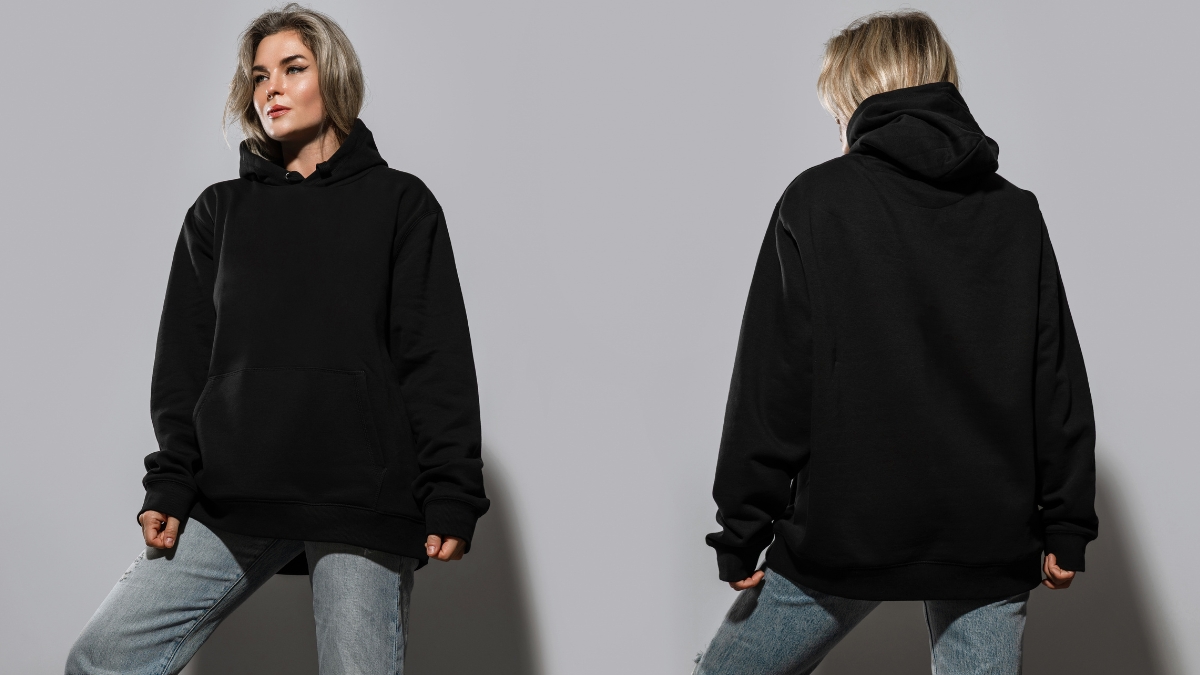
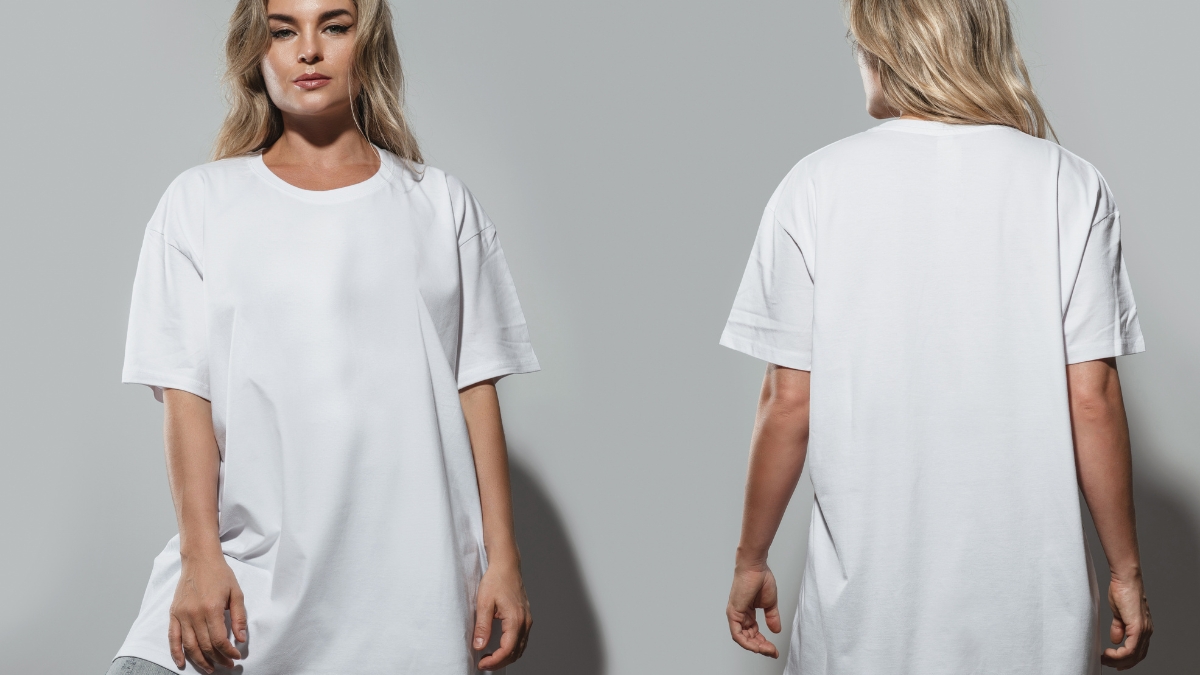
This is the golden rule, and it solves more styling problems than any other single principle. If your top is oversized, your bottoms should be fitted (or at least straight and structured). If your trousers are wide and relaxed, your top should be more fitted.
The math here is simple: the more volume you add, the more your silhouette disappears. One oversized piece per outfit keeps your body visible and your look intentional. Two oversized pieces requires real skill to balance — and three is almost always too much.
What this looks like in practice:
- Oversized sweatshirt + straight-leg or slim-fit trousers ✓
- Oversized blazer + fitted bike shorts or straight jeans ✓
- Wide-leg linen trousers + a fitted tee or cropped knit ✓
- Oversized sweatshirt + oversized jeans = ✗ (unless you’re extremely deliberate about proportion and have a clear visual anchor — see Rule 4)
Rule 2: The Tuck (Full, Half, or French)
The tuck is the single most transformative styling move in oversized dressing. It creates waist definition where the garment doesn’t provide it, and it signals intention — nothing says “I didn’t think about this outfit” like an untucked oversized shirt with oversized jeans.
There are three tuck variations:
Full tuck: The entire front hem is tucked in. Clean, polished, works with trousers and skirts. Best with slightly structured bottoms.
Half tuck (front tuck): Just the front portion of the hem is loosely tucked in — the sides and back remain free. The more casual, relaxed version. Works beautifully with wide-leg trousers or denim.
French tuck: A half-tuck specifically popular with longer tees and shirts. Pull just a small section of the front hem in, letting the rest flow freely. It looks accidental but takes thirty seconds and completely changes an outfit.
Any of these three moves takes an oversized top from “I just grabbed this” to “I styled this.”
Rule 3: Choose Your Fabric Deliberately
Not all oversized is equal. An oversized silk blouse drapes differently than an oversized heavyweight cotton tee — and that difference matters enormously for how the final look reads.
Structured fabrics (linen, denim, cotton canvas, blazer fabric) hold their shape even when oversized, which keeps the silhouette clean. These are easier to work with and generally more forgiving.
Drapey fabrics (viscose, silk, jersey) flow and move beautifully but require more attention to proportion because they lose shape more easily. They’re best when the rest of the outfit is clean and controlled.
Thick, cosy fabrics (fleece, heavy cotton, sweatshirt material) add significant visual volume — which is why an oversized hoodie with wide-leg jeans can easily tip into shapeless territory. Counter this with fitted or clearly structured bottoms and defined shoes.
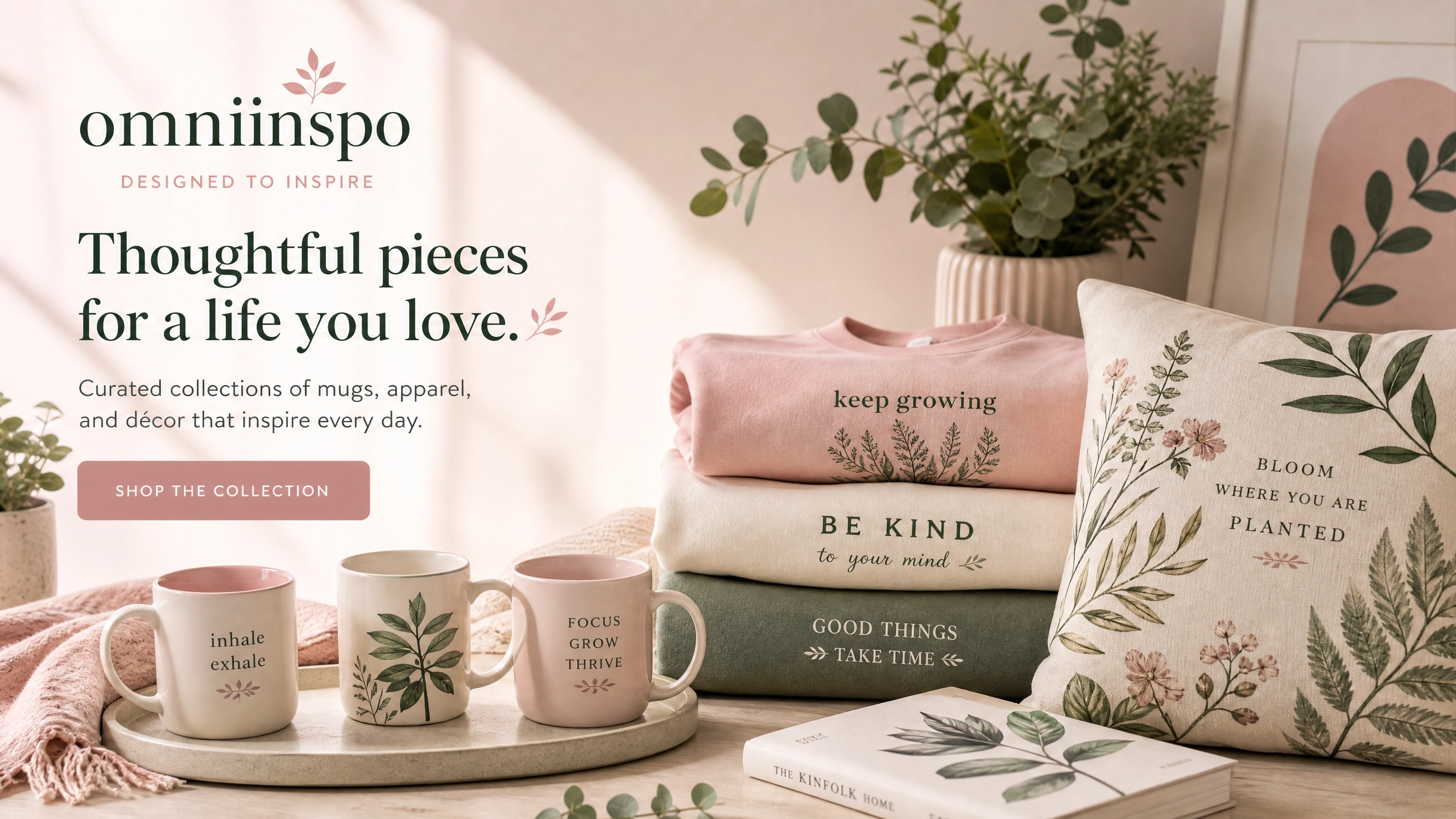
Speaking of beautiful oversized sweatshirt fabrics: the botanical and nature-inspired sweatshirts from omniinspo are a great example of oversized done intentionally — the design does enough visual work that the oversized silhouette reads as deliberate rather than lazy. Pair with straight-leg jeans or a midi skirt and half-tuck for an easy, complete outfit.
→ Shop it: omniinspo oversized sweatshirts — styled, not slouchy
Rule 4: Use a Belt as a Visual Anchor
When you want to wear two relaxed pieces together — a long oversized top with wide-leg trousers, for example — a belt is the tool that makes it work. Cinching at the waist gives the eye a reference point, breaks up the volume, and creates the silhouette that the clothing itself isn’t providing.
A thin leather belt over an oversized shirt-dress transforms it from a shapeless potato sack to an intentional, waist-forward look. A wide fabric belt over a long blazer with wide-leg trousers creates a fashion-forward silhouette. The belt does the structural work so the oversized pieces get to stay oversized.
Rule 5: Shoes Change Everything
If there’s one variable that most determines whether an oversized outfit looks “effortlessly cool” versus “didn’t bother,” it’s the shoes. And the principle is counterintuitive to most people: oversized clothes need shoes with presence.
A pair of oversized joggers with tiny flip-flops disappears into visual noise. The same joggers with chunky white sneakers, pointed-toe loafers, or block-heel ankle boots suddenly look considered and complete.
Shoes that work best with oversized silhouettes:
- Chunky sneakers — add weight to the bottom half, create visual balance
- Pointed-toe loafers or flats — the structure and sharpness of the pointed toe contrasts with the looseness above, creating intentional tension
- Ankle boots (block heel or flat) — add definition at the ankle, which grounds the oversized silhouette
- Strappy heeled sandals — the delicacy of a strappy heel with a big, relaxed top or trouser is one of fashion’s most reliable high-contrast pairings
Shoes that undercut an oversized look:
- Flat, round-toed flats (tend to disappear beneath volume)
- Flip-flops or pool slides (unless the whole outfit is intentionally beachy)
- Very delicate, low-profile flats with heavy oversized pieces (the proportions don’t balance)
Rule 6: Add One Sharp Element
An oversized outfit needs at least one “sharp” element — something with structure, definition, or precision — to prevent the look from reading as entirely shapeless. This sharp element could be:
- Tailored or structured bottoms — straight-leg jeans, wide-leg trousers with a clean crease, a leather mini skirt
- Defined shoes — pointed-toe, structured, or with real visual weight
- Structured jewellery — geometric earrings, a cuff bracelet, layered chains
- A clean, structured bag — a mini bag or structured tote against a voluminous outfit creates a deliberate contrast
The sharp element tells the eye: this is intentional. Without it, the oversized pieces have nothing to play against.
Rule 7: Let the Design Do the Work
One of the least-discussed advantages of oversized graphic tees and sweatshirts is that when the design is strong — a beautiful botanical print, an abstract pattern, an affirming visual — the oversized silhouette becomes a canvas rather than a problem. The design creates visual interest that draws the eye and establishes intention, regardless of how relaxed the fit is.
This is why a plain oversized grey sweatshirt can look sloppy while an expressive print sweatshirt from omniinspo in the same cut looks curated. The design signals that a real person made real choices here.
The formula: Beautiful graphic tee or sweatshirt + well-fitting straight jeans or tailored trousers + structured shoes = a complete, intentional oversized outfit that requires no further explanation.
We’re loving right now:
- omniinspo botanical-print tees — natural-inspired designs that anchor an oversized silhouette with genuine visual personality

Rule 8: Proportion Is Everything — Learn Yours
The “one oversized piece” rule is the principle; proportion is the practice. And proportion isn’t one-size-fits-all.
If you’re petite, an oversized top generally works best when you can see some of your lower half — meaning your bottoms should be visible below the hem (try cropped straight jeans or a mini skirt underneath). Very long oversized pieces can overwhelm a petite frame unless you use the tuck aggressively or add defined shoes with height.
If you’re tall, you have more flexibility with length — longer oversized pieces work beautifully on you where they might not on someone shorter. You can also manage more overall volume without losing your silhouette.
If you’re curvy, the most flattering oversized approach is usually a structured oversized piece (blazer or linen shirt) with well-fitting bottoms, rather than an oversized soft piece on top with volume below.
None of these are rules you must follow — but understanding how proportion works for your specific frame means you can break them intentionally rather than by accident.
Rule 9: When in Doubt, Do Less
The final principle: oversized dressing gets more powerful the more restrained the rest of the outfit is. One oversized piece, with everything else clean and simple, is almost always more impressive than multiple oversized pieces with lots of layered accessories.
Restraint is what makes the oversized element look deliberate. Trust the piece enough to let it stand on its own.
A Quick-Reference Oversized Outfit Formula
When you’re standing in front of your closet and not sure what to do, here’s the formula that works every time:
One oversized piece + one fitted or structured piece + defined shoes + tuck or belt as needed
That’s it. Apply it to literally any oversized item in your wardrobe and you’ll have a starting point that works.
Final Thoughts
Knowing how to style oversized clothes isn’t a mystery — it’s a handful of principles you apply consistently. Volume control, the tuck, the right shoes, one sharp element, and a beautiful piece that has enough visual personality to carry an oversized silhouette. Put those together and oversized dressing stops being a gamble and starts being one of the easiest, most comfortable style signatures you can build.
Looking for an oversized piece with real personality? Explore omniinspo’s botanical prints and nature-inspired designs at shop.omnimart24h.com — because the best oversized pieces give you something to say.

This post contains affiliate links. We may earn a small commission at no extra cost to you.
About the Author