How to Layer Clothes for Fall Without Looking Bulky
Layering is the heart of fall dressing. Mornings start crisp, afternoons turn warm, evenings cool off again, and the only way to stay comfortable through all of it is to wear clothes you can add and remove. Done well, layering also makes your outfits look richer and more interesting. Done poorly, it can leave you feeling like a marshmallow in a coat.
The difference between the two outcomes is not about owning expensive clothes. It’s about understanding a few simple principles: which fabrics to put where, how to balance proportions, and how to use color to keep the whole look streamlined. Once you get the hang of it, layering becomes second nature, and you’ll find yourself getting dressed faster and with more confidence.
In this guide, we’ll break down how to layer clothes for fall step by step. You’ll find easy outfit formulas, advice on choosing the right pieces, common mistakes to avoid, and a few handy tricks to stay warm without adding bulk.
Why Layering Works
Layering does three things at once:
- It traps warm air. Several thin layers keep you warmer than one thick layer because pockets of air between them act as insulation.
- It gives you flexibility. You can remove a layer when it warms up, and put it back when the temperature drops.
- It adds visual interest. Different textures, lengths, and colors create depth and make outfits look intentional.
The Four-Layer System
A simple way to think about fall layering is to divide your outfit into four parts.
Layer 1: The Base
This is the layer closest to your skin. It should be thin, soft, and fitted. Good options include a long sleeve bodysuit, a fitted tee, or a thin thermal top. The goal is comfort and a smooth foundation, not bulk.
Layer 2: The Middle
This is where the cozy comes in. A turtleneck sweater, a knit, a flannel shirt, or a hoodie adds warmth and style. Choose a medium thickness that lets you add another layer on top.
Layer 3: The Insulator or Statement Layer
This layer provides extra warmth and personality. Think chunky knit cardigans, plaid flannel shackets, or quilted puffer vests. This is often the most visible layer, so it’s a great place for color and texture.
Layer 4: The Outer Shell
The final layer protects you from wind and rain. A camel trench coat, a sherpa fleece jacket, or a heavier winter coat all work. Choose a shell that fits comfortably over your other layers without feeling tight.
You won’t always need all four layers. On mild days, you might skip the shell. On very cold days, you’ll want all four.
The Golden Rules of Layering Without Bulk
Go from thin to thick. Put the thinnest, most fitted pieces closest to your body, and the thickest, roomiest pieces on the outside.
Keep one layer fitted. If your top layers are voluminous, wear something slim underneath. If your outer layer is oversized, keep the bottoms fitted.
Vary the lengths. Letting a hem peek out from beneath another layer creates dimension. For example, let a long shirt show beneath a shorter sweater.
Choose breathable fabrics. Wool, cotton, and soft knits breathe better than stiff synthetics, which can trap sweat.
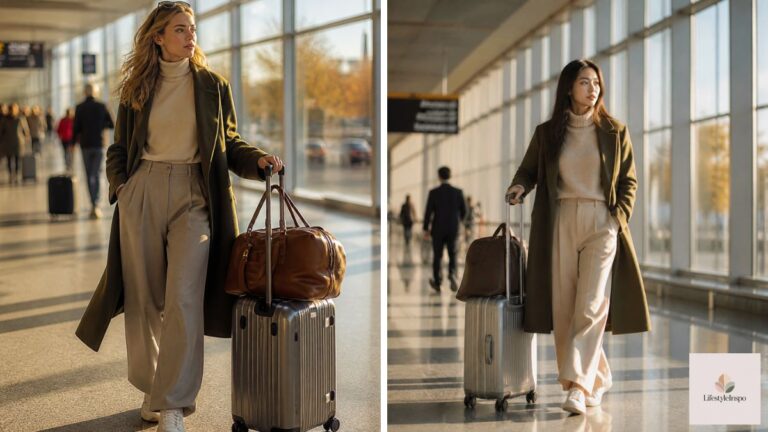
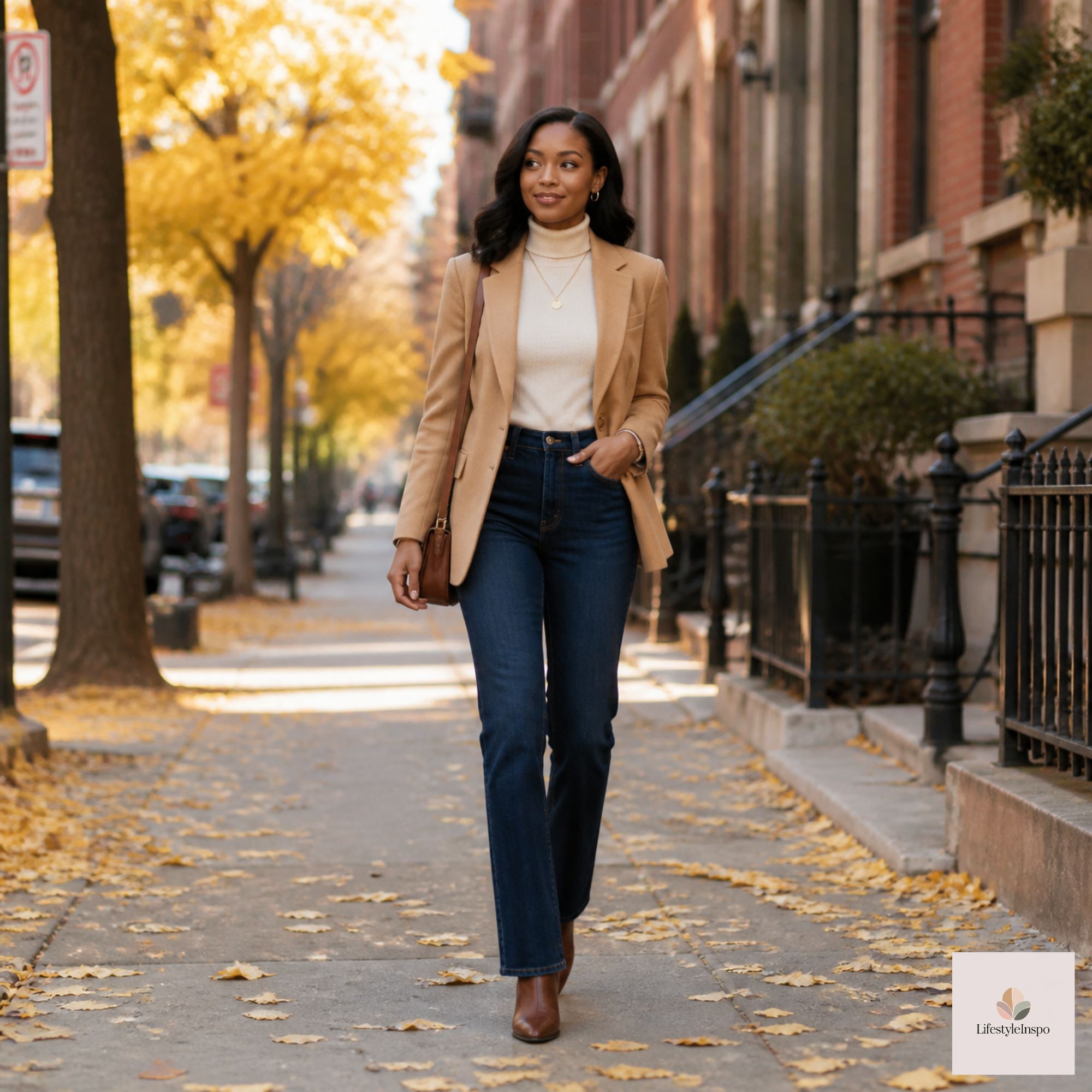
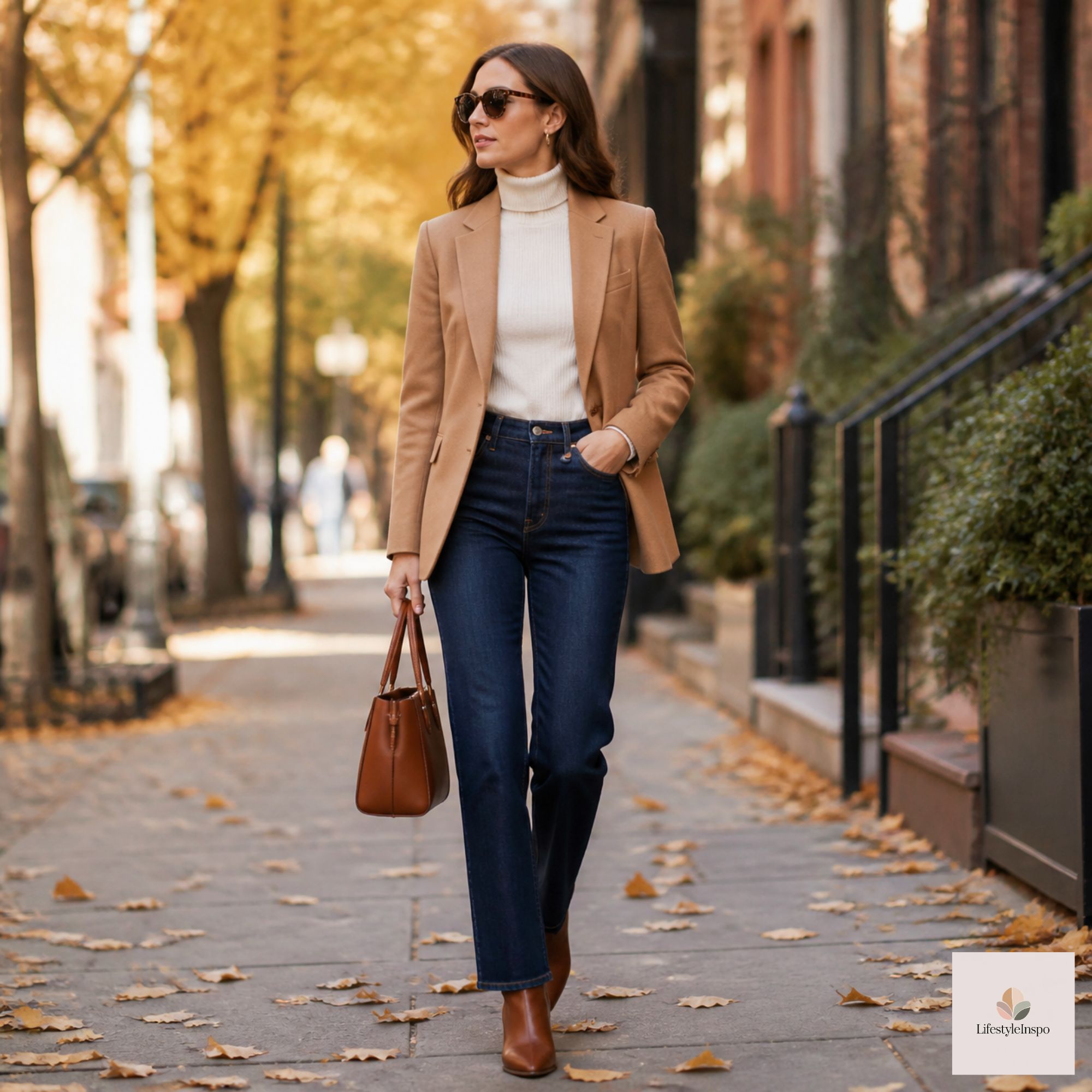
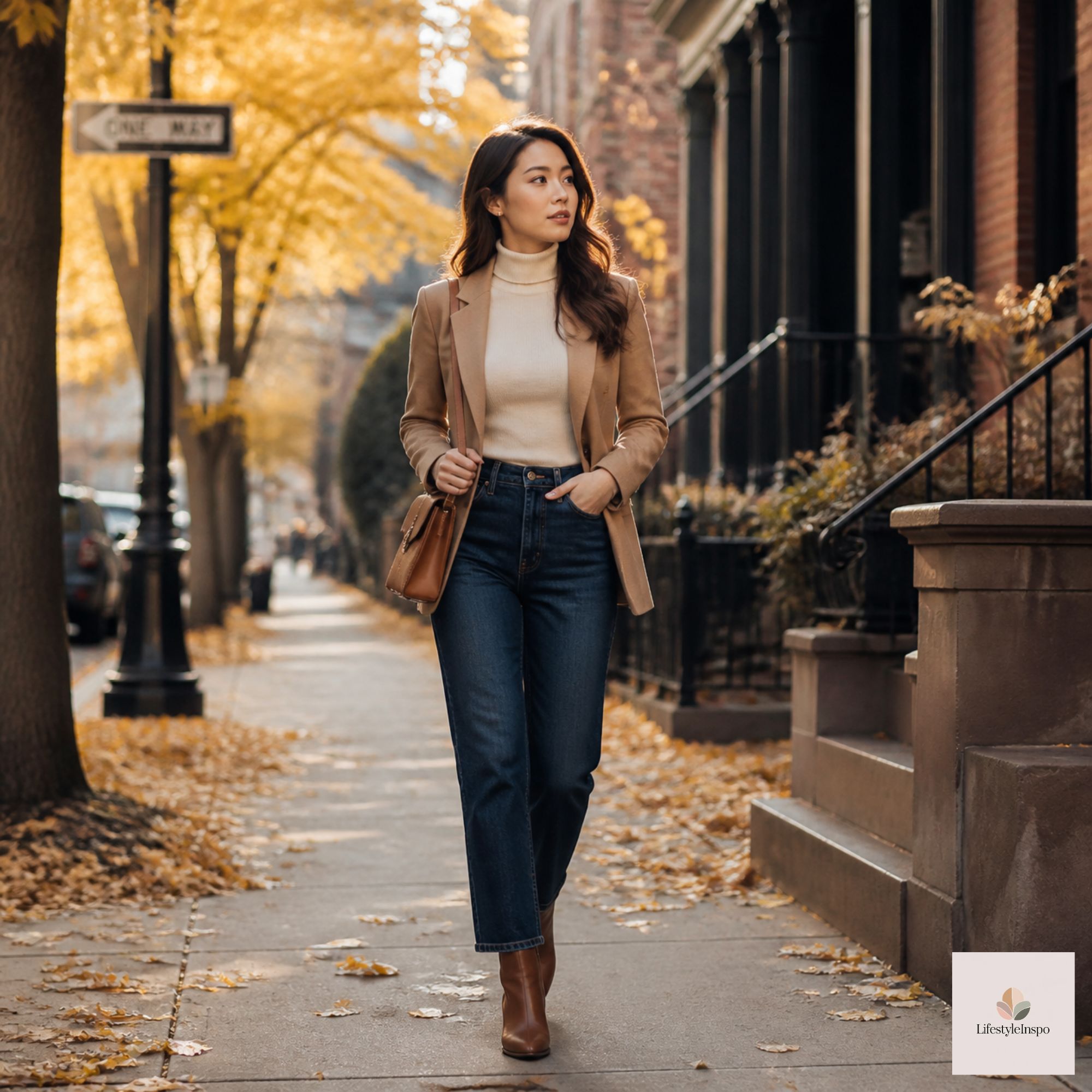
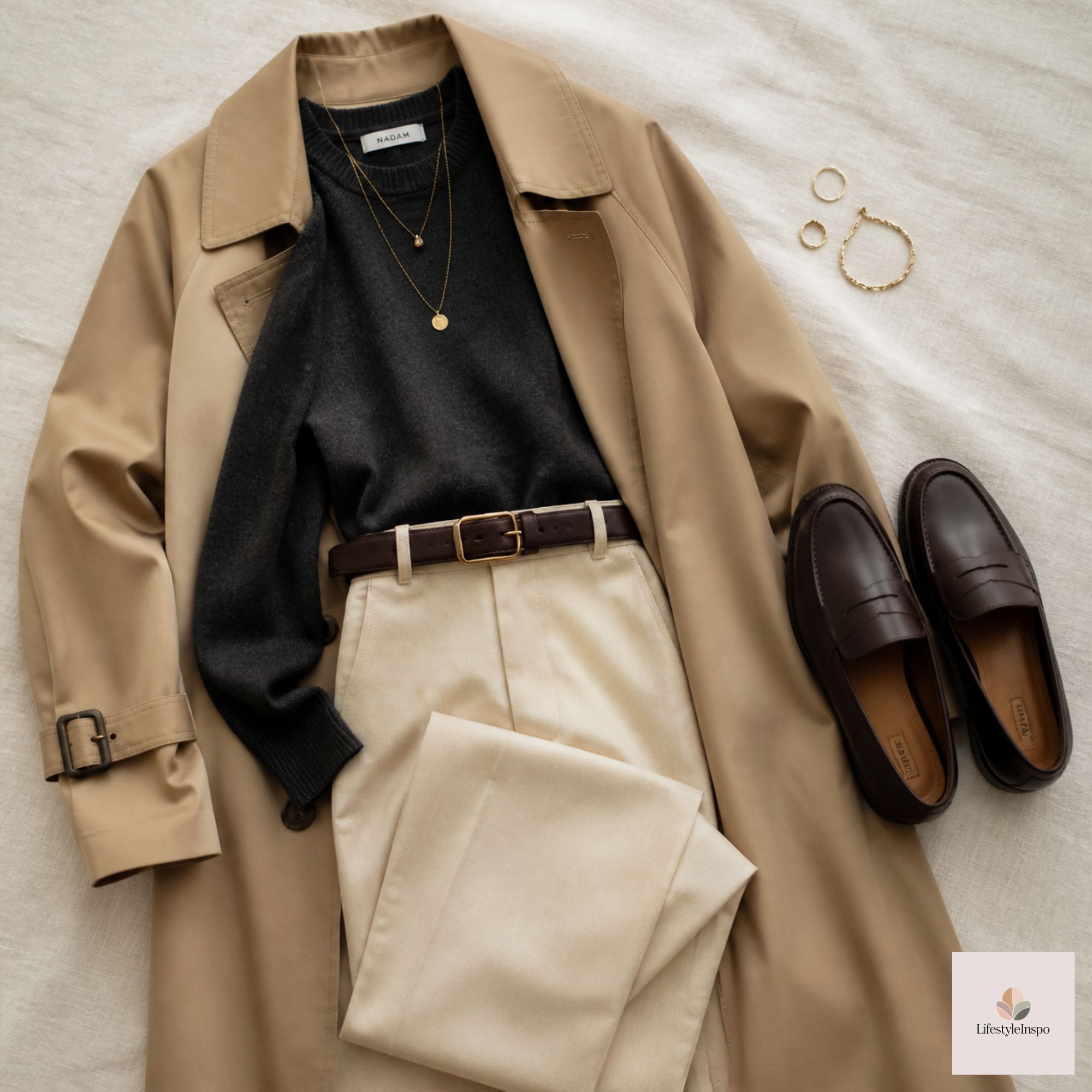
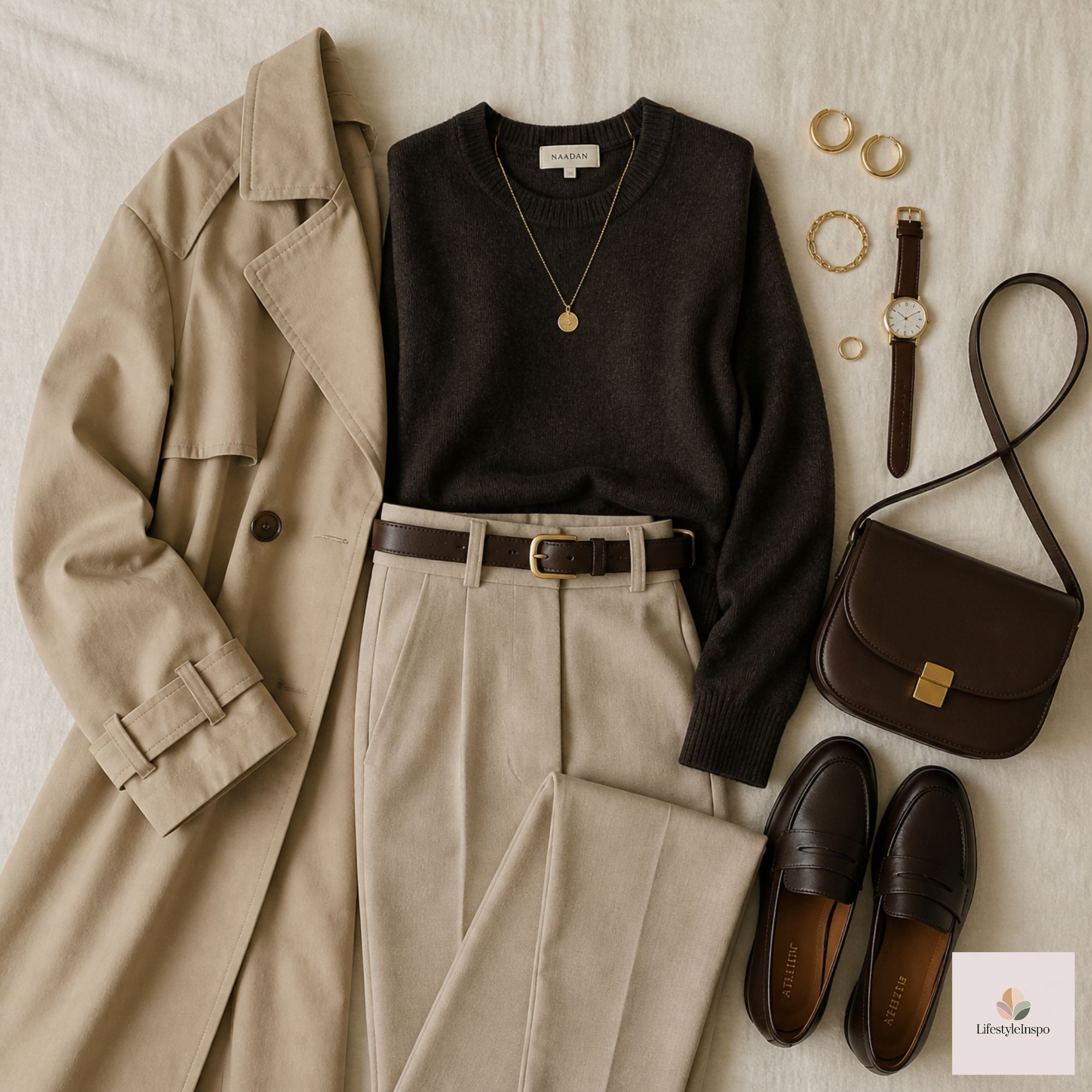
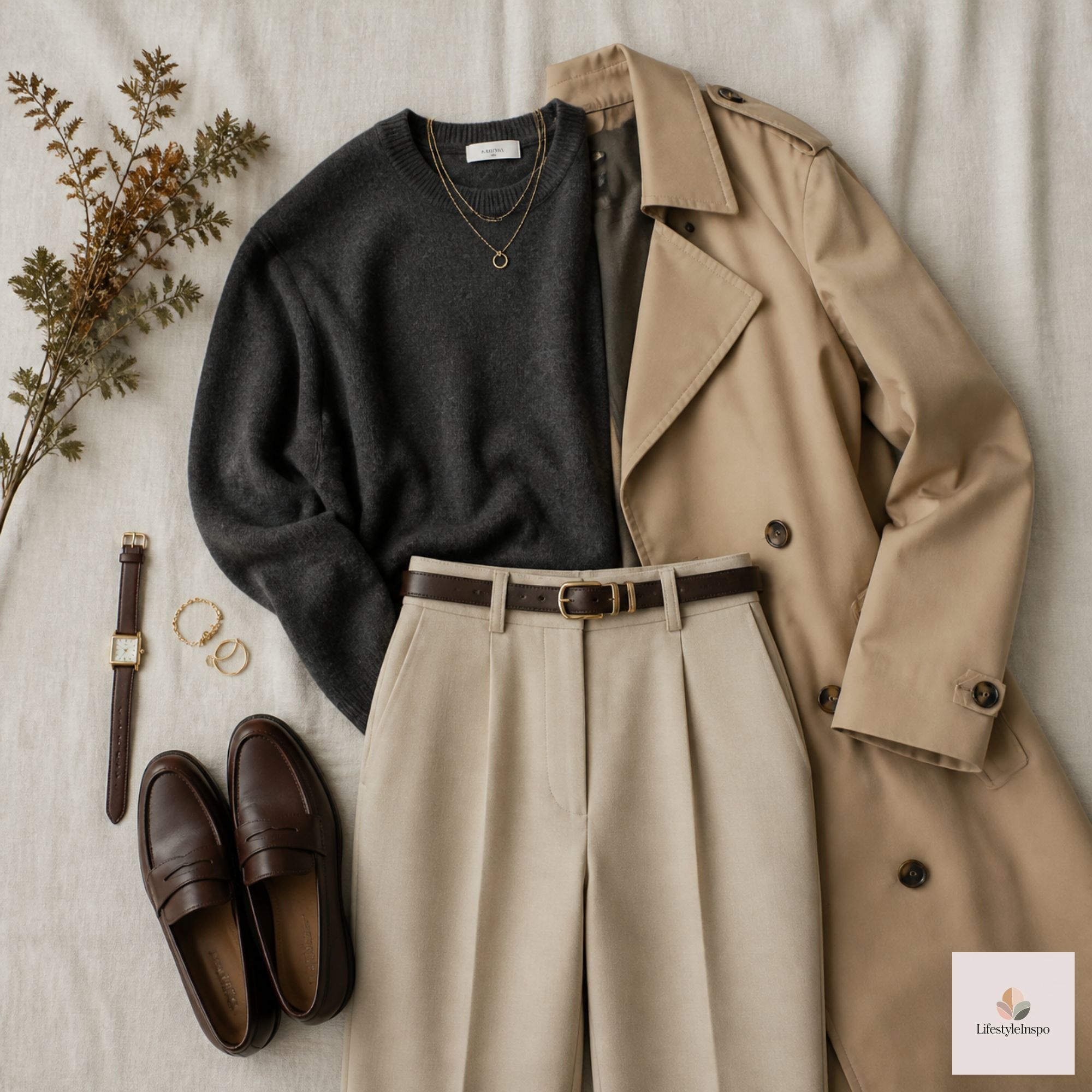
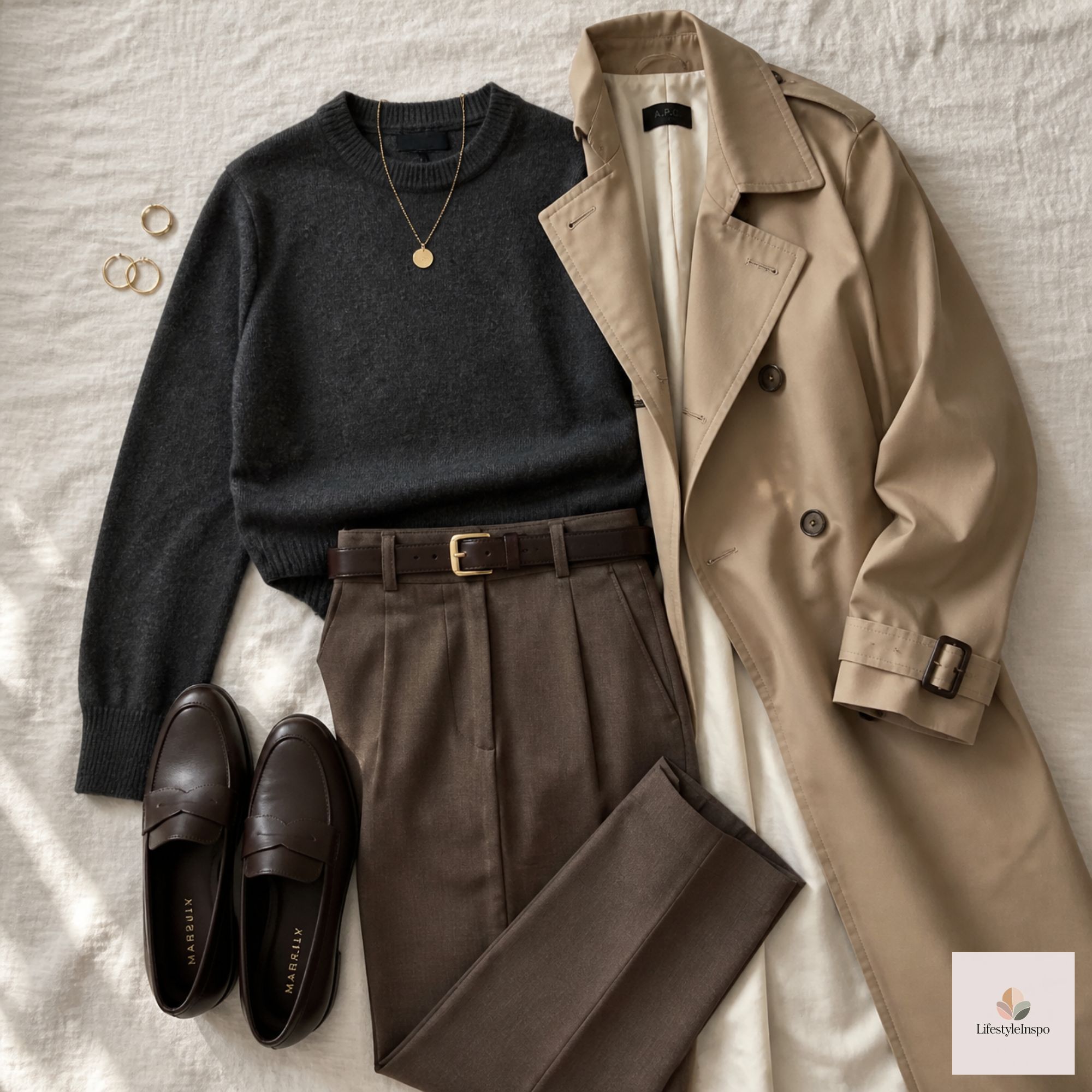
Stay in a color family. Layering similar colors (such as cream, camel, and brown) keeps the outfit cohesive and visually slimmer.
Choose one statement piece. If your cardigan is chunky and colorful, keep the other layers simple.
8 Layering Outfit Formulas to Try
1. Bodysuit + Cardigan + Trench
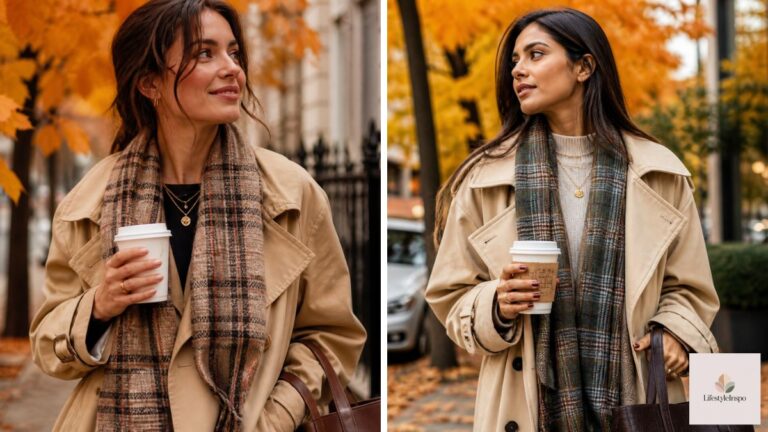
Wear a fitted bodysuit, a medium-weight cardigan, and a trench coat with jeans or trousers. It’s polished, comfortable, and easy to adjust. Add Chelsea ankle boots and a scarf.
2. Turtleneck + Puffer Vest + Jeans
A thin turtleneck keeps your neck warm, and a puffer vest warms your core without bulky sleeves. Add wide-leg corduroy pants instead of jeans for a textured spin.
3. Tee + Shacket + Vest
Put a plaid shacket over a simple tee, and add a puffer vest on top for very cold days. This is a casual, outdoorsy combination that works for pumpkin patches and bonfires.
4. Sweater Dress + Turtleneck + Tights
Wear a thin turtleneck under a sleeveless sweater dress, with opaque tights and knee-high boots. Top with a coat when you head out.
5. Thermal Top + Graphic Sweatshirt + Sherpa Jacket
For truly cold days, start with a thermal base, add a fall graphic sweatshirt, and finish with a sherpa jacket. This is soft, warm, and perfect for casual outings with fleece lined leggings.
6. Bodysuit + Leather Skirt + Cardigan
Layer a cardigan over a bodysuit with a faux leather midi skirt. The fitted base keeps things sleek, and the cardigan adds warmth and softness.
7. Long Sleeve Tee + Flannel + Beanie
Pair a basic long sleeve with a flannel shirt (or shacket) and jeans. Add a slouchy knit beanie and boots for a laid-back look.
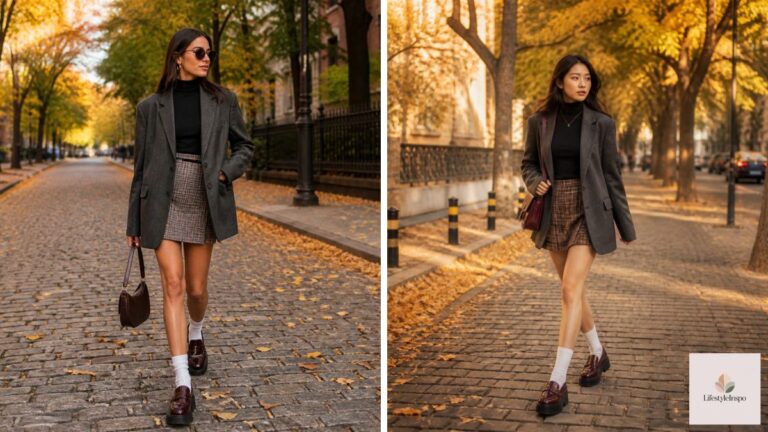
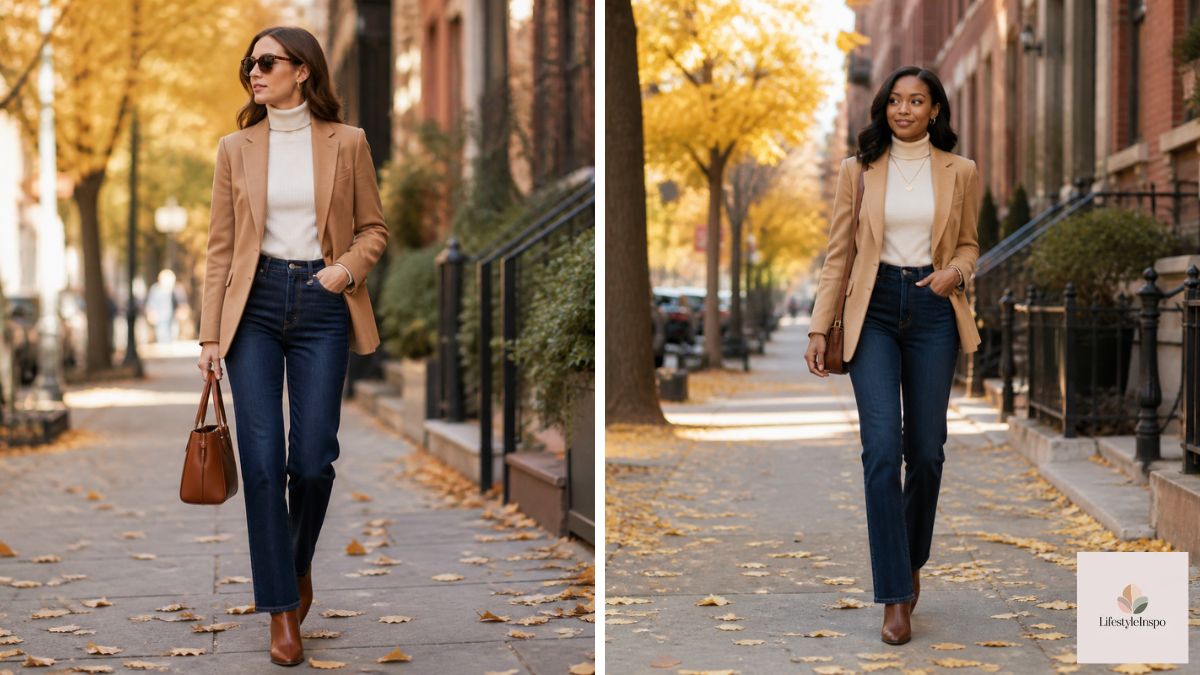
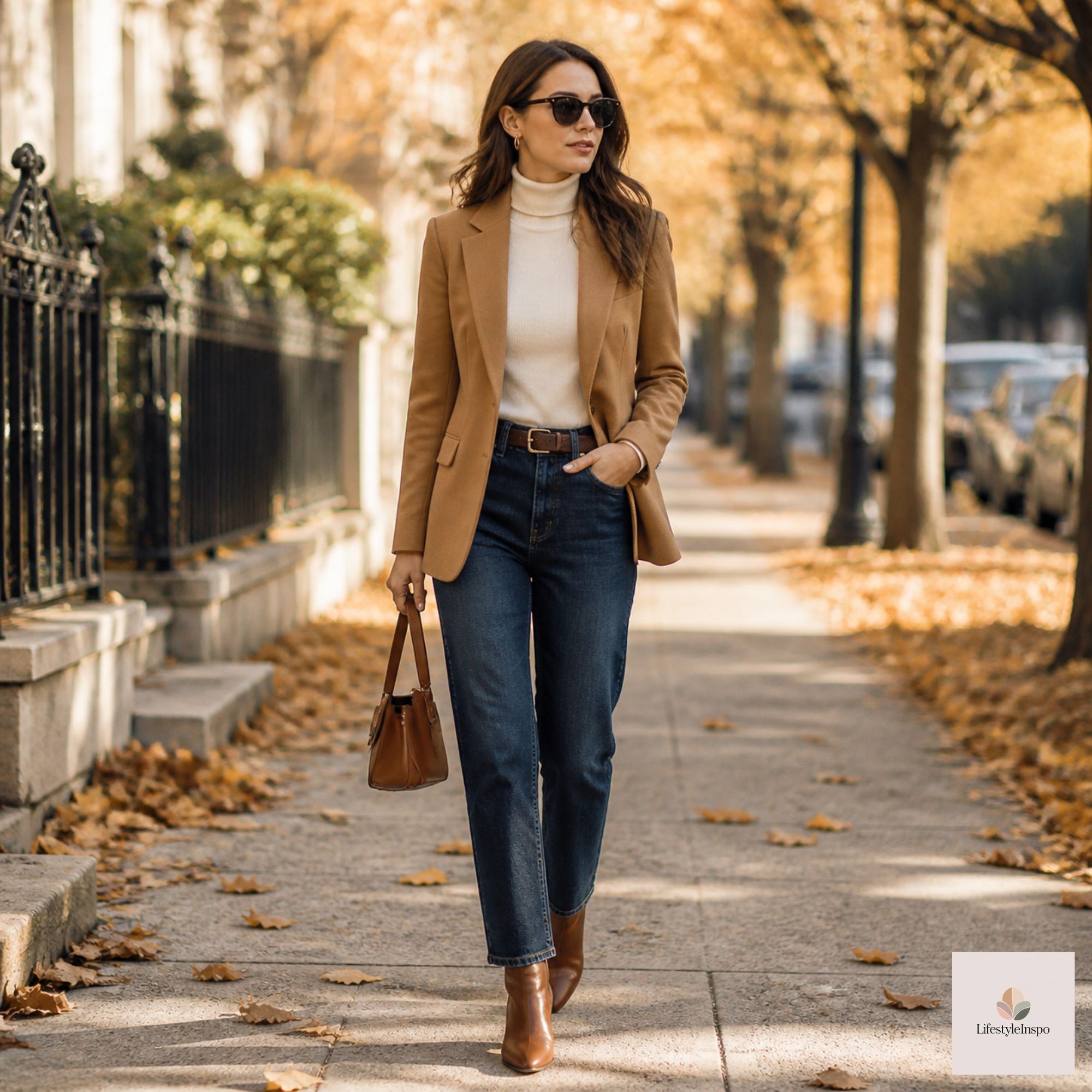
8. Fitted Knit + Blazer + Coat
For the office, wear a fine knit under a tailored blazer, then add a trench or wool coat. Make sure the blazer’s sleeves aren’t too snug so the coat slides on easily.
Layering Pieces Worth Owning
If you’re building a layering wardrobe, these pieces offer the most versatility:
- Fitted bodysuits or tees for a smooth base layer.
- Thin turtlenecks in neutral colors.
- Cardigans in a medium or chunky knit.
- Puffer vests for lightweight warmth.
- Shackets or flannel shirts for texture.
- A classic coat such as a trench.
- Accessories like a plaid blanket scarf and touchscreen gloves, which add warmth without bulk to your torso.
How to Choose Fabrics for Layering
Base layers: Look for soft, stretchy cotton blends or thin knits. Avoid thick or scratchy fabrics next to your skin.
Mid layers: Wool blends, cotton knits, and fleece provide insulation without feeling heavy.
Outer layers: Choose fabrics that block wind. Structured cotton, wool, and quilted materials are good options.
Always read the fabric details on the product page, and keep in mind that blends can feel very different from one brand to another.
Layering for Different Body Types and Preferences
Layering is flexible, so adapt it to your comfort and style:
- If you run warm, choose thinner layers and rely on easily removable pieces like vests and cardigans.
- If you run cold, add a thermal base and choose thicker knits.
- If you’re petite, keep layers slim and avoid overly long coats that overwhelm your frame.
- If you’re tall, you can experiment with longer coats and oversized layers.
- If you prefer a streamlined look, stick to a monochrome palette and fitted base layers.
- If you love volume, balance it by wearing fitted bottoms and shoes with some structure.
Common Layering Mistakes
Too many thick layers. Stacking multiple chunky items makes you look bulky and restricts movement.
Mismatched lengths. Hems that sit at awkward points can look unbalanced. Aim for deliberate, varied lengths.
Ignoring sleeves. Bulky sleeves under a fitted coat can bunch up. Choose slimmer sleeves for inner layers.
Neglecting color. Too many competing colors can look chaotic. Stick to a palette.
Forgetting about comfort. If you can’t lift your arms or sit comfortably, a layer is too tight.
Skipping accessories. A scarf, hat, or gloves can make a big difference in warmth.
Smart Tricks for Layering
- Tuck the thin layer, leave the thick layer out. Tucking your base layer and letting your sweater hang loose makes a balanced silhouette.
- Roll your sleeves. Pushing sleeves up creates dimension and shows off the layer beneath.
- Use a belt. Cinching a belt over a cardigan or coat defines your waist.
- Try a long scarf. A scarf adds warmth without bulk to your torso.
- Choose tonal outfits. Similar shades create an elongated, streamlined look.
- Test your outfit. Move around, sit down, and raise your arms before leaving the house.
Final Thoughts
Layering is one of the best things about fall. It lets you play with texture, adapt to unpredictable weather, and get more wear from the clothes you already own. With a few guiding principles and a couple of reliable formulas, you’ll feel comfortable and stylish no matter what the day brings.
Try one new layering combination this week. What’s your favorite fall layering trick? Share it in the comments!
Looking for more ideas? Read our guides to cold weather outfits and the fall capsule wardrobe.
Frequently Asked Questions
How do I layer clothes without looking bulky? Wear thin, fitted layers close to your body and save the thickest pieces for the outside. Keep colors in the same family for a streamlined look.
What is the best base layer for fall? A fitted bodysuit, thin tee, or thermal top works well because it adds warmth without bulk.
How many layers should I wear in fall? Two to three layers is typical for mild days, and up to four for very cold days.
Can I layer a cardigan under a coat? Yes, as long as the cardigan isn’t too chunky and the coat has room to close comfortably.
About the Author