How to Dress for Your Body Type: A Guide That Actually Helps
Let’s start with something the old-school body type guides never said: there is no wrong body to dress. The endless rules about what pear shapes “should” and hourglass figures “must” avoid have done more harm than good — they’ve made getting dressed feel like a corrective exercise rather than a creative one.
But here’s the thing. Understanding your body — its proportions, its strengths, what makes you feel confident versus uncomfortable — is genuinely useful. Not as a set of restrictions, but as a foundation for making faster, more satisfying choices when you open your wardrobe every morning. That’s what dressing for your body type actually means in 2025: knowing yourself well enough to dress with intention, not following someone else’s rules about what you’re supposed to hide.
This is the guide that actually helps.
Why the Old Body Type Rules Don’t Work Anymore
The traditional body type framework — apple, pear, hourglass, rectangle — was built on a single premise: that the goal of dressing was to create the illusion of an hourglass figure regardless of what your body actually looks like. Every rule flowed from that goal.
That premise is outdated. It assumes that one body shape is “ideal” and all styling choices should move toward it. It ignores personal style, confidence, cultural context, and the simple fact that what makes someone look good is often nothing to do with whether their hips and shoulders are proportional.
The modern approach replaces “hide this, emphasise that” with something more useful: understand your proportions, know what makes you feel good, and dress from that place. The result is a personal style that actually reflects you — not a corrective strategy that’s trying to make you look like someone else.
A Better Framework: Proportions and Personal Confidence
Instead of asking “what body type am I?”, ask two more useful questions:
1. What are my proportions? This is neutral information about how your body is structured — not a judgment. Are you longer in the torso or the legs? Do your shoulders or hips have more width? Is there a natural waist definition, or is your silhouette more straight up and down? Knowing this helps you understand how clothing will sit on you and what adjustments (like a high waist or a certain hemline) tend to create the looks you’re going for.
2. What makes me feel most like myself? This is the more important question. What silhouettes make you feel powerful? What fabrics make you want to stay in your outfit all day? What do you put on and immediately feel right in? Dressing well is fundamentally about dressing confidently — and confidence comes from alignment between how you feel on the inside and how your outside presents.
With those two questions as your compass, here’s a practical framework for different proportions.
Dressing When You’re Longer in the Torso
If your torso is notably longer than your legs — which shows up as a longer midsection, shorter-looking legs relative to your height — a few styling moves create the visual balance most people are looking for:
High-waisted everything. High-waisted trousers, skirts, and shorts sit above your natural waist, which visually lengthens the legs and shortens the torso. This is genuinely effective regardless of body size.
Cropped tops. Not crop tops necessarily, but tops that hit at or just above the natural waist. Tucking in tops achieves the same effect.
Vertical detail on the bottom half. Wide-leg trousers with a slight flare, straight-leg jeans with a long vertical line — these draw the eye down and elongate the lower half.
Avoid: Very long tops or tunics that hit at the hip (they extend the torso further). Low-rise waistbands (they visually shorten the legs).
Dressing When You’re Longer in the Legs
Lucky you — longer legs are a genuine styling asset. But if the torso is shorter by comparison, some people feel self-conscious about proportions:
Embrace your height advantage. Long legs look extraordinary in wide-leg trousers, full-length skirts, and flowing midi dresses. Let the length work for you.
Lower or natural waistbands sit beautifully when you have a long leg line — they don’t cut the line off the way they can on shorter legs.
Longer tops and tunics balance a shorter torso without any proportion issues.
Avoid: Heavily cropped tops if they make you feel self-conscious about the ratio — though if you love them, wear them anyway.
Dressing with Wider Shoulders
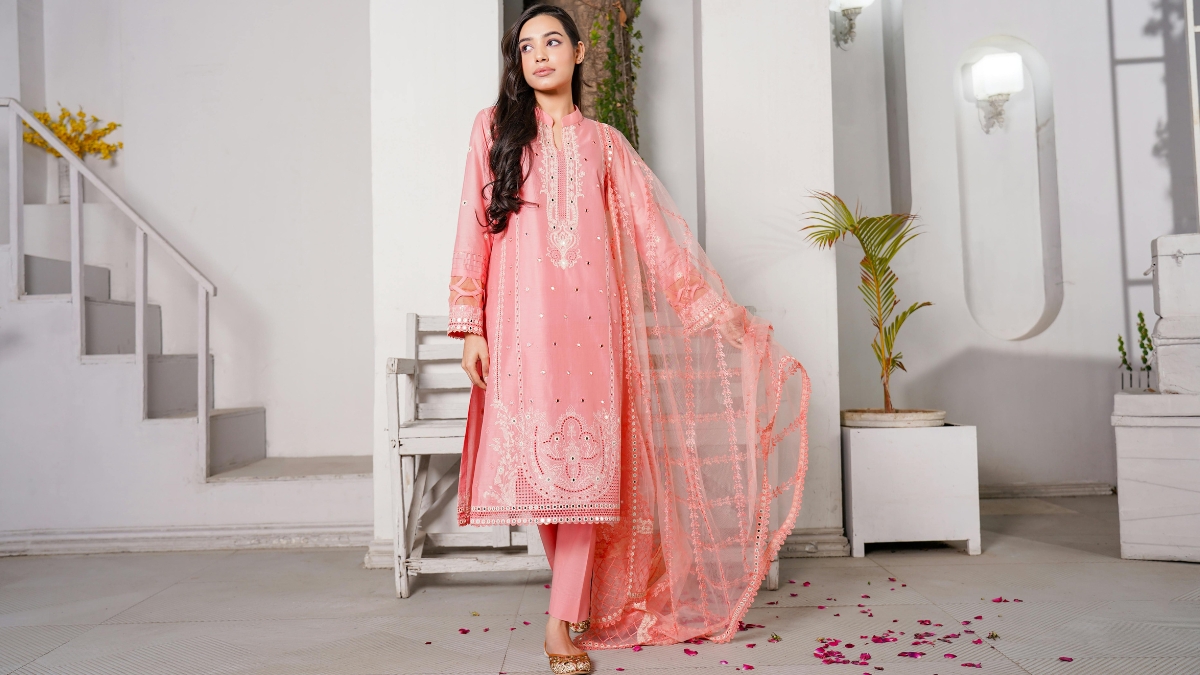
Wider shoulders are an incredible foundation for dressing — they make almost every structured piece (blazers, button-downs, tailored dresses) look like it was made for you. But if you want to balance them visually:
V-necks and open necklines draw the eye downward and inward, rather than across the shoulders.
Softer fabrics on the upper half — drapey, flowy materials don’t add structure the way a stiff blazer shoulder can.
Volume on the lower half — wide-leg trousers, full midi skirts, and A-line shapes create visual balance by matching the width of the shoulders with width below.
Lean into it: Structured blazers and shirts look phenomenal on wide shoulders. If you’ve been avoiding them — stop. The strong-shouldered silhouette is one of fashion’s most enduring power looks.
Dressing with Wider Hips
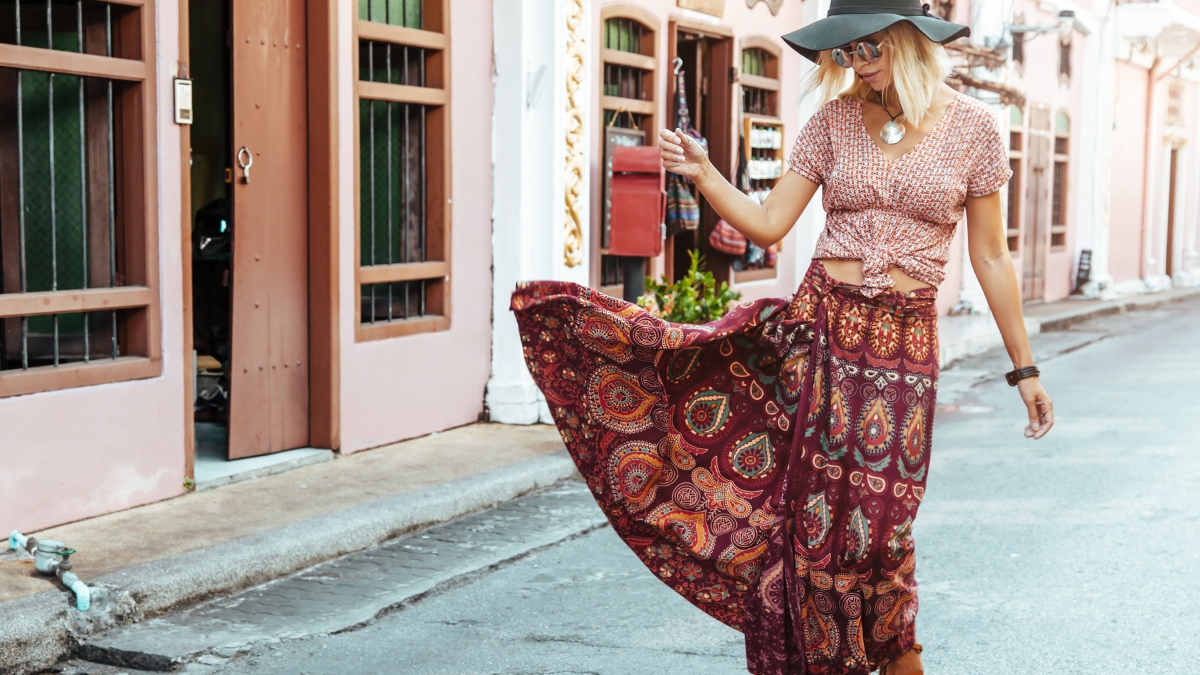
Wider hips are a proportional fact for many women, not a problem to solve. But for those who want to create visual balance:
Structured or slightly padded shoulders visually widen the upper half to match the lower — blazers are your best friend.
Dark tones on the lower half create a receding effect if that’s your goal, while a brighter or more detailed top draws the eye upward.
High-waisted styles define the waist and create an hourglass suggestion, which many people find flattering.
Straight-leg and wide-leg trousers flow over the hips without clinging — often more comfortable and more elegant than fitted cuts.
But also: A full skirt, a statement printed trouser, or a bold bottom-half look is not “making your hips look bigger” — it’s just fashion. If you love the look, the proportional argument is beside the point.
Dressing a Straight or Athletic Silhouette
If your shoulders, waist, and hips are similar in width — a straight or athletic silhouette — and you want to create more waist definition:
Belts and tucking are your most effective tools. A belt at the natural waist creates definition the clothing itself doesn’t provide.
Wrap dresses and tops create a visual waist through their draped construction.
Fitted tops with volume on the bottom — or vice versa — create a curve suggestion through contrast.
Structured pieces like blazers tend to work beautifully on straight silhouettes because they add shape without emphasising the body underneath.
And honestly: the straight silhouette is also perfect for some of the most directional fashion right now — wide-leg, relaxed tailoring, the oversized-and-structured look. Lean into it.
The One Styling Principle That Works for Every Body
Across all of these proportions, one principle applies universally: wear clothes that actually fit. Not “fit” in the sense of tight or structured — but fit in the sense that they’re the right size for your body, sit where they’re supposed to sit, and don’t require adjustment throughout the day.
Clothes that are too small or too large both create the same problem: they draw attention to the fit rather than the person wearing them. Properly fitting clothes — whatever the cut, silhouette, or style — always look better than technically “flattering” clothes that don’t fit correctly.
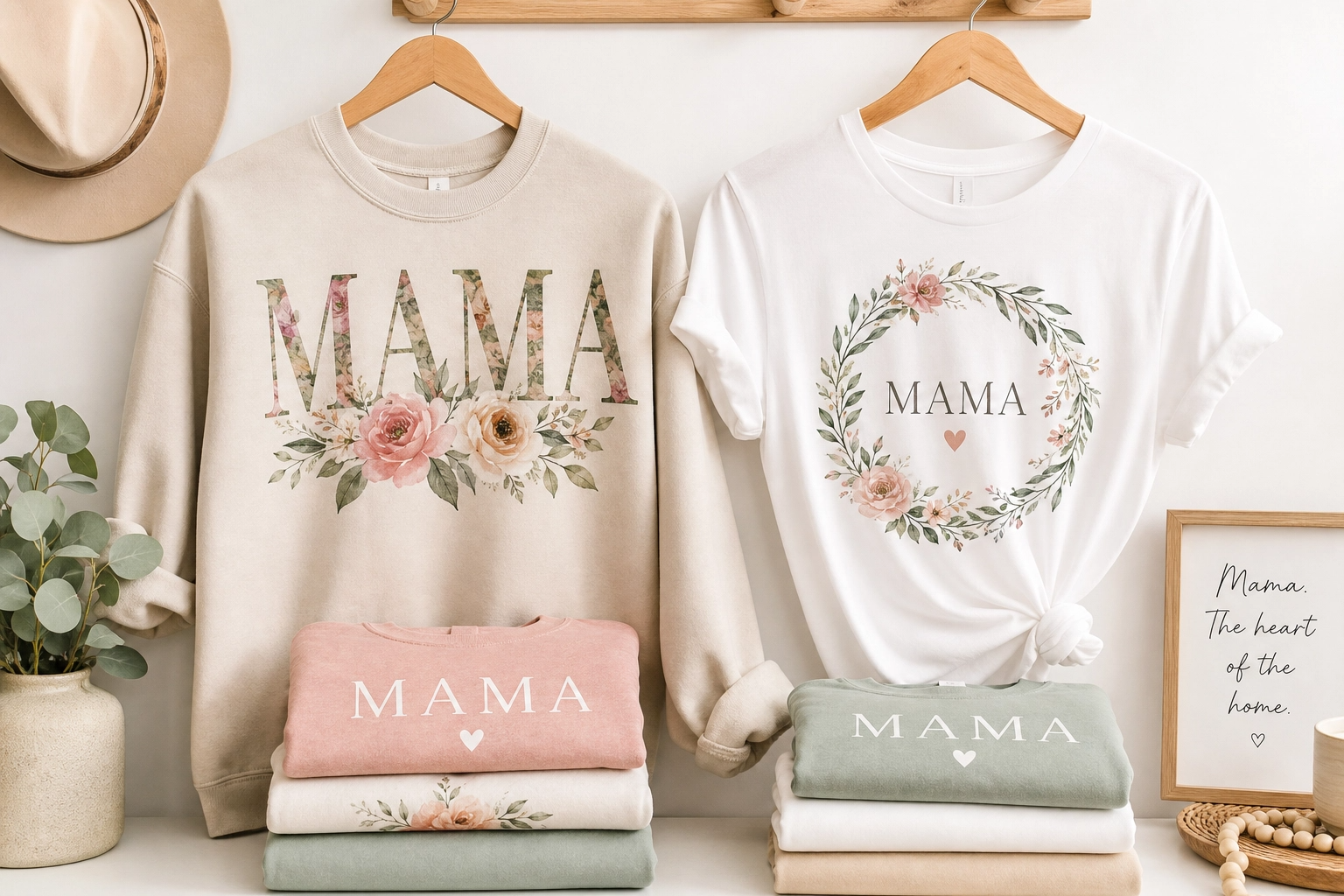
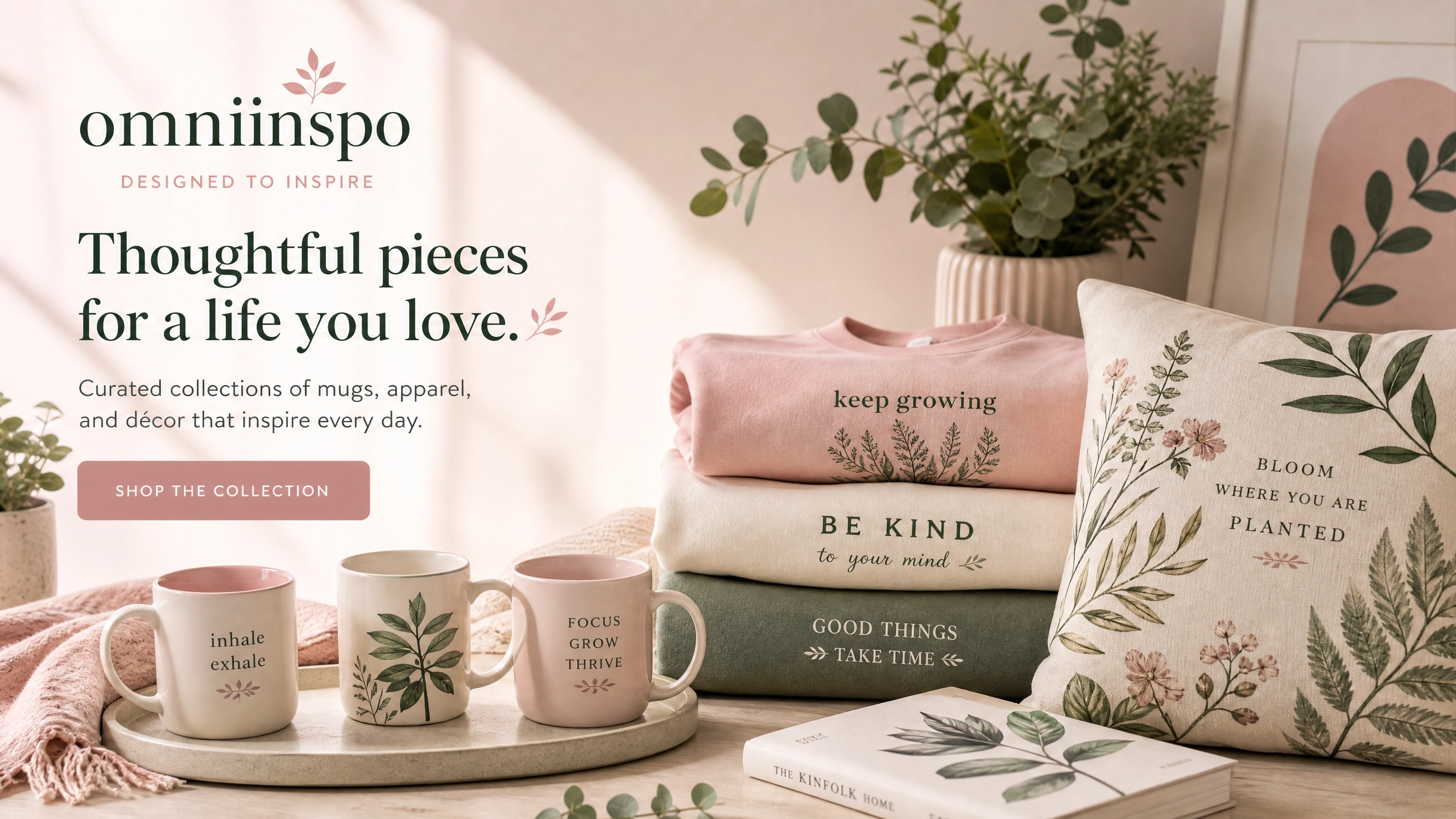
This is also where intentional pieces earn their place. A beautifully made graphic tee that fits you well and has a design you love — like the botanical and expressive prints from omniinspo — looks better on any body than a technically “correct” neutral that you feel nothing in.
→ Shop it: omniinspo graphic tees — designs that fit the feeling, not just the figure
The Confidence Factor (It’s Not a Cliché — It’s Actually True)
Here’s the thing about body type guides that nobody writes down but everyone knows: the single most important factor in how good someone looks in their clothes is how confident they feel in them.
Confidence isn’t a personality type. It’s a product of alignment — between what you’re wearing, how it fits, whether it expresses something real about who you are, and whether you actually chose it for yourself rather than because someone’s style rules told you you should.
This is why a woman in a bold print wide-leg trouser and an expressive graphic top — technically “wrong” for her “body type” according to every old-school guide — can look more arresting and put-together than someone in a perfectly “flattering” monochrome outfit they feel nothing in.
Dress for confidence first. The proportion stuff is useful information, not a rulebook.
A Practical Wardrobe Approach
Here’s how to apply all of this practically:
Step 1: Do a quick wardrobe audit. Which pieces do you feel most confident in? What do they have in common — silhouette, fabric, colour, fit? That’s your style foundation.
Step 2: Identify one or two proportional tools that genuinely work for you — high waist, V-neck, wide-leg, whatever the data says — and use them as a default starting point, not a rule.
Step 3: Add pieces that feel genuinely expressive. A wardrobe that fits perfectly but feels impersonal will always feel almost right but not quite. The pieces that say something about who you are — a print you love, a graphic that resonates, a colour that feels like you — are what transform a wardrobe from “fine” to genuinely yours.
We’re loving right now:
- omniinspo sweatshirts and tees in botanical, nature-inspired prints — expressive pieces that add personality to any silhouette
Final Thoughts
Dressing for your body type in 2025 means something different than it did ten years ago. It means understanding your proportions well enough to make informed choices — and then trusting your own taste, your own confidence, and your own sense of what makes you feel like you.
The rules are tools, not constraints. Use the ones that serve you. Ignore the ones that don’t. And always, always prioritise feeling good over following someone else’s guidelines.
Looking for pieces that feel genuinely expressive no matter your body type? Browse omniinspo’s latest at shop.omnimart24h.com — because the best outfit is always the one that feels like you.
This post contains affiliate links. We may earn a small commission at no extra cost to you.
About the Author