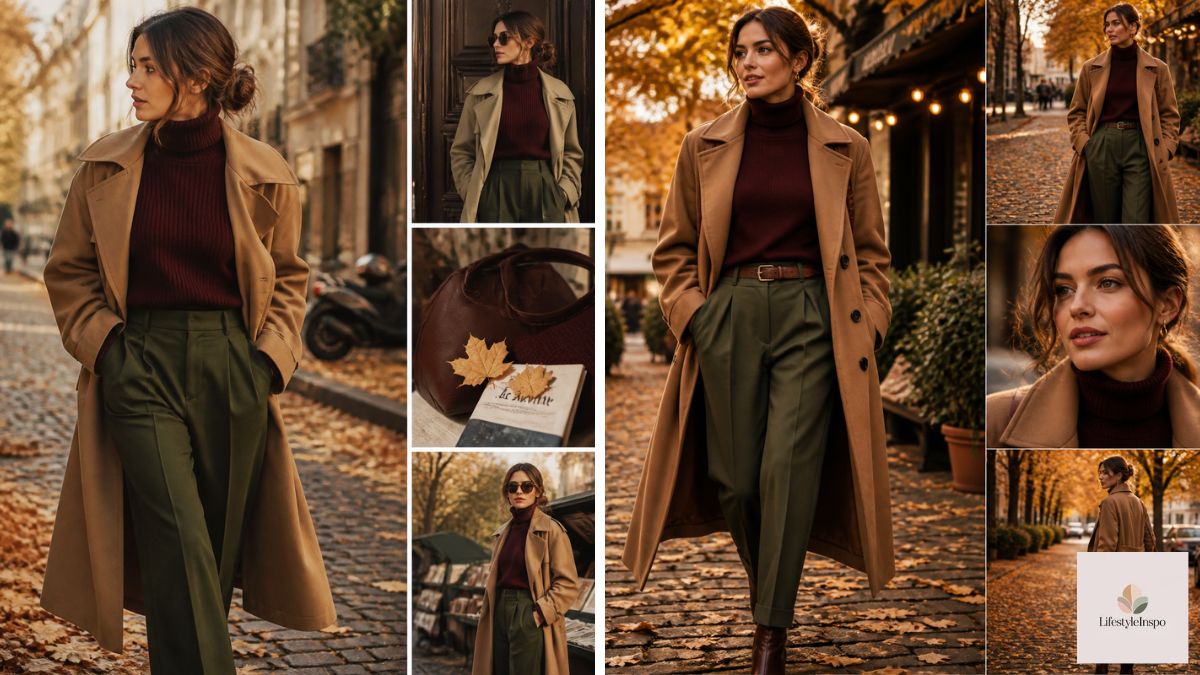
Fall Color Palettes: What Colors to Wear This Autumn
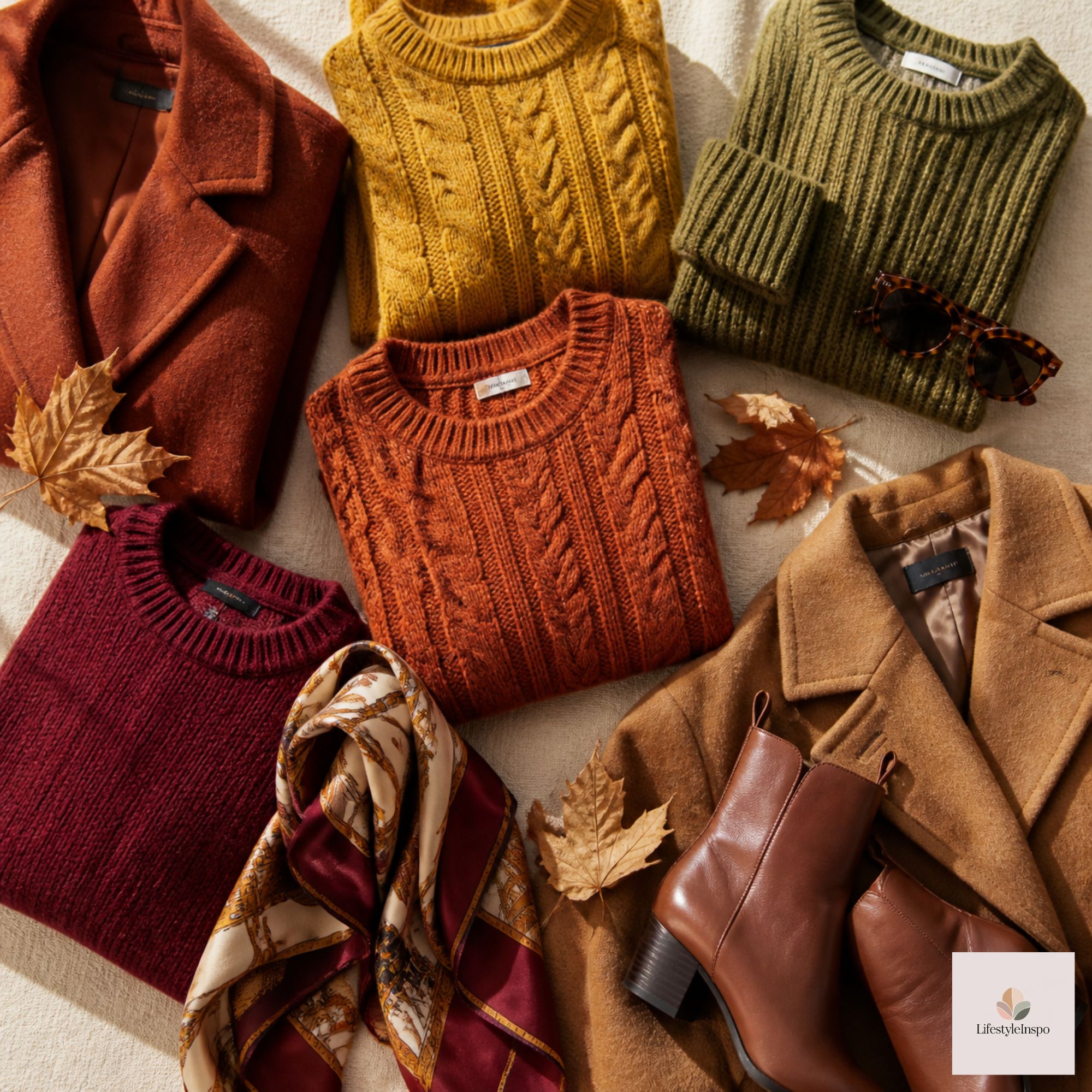
There’s a reason people fall in love with autumn fashion. Walk outside in October and you’ll see it: leaves in russet and gold, skies the color of pale silver, pumpkins glowing against deep green. Nature is practically handing you a perfect color palette, and all you have to do is borrow from it.
But even with such rich inspiration, putting colors together can feel intimidating. Will rust and olive look good together? Can you wear burgundy with brown? Is it okay to mix several earth tones in one outfit? The short answer is yes, and the longer answer is what this guide is all about.
Here you’ll find six easy fall color palettes, each with outfit examples, pairing tips, and ideas for accessories. You’ll also learn a simple framework for building color combinations, plus how to choose shades that look beautiful on you.
A Simple Framework for Combining Colors
Before the palettes, here’s a basic system that makes color pairing much less stressful. We call it the 60-30-10 approach:
- 60% main color. Usually a neutral, such as camel, cream, or brown.
- 30% secondary color. A second shade that complements the first, such as olive or navy.
- 10% accent color. A pop of something brighter or deeper, like rust or burgundy.
You don’t need to measure precisely, but keeping this proportion in mind helps you avoid outfits that feel chaotic or flat.
Other helpful tips:
- Repeat colors. If you wear a plaid scarf with burgundy in it, wear burgundy somewhere else.
- Use neutrals as a bridge. Cream, camel, and brown connect most other colors.
- Mind the undertones. Warm colors (with yellow or orange undertones) and cool colors (with blue or pink undertones) generally look best when kept in the same family.
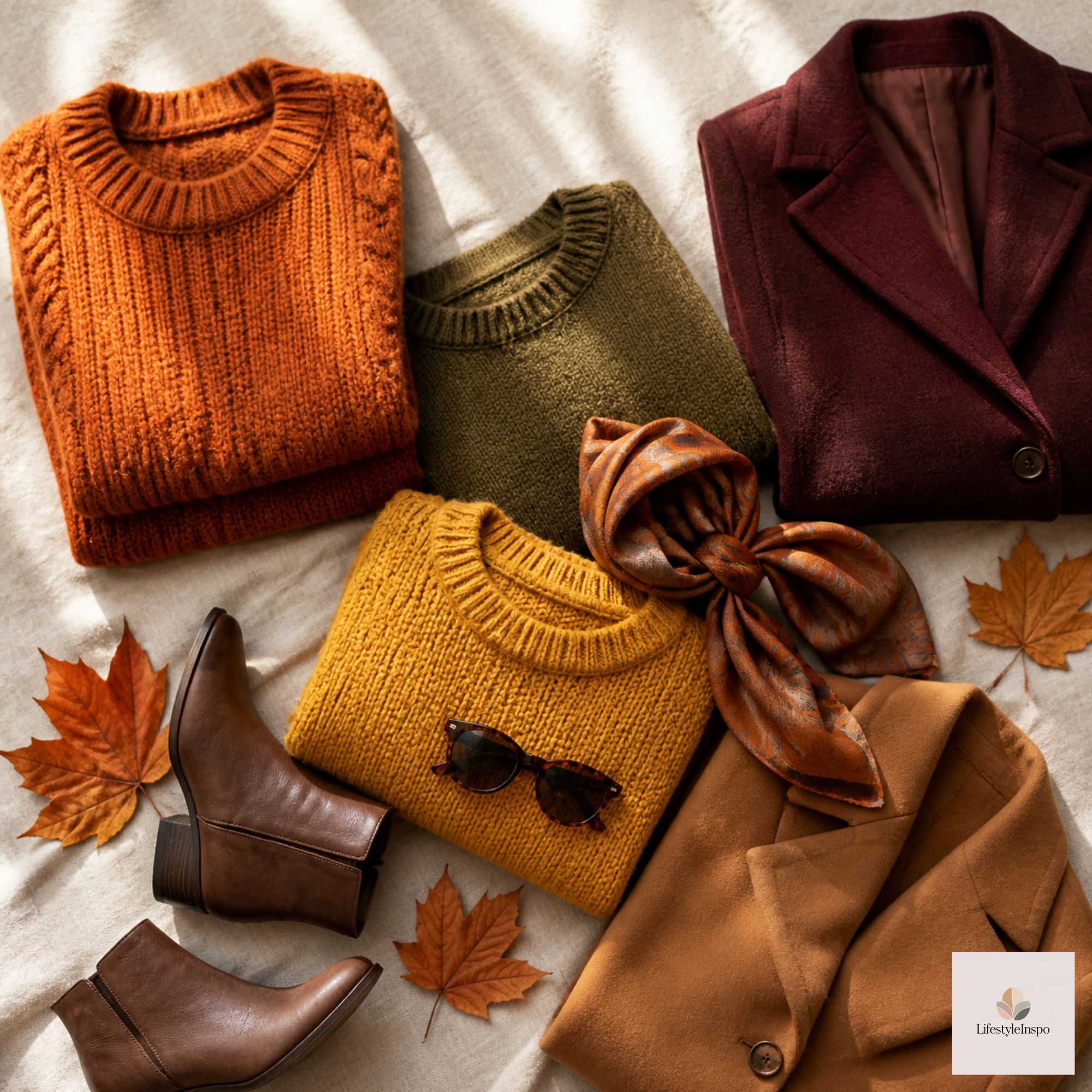
Palette 1: The Classic Neutral
Colors: cream, camel, chocolate brown
This is the most versatile palette, and it forms the foundation of many fall wardrobes. It’s soft, warm, and always elegant.
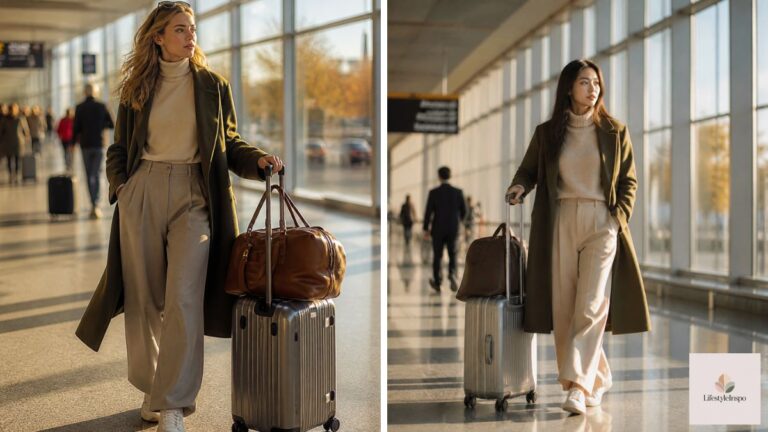
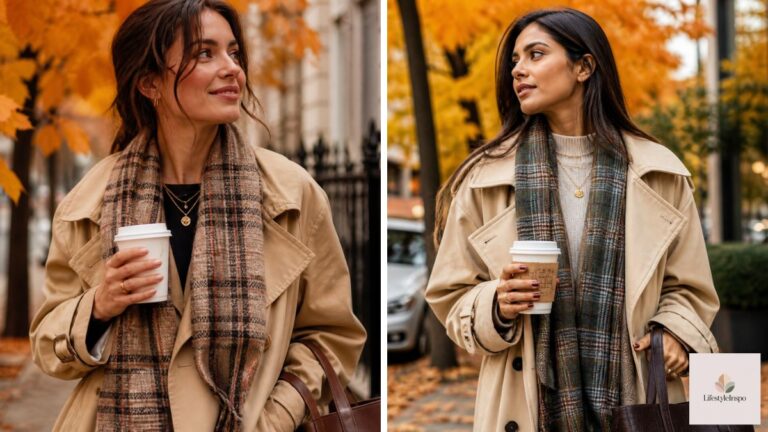
Outfit idea: A cream turtleneck sweater, brown corduroy pants, and a camel trench coat. Add Chelsea ankle boots in a darker brown for depth.
Why it works: The three shades blend seamlessly, and the variation in lightness creates visual interest without the need for pattern.
Accessories: gold jewelry, a tan or cognac bag, and a cream scarf.
Palette 2: Earthy Olive and Rust
Colors: olive, rust, cream, brown
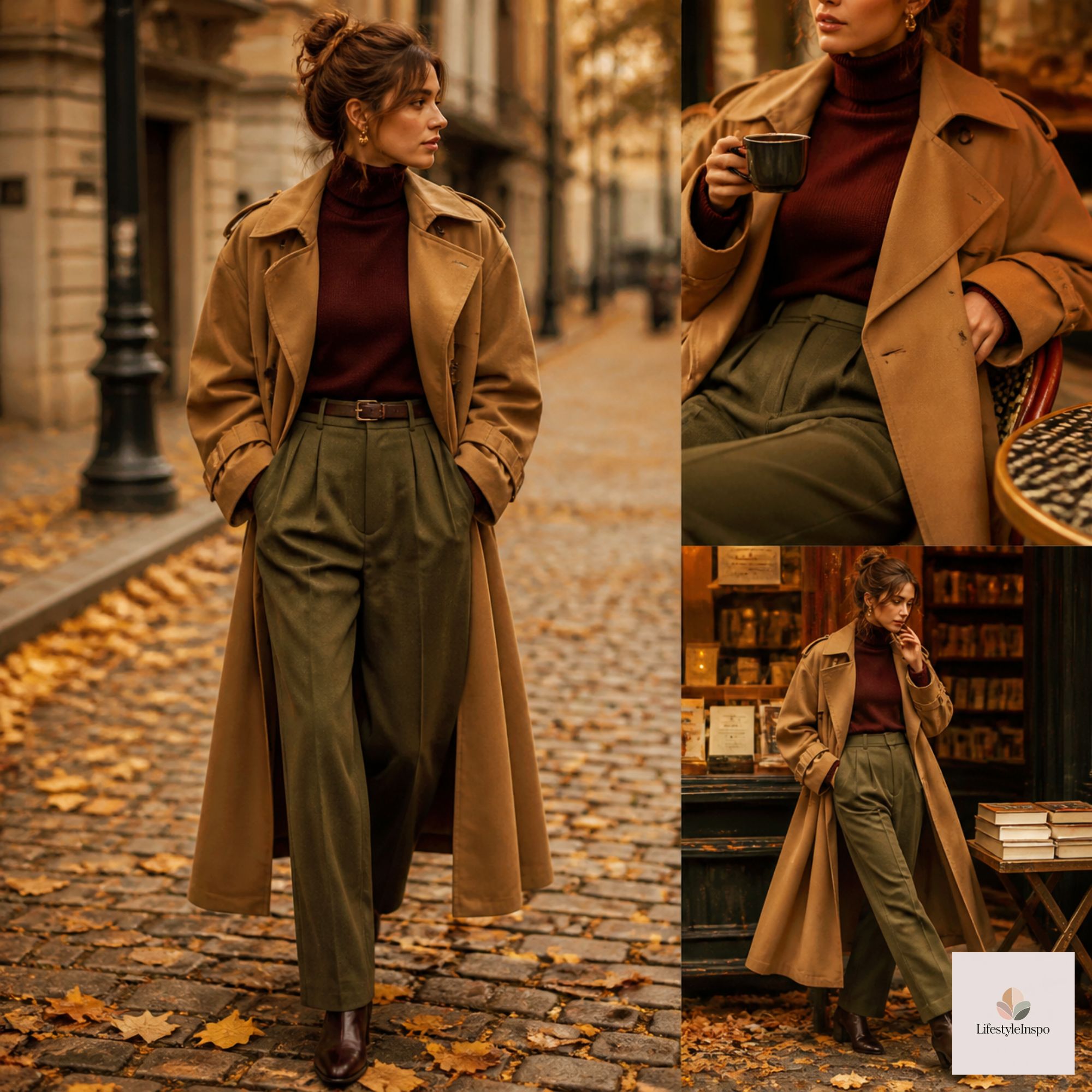
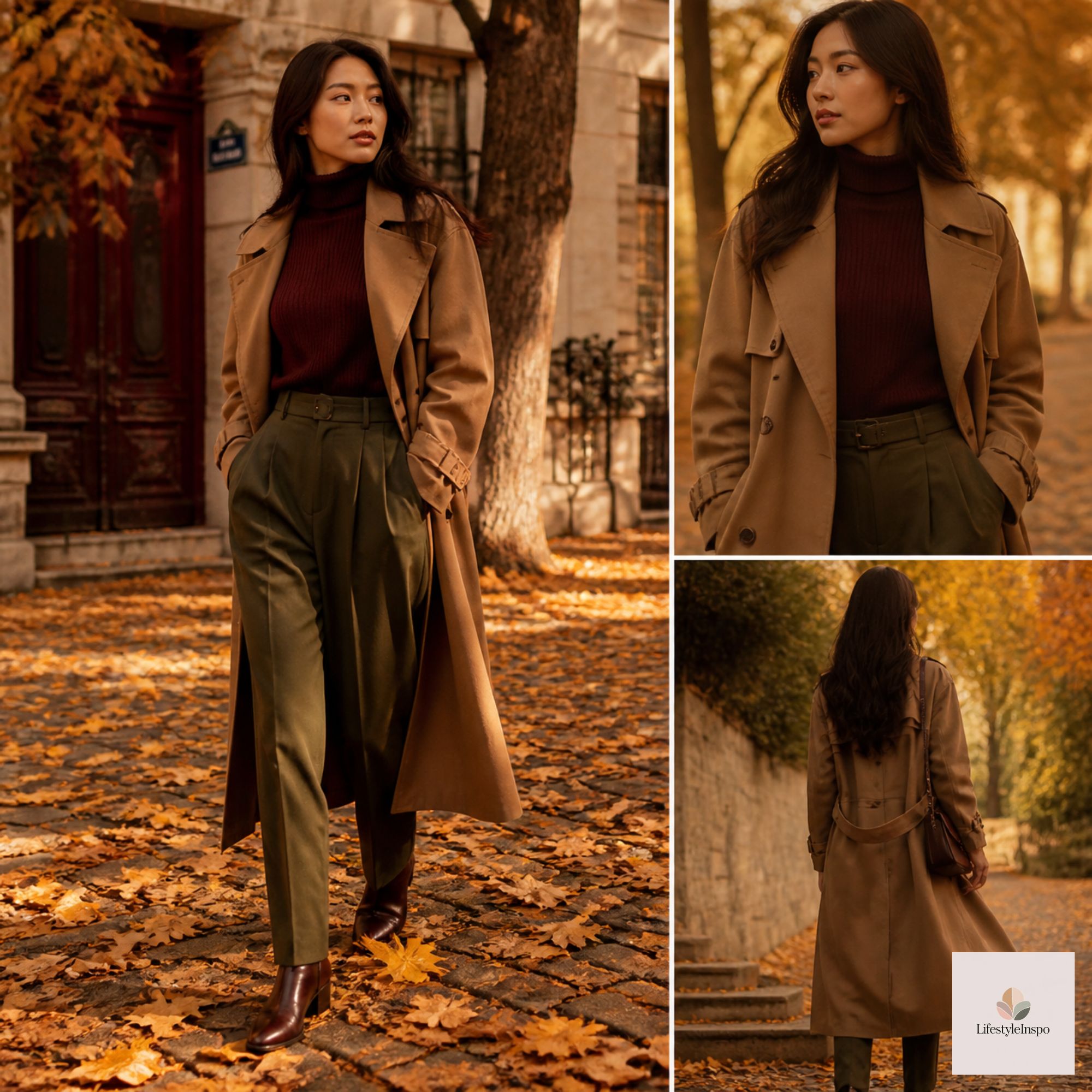
This palette feels grounded and rich, like a walk through the woods. Olive is a flattering neutral that pairs beautifully with warm, spicy tones.
Outfit idea: A rust sweater with olive corduroy pants, a cream scarf, and brown boots. Or try a plaid flannel shacket in olive and rust over a cream tee and jeans.
Why it works: Olive and rust are close on the color wheel’s warm side, making them harmonious. Cream brightens the combination.
Accessories: a vegan leather hobo bag in brown, a slouchy knit beanie in cream or rust, and brass jewelry.
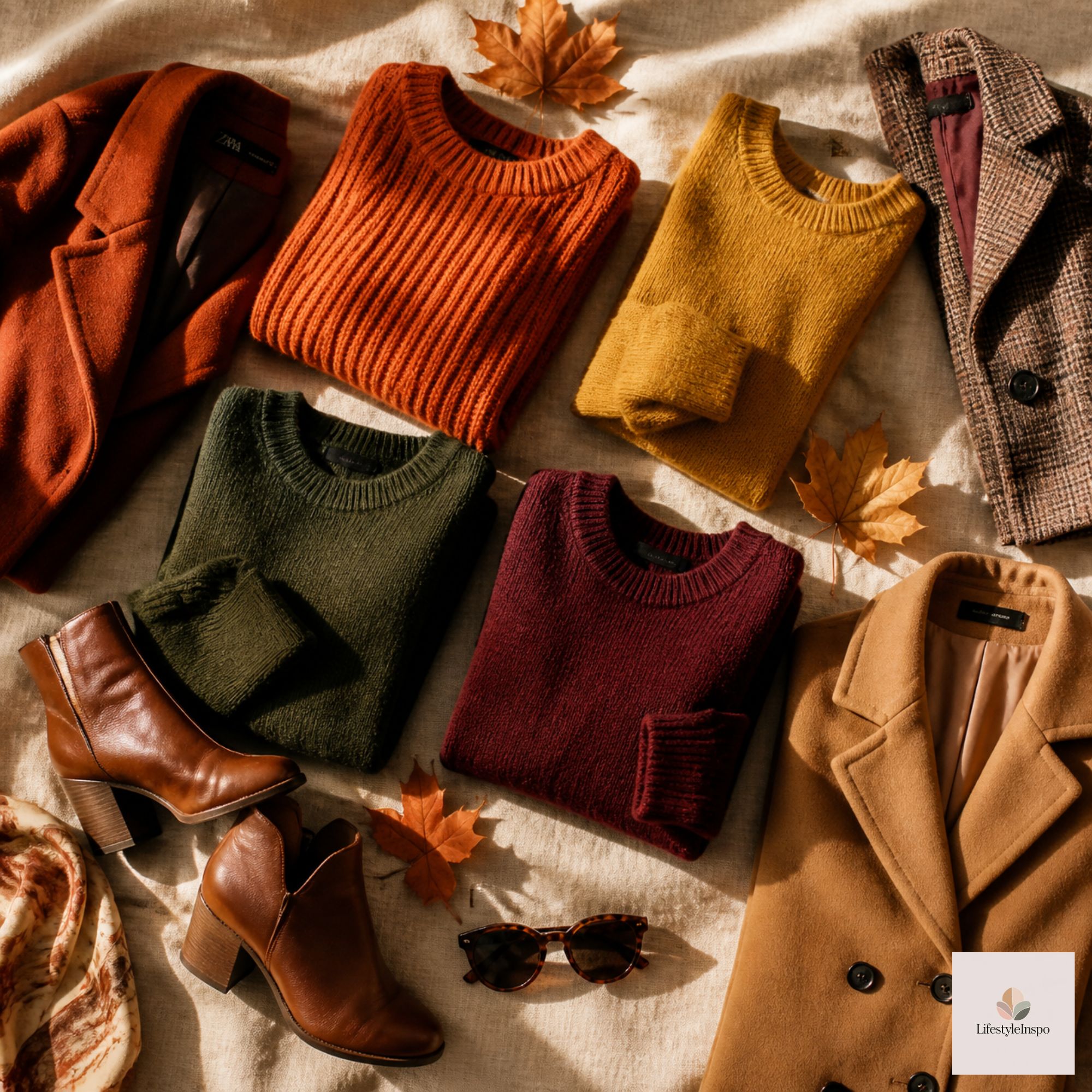
Palette 3: Rich Burgundy and Black
Colors: burgundy, black, cream, gold
For evenings and dressier occasions, burgundy and black is dramatic and sophisticated. The deep red feels romantic, while the black provides grounding.
Outfit idea: A faux leather midi skirt in black, a burgundy sweater, and knee-high boots. Add gold hoops for warmth.
Why it works: Burgundy is a deep color that doesn’t compete with black. Gold adds a subtle shimmer.
Accessories: a black bag, gold jewelry, and a burgundy lip for a finishing touch.
Palette 4: Moody Forest Green and Camel
Colors: forest green, camel, chocolate, cream
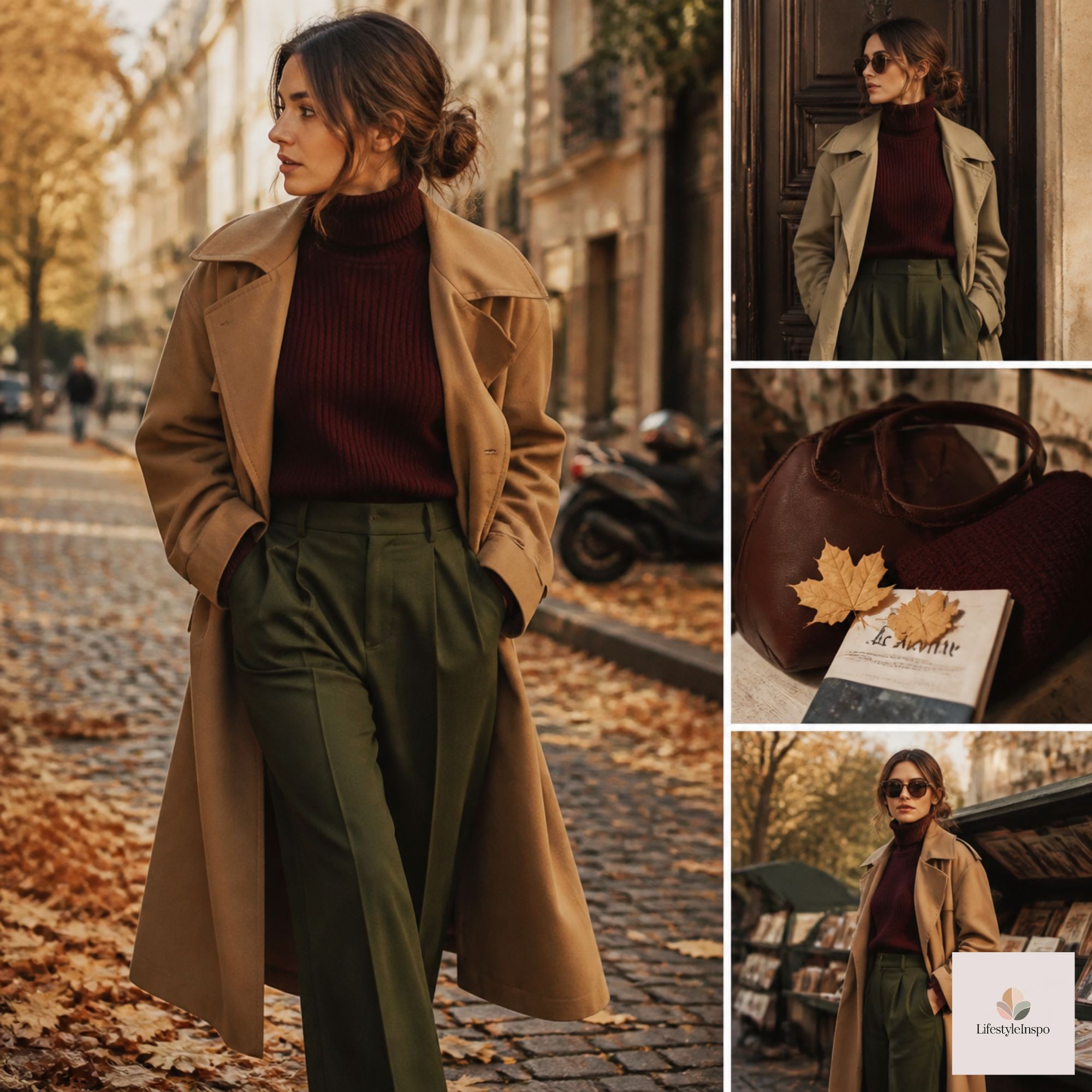
This palette is understated and elegant. The deep green gives a sense of richness, and camel adds warmth.
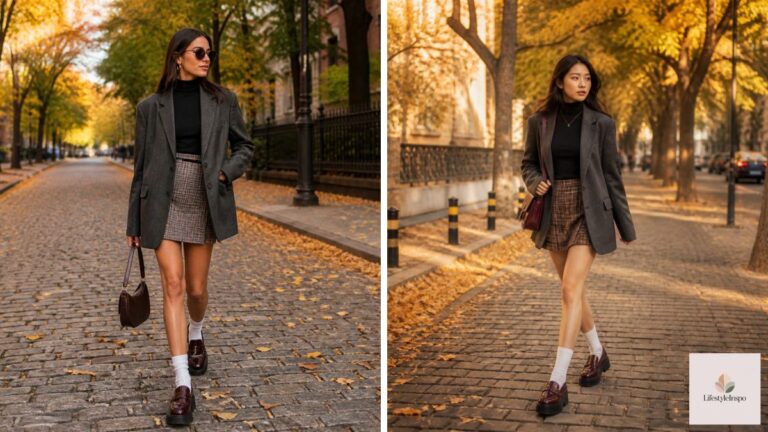
Outfit idea: A forest green midi sweater dress with a camel coat and brown boots. Or wear a long sleeve floral maxi dress that includes green and camel tones.
Why it works: Green and brown are natural companions, as they are both found in woodlands and fallen leaves.
Accessories: a brown leather bag, a cream scarf, and antique gold jewelry.
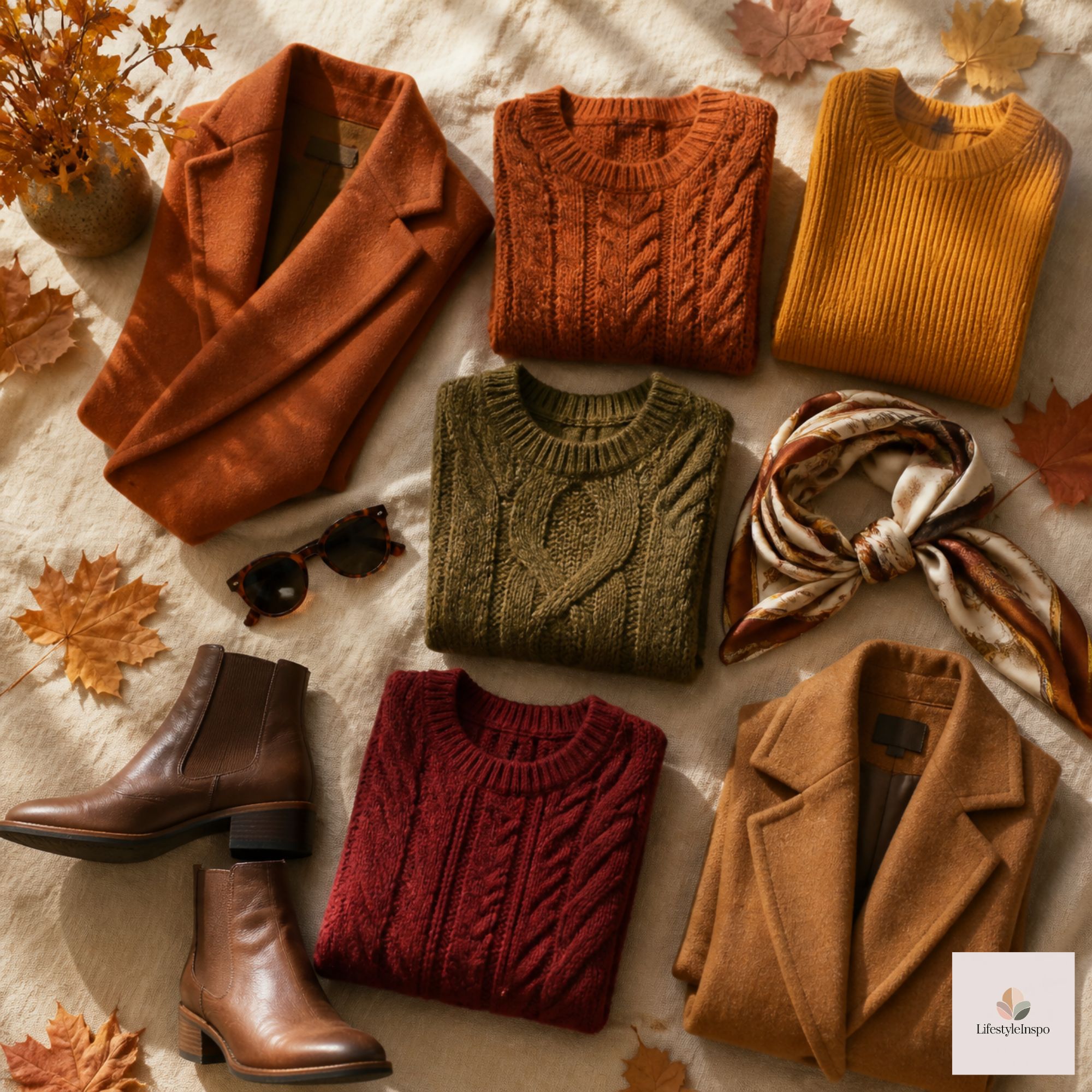
Palette 5: Cozy Mustard and Denim
Colors: mustard, denim blue, cream, brown
If you like a brighter, more playful palette, mustard is a cheerful fall shade that pairs surprisingly well with blue. It feels youthful and fun.
Outfit idea: A mustard sweater or chunky cardigan, your favorite jeans, a cream tee, and brown boots.
Why it works: Yellow and blue are complementary colors, creating a natural contrast that feels fresh. Denim acts as a neutral, so the outfit never looks overwhelming.
Accessories: a tan bag, simple gold jewelry, and a blanket scarf with mustard accents.
Palette 6: Soft Gray, Cream, and Blush
Colors: heather gray, cream, blush pink, taupe
Not every fall palette needs to be warm and earthy. This softer, more muted palette is lovely for those who prefer a gentler, minimalist approach.
Outfit idea: A gray sherpa fleece jacket over a cream top, with light jeans and neutral sneakers. Add a blush scarf for a feminine touch.
Why it works: The tones are all muted and low in contrast, which creates a calm, harmonious look.
Accessories: silver or rose gold jewelry, a taupe bag, and touchscreen knit gloves in a coordinating shade.
How to Choose Colors That Flatter You
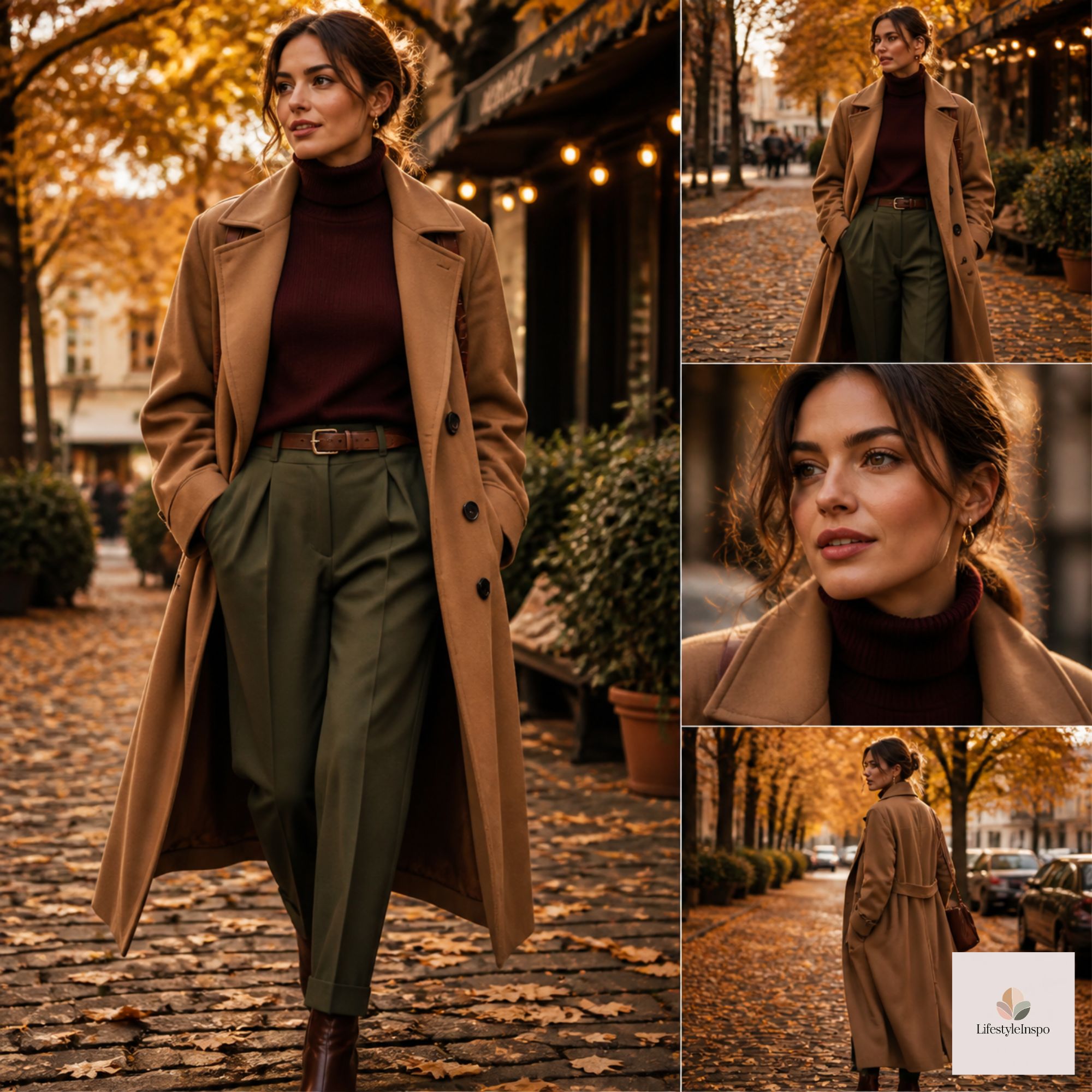
Color theory is helpful, but the best colors are the ones that make you feel good. Here’s a simple way to explore:
Look at your undertone. If gold jewelry looks best on you and you tan easily, you may have warm undertones. If silver looks better and you burn easily, you may have cooler undertones. If both work, you may be neutral.
Try colors near your face. The shade of your top, scarf, or earrings has the most impact on how you look. Try different colors in natural light and notice which ones make your skin glow.
Think about contrast. If your hair, skin, and eyes have high contrast, you can wear bolder, higher-contrast outfits. If your coloring is softer, tonal looks may feel more harmonious.
Don’t be too strict. Rules are guidelines. If you love a color that “shouldn’t” work for you, wear it with a more flattering color near your face.
Warm-leaning shades to try: rust, camel, mustard, olive, and warm brown. Cool-leaning shades to try: burgundy with blue undertones, plum, charcoal, navy, and cool gray.
Color Combinations That Always Work in Fall
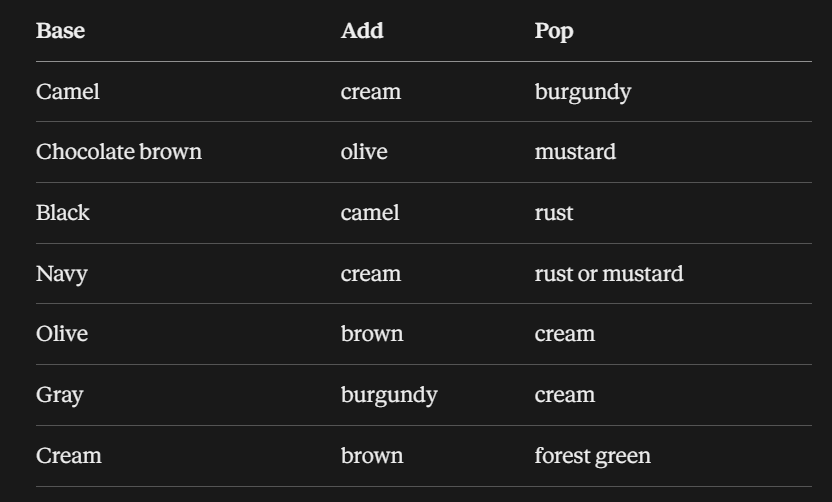
If you’d like a quick reference, bookmark these combinations:
Mixing Patterns Within a Palette
Patterns can add interest, especially when they share colors with your outfit:
- Plaid: choose a plaid shacket or scarf that includes two or three colors from your palette.
- Florals: deep autumn florals blend in several colors at once, making them excellent palette starters.
- Stripes: a thin stripe is easy to combine with plaid or florals, as long as the scale is different.
- Animal prints: leopard print acts as a neutral that pairs with brown, camel, and black.
When mixing patterns, vary the scale: pair a large pattern with a small one. And stick to one shared color to tie them together.
Colors to Be Careful With in Fall
A few colors can be tricky, depending on your style and the setting:
- Bright white: can look stark against autumn tones. Cream or ivory is softer.
- Neon shades: may feel out of place in the muted autumn landscape.
- Too many clashing brights: keep to a limited palette for a more polished look.
That said, rules were made to be broken. If you love a pop of bright color, wear it and enjoy.
Building a Wardrobe Around a Palette
If you’re shopping for new pieces, choose a palette first, then build outward:
- Pick two or three neutrals you’ll wear most often.
- Add one or two accent colors that you love.
- Choose pieces in those colors whenever you shop, and avoid impulse buys that don’t fit.
- Fill gaps with basics that work with everything, like a cream tee or dark jeans.
This approach keeps your wardrobe cohesive and makes getting dressed easier.
Final Thoughts
Color is one of the simplest ways to make an outfit feel intentional. Whether you prefer soft neutrals, rich jewel tones, or earthy greens and rusts, fall offers a palette for every taste. Choose a combination that feels right for you, and let the season inspire your wardrobe.
What’s your favorite fall color combination? Tell us in the comments!
For more ideas, read our guides to fall fashion trends and cozy fall outfits.
Frequently Asked Questions
What colors should I wear in the fall? Camel, cream, chocolate brown, olive, rust, burgundy, mustard, and forest green are classic fall shades.
What colors go with brown in fall outfits? Cream, camel, olive, burgundy, mustard, and denim blue all pair beautifully with brown.
Can I wear black in the fall? Yes. Black is always appropriate, and it looks especially elegant with burgundy, camel, and cream.
How many colors should I wear in one outfit? Two to four colors, including neutrals, usually looks balanced and polished.
About the Author