Creamy Mashed Potatoes: Fluffy, Buttery, and Totally Make-Ahead
Let’s talk about the real MVP of the Thanksgiving table. Not the turkey (sorry), but the mashed potatoes. They’re the dish that disappears first, the one people go back for, and the vehicle for approximately a gallon of gravy.
Good mashed potatoes are creamy, fluffy, and rich, with just enough salt to make you reach for another spoonful. Bad mashed potatoes are gluey, bland, or watery. The difference isn’t talent. It’s a few small choices: the right potato, the right technique, and the right amount of butter (which is a lot).
This guide covers all of it: the recipe, the science, the shortcuts, and how to make them ahead so your Thanksgiving Day stays calm.
Which Potatoes Are Best?
The type of potato changes everything.
- Yukon Gold (best overall). They’re naturally buttery, creamy, and medium in starch. They mash into a velvety texture without turning gluey. Their thin skin also means you can leave a few bits for rustic character.
- Russet. High in starch, so they mash up very light and fluffy. They absorb lots of butter and cream, but they can turn gummy if overworked.
- Red potatoes. Waxy and low in starch. They hold their shape, so they’re better for smashed or rustic potatoes than for creamy ones.
Our pick: Yukon Golds, or a mix of Yukon Golds and russets, for the best of both worlds: creamy and fluffy.
Ingredients
Serves 8 to 10:
- 4 pounds Yukon Gold potatoes (or a mix with russets)
- 1 tablespoon plus 1 teaspoon kosher salt (for the cooking water and seasoning)
- ¾ cup (1½ sticks) unsalted butter, cubed and softened
- 1 cup whole milk or half-and-half, warmed
- ½ cup sour cream, or 4 ounces cream cheese, softened
- 2 cloves garlic (optional), roasted or finely grated
- Black pepper
- Chopped chives, for garnish
Step-by-Step Instructions
Step 1: Prep the Potatoes
Peel the potatoes (or leave some skin on, if you like) and cut them into uniform chunks, about 1½ inches. Even pieces cook at the same rate, so you won’t end up with some mushy and some hard. Rinse briefly in cold water to remove excess surface starch.
Step 2: Start in Cold Water
Place the potatoes in a large pot and cover with cold water by an inch. Add 1 tablespoon of kosher salt. Starting with cold water helps the potatoes cook evenly from the outside to the center. If you drop them into already-boiling water, the outside can get mushy before the middle softens.
Step 3: Simmer Until Tender
Bring to a boil over high heat, then lower to a gentle simmer. Cook for 15 to 20 minutes, until a fork slides in with no resistance and the potatoes almost fall apart.
Step 4: Drain and Dry
Drain thoroughly in a colander, then return the potatoes to the hot pot and let them sit over low heat for 1 to 2 minutes, shaking gently. This evaporates leftover moisture, which is the secret to fluffy (not watery) mashed potatoes.
Step 5: Warm the Dairy
While the potatoes cook, gently warm the milk and butter in a small saucepan or the microwave. Adding warm dairy keeps the potatoes hot and helps them absorb the liquid smoothly. Cold milk cools the potatoes and makes them gummy.
Step 6: Mash the Right Way
This is where texture is made or lost.
- Best tool: a potato ricer. Pressing the potatoes through a ricer gives you the lightest, smoothest mash with zero lumps, and without overworking the starch. It’s the tool we recommend for anyone serious about mashed potatoes.
- Good tool: a hand masher. Great for a more rustic texture.
- Avoid: a blender or food processor. They break down the starch and turn potatoes into glue.
- Use caution: a mixer. You can use a stand mixer on the lowest speed with a paddle attachment, but stop as soon as the potatoes are smooth. If you own a stand mixer, it’s handy for big batches, but mix just until combined.
Step 7: Fold in the Good Stuff
Add the butter, sour cream (or cream cheese), and garlic. Gently fold. Pour in the warm milk a little at a time until you reach your desired creaminess. Season with the remaining salt and plenty of black pepper. Taste, then adjust. Potatoes need a lot of salt, so don’t be shy.
Step 8: Serve
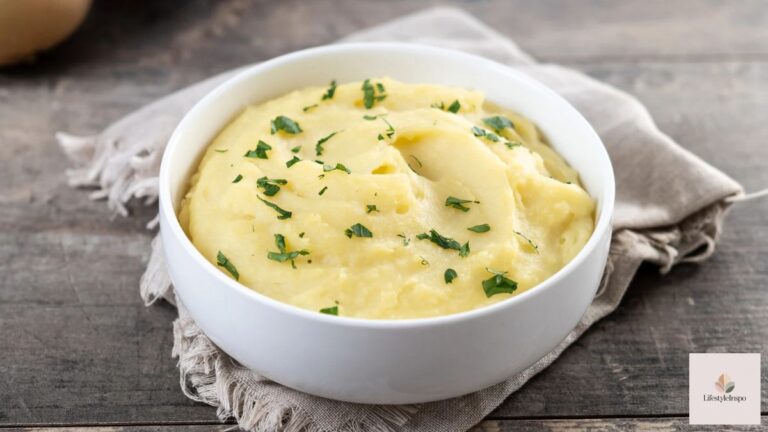
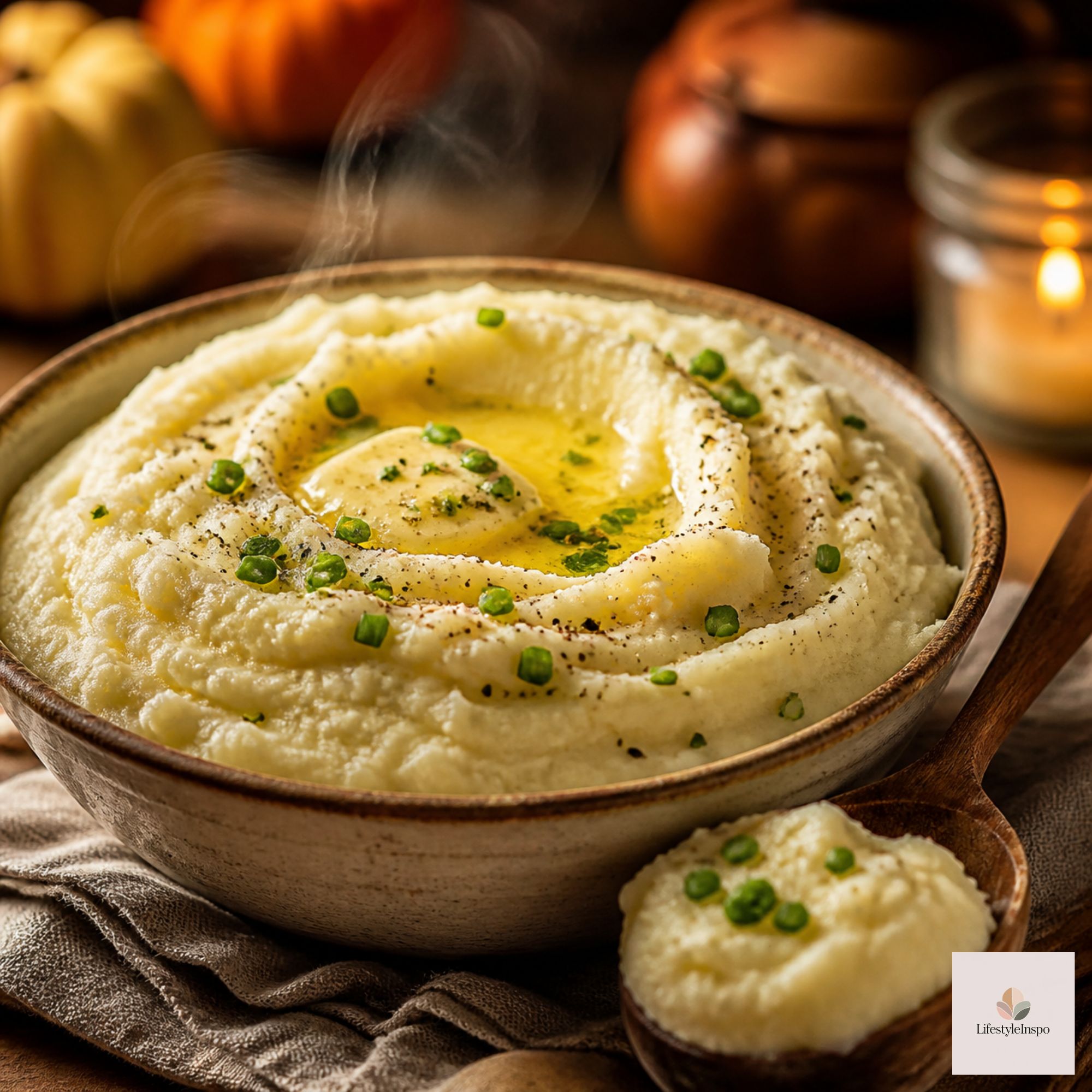
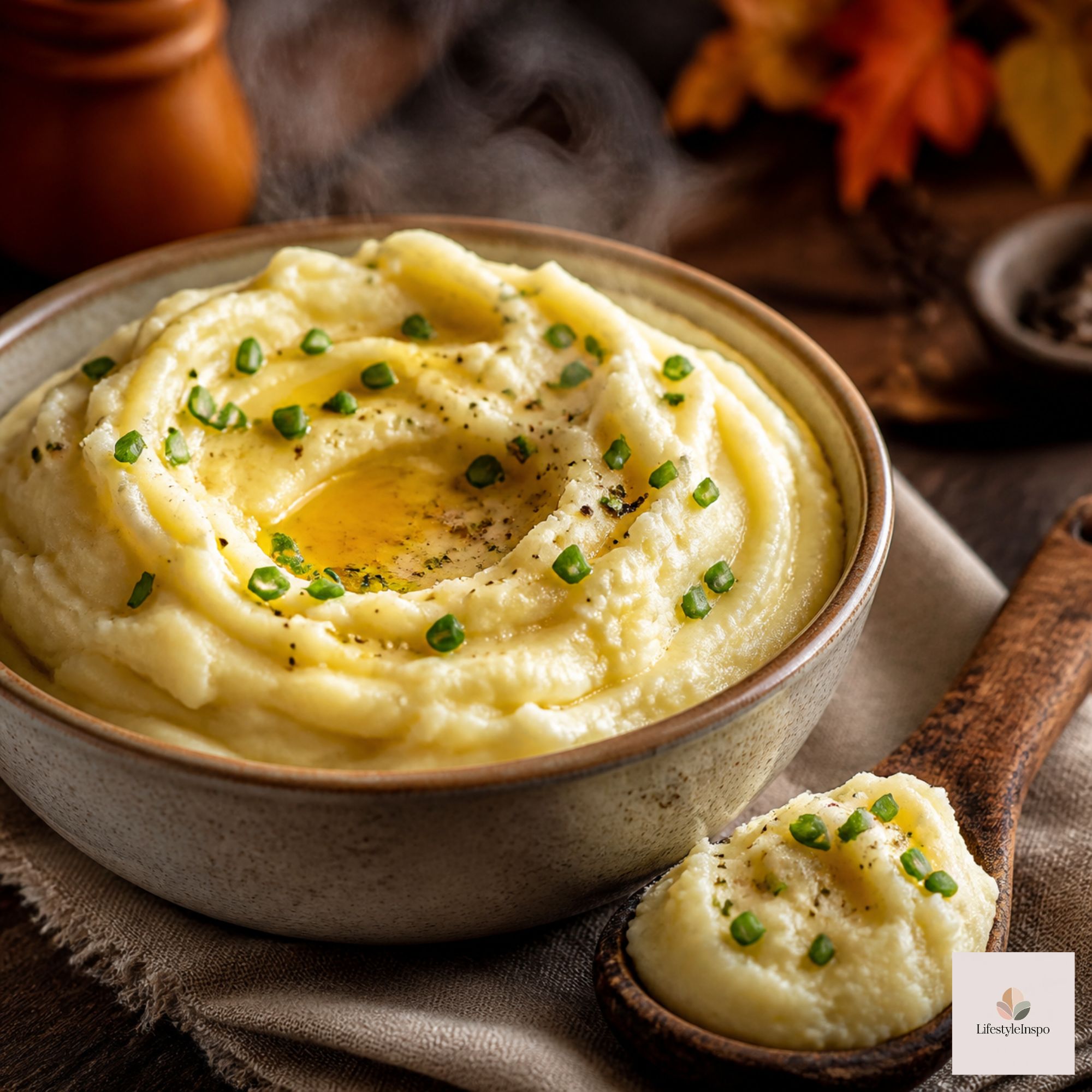
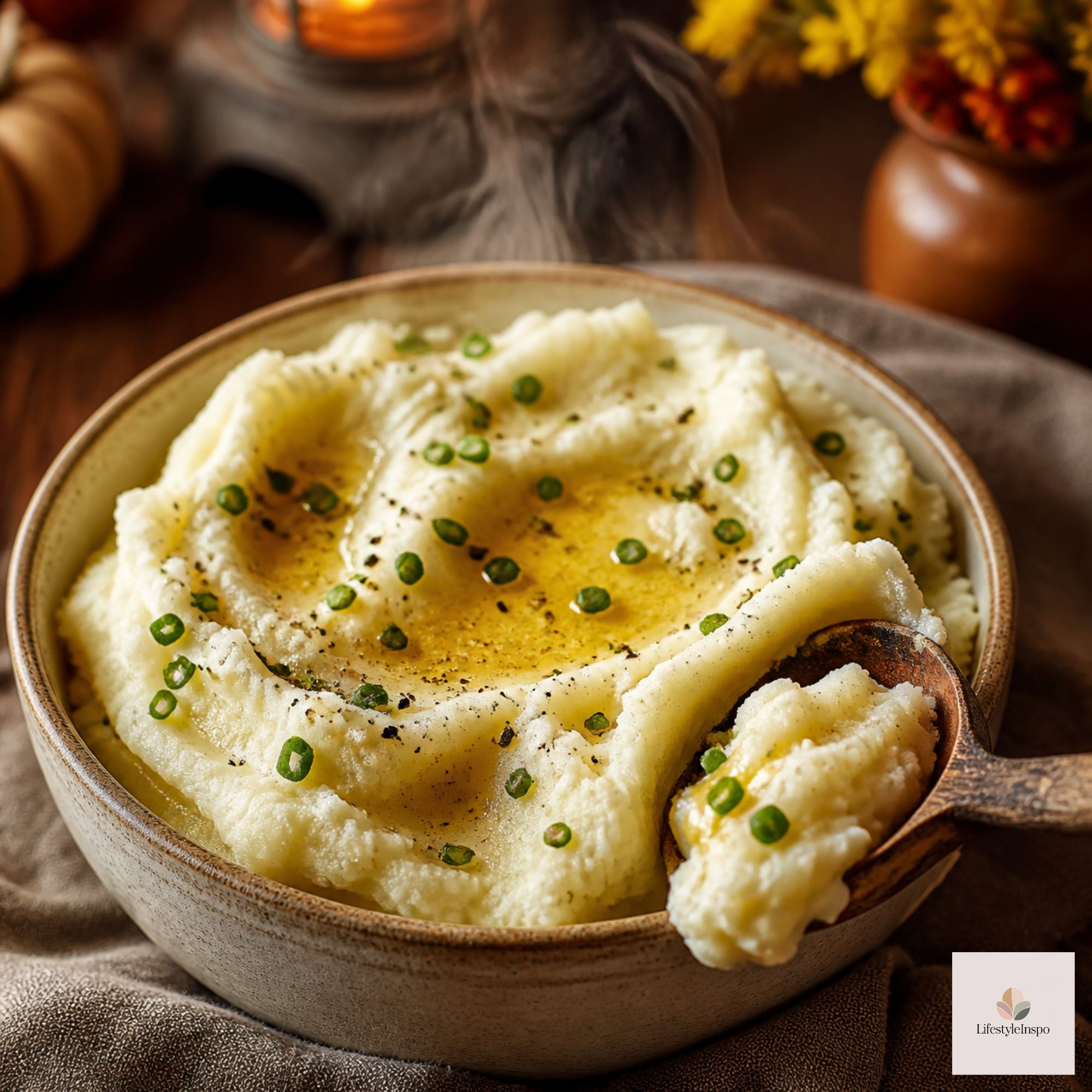
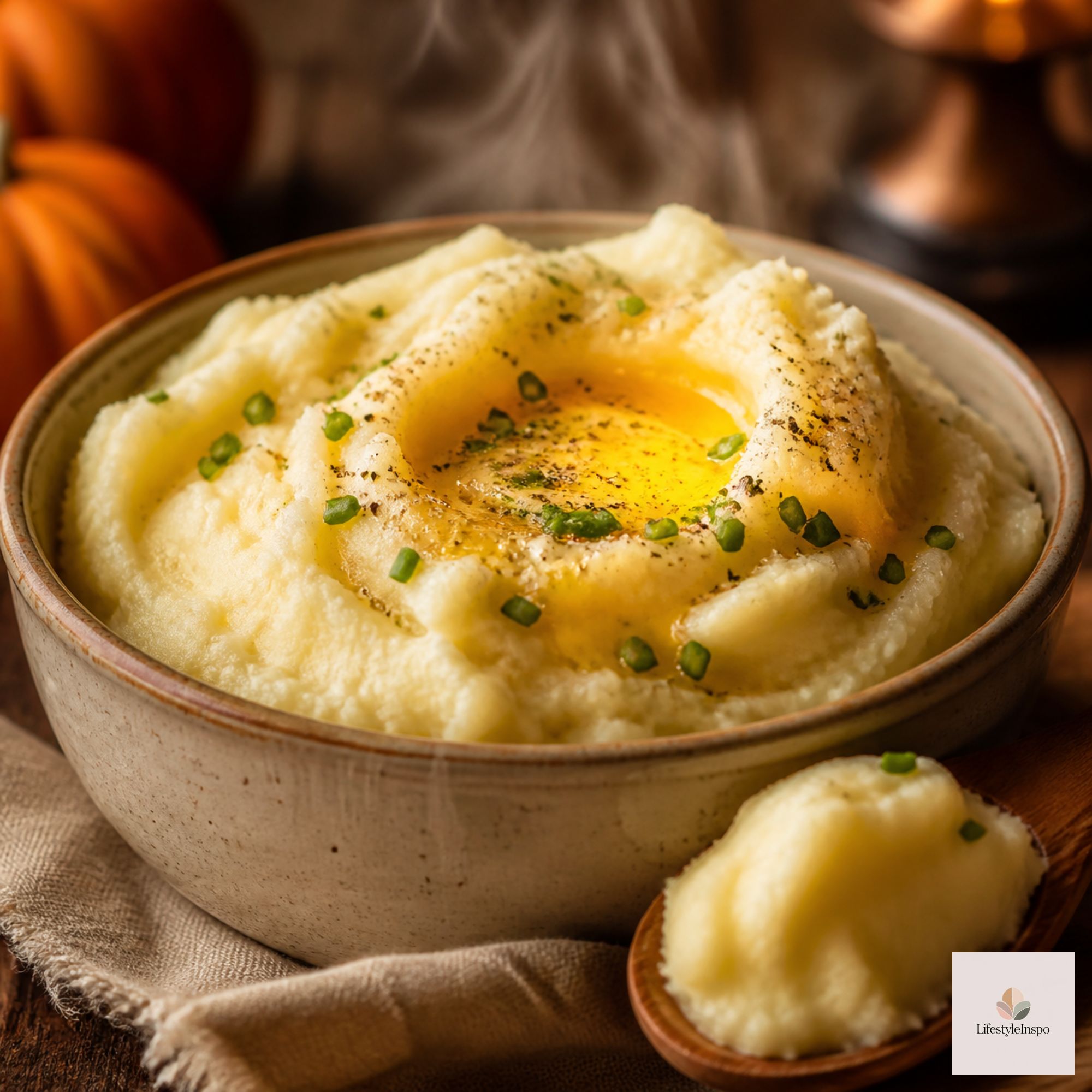
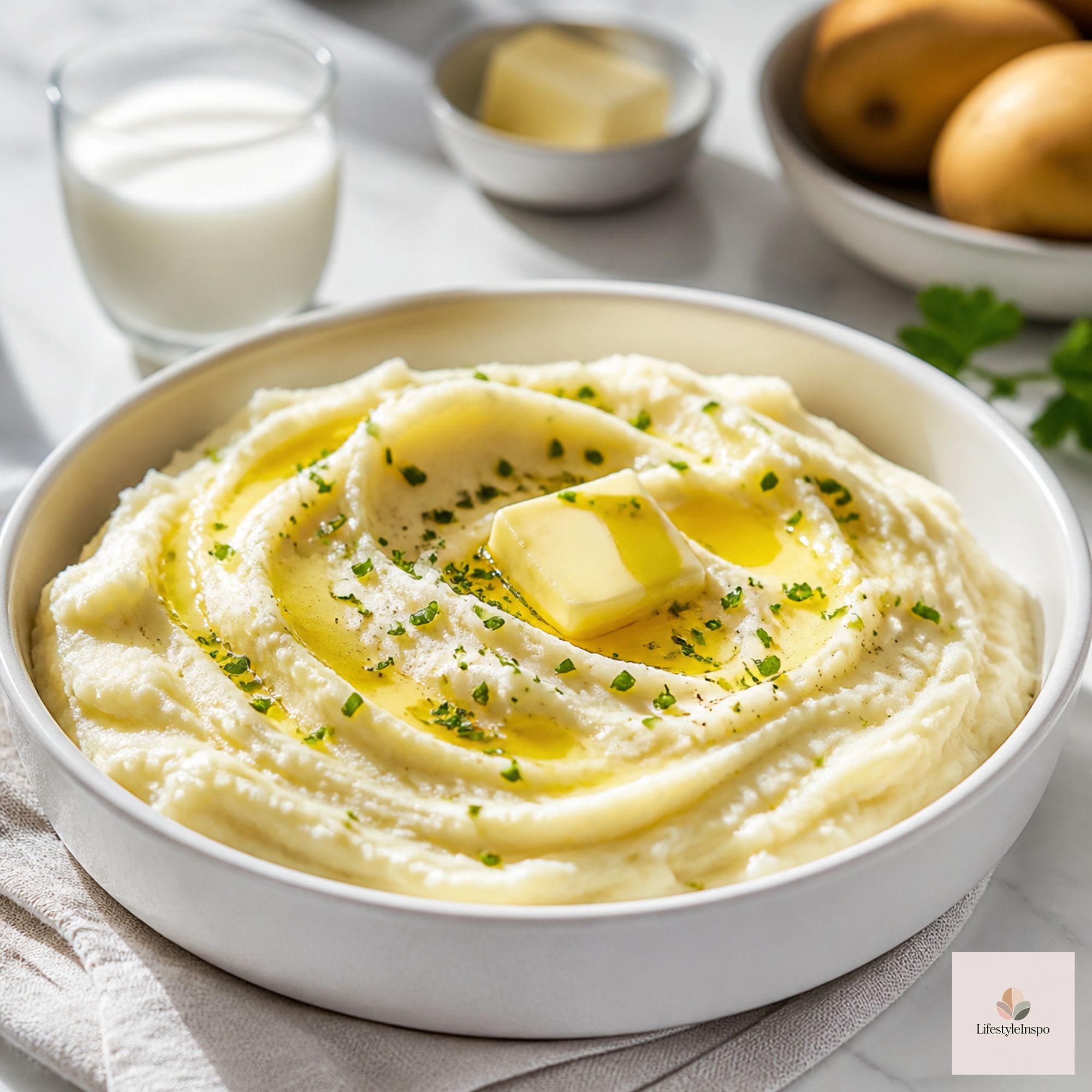
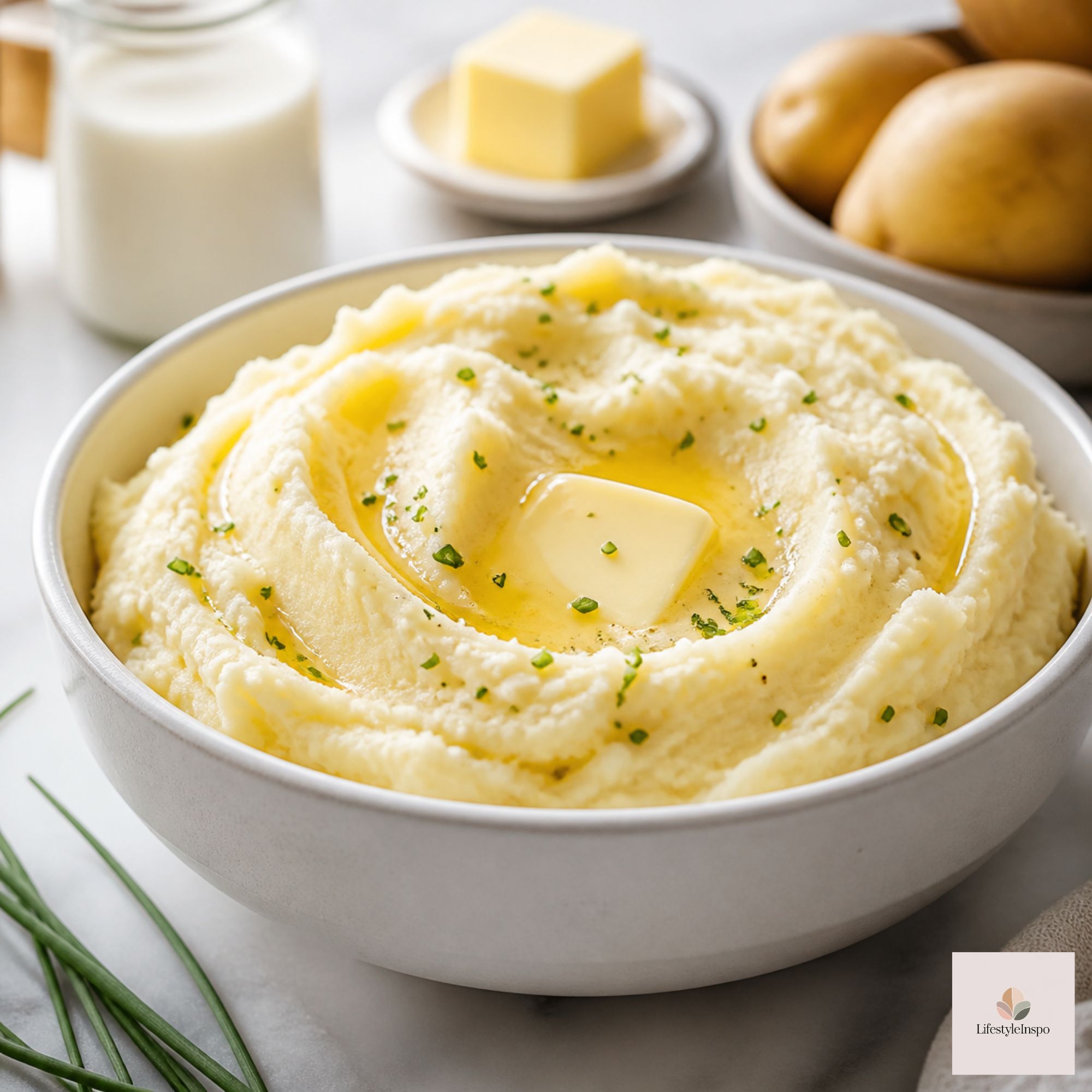
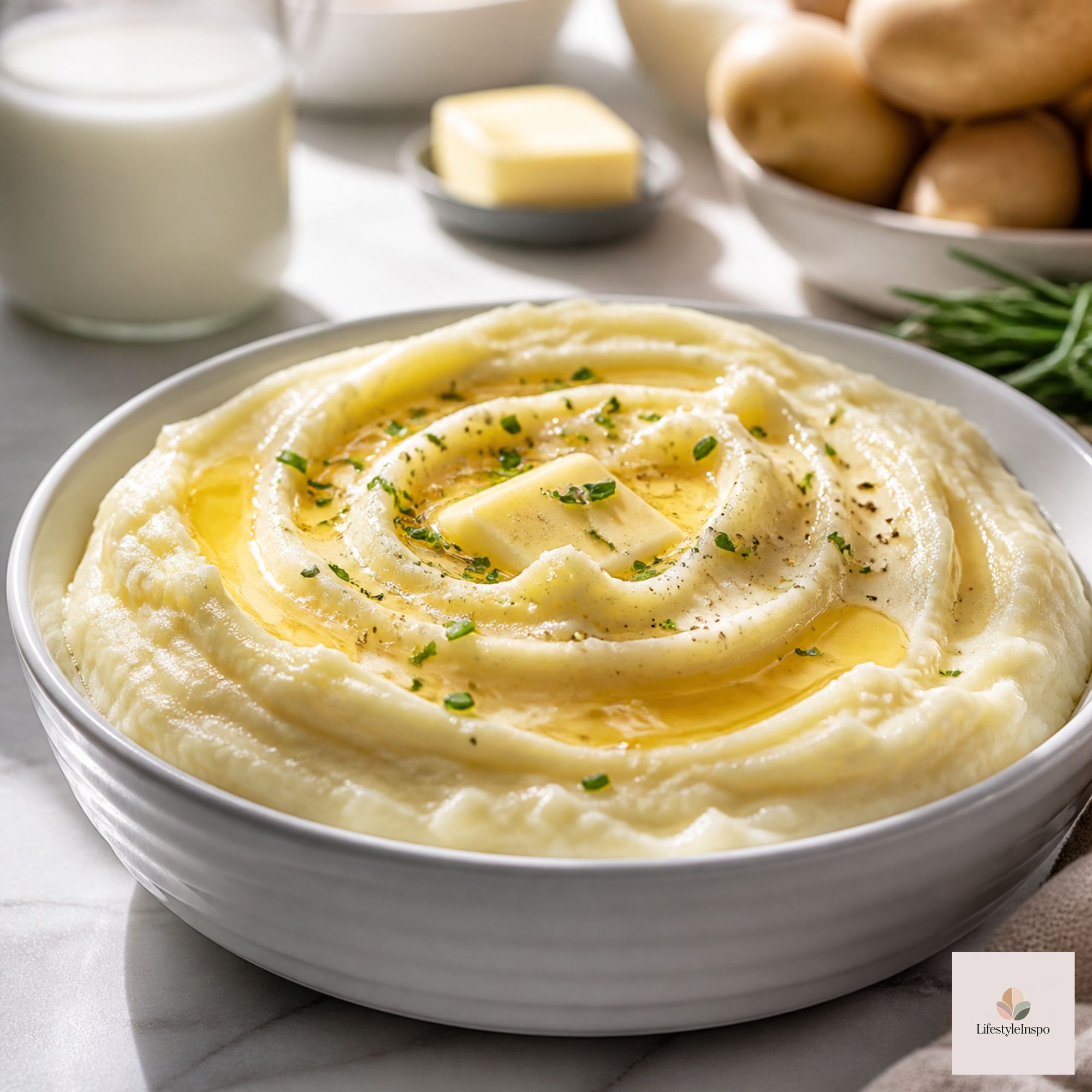
Spoon into a warm bowl, make a well in the center, add a pat of butter, and sprinkle with chives. Serve right away with gravy.
How to Avoid Gluey Mashed Potatoes
Gummy potatoes happen when the starch molecules get overworked and release too much stickiness. Prevent it with these rules:
- Don’t use a blender or food processor.
- Don’t over-mix. Stop when smooth.
- Don’t mash potatoes cold. Work while they’re hot.
- Use warm dairy.
- Choose the right potato. Yukon Golds are very forgiving.
Make-Ahead Mashed Potatoes
You can make mashed potatoes up to 2 days before Thanksgiving, which frees you from last-minute mashing.
Method 1: Fridge and Oven
- Make the potatoes as directed, but slightly looser (add a bit more milk).
- Transfer to a buttered baking dish and cool.
- Cover and refrigerate for up to 2 days.
- On Thanksgiving, let them sit out for 30 minutes, dot with butter, and bake covered at 350°F for 35 to 45 minutes, stirring once halfway.
Method 2: Slow Cooker
- Make the potatoes and transfer them to a slow cooker.
- Keep on warm for up to 3 hours, stirring occasionally. Add a splash of milk if they thicken.
- This frees up your stove and oven, which is a big deal on Thanksgiving.
Method 3: Freezer
- Cool the potatoes completely, then freeze in a freezer-safe container for up to 1 month.
- Thaw overnight in the fridge and reheat gently with a splash of cream.
Store make-ahead potatoes in glass food storage containers that can go from fridge to oven (just remove the lids first).
How to Keep Mashed Potatoes Warm
- Slow cooker on warm
- Double boiler. Place a heatproof bowl over a pot of simmering water.
- Insulated pot. An enameled Dutch oven keeps heat for a long time with the lid on, so wrap it in a towel and set it aside.
- Oven. Keep covered in a 200°F oven for up to 30 minutes.
Flavor Variations
- Roasted garlic. Roast a whole head of garlic, squeeze out the cloves, and mash them in.
- Brown butter. Brown the butter in a pan before mixing it in for a nutty, toasty flavor.
- Parmesan and herb. Add ½ cup grated Parmesan and chopped fresh thyme.
- Loaded. Top with crispy bacon, cheddar, and green onions.
- Horseradish. Stir in 1 to 2 tablespoons of prepared horseradish for a gentle kick.
- Cheesy cauliflower mash. Swap half the potatoes for steamed cauliflower for a lighter version.
- Goat cheese. Tangy and creamy with chives.
Dairy-Free and Lighter Options
- Dairy-free: Use olive oil or vegan butter and unsweetened oat milk or full-fat coconut milk, plus a squeeze of lemon for tang.
- Lighter: Replace some butter with Greek yogurt, and use broth in place of cream.
- Vegan: Use plant-based butter and milk, and add roasted garlic for flavor.
What to Serve With Mashed Potatoes
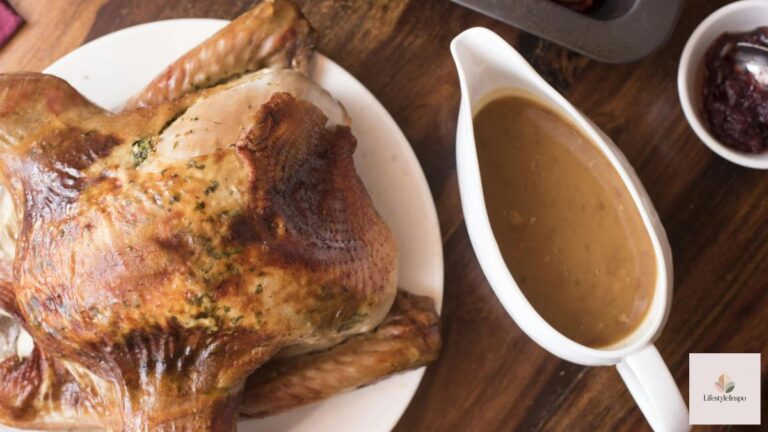
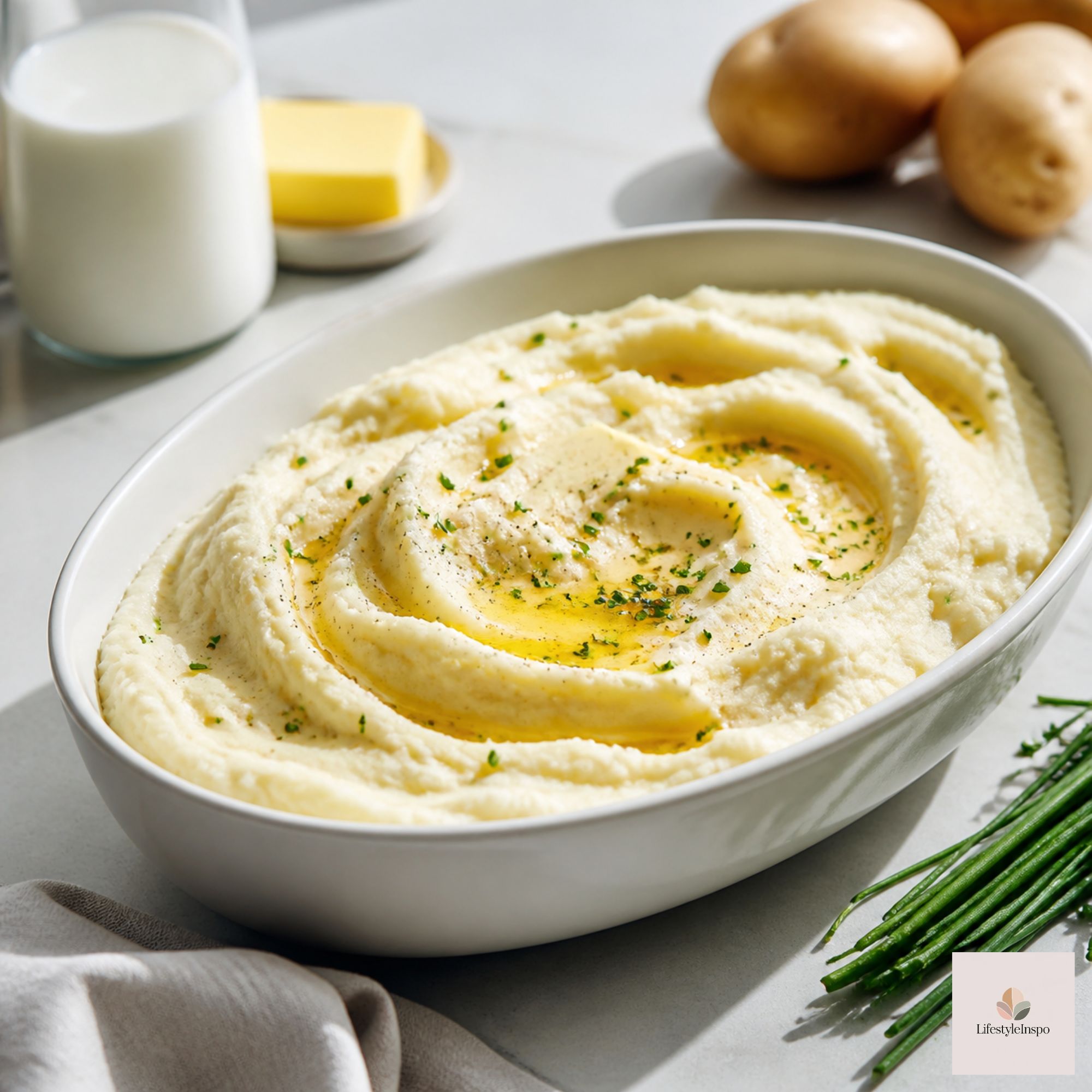
Obviously, turkey gravy from a pretty gravy boat is the classic. They also pair beautifully with roasted turkey, braised short ribs, pot roast, roast chicken, and green beans. And if you like presentation, a shallow serving platter or bowl with swirls on top makes the dish look just as good as it tastes.
Common Mashed Potato Mistakes
- Under-salting the water. Potatoes need salt while cooking, or they taste flat.
- Draining poorly. Wet potatoes make watery mash.
- Cold butter and milk. Always warm them.
- Over-mixing. It’s the number one cause of glue.
- Stingy seasoning. Taste and adjust.
Leftover Mashed Potatoes: Ideas
- Potato pancakes. Mix with an egg and some flour, then pan-fry.
- Shepherd’s pie topping.
- Stuffed baked potato skins.
- Potato soup. Thin with broth and add cheese.
- Potato bread or rolls.
Frequently Asked Questions
How many potatoes do I need per person? Plan about ½ pound (8 ounces) of raw potatoes per person, or ¾ pound if you want leftovers.
Can I use instant mashed potatoes? You can, but fresh potatoes taste much better. If you do use instant, stir in butter, sour cream, and roasted garlic for better flavor.
Why are my mashed potatoes watery? They weren’t drained or dried well, or you added too much liquid.
Can I peel the potatoes ahead? Yes. Keep them submerged in cold water in the fridge for up to 24 hours.
Should I add the milk or butter first? Butter first. It coats the starch and helps prevent gumminess. Then add warm milk.
Final Thoughts
Creamy mashed potatoes are all about doing a few simple things right: starting with the right potatoes, drying them well, using warm dairy, and mashing gently. Do those, add enough butter and salt, and you’ll have a side dish no one forgets. Make them ahead, keep them warm, and pour on the gravy.
About the Author