The Artful Home Office: Decorating a Workspace Like Your Favorite Studio
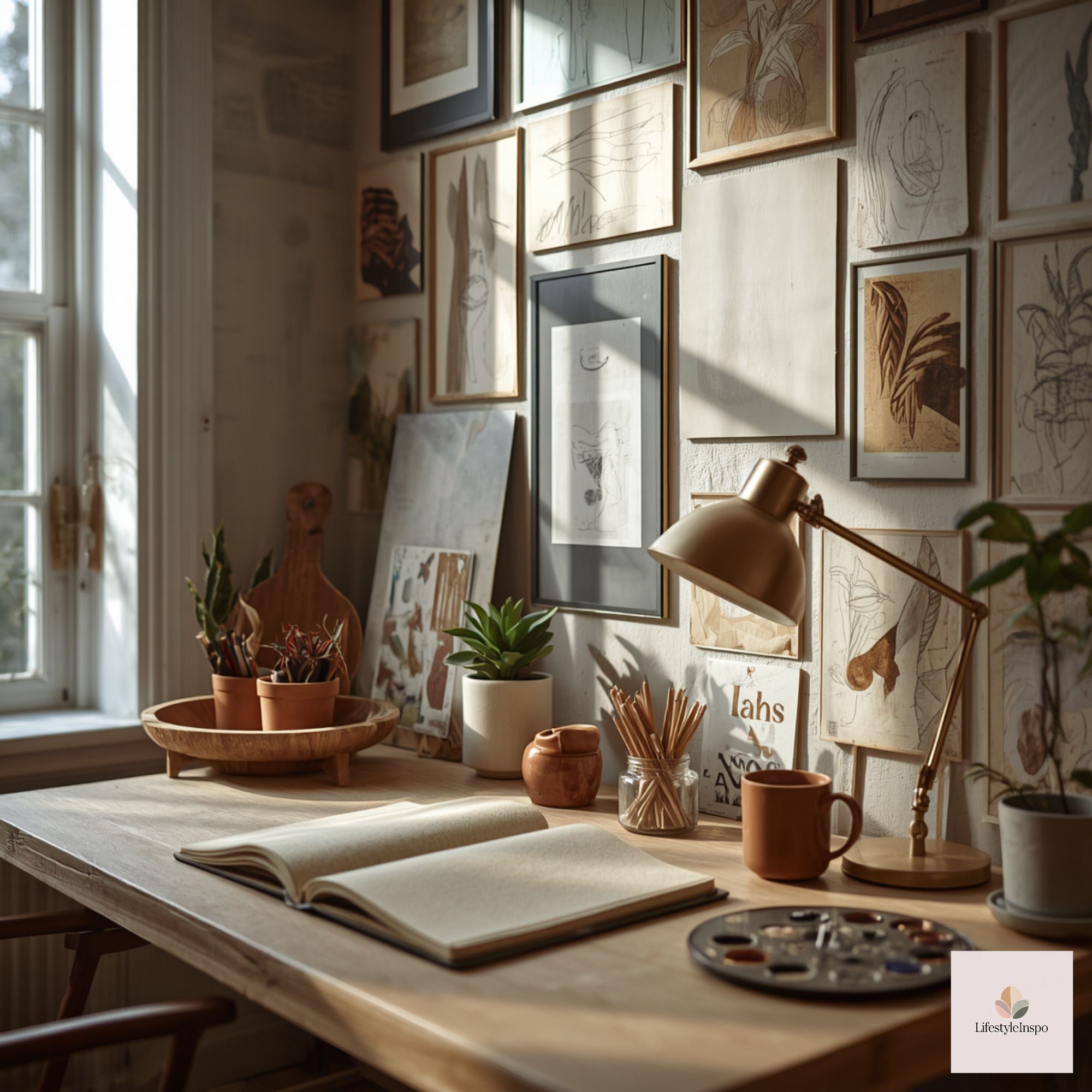
Designing a studio-style home office doesn’t require a loft-sized space or a design degree. It’s about adopting the mindset of a studio—prioritizing layered visuals, curated tools, and an environment that invites making. Think artful backdrops, tactile surfaces, and purposeful clutter that looks intentional rather than messy. Below are step-by-step strategies and styling tips that you can implement over a weekend or a few evenings.
Start with the backdrop—set the tone

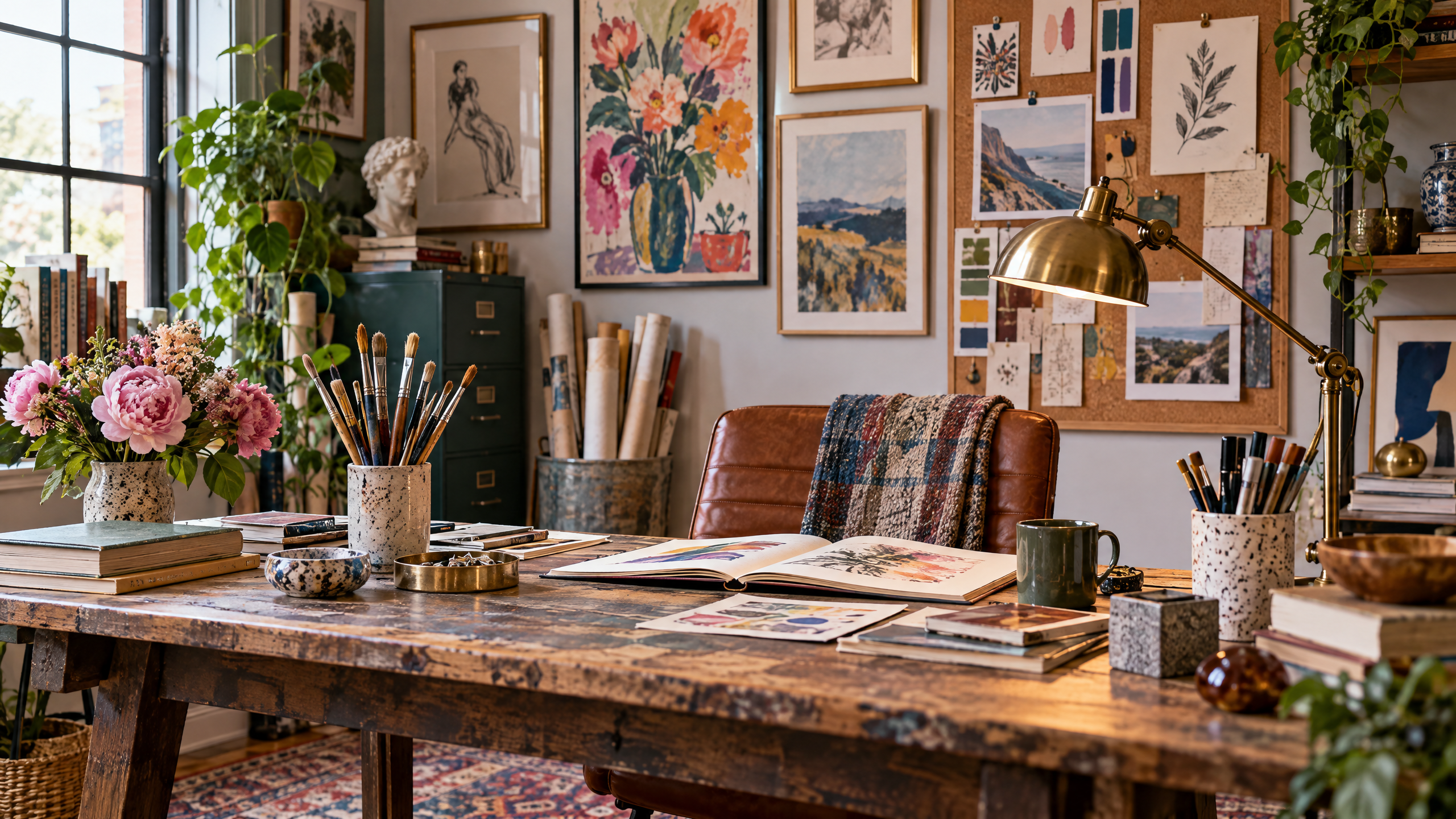
In a studio, walls and backdrops are more than boundaries; they’re part of the composition. Choose a primary backdrop that anchors the room’s mood.
- Choose a focal wall: Paint one wall in a deep, muted tone (forest green, charcoal, or terracotta) or use a large-scale art piece to create an immediate sense of place.
- Consider an art-forward background scene: If you want a dramatic, curated effect without permanent changes, incorporate an Art Room Background Scenes piece into your workspace. It creates a layered, studio-like backdrop that instantly elevates video calls and your own visual experience.
- Layer texture with textiles: A woven wall hanging, a slim gallery ledge, or a large corkboard covered in inspiration clippings adds both visual depth and functionality.
Why this matters: A strong backdrop frames your workspace and provides continuity, so everything else you add feels intentional.
Build a composed desktop—tools as decor

In a studio, tools are part of the aesthetic. Treat your desk like a still life: every object earns its place.
- Start with a clean surface: Clear everything and decide what you need daily vs. occasionally.
- Keep essentials on display: A minimalist pen cup, a hand-sized stack of notebooks, and a small tray for keys and cards add personality without chaos.
- Add a signature piece with attitude: A playful, nostalgic computer prop—like a computer that says per my last email on a desk, 90s aesthetic—makes your desk feel curated. It’s both a conversation starter on video calls and a lighthearted reminder not to take work too seriously.
- Organize with intentional containers: Use trays, small baskets, and vertical file holders to maintain order while showing off textures (brass, rattan, matte ceramic).
Practical tip: Reserve a single corner of the desk for “in-progress” projects so you can keep the majority of the surface clear for focused work.
A computer that says per my last email on a desk, 90s aesthetic
Lighting that flatters and functions
Studio lighting is deliberate—soft on the face, bright on the task.
- Layer light: Combine an adjustable desk lamp for tasks, a warm-toned overhead or pendant, and a dimmable floor lamp to create atmosphere.
- Think about video calls: Angle a soft light source toward your face to avoid harsh shadows. Avoid direct glare on screens.
- Add low-light accents: String lights, a lighted display shelf, or a small picture light above an art piece can give your office a studio-soft glow after hours.
Curate art and objects like a gallery
A studio’s energy often comes from a rotating selection of artwork and objects. Adopt a curator’s mindset.
- Rotate regularly: Swap art, reference photos, and found objects seasonally to keep your space feeling fresh and inspiring.
- Mix scales: Pair a large focal piece (painting, print, or the Art Room Background Scenes) with a few smaller objects—vases, stacked books, and framed polaroids.
- Anchor with the personal: Include a couple of sentimental items—sketches, travel keepsakes, or a family photo—in muted frames to keep the space grounded and motivating.
Styling note: When arranging, aim for odd-numbered groupings (3 or 5 objects) and vary heights to create visual rhythm.
Zone the room for how you actually work
Studios aren’t single-purpose rooms. Create functional zones within your office for focused work, ideation, and breaks.
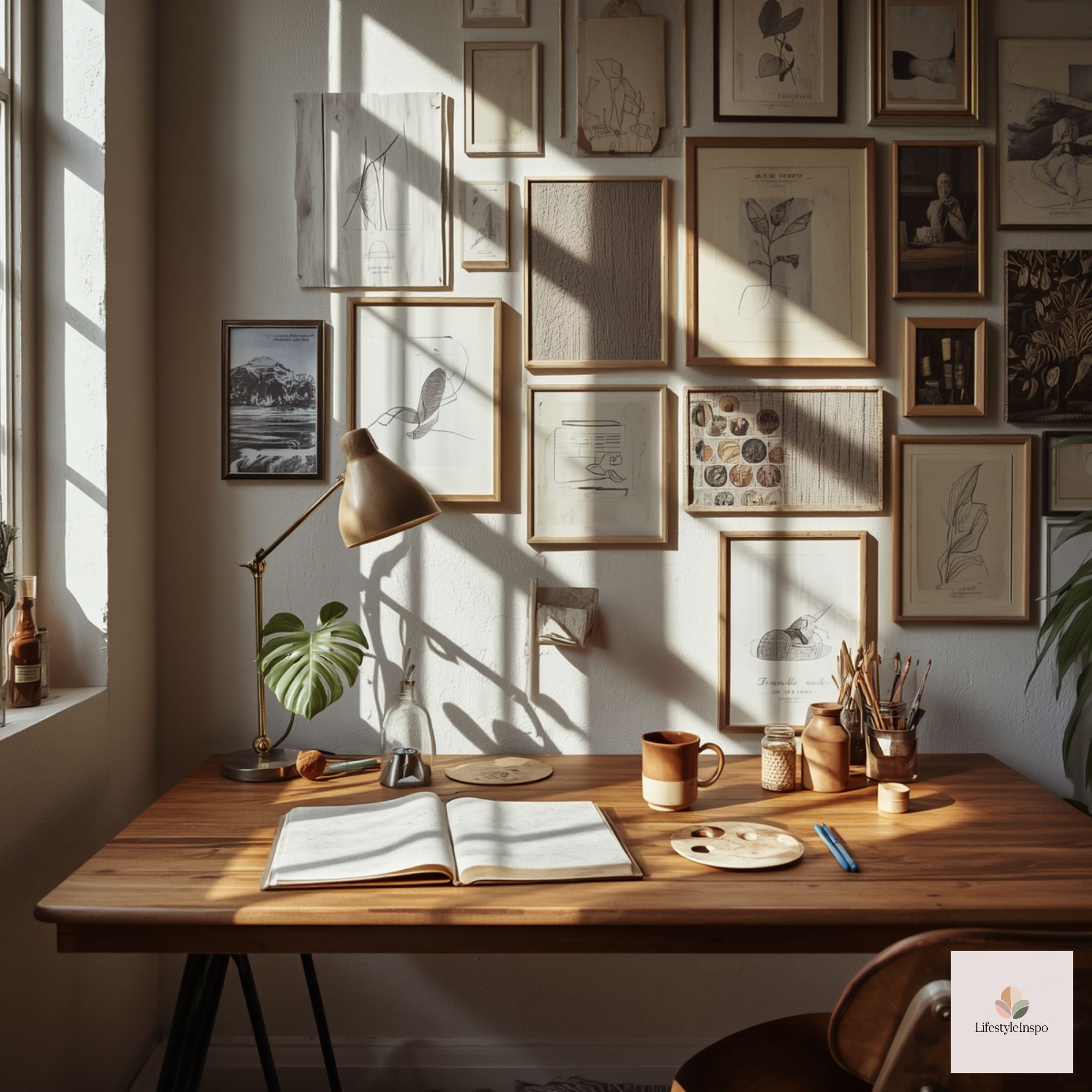
- Focus zone (primary desk): Keep this uncluttered and ergonomically set up with a comfortable chair, monitor at eye level, and a keyboard tray if needed.
- Making zone (creative spread): A nearby table or shelf can hold sketch pads, mood boards, or materials you handle with your hands.
- Pause zone (mini retreat): A small chair or pouf with a side table for tea and a reading lamp invites micro-breaks, which are essential for creative stamina.
Layout for productivity
- Place your primary desk facing the room or toward a visually inspiring backdrop rather than the wall if possible. Facing a backdrop like an Art Room Background Scenes piece makes video calls visually professional and helps avoid the boxed-in feeling of staring at a blank wall.
- Keep frequently used supplies within arm’s reach and lesser-used items stored vertically in closed cabinets to keep the space feeling curated rather than chaotic.
Textiles, plants, and scent—softening the studio
Small sensory touches make a workspace feel lived-in and welcoming.
- Rug: Anchor the desk with a rug that complements, not competes with, your backdrop. A handwoven rug adds warmth and sound absorption.
- Plants: A sculptural plant (rubber plant, fiddle leaf fig) or a few low-maintenance succulents brings life and improves air and mood.
- Scent: Use a subtle diffuser or a soy candle with a soft scent—lavender or cedar—to cue focus sessions or help wind down at day’s end.
Practical styling steps to complete your look (weekend-friendly)
Use these steps as a timeline to tackle the transformation in manageable chunks.
Day 1: Define the backdrop and layout
- Test possible focal walls with paint samples or hang the Art Room Background Scenes to visualize the mood.
- Rearrange the room so your desk faces your chosen focal point and create basic zones.
Day 2: Curate the desktop and storage
- Declutter the desk, group essentials, and place signature pieces (like the computer that says per my last email on a desk, 90s aesthetic) where they’ll be visible but not in the way.
- Add organizers and a task lamp.
Day 3: Layer art and textiles
- Hang art, set up a gallery ledge, and place a rug and plants.
- Fine-tune lighting and add display-level items.
Day 4: Final touches and rotate
- Edit the space—remove anything superfluous.
- Create a small rotation box for future artwork swaps and keep a notepad for curation ideas.
Budget-friendly and small-space solutions
A studio vibe doesn’t have to be expensive or large.
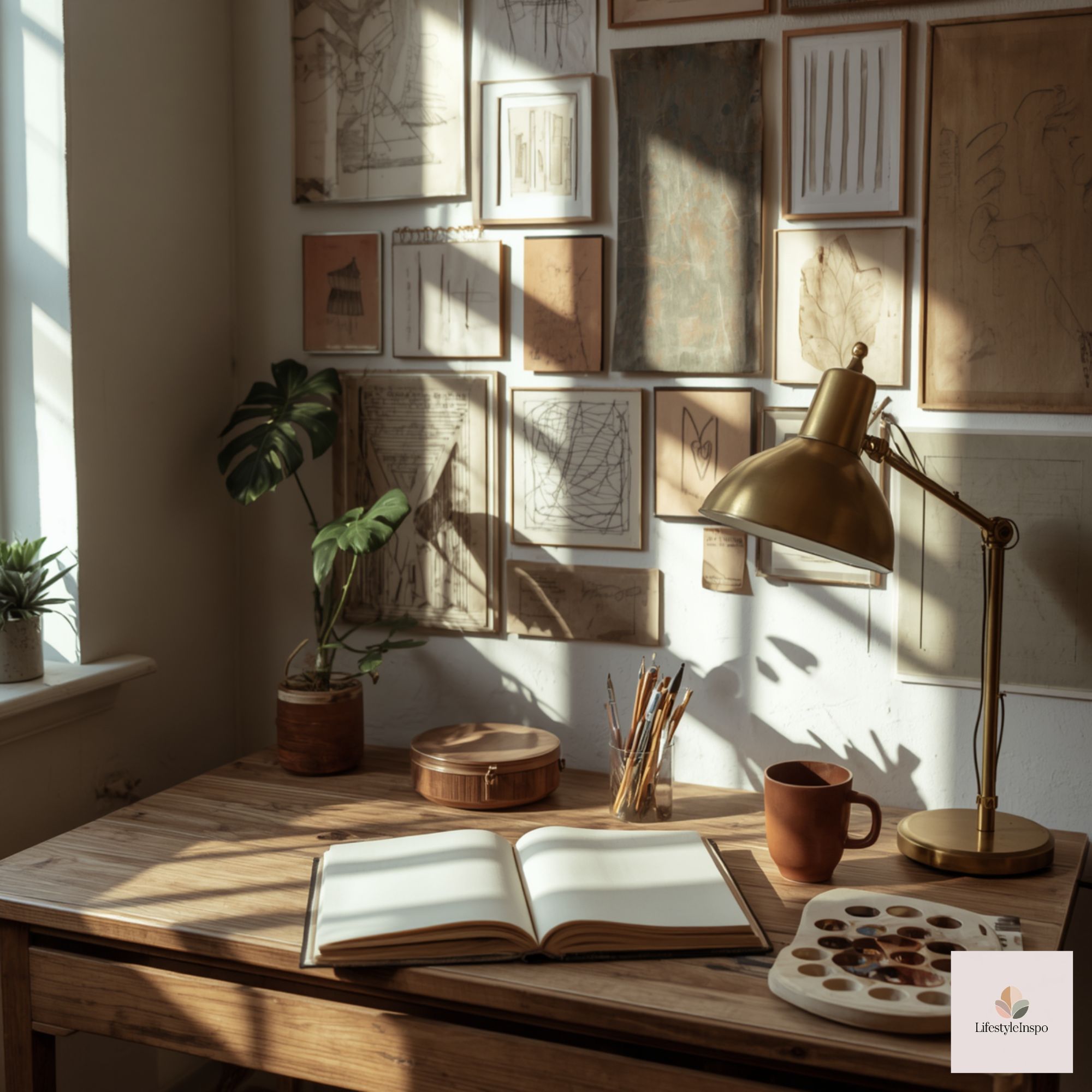
- Swap, thrift, and repurpose: Hunt for secondhand frames, vintage desk lamps, and interesting textiles to achieve a curated look without the price tag.
- Use vertical space: Install shelves above the desk to keep surfaces clear but still display objects.
- Choose multipurpose furniture: A fold-down table or a mobile cart can serve as a making zone when needed and tuck away when not.
- Faux plants and prints: If natural light is limited, high-quality faux florals and printed art can bring the look to life with less maintenance.
Small-space styling trick: If floor space is tight, frame a vertical mood wall using slim shelving, the Art Room Background Scenes, and a hanging lamp to get a studio rhythm without sacrificing working area.
Accessibility and comfort-first design
An artistic office should invite anyone to sit down and work comfortably.
- Ergonomics: Ensure chair height, monitor distance, and keyboard placement are set to minimize strain. Consider an adjustable-height desk if your budget allows.
- Clear pathways: Keep the main approach to your desk free of obstacles; if you rely on mobility devices, ensure adequate turning radius and reachable storage.
- Tactile cues: Use textured rugs or contrasting colors to delineate zones for those who benefit from sensory markers.
- Lighting controls: Use dimmers or multiple light sources so you can easily adjust brightness for different needs and times of day.
Maintenance—how to keep the studio feeling fresh
An artful office benefits from light maintenance rather than a total overhaul.
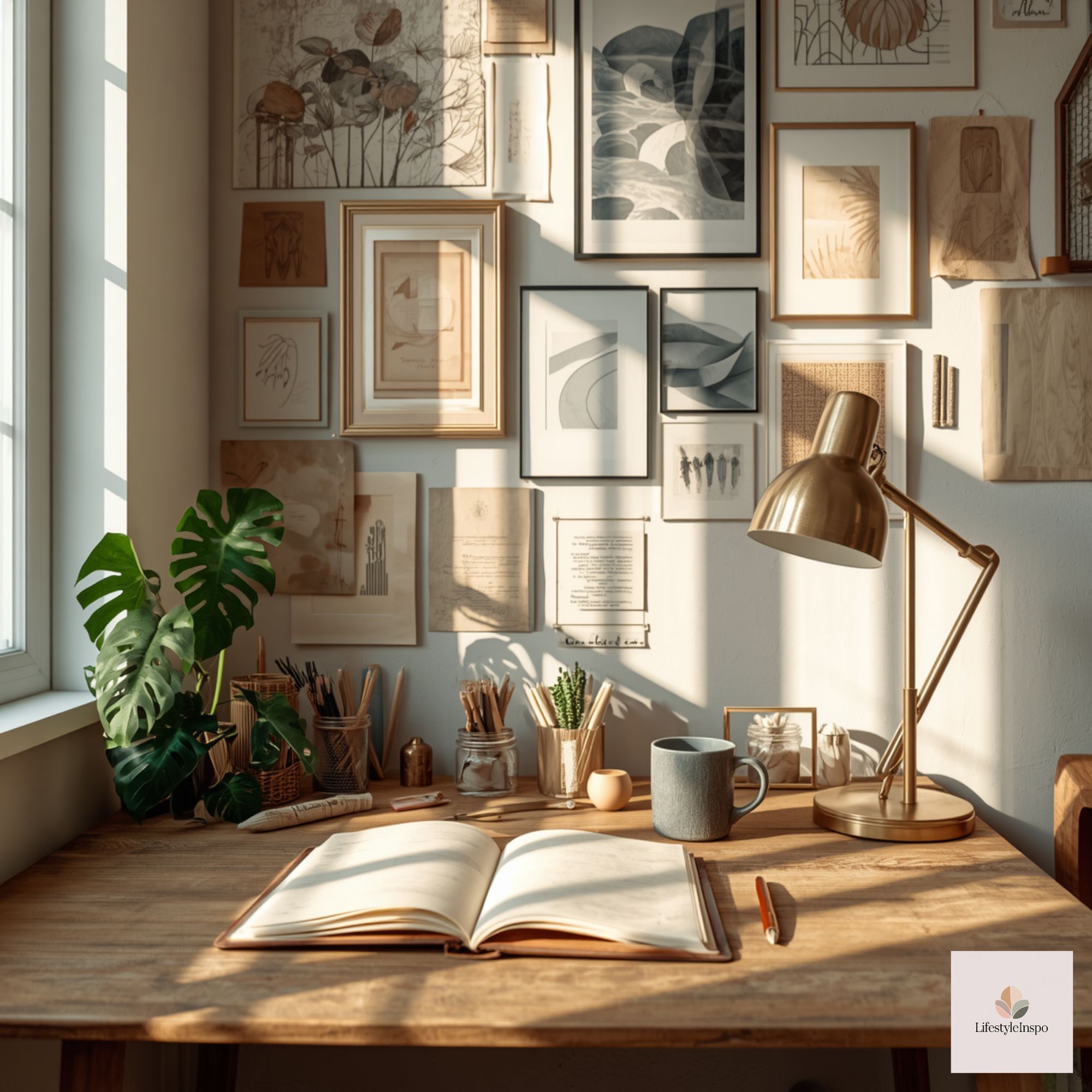
- Weekly 10-minute reset: Clear your desk, put away stray items, and refresh a plant or candle.
- Monthly curation: Rotate one art piece or object to keep your visual field interesting.
- Seasonal deep clean: Reassess the utility of items and donate or store what you no longer use.
Styling examples by aesthetic
Pick one as a starting point and adapt components to fit your space.
- Minimalist studio: Clean lines, monochrome backdrop, one sculptural plant, and a single signature object like the 90s aesthetic computer element for personality.
- Bohemian studio: Layered textiles, rattan baskets, colorful rug, and a rotating gallery ledge with postcards and small art.
- Industrial studio: Raw materials, metal shelving, exposed bulb lighting, and framed black-and-white photography on the backdrop.
- Maximalist studio: Dense gallery wall, patterned rug, stacks of art books, and curated tabletop vignettes.
Final styling checklist
- Anchoring backdrop in place (consider Art Room Background Scenes)
- Desk ergonomically set and decluttered
- Signature desktop object placed (consider the playful per my last email computer piece)
- Layered lighting and one task lamp
- Plants and textiles added
- Zones defined and accessible
- Regular maintenance plan established
If you’re ready to make your desk more impactful, start by picking one statement backdrop and one playful desktop element. Use them as your design north star and build outward. Small changes—one print swap, a new lamp, or a curated backdrop—can shift the entire energy of your workday.
About the Author