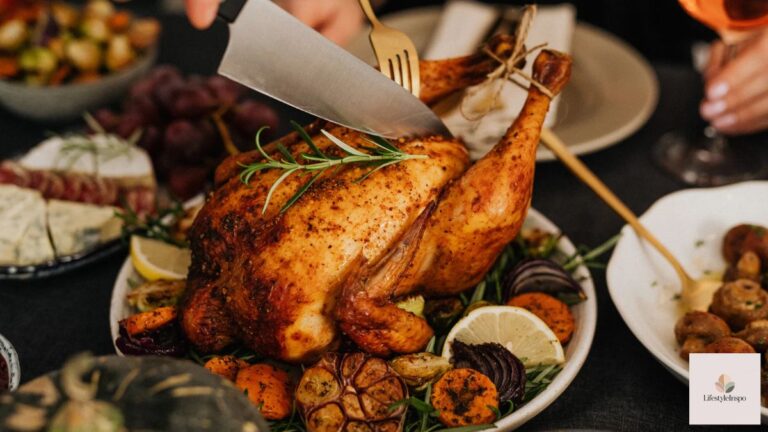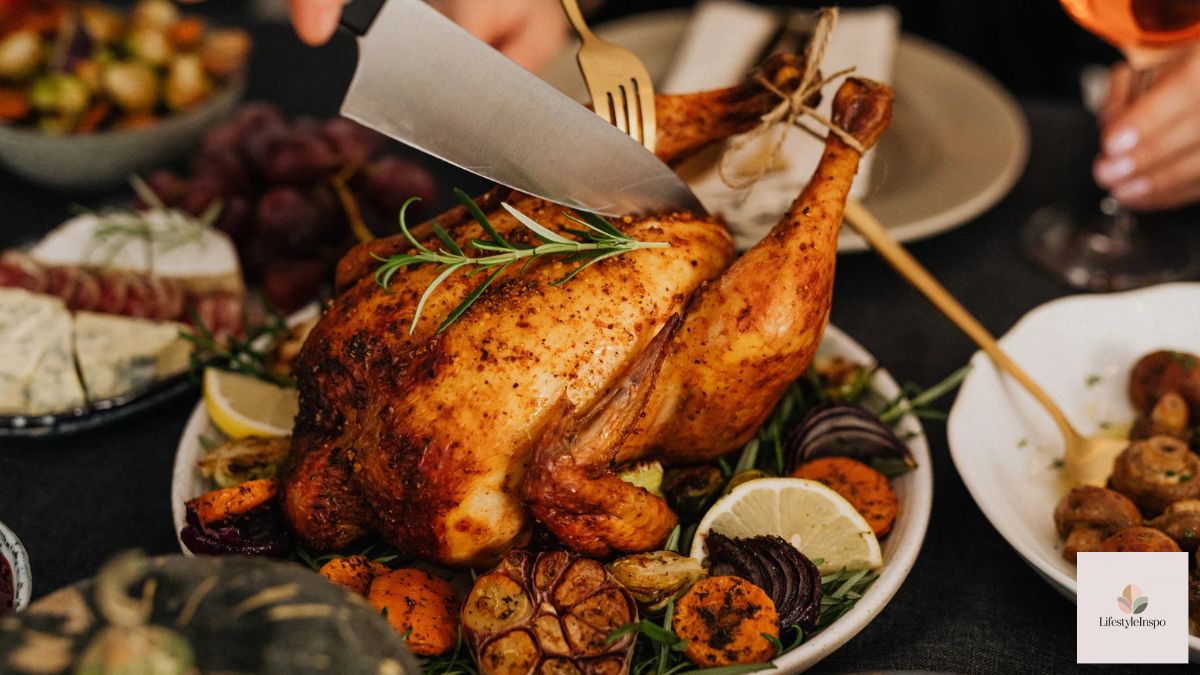
Spatchcock Turkey: The Faster, Juicier Way to Roast Your Thanksgiving Bird
If you’ve ever pulled a turkey out of the oven with perfectly golden breasts and legs that are still a little pink at the bone (or the reverse: legs done and breast dry), you already understand the problem. A whole turkey is shaped awkwardly. The breast cooks faster than the dark meat, so something always ends up compromised.
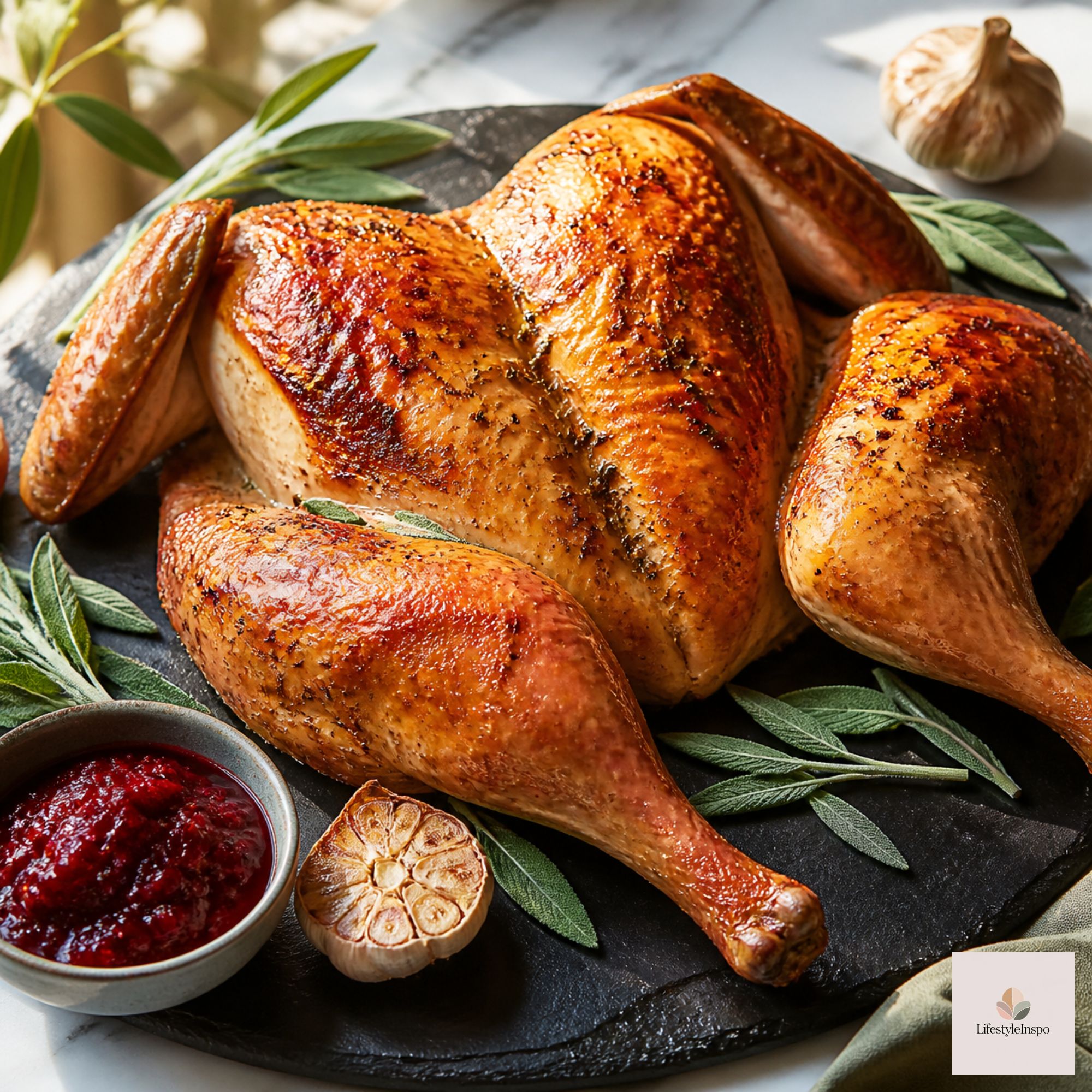
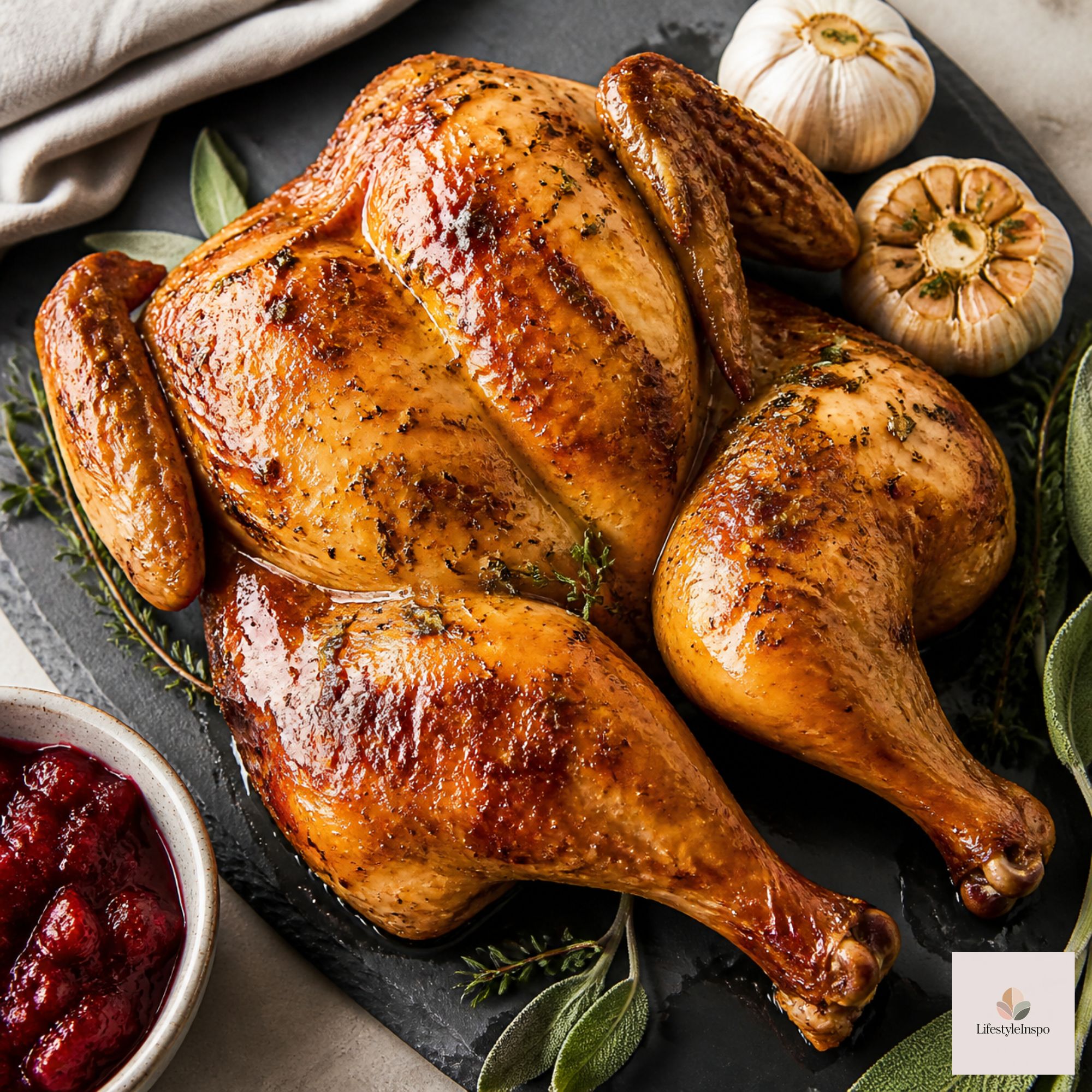
Enter the spatchcock. It sounds fancy (and a little funny), but it simply means removing the backbone and flattening the bird so it cooks evenly. The result? Crispier skin, juicier meat, and a roasting time that’s cut nearly in half. If you want one trick that makes Thanksgiving easier, this is it.
What Does “Spatchcock” Mean?
Spatchcocking, also called butterflying, is a technique where you cut out the turkey’s backbone and press the bird flat, like an open book. Because the whole turkey sits in a single even layer, the heat reaches every part at about the same rate. More skin touches the hot pan and the hot air, which means more browning and more crunch.
Why people swear by it:
- Faster cooking. A 14-pound turkey can be done in roughly 1½ to 2 hours at high heat.
- Even doneness. Breast and thighs finish together.
- Crispier skin. Nearly all of it is exposed.
- More oven space. A flat bird frees up time for your sides, since the oven is open sooner.
- Easy carving. The bird is already partly broken down.
The tradeoff: You lose the classic “whole bird” photo moment at the table. But you can carve in the kitchen and still bring out a beautiful platter. Most guests care a lot more about the taste.
Tools You’ll Want
You don’t need much, but two things make this much easier:
- Sturdy poultry shears. The backbone is bone, and regular kitchen scissors won’t cut it. Good poultry shears have serrated, spring-loaded blades that snip through the ribs with little effort. This is the one tool I’d say is essential.
- A roasting pan with a rack or a large rimmed baking sheet. The rack lifts the flattened bird so hot air circulates beneath it.
- An instant-read meat thermometer. Because the bird cooks so quickly, the margin between juicy and overdone is small. Check early and check often.
- A carving knife set for slicing after the rest.
Ingredients
For a 12 to 14 pound turkey (serves 8 to 10):
- 1 turkey, thawed completely
- 1 tablespoon kosher salt per 4 to 5 pounds of turkey (for a dry brine)
- 1 tablespoon black pepper
- 1 tablespoon chopped fresh thyme
- 1 tablespoon chopped fresh sage
- 1 tablespoon chopped fresh rosemary
- Zest of 1 orange
- ½ cup (1 stick) unsalted butter, softened
- 2 cloves garlic, grated
- 1 onion, quartered, plus 2 carrots and 2 celery stalks (to sit under the turkey)
- 1 cup chicken or turkey broth
Step-by-Step Instructions
Step 1: Thaw and Dry Brine
Thaw the turkey in the fridge, allowing roughly one day for every 4 to 5 pounds. A day or two before roasting, mix the salt, pepper, herbs, and orange zest. Pat the turkey dry, then rub the mixture all over, including under the skin of the breast. Place it on a tray and leave it uncovered in the refrigerator for 24 to 48 hours. The uncovered rest dries the skin, which is exactly what you want for crispiness.
Step 2: Remove the Backbone
Place the turkey breast-side down on a large cutting board, with the legs pointing toward you. (Put a damp towel under the board so it doesn’t slip.)
- Using your poultry shears, cut along one side of the backbone, starting at the tail end and working up toward the neck. Stay as close to the spine as you can.
- Repeat on the other side, then lift out the backbone. Don’t toss it! Save it for homemade turkey stock or gravy.
- If your turkey includes a neck and giblets, remove them from the cavity.
It takes a bit of muscle, so go slowly. Think of it like cutting through a firm cardboard tube. It’s a minute or two of effort, tops.
Step 3: Flatten the Bird
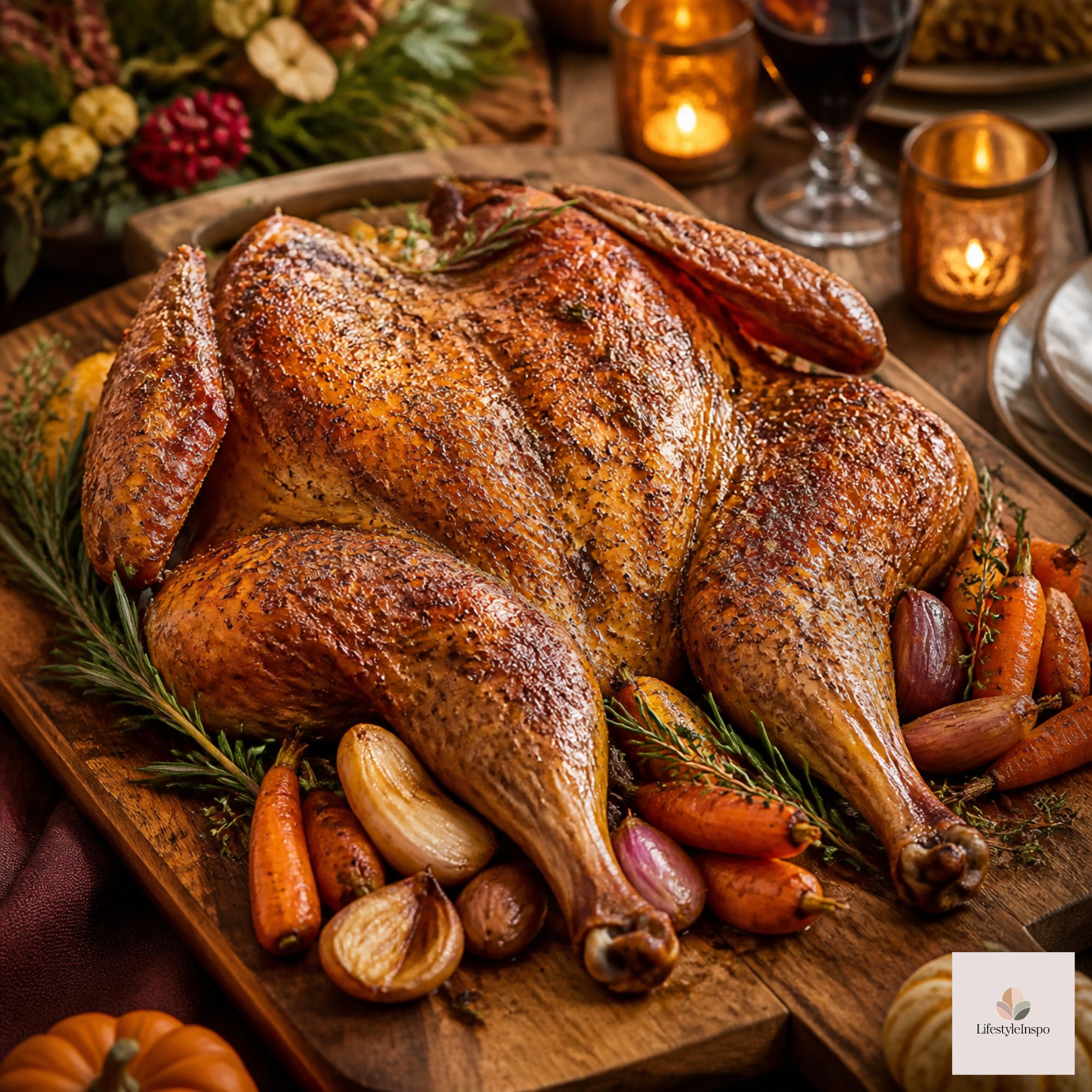
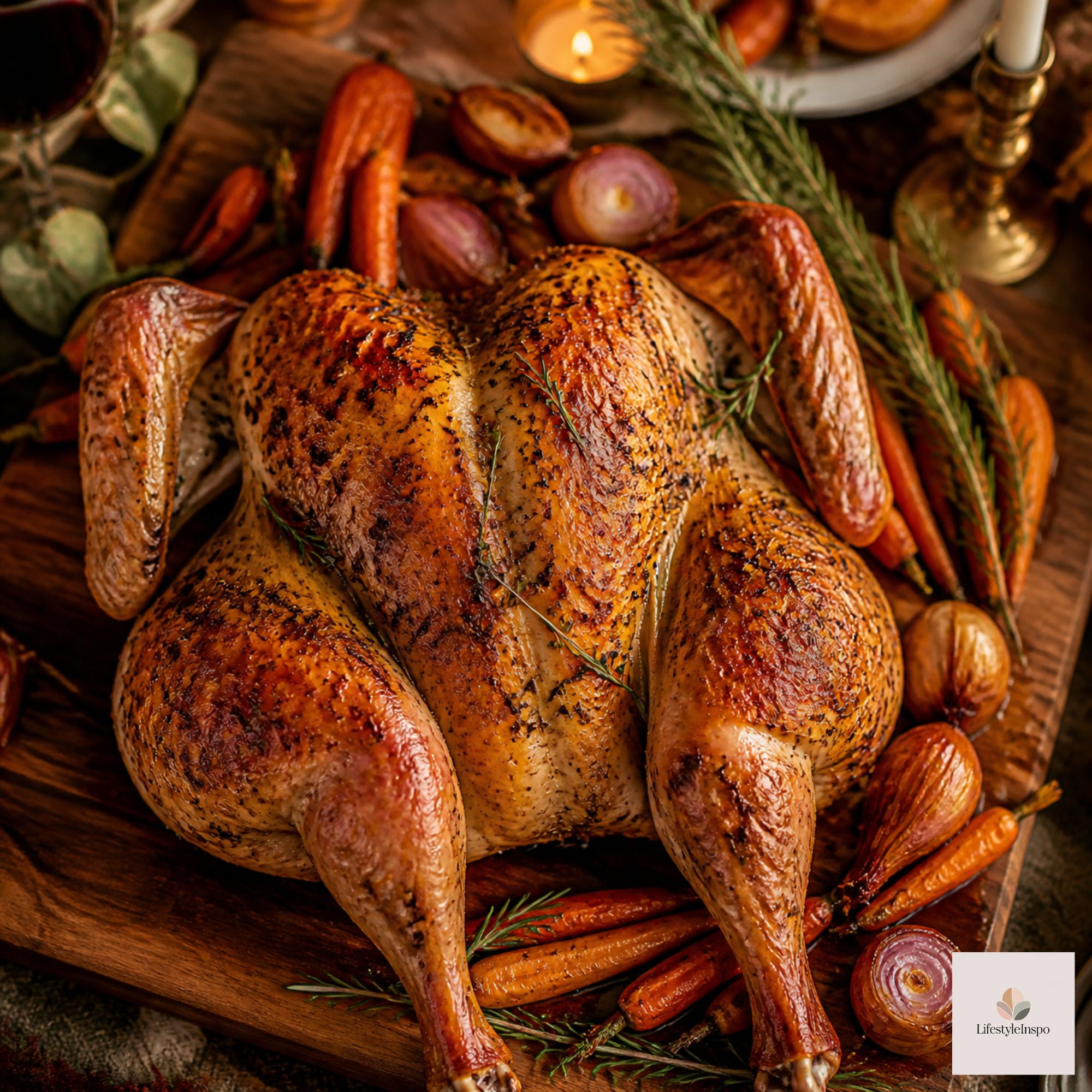
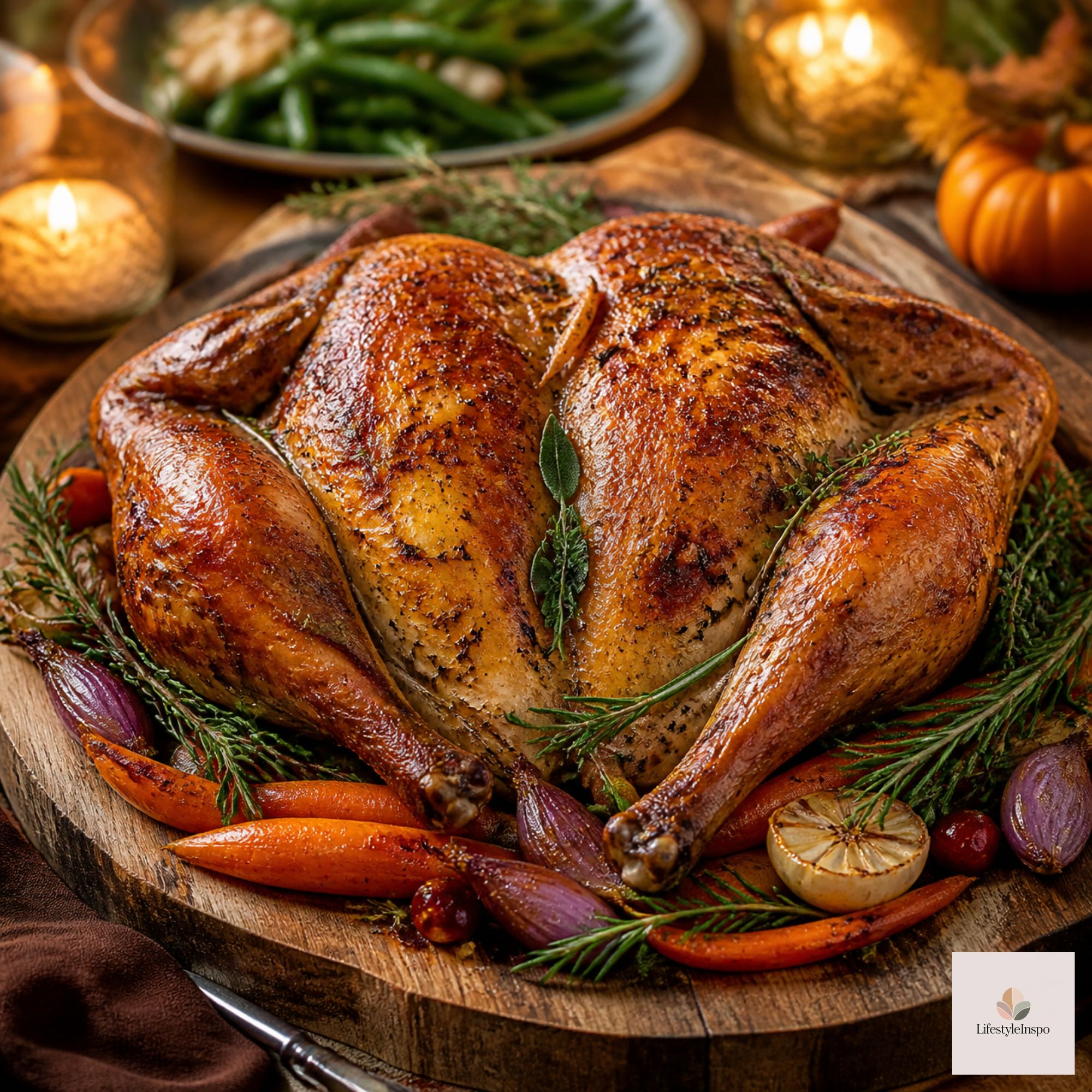
Flip the turkey so it’s breast-side up. Place both hands on the center of the breastbone and press down firmly until you hear a crack and the bird lies flat. If it resists, give it another firm push. Tuck the wing tips behind the breasts so they don’t burn.
Step 4: Season and Prep the Pan
Preheat the oven to 450°F with a rack in the lower third.
Scatter the onion, carrots, and celery in the bottom of your roasting pan, set the rack on top, and pour in the broth. Mix the softened butter with the grated garlic and rub half of it under the skin and the rest on top. Place the turkey on the rack.
Step 5: Roast It Hot
Roast at 450°F for about 1½ to 2 hours for a 12- to 14-pound bird. After the first 30 minutes, you can rotate the pan if your oven has hot spots. If the skin is getting dark before the meat is done, tent the breast loosely with foil.
Start checking the temperature at the 1 hour 15 minute mark. You’re looking for:
- 165°F in the thickest part of the breast
- 175°F in the thighs (dark meat is more tender at a slightly higher temperature, though 165°F is the safe minimum)
Step 6: Rest, Then Carve
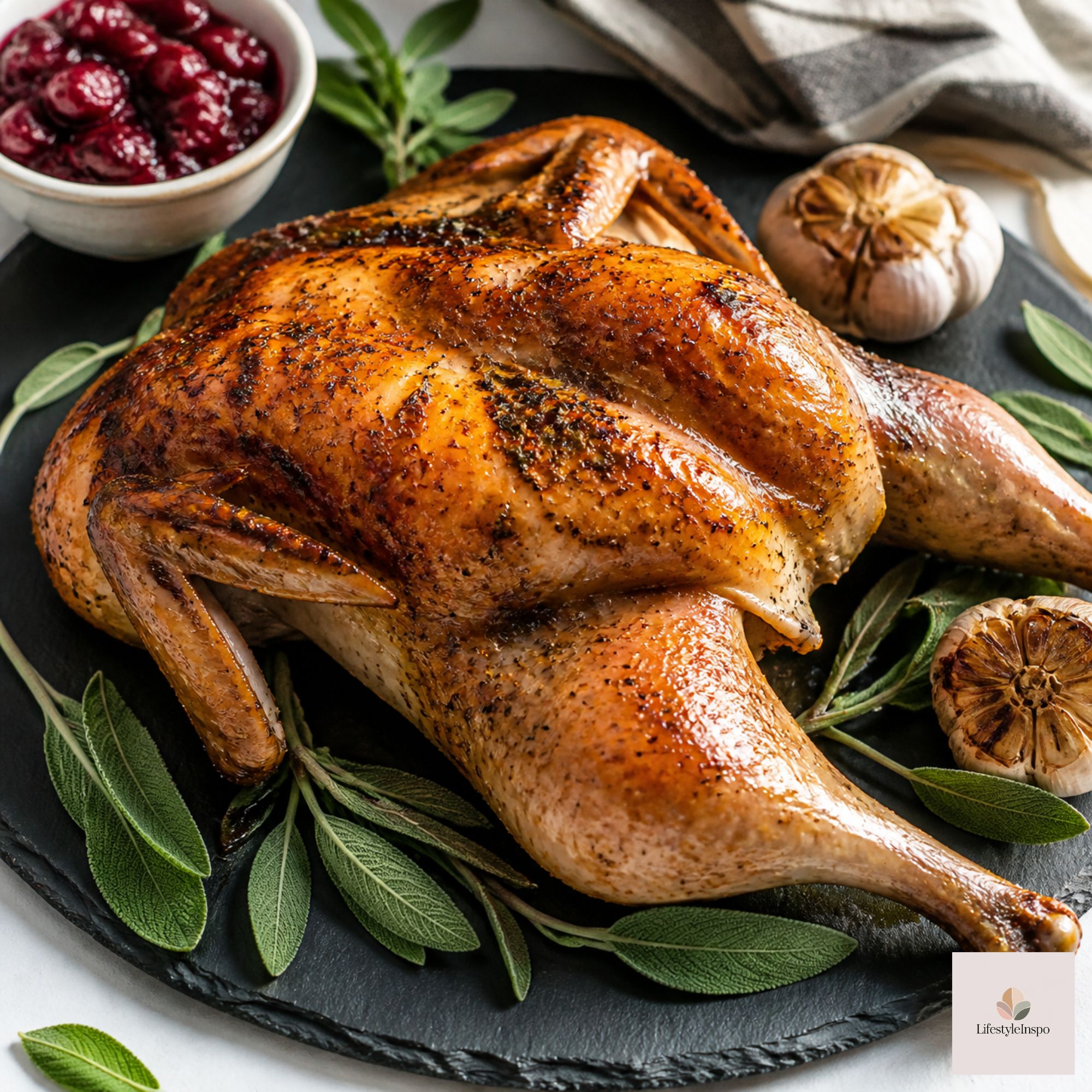
Move the turkey to a cutting board and let it rest for 20 to 30 minutes, loosely covered. This gives the juices time to settle and gives you a perfect window to make gravy from those pan drippings.
To carve, remove the legs and thighs first, then slice the breast meat off the bone and cut it crosswise into ½-inch slices. Arrange on a warm platter and spoon a little of the pan juices over the top.
Gravy From the Pan Drippings
The vegetables under your turkey will give you incredible drippings.
- Strain the juices into a measuring cup and skim off the fat, reserving ¼ cup.
- In a saucepan, heat the reserved fat over medium and whisk in ¼ cup flour. Cook for 1 to 2 minutes.
- Slowly whisk in about 3 cups of warm broth and the strained drippings.
- Simmer for 5 to 8 minutes until thickened. Season to taste.
Serve it in a gravy boat so it stays warm and pours cleanly at the table.
Spatchcock Turkey Timing Chart
Times vary by oven, so use these as a guideline and confirm with a thermometer.
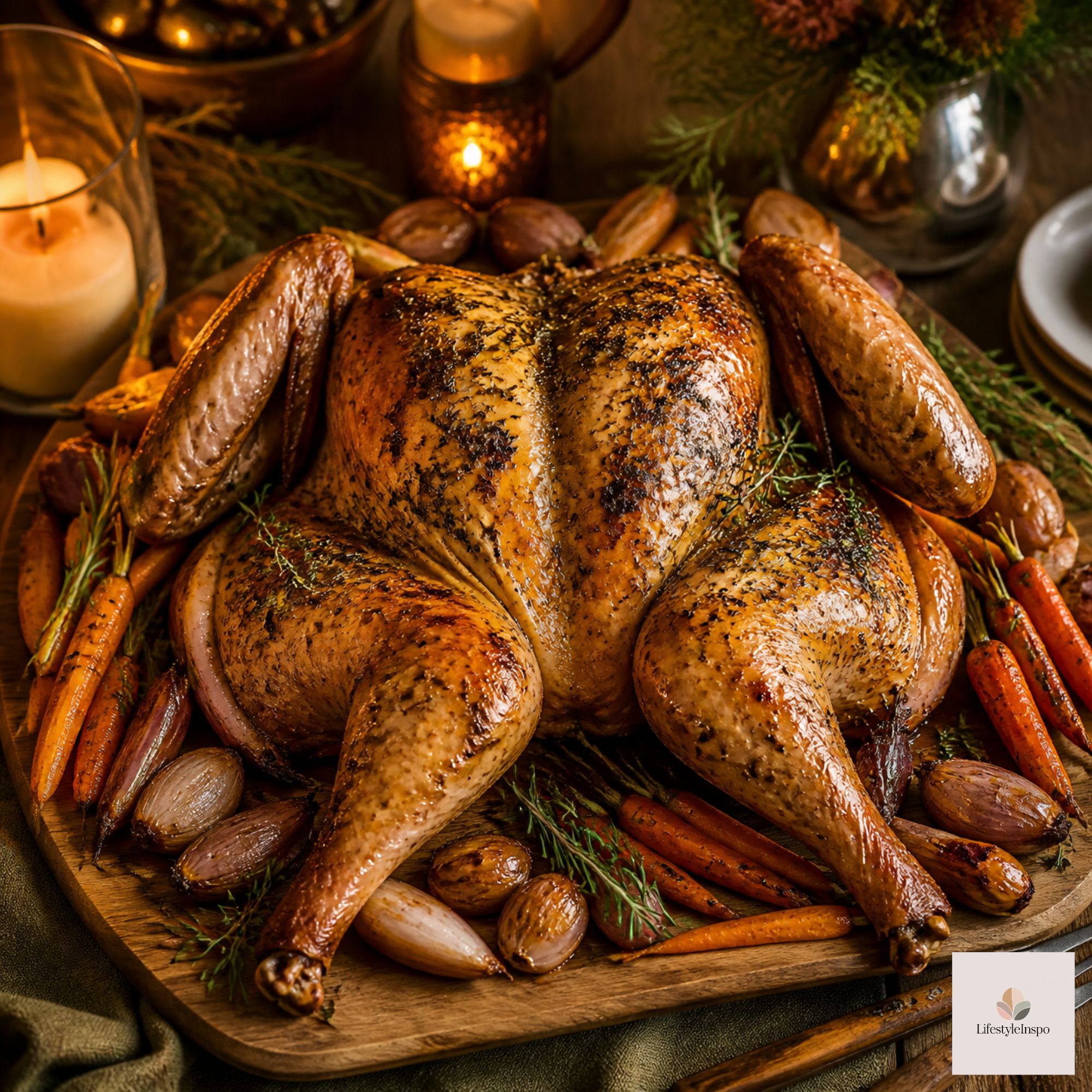
- 10 to 12 pounds: about 1 to 1½ hours
- 12 to 14 pounds: about 1½ to 2 hours
- 14 to 16 pounds: about 1¾ to 2¼ hours
- 16 to 18 pounds: about 2 to 2½ hours
Turkeys over 18 pounds are tough to spatchcock and may not fit your pan. If you’re cooking for a big crowd, consider two smaller birds.
Troubleshooting Common Problems
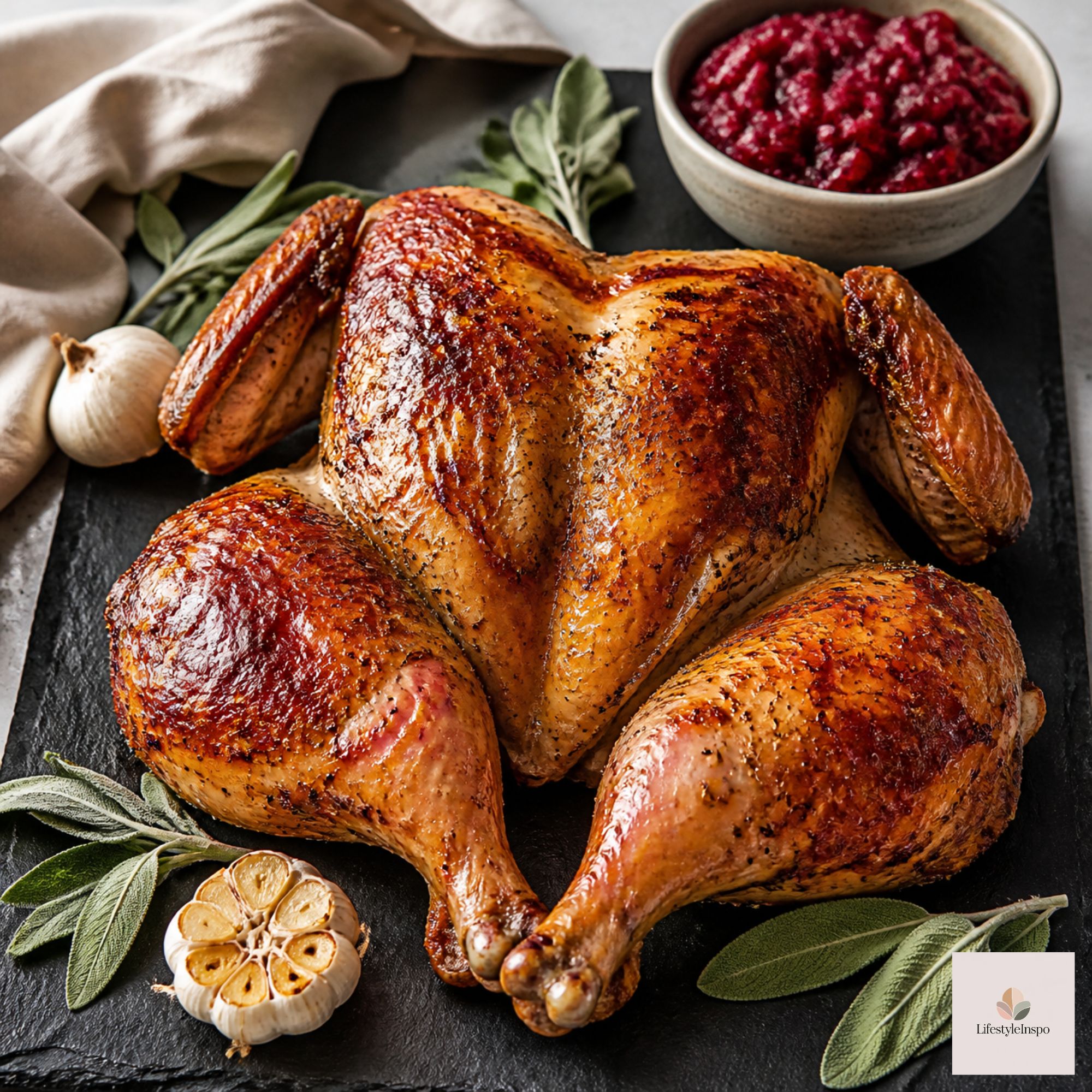
The skin isn’t crispy. Make sure the turkey was patted completely dry and (ideally) left uncovered in the fridge. Don’t add liquid so high that it touches the skin.
The breast is done before the thighs. Tent the breast with foil, or shield it for the last 15 to 20 minutes. You can also let the thighs catch up by placing the bird so the legs face the back of the oven, which is often the hottest spot.
There’s lots of smoke. High heat can cause drippings to burn. Add a splash of broth or water to the pan if the bottom looks dry.
I can’t get the backbone out. Use sharp shears and take your time, cutting a little at a time. Another option is to ask your butcher to spatchcock it for you.
Make It Your Own: Flavor Variations
- Lemon-garlic herb. Swap the orange zest for lemon and add extra garlic.
- Smoky paprika. Add 1 tablespoon of smoked paprika and a pinch of cayenne.
- Maple-Dijon. Brush with a mixture of maple syrup and Dijon mustard in the last 20 minutes.
- Citrus-sage. Tuck orange slices and fresh sage leaves under the skin.
Store and Reheat Leftovers
Once it’s cooled, carve the leftover turkey and store the meat in glass food storage containers with a splash of broth to keep it from drying out. It keeps for 3 to 4 days in the fridge. Reheat gently in a covered dish at 325°F, adding more broth as needed. Don’t forget to use the carcass and backbone for soup!
Frequently Asked Questions
Does spatchcock turkey taste different? Not really, but many people find it juicier, with crispier skin and more even seasoning.
Can I stuff a spatchcock turkey? No. Since the bird is flat, there’s no cavity. Bake your stuffing in a separate dish. You can even set it under the turkey rack so it catches the drippings.
Do I need to brine it? It isn’t required, but seasoning ahead with salt makes a big difference in flavor and moisture.
How do I fit it in my oven? Measure your pan and oven before you start. Most standard ovens can fit a 14-pound spatchcock turkey on a large roasting pan or rimmed sheet.
Is spatchcock safe? Yes. Safety depends on reaching 165°F, which a thermometer will confirm.
Final Thoughts
Spatchcocking might feel intimidating the first time, but it’s really just a few extra minutes of prep in exchange for hours saved on Thanksgiving Day. You get crispy skin, juicy meat, and a bird that’s easy to carve, all with a bonus: a free oven for your side dishes sooner.
Give it a try this year, and don’t be surprised if it becomes your new tradition.
About the Author