How to Look Expensive on a Budget: 13 Tricks That Work
The most stylish people you’ve ever admired probably didn’t build their wardrobes by spending the most money. Looking expensive is almost never about what you actually spent — it’s about understanding what signals quality, care, and intention to the people around you. Those signals are learnable. And once you know them, you’ll see immediately why some $30 outfits look like they cost ten times more, and why some truly expensive pieces look oddly cheap.
Here are the 13 tricks that make the difference — and not one of them requires you to go broke in the process.
1. Fit Is the Non-Negotiable Foundation
Nothing communicates “expensive” more reliably than clothes that fit perfectly — and nothing undermines the most luxurious outfit faster than something that doesn’t. An ill-fitting blazer from a designer label looks worse than a well-fitting blazer from a budget brand. This is not a metaphor. It’s just true.
The expensive-looking secret that most people skip: learn basic tailoring, or find a tailor. A pair of trousers hemmed to the perfect length, a blazer taken in at the waist, a dress adjusted to your specific proportions — these small alterations cost between $10 and $40 and transform the way clothing looks on your body.
If you’re not at the tailor stage yet, at minimum: make sure your clothes sit at the right place on your body, that seams are at your actual shoulder, and that nothing is pulling, bunching, or gaping.
2. Embrace Neutral and Tonal Dressing
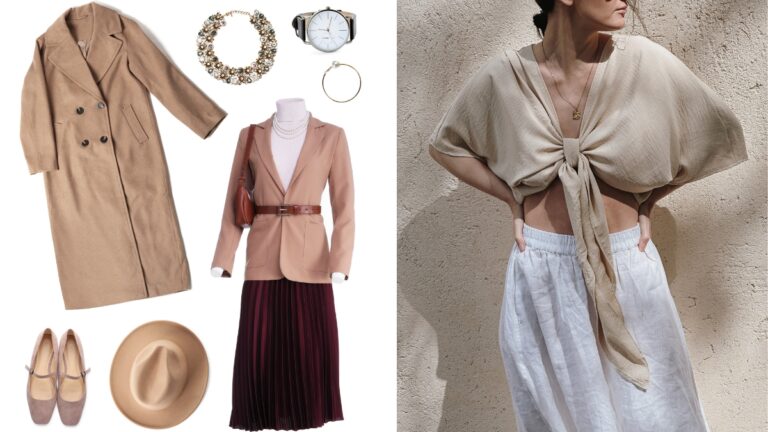
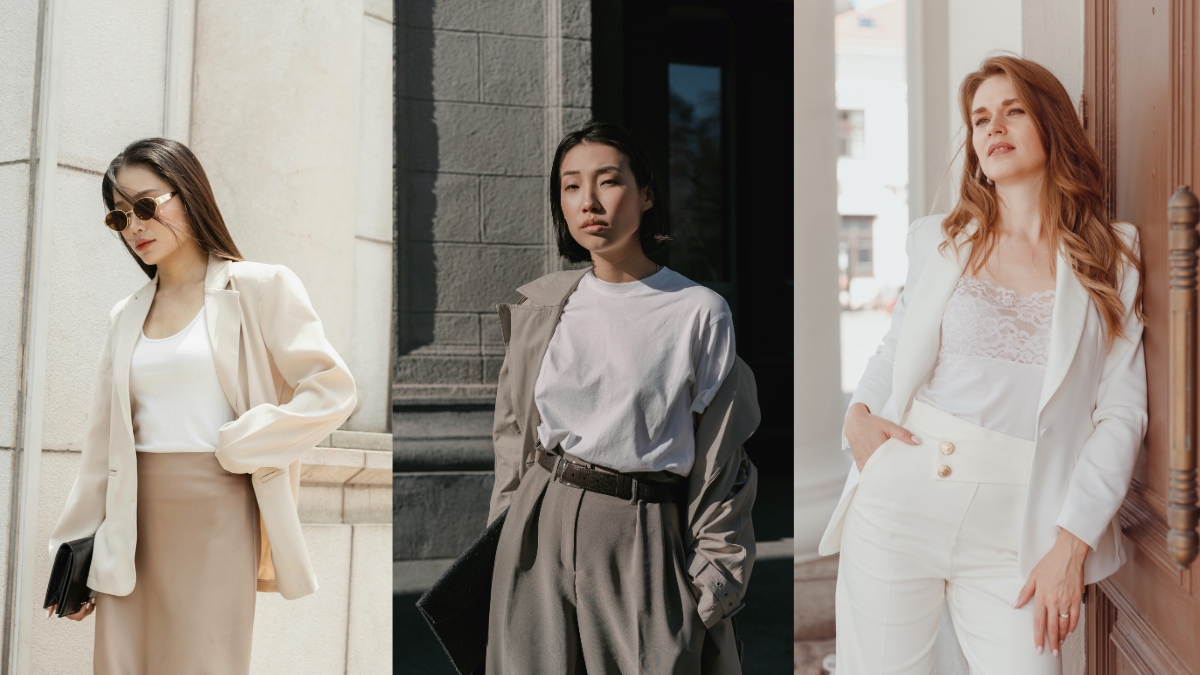
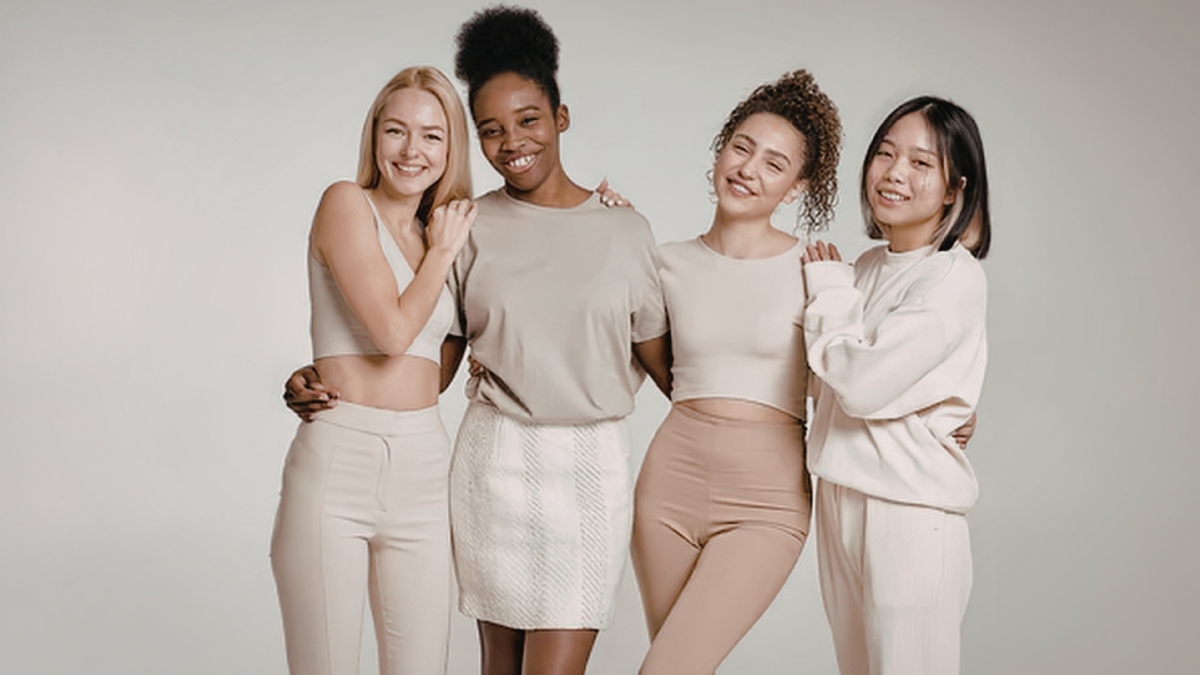
There’s a reason “quiet luxury” became a cultural phenomenon: tonal, neutral dressing reads as expensive. An all-cream or all-camel outfit communicates effortlessness and sophistication in a way that clashing colours or busy prints simply can’t.
This doesn’t mean everything has to be beige forever. It means building your foundation in neutrals and adding contrast deliberately rather than accidentally. Cream trousers, a camel knit, tan loafers — all from budget brands — will consistently read as “looks like money” because the palette does the signalling.
3. Invest in Your Shoes (Budget Everything Else)
Shoes are the item most likely to reveal the truth about an outfit’s budget — and most likely to elevate it when they’re good. A great pair of leather loafers, quality ankle boots, or a real leather flat makes every outfit above them look more expensive by association.
The formula: save significantly on tops, graphic pieces, and seasonal items. Put those savings toward one pair of genuinely good shoes. The ratio of impact to investment is better on shoes than almost anywhere else in your wardrobe.
4. Carry a Structured Bag
After shoes, the bag is the second most powerful luxury signal. A structured bag in a neutral colour — the kind with clean lines, visible hardware quality, and a shape that holds itself — communicates wealth and intention in a way that a floppy nylon tote simply doesn’t.
It doesn’t need to be designer. It needs to be structured and well-made. Many mid-range and budget brands do this well. One excellent structured bag for everyday use is worth more to your overall look than a drawer full of mediocre accessories.
5. Choose Clothes That Are Made of Natural Fabrics (When Possible)
Polyester looks cheap because it behaves cheaply — it wrinkles oddly, pills quickly, and doesn’t drape naturally. Natural fibres — cotton, linen, wool, silk — drape, breathe, and age in ways that communicate quality instinctively to anyone looking.
When budget shopping, prioritise natural fabrics even when the cut or design is more affordable. A $25 linen top in a simple cut looks more expensive than a $25 polyester blouse trying to look luxurious. The fabric is doing the work.
6. Groom Your Clothes as Carefully as You Groom Yourself
This is the trick most people are sleeping on: the condition of your clothes affects how expensive they look as much as the price you paid for them.
- Lint roll before wearing — even one day’s worth of lint visibly cheapens a look
- Steam or iron regularly — wrinkled clothes look cheap regardless of what they cost; a $15 handheld steamer is one of the best fashion investments you’ll ever make
- Depill knitwear with a fabric shaver — it genuinely restores the look of a tired sweater
- Keep shoe soles and heels in good condition — scuffed soles undermine the whole effect
Wearing well-maintained clothes makes a $40 outfit look significantly more expensive. Wearing neglected clothes makes a $400 outfit look significantly cheaper.
7. Wear Less, More Intentionally
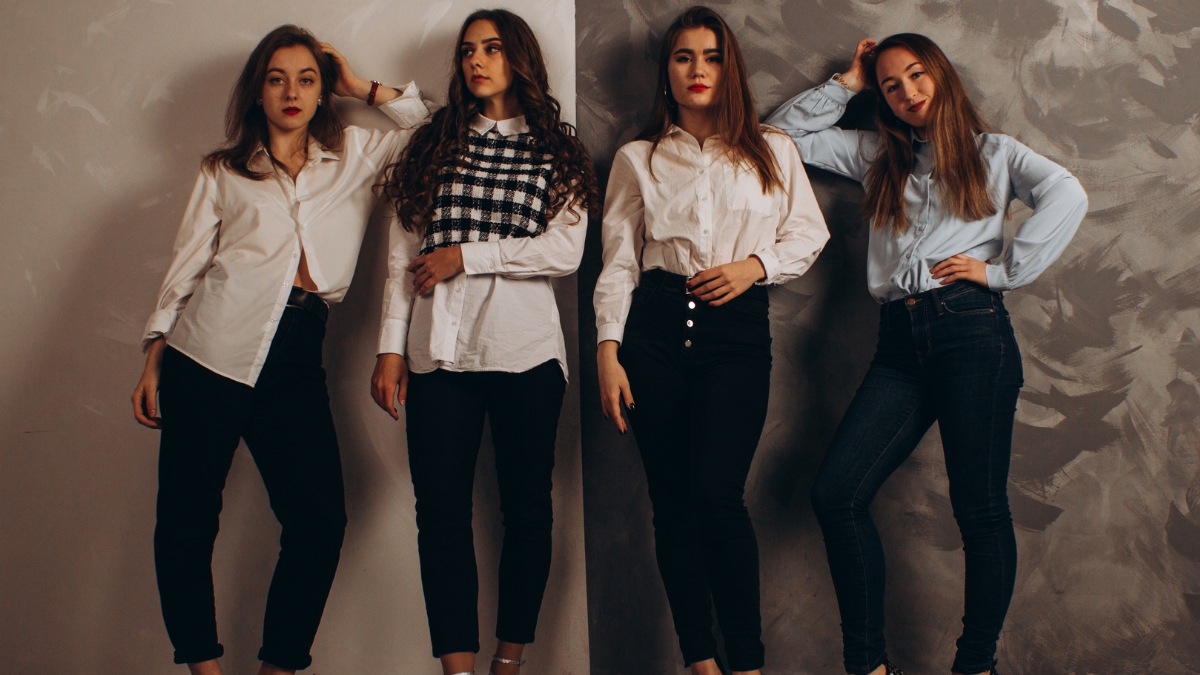
The expensive-looking wardrobe principle that trips people up: more is not more. Adding accessories, layers, and prints on top of each other doesn’t create a “rich” look — it creates a busy one.
Expensive-looking outfits are typically edited. They have a clear focal point and let it breathe. One statement piece. Everything else in service of it. The restraint communicates confidence — the feeling that you don’t need to pile things on to look good, because each piece is strong enough on its own.
The expensive-dressing rule: if you’re getting dressed and you feel the urge to add one more thing, remove something instead.
8. Choose Expressive Pieces With Visual Quality
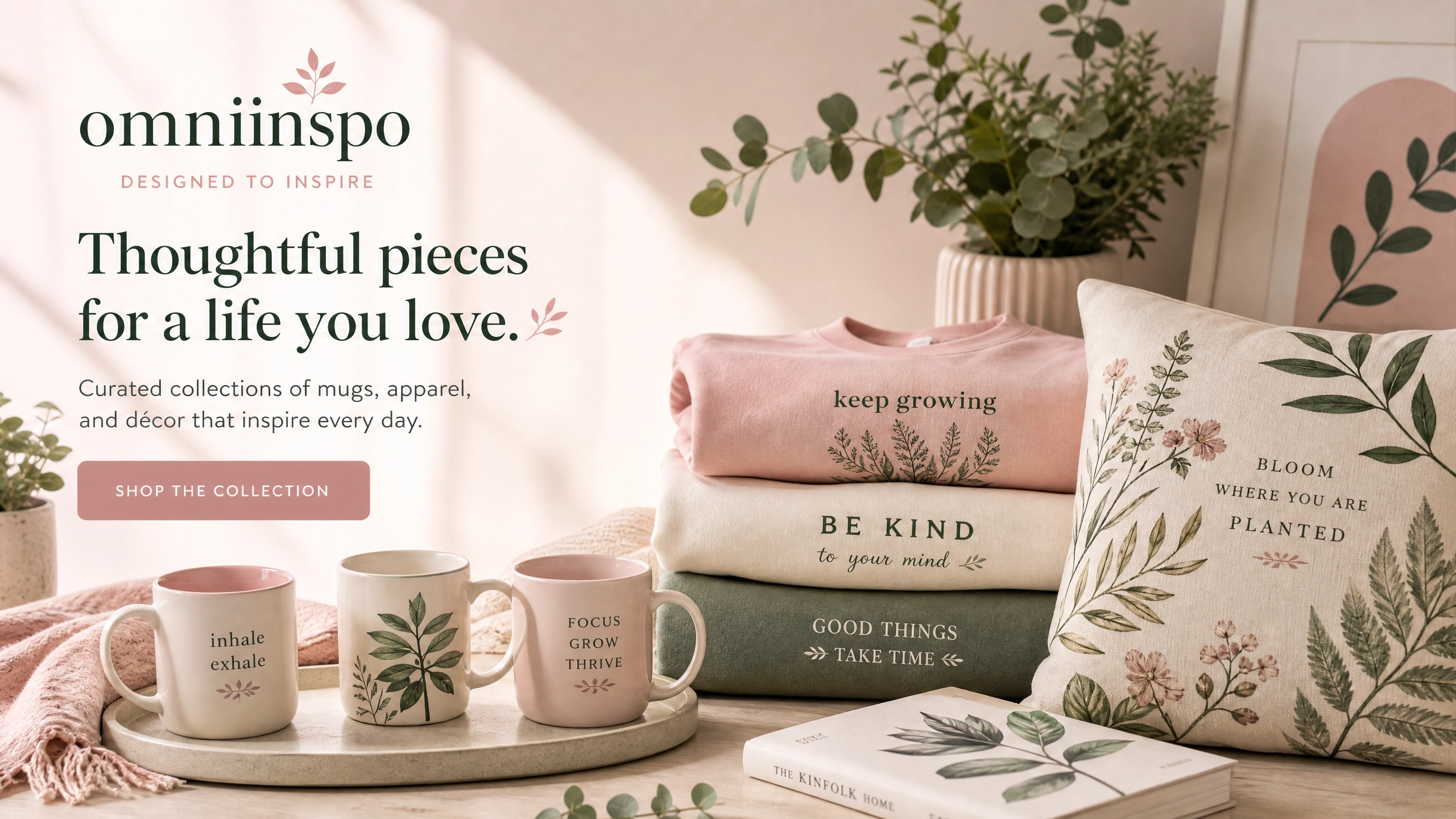
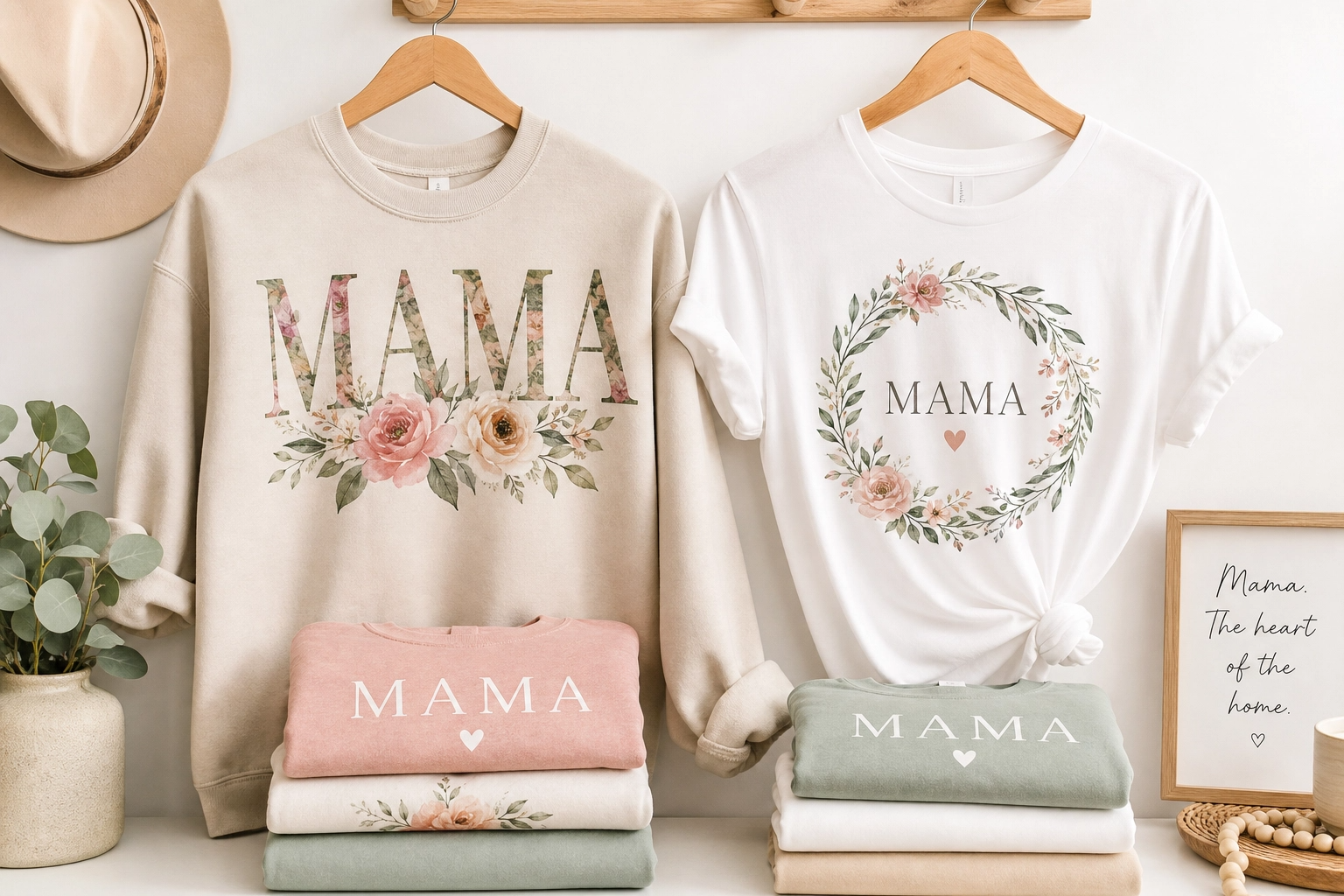
Statement pieces — graphic tees, printed sweatshirts, patterned tops — can either elevate or undermine an outfit depending entirely on their design quality. A graphic tee with a crisp, beautiful, intentionally designed print looks significantly more expensive than a generic logo tee at the same price point. The design signals that a creative person was involved — and that reads as premium.
This is exactly why pieces like the botanical and watercolour-print designs from omniinspo punch above their weight in terms of how expensive they look. The print quality and design intention carry the piece into territory that plain or generic equivalents simply can’t reach. Pair a beautifully designed sweatshirt with linen trousers and leather loafers and you have an outfit that looks curated and considered.
9. Perfect Your Colour Game
The expensive-looking colour instinct is actually learnable. A few principles:
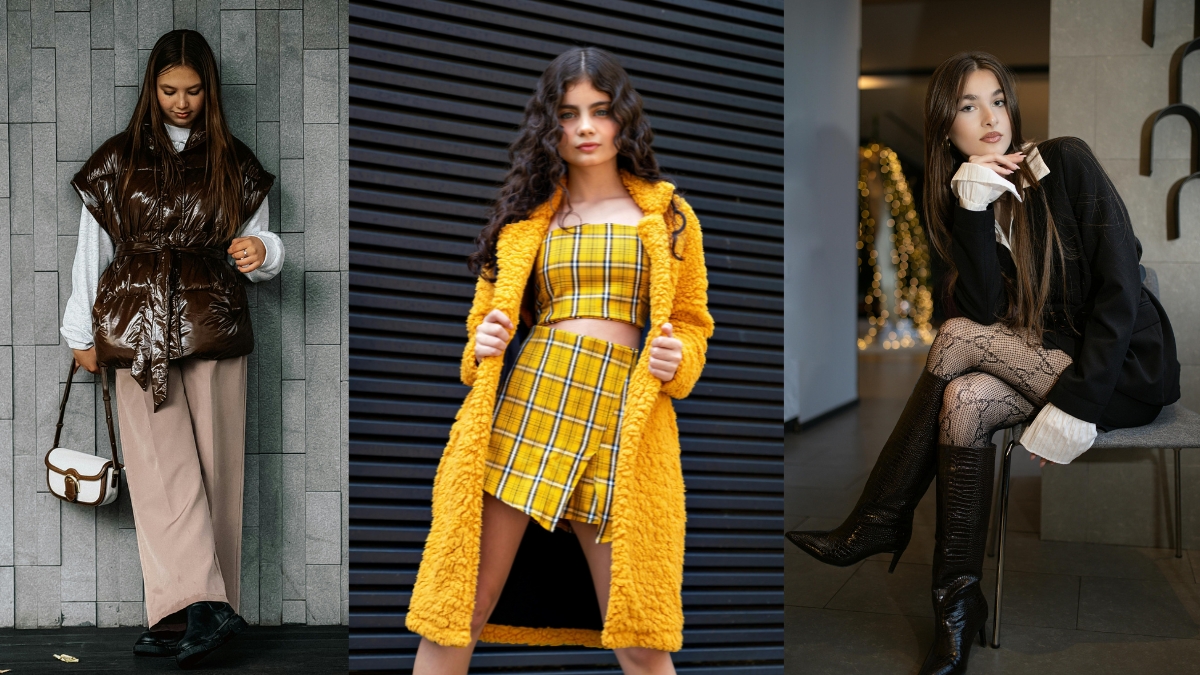
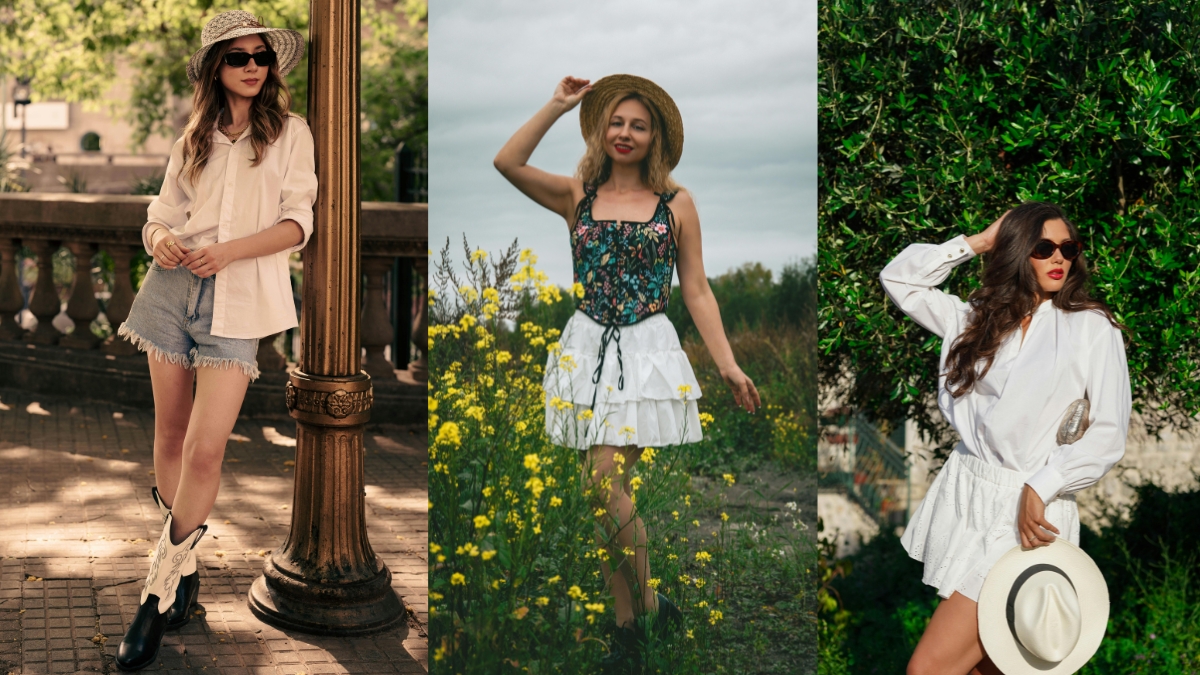
Wear colours in their muted, sophisticated versions. Rich burgundy instead of bright red. Dusty sage instead of neon green. Warm camel instead of bright yellow. Muted tones read as considered; saturated colours read as casual (at best) or cheap (at worst) unless worn extremely deliberately.
Limit your colour palette per outfit. Two to three complementary colours maximum. More than that and the outfit starts to look chaotic — which always reads cheap regardless of the price tags.
Use colour contrast intentionally. A single bold colour against a neutral base is a styling move. Multiple bold colours without a clear visual logic is a wardrobe accident.
10. The Power of a Great Coat
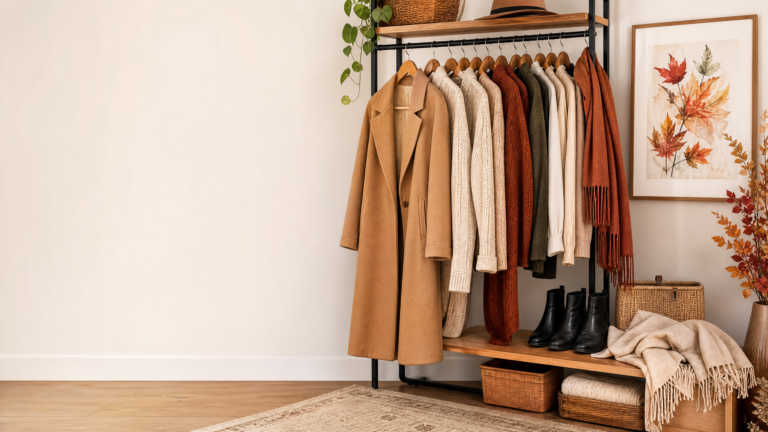
A well-fitting coat is the single most powerful “looks expensive” item in any wardrobe. Because it covers everything else, the coat is what most people see when they look at you. A great coat over a completely budget outfit makes the whole thing look expensive. A cheap coat over an expensive outfit undermines everything underneath.
If there is one item worth genuinely investing in from this list — it’s the coat. Classic wool, long length, clean cut, neutral colour. Buy the best version you can afford. It will carry your entire wardrobe above its actual budget for years.
11. Wear Your Clothes With Confidence and Good Posture
This sounds like a non-fashion tip, but it’s genuinely the most powerful styling tool available and it costs nothing. Expensive clothes are modelled by people with good posture, who move confidently, who don’t fidget with their hem or adjust their waistband constantly.
Wearing clothes like you belong in them communicates quality more powerfully than any specific item. Practice: put on an outfit, take a breath, and carry yourself like you chose every piece of it intentionally — because you did.
12. Get Your Hair and Nails in Order
Fashion exists in a full visual context. The most expensive outfit worn with visibly neglected hair or nails loses some of its effect. This doesn’t mean perfection — it means maintenance. Clean, intentional, cared-for. A simple blowout or a neat bun. Clean, shaped nails in a classic colour or well-maintained natural.
The personal grooming equivalent of steaming your clothes. You don’t need to spend hours on it. You just need to not ignore it.
13. Build a Small Wardrobe of Excellent Pieces Rather Than a Large Wardrobe of Mediocre Ones
The final expensive-dressing principle is also the most fundamental: quality over quantity, always. A wardrobe of 30 pieces you love, that fit well, that work together, that you feel good in — will always look more expensive than a wardrobe of 100 pieces that include a lot of things you’re not quite sure about.
The visual coherence of an intentional, edited wardrobe communicates taste and wealth more clearly than any individual item. When everything works together and everything fits well, the whole becomes significantly greater than the sum of its parts.
We’re loving right now:
- omniinspo graphic tees — intentionally designed pieces that earn their place in an edited wardrobe
The “Looks Expensive” Outfit Formula
When you want to look expensive on any budget, apply this formula:
Neutral or tonal base + one quality/expressive piece + excellent fit + the right shoe + one good bag + nothing extra
That’s it. Neutrals carry the foundation. One quality or expressive piece provides the visual interest. Excellent fit signals intentionality. A good shoe and bag provide the luxury signals. Restraint — removing anything that doesn’t earn its place — does the rest.
Final Thoughts
Looking expensive on a budget is a skill, not a secret. It’s the product of understanding what actually communicates quality — fit, fabric, restraint, condition, colour, confidence — and applying those principles consistently. None of it requires a designer budget. All of it requires a designer eye.
Develop the eye and the budget becomes almost irrelevant.
Looking for beautifully designed pieces that look better than they cost? Explore omniinspo at shop.omnimart24h.com — graphic tees and sweatshirts designed with the kind of visual intention that makes every outfit look considered.
This post contains affiliate links. We may earn a small commission at no extra cost to you.
About the Author