How to Build a Wardrobe on a Budget: 12 Smart Strategies
Here’s the fashion industry’s least popular secret: the most stylish wardrobes in the world aren’t built on unlimited credit cards. They’re built on clarity — knowing exactly what you need, what you actually wear, and how to shop with intention rather than impulse. Building a wardrobe on a budget doesn’t mean settling for less. It means being smarter than the average shopper — and that’s genuinely achievable with a few clear principles and a shift in how you think about getting dressed.
These are the 12 strategies that make budget wardrobe building actually work.
1. Start With an Honest Wardrobe Audit
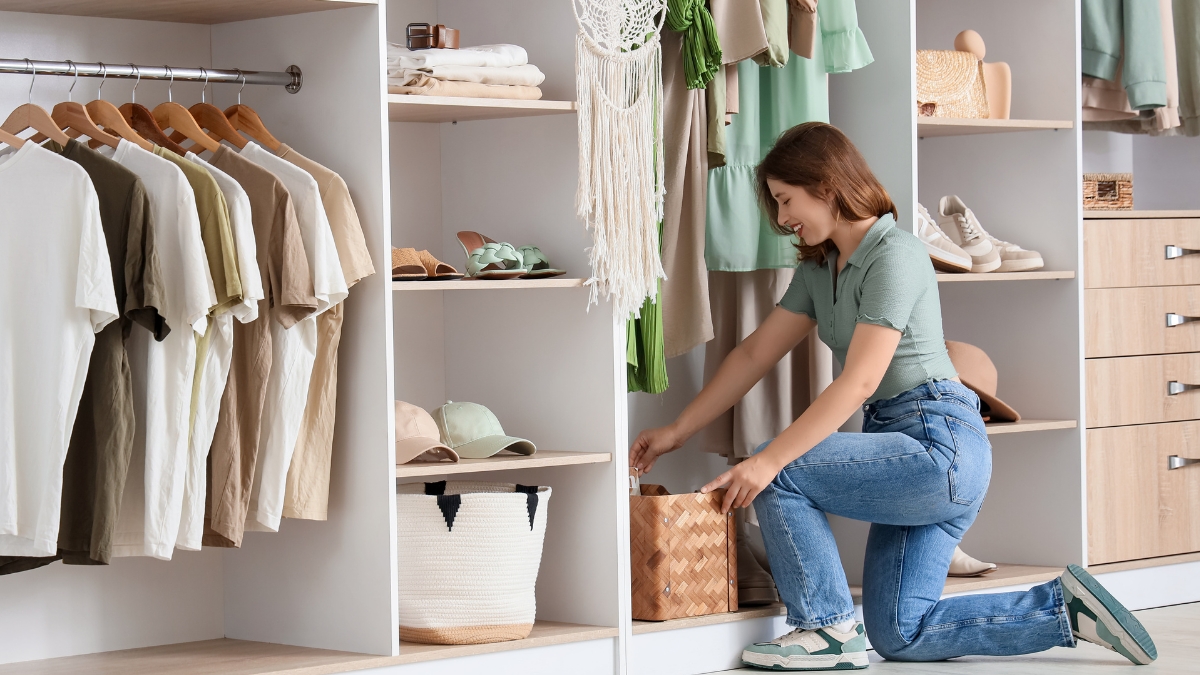
Before you spend a single dollar, spend an hour. Pull everything out of your closet and ask two questions about each piece: Do I actually wear this? and Does it make me feel good?
Anything that fails both questions goes. Sell it, donate it, or repurpose it — but get it out of your space. What you’re left with is your real wardrobe: the pieces that actually work for your life. From that foundation, you can see clearly what’s missing and what you genuinely need — which is the most powerful shopping advantage you can have.
Most people discover they have fewer gaps than they thought. They don’t need a new wardrobe — they need two or three specific pieces that unlock the potential of what they already own.
2. Define Your “Cost Per Wear” Before Every Purchase
The concept is simple: divide the cost of a piece by how many times you’ll realistically wear it. A $15 top you wear twice costs $7.50 per wear. A $60 tee with a beautiful design that you reach for three times a week for two years costs pennies per wear.
Budget dressing isn’t about buying cheap — it’s about buying high-wear. Every purchase decision should pass the cost-per-wear test. If you can’t imagine wearing it at least 30 times, it doesn’t belong in a budget-conscious wardrobe.
This principle shifts your shopping instincts naturally: toward versatile, wearable pieces and away from trend-driven impulse buys that look great in the store and sit untouched for six months.
3. Build Around a Tight Colour Palette
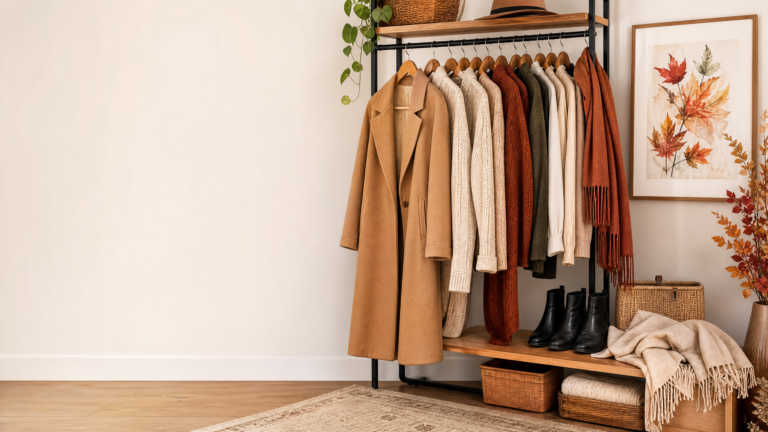
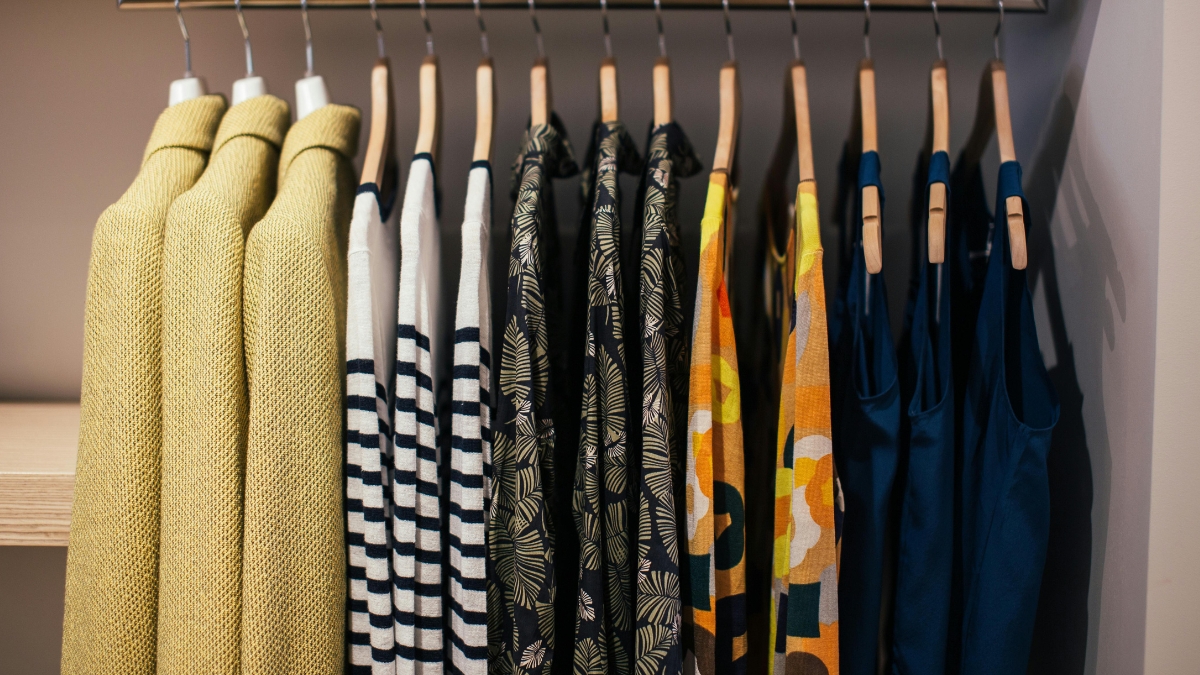
One of the most powerful budget wardrobe strategies is restricting your colour palette — not forever, but as a foundation. When the majority of your wardrobe sits within the same colour family (neutrals, earth tones, or a consistent palette you love), everything coordinates naturally.
The result: more outfits from fewer pieces. A wardrobe of 20 pieces in a cohesive palette can generate significantly more outfit combinations than 40 pieces in clashing, disconnected colours that don’t work together.
Pick 2–3 neutrals as your foundation (black, white, cream, camel, navy — whatever suits you) and 1–2 accent colours you genuinely love. Shop within that palette and watch how quickly your “nothing to wear” problem disappears.
4. Invest in Foundational Pieces, Save on Statement Ones
This is the counterintuitive truth of budget fashion: spend more on the basics, less on the exciting pieces. Here’s why.
Foundational pieces — a great pair of black trousers, a quality white tee, a fitted blazer, good jeans — are worn constantly, go with everything, and need to survive hundreds of washes. Cheap versions fall apart, lose their shape, and need replacing regularly. Spending more on these items is genuinely more economical long-term.
Statement pieces — a printed top, a fun graphic sweatshirt, a seasonal trend item — are often worn less frequently and replaced more willingly. These are the items where budget options genuinely shine.
The formula: invest in fit, quality, and versatility at the foundation level. Express yourself with more affordable statement pieces.
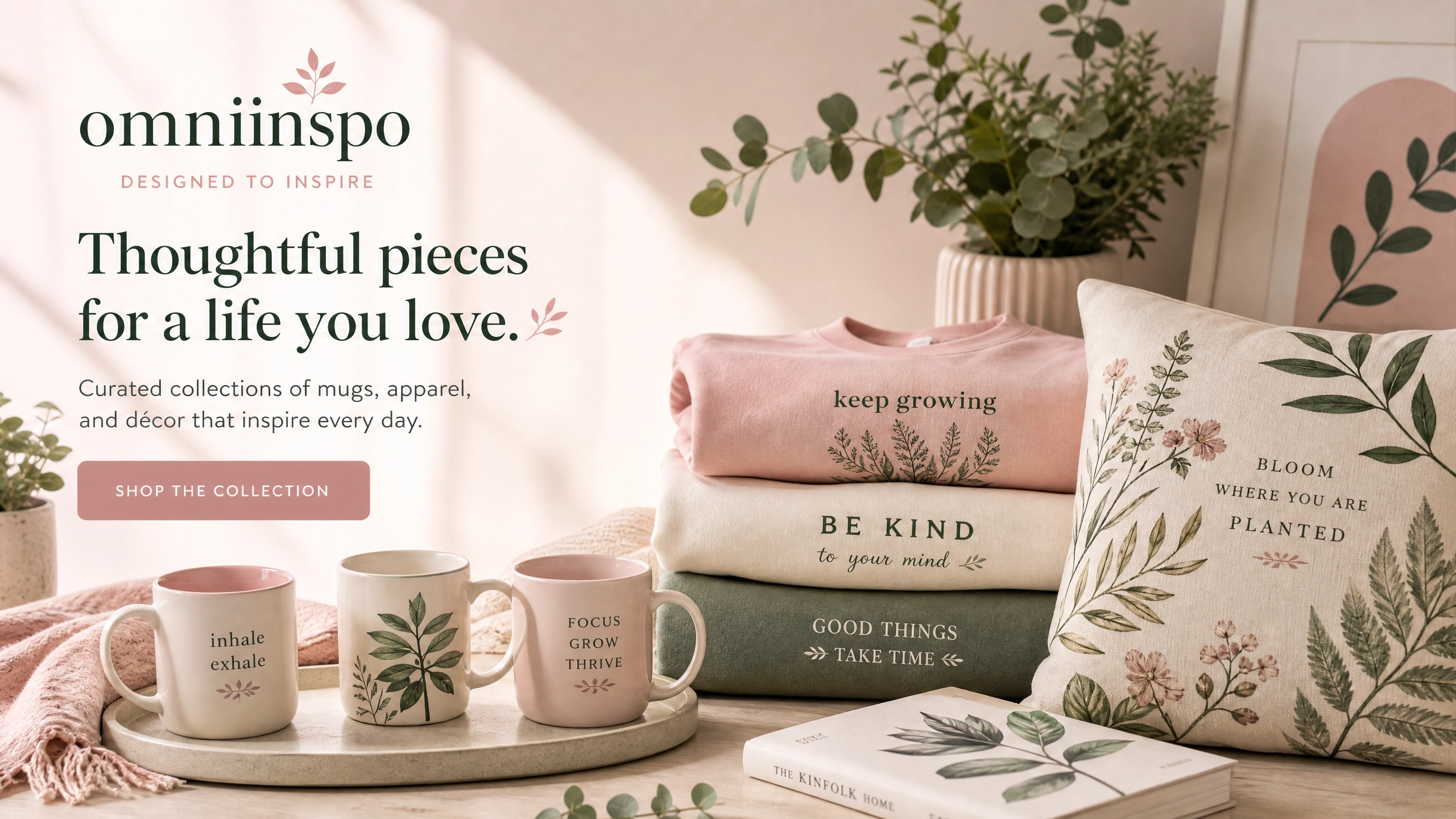
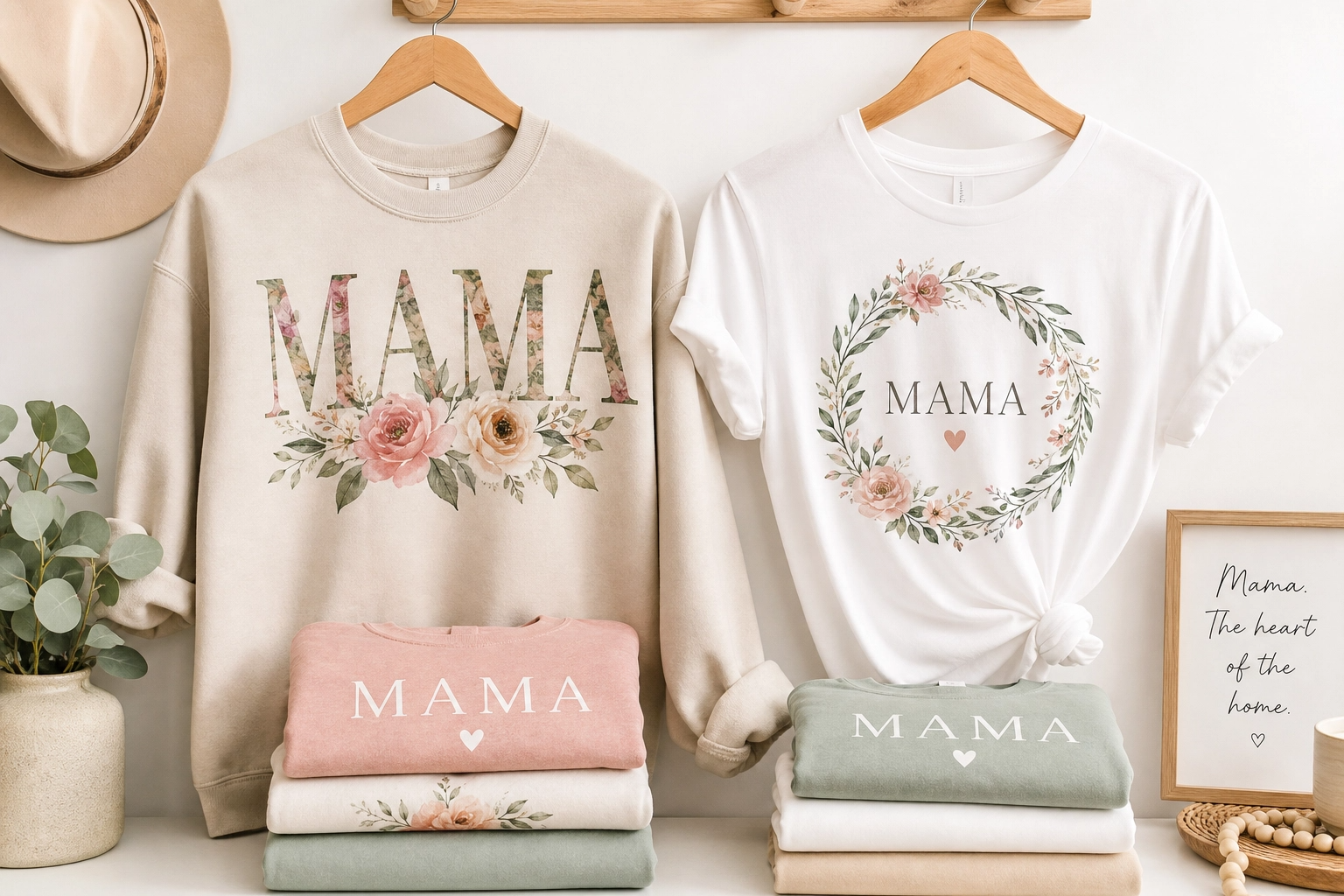
Speaking of affordable statement pieces with real personality: the graphic tees and sweatshirts from omniinspo sit in the perfect budget-sweet-spot — they’re expressive, beautifully designed, and genuinely wearable without the premium price tag of “investment” basics. A botanical-print tee or a nature-inspired sweatshirt paired with quality tailored trousers gives you the full “stylish wardrobe” effect at a fraction of the cost.
→ Shop it: omniinspo graphic tees & sweatshirts — statement pieces at accessible prices
5. Shop Secondhand First (Always)
Thrift stores, vintage markets, resale apps like Depop, Poshmark, ThredUp — secondhand shopping is no longer a budget compromise. It’s a genuine style strategy adopted by some of the most well-dressed people in the world.
The advantages are real: you can find quality pieces at a fraction of their original price, discover truly unique items that no one else has, and make more sustainable choices at the same time. The skill is learning to shop secondhand effectively:
- Search for specific items, not just browsing randomly (though browsing has its own rewards)
- Know your measurements so you can filter online resale accurately
- Check fabric content — natural fibres (cotton, linen, wool, silk) age better than synthetics
- Focus on basics and outerwear secondhand — these are the highest-value finds because they’re expensive new and virtually unchanged over time
6. Learn to Spot Quality (So You Don’t Waste Money on Cheap That Wears Out Quickly)
Budget shopping only works if what you buy actually lasts. Learning to assess garment quality quickly saves you money because you stop wasting it on pieces that fall apart after five washes.
Quick quality indicators:
- Fabric weight — hold it up to the light; if you can see through a top that shouldn’t be sheer, the fabric is too thin
- Seam finishing — look inside; cleanly finished seams indicate better construction
- Button and zip quality — these are the first things to fail on cheap garments; metal zips and real buttons outlast plastic alternatives
- Print quality — on graphic pieces, look for clean edges and solid colour saturation; blurry or faded-looking prints off the rack will only get worse with washing
7. The 30-Wears Rule Before Every Purchase
Before buying anything, ask yourself: Can I think of 30 specific ways to wear this piece with things I already own?
Not 30 outfits you’d have to build from scratch — 30 combinations with your existing wardrobe. If you can reach 30 easily, it’s a high-wear item worth buying. If you struggle past five, it’s a gap-filler that won’t earn its place.
This one question eliminates the majority of impulse purchases before they happen.
8. Prioritise Versatility When Shopping on a Budget
The versatility hierarchy for budget shoppers:
- Wear it multiple ways (tucked, untucked, layered, alone)
- Works across multiple settings (casual + work + evening with small changes)
- Works across multiple seasons (layerable for cooler weather, light enough for warmer)
- Pairs with at least 5 existing items in your wardrobe
The more versatility boxes a piece checks, the higher its value regardless of price. A $25 linen button-down that works casually, professionally, and as a layer scores extremely high on this scale. A $25 party top that works for exactly one occasion scores very low.
9. Build a “Uniform” for Different Life Contexts
One of the most freeing and efficient budget wardrobe strategies is deciding on a “uniform” for each context of your life. Not literally wearing the same outfit every day — but identifying the formula that works best for you in each setting and repeating it with variations.
For example:
- Work uniform: Tailored trousers + fitted top + loafers (swap top colours and prints)
- Weekend uniform: Good jeans + graphic tee or sweatshirt + sneakers
- Going out uniform: Midi skirt + fitted top + heeled sandal
When you know your formulas, shopping becomes much simpler. You’re not buying random pieces and hoping they work — you’re filling specific slots in a system that already functions.
The expressive sweatshirts from omniinspo are perfect “weekend uniform” anchors — the botanical and nature-inspired designs mean that even a simple jeans-and-sweatshirt combination reads as intentional and put-together rather than casual.
10. Take Care of What You Own (It’s Free)
This is perhaps the most underrated budget fashion strategy: extending the life of the pieces you already have.
Simple habits that make clothes last significantly longer:
- Wash less frequently (most clothes don’t need washing after every single wear)
- Use cold water and gentle cycles
- Air dry when possible — tumble dryers degrade fabric faster than almost anything else
- Store knitwear folded, never hung (hanging stretches the shoulders)
- Use a fabric shaver on pilling — it genuinely refreshes the look of well-worn knitwear
- Get shoes resoled rather than replacing them when the sole wears down
Extending the life of a piece by even 50% effectively halves its cost per wear. Caring for your clothes is one of the highest-return investments you can make in your wardrobe.
11. Set a Budget and a Shopping List — Then Stick to Both
The most common budget-wardrobe failure isn’t overspending on individual items — it’s the accumulation of small purchases that individually seem reasonable but collectively add up to a wardrobe full of things that don’t quite work together.
The solution: decide on a seasonal wardrobe budget before you shop, and write down your specific needs list before you enter any store (physical or digital). Then shop from the list. If something isn’t on the list, it doesn’t mean you can never buy it — it means you need to make a deliberate decision about whether it replaces something on the list or whether it’s genuinely worth adding to your budget.
This removes the impulsiveness from shopping and replaces it with intention.
12. Know When to Spend More (The Items Worth the Investment)
Finally: budget-conscious doesn’t mean never spending more. There are specific categories where the investment consistently pays off:
- A great coat or jacket — worn daily for 4–6 months a year; cheap versions look cheap and fall apart fast
- Well-fitting denim — the right jeans make everything look better; this is worth spending on
- Quality leather shoes or boots — a single good pair outlasts three cheap pairs and looks better throughout
- A structured bag — used every day; quality shows immediately and lasts for years
Outside these categories, budget-friendly choices are often entirely adequate. Tops, graphic pieces, seasonal trend items, accessories — these are where smart shoppers save.
We’re loving right now:
- omniinspo tees and sweatshirts — high-design, budget-friendly statement pieces that bring personality to any outfit formula

The Budget Wardrobe Starter Pack
For anyone beginning from scratch with a limited budget, here’s a prioritised shopping list that creates a fully functional wardrobe:
| Priority | Piece | Budget Approach |
|---|---|---|
| 1 | Dark wash straight-leg jeans | Invest more — these are foundational |
| 2 | Black tailored trousers | Invest more — wear constantly |
| 3 | 2–3 quality tees (incl. one expressive graphic) | Mid-range + omniinspo |
| 4 | A blazer | Thrift or mid-range |
| 5 | A midi skirt (printed) | Budget-friendly |
| 6 | A quality sweatshirt | Mid-range |
| 7 | One great coat | Invest — cost per wear is unbeatable |
| 8 | Ankle boots + white sneakers | Invest in one, budget the other |
Final Thoughts
Building a wardrobe on a budget is a skill — and like any skill, it gets easier and more intuitive with practice. The principles above aren’t restrictions; they’re liberating. When you know what you actually need, what genuinely works for your life, and how to shop with intention, the endless overwhelm of fashion disappears and getting dressed becomes something you actually enjoy.
Your wardrobe doesn’t need to be expensive to be good. It needs to be yours.
Looking for expressive, affordable pieces to anchor your budget wardrobe? Explore omniinspo at shop.omnimart24h.com — thoughtfully designed tees and sweatshirts that make any outfit feel intentional.
This post contains affiliate links. We may earn a small commission at no extra cost to you.
About the Author